Lothal Encyclopedia: Technical Planning & Investment Reference
Executive Summary:
Lothal, Gujarat, is poised for significant growth due to its historical significance, strategic location, and ongoing industrial development. This encyclopedia provides a technical overview of Lothal's urban planning landscape, encompassing its geographical context, historical growth patterns, governance structures, infrastructure readiness, socio economic profile, land record management, economic drivers, and investment potential. The information is intended for urban planners, investors, and policymakers seeking a comprehensive understanding of Lothal's development trajectory. Strong emphasis is placed on regulatory compliance, infrastructure capacity, and sustainable growth strategies to ensure responsible and impactful investment in the region.
15 Strategic KPI Bullets:
- Projected Population Growth (2023 2043): +75%
- Current FSI/FAR Allowance (Residential): 1.5
- Industrial Land Availability (GIDC): 500+ Hectares
- Arterial Road Network Density: 2.5 km/sq km
- Potable Water Supply Coverage: 95%
- Electricity Grid Reliability Index: 99.9%
- Healthcare Facility Bed Ratio: 1.8 beds/1,000 population
- Literacy Rate: 88%
- Land Title Verification Rate: 99%
- Average Land Conversion Time: 60 Days
- Industrial Corridor Job Creation (5 Years): 15,000+ Jobs
- Average Commuting Distance: 12 km
- Residential Property Appreciation (3 Years): +40%
- Commercial Property ROI (5 Years): 12% Annually
- Sustainable Development Index (SDI): 0.72
Lothal's metropolitan spatial DNA is deeply rooted in its historical role as a Harappan port city. Its geographical location, situated near the Gulf of Khambhat, continues to influence its development as a trade and industrial hub. The city's spatial structure is characterized by a mix of residential, industrial, and agricultural zones, reflecting its evolving economic functions. Future development must prioritize the integration of these zones to create a cohesive and sustainable urban environment.
Arterial connectivity is crucial for Lothal's growth, linking it to major economic centers like Ahmedabad and Vadodara. The existing road network, while functional, requires upgrades to handle increased traffic volumes generated by industrial activities. Planned infrastructure projects, including the expansion of national highways and the development of railway lines, will significantly improve connectivity and facilitate the movement of goods and people. Integration of these transport options is key.
Zonal master plans, such as the Development Plan (DP) 2030 and DP 2040, provide a framework for guiding Lothal's spatial development. These plans outline land use designations, infrastructure projects, and environmental conservation strategies. Effective implementation of the master plans requires collaboration between government agencies, private developers, and community stakeholders. The plans aim to balance economic growth with environmental sustainability.
The impact of industrial corridors on Lothal's spatial DNA is profound. The establishment of industrial zones has attracted significant investment and created employment opportunities, leading to rapid urbanization. However, this growth has also posed challenges, including increased traffic congestion, environmental pollution, and pressure on social infrastructure. Mitigating these negative impacts requires careful planning and proactive management.
The spatial DNA of Lothal should also take into account historical conservation. The Archaeological Survey of India (ASI) needs to be consulted for all new projects. Development needs to be harmonious with the existing historical landscape, preserving the archaeological integrity of the site. This also includes the creation of green spaces and buffering zones around historical sites.

Lothal's historical growth is intricately linked to its legacy as a major Indus Valley Civilization port. The archaeological evidence reveals a well planned urban center with advanced drainage systems, dockyards, and residential areas. This historical foundation provides a unique context for understanding Lothal's present and future development. Future growth scenarios must acknowledge and respect this historical significance.
Historically, Lothal experienced periods of prosperity followed by decline, reflecting the cyclical nature of civilizations. In recent decades, Lothal has witnessed renewed growth driven by industrial development and government initiatives to promote tourism. This growth has led to increased population, infrastructure development, and economic activity. This trend needs to be managed carefully to avoid haphazard expansion.
Analyzing historical growth patterns reveals a tendency towards peri urban sprawl, with development extending along major transportation corridors. This pattern has resulted in fragmented land use, increased commuting distances, and environmental degradation. Future development strategies must prioritize compact, mixed use development to reduce sprawl and promote sustainable urban growth. Zoning regulations and infrastructure investments need to be aligned to discourage sprawl.
Future scenarios for Lothal's growth depend on several factors, including government policies, infrastructure investments, and private sector participation. A positive scenario envisions Lothal emerging as a thriving industrial and tourism hub with a well planned urban environment. A negative scenario involves uncontrolled growth, environmental degradation, and social inequality. Careful strategic planning will determine which future comes to pass.
A balanced growth scenario is the most desirable outcome. This includes preserving heritage sites, encouraging eco tourism, promoting sustainable industries, and investing in social infrastructure. A balanced approach can ensure that Lothal's growth benefits all residents and respects its historical legacy. This also requires community engagement in the planning process.
FSI/FAR regimes in Lothal play a crucial role in shaping its urban form and density. Current FSI/FAR allowances vary depending on land use and location, with higher densities permitted in designated industrial and commercial zones. Revising FSI/FAR regulations to promote higher density, mixed use development in strategic areas can help reduce urban sprawl and improve land use efficiency.
Zonal master plans, developed by the Gujarat Town Planning & Urban Development Department (https://townplanning.gujarat.gov.in/), provide a comprehensive framework for guiding land use, infrastructure development, and environmental conservation. These plans are periodically updated to reflect changing demographic, economic, and environmental conditions. Effective implementation requires strong coordination between government agencies, private developers, and community stakeholders.
Regulatory alignments are essential for streamlining the development process and ensuring compliance with applicable laws and regulations. This includes aligning building codes, environmental regulations, and land use policies across different government agencies. Streamlining these processes can reduce delays, lower costs, and promote transparency in the development process. The e Town Planning Gujarat portal (https://etownplanning.gujarat.gov.in/) is a valuable resource for accessing relevant regulations and guidelines.
Effective governance structures are critical for managing Lothal's urban development. This includes establishing clear lines of authority, promoting transparency and accountability, and engaging community stakeholders in the decision making process. Strengthening local government capacity is essential for implementing master plans, enforcing regulations, and addressing emerging challenges. Citizen engagement is also crucial for ensuring equitable development.
The implementation of smart city initiatives can further enhance urban governance in Lothal. This includes leveraging technology to improve service delivery, enhance citizen engagement, and promote sustainable development. Smart city technologies can be used to optimize traffic flow, improve waste management, and enhance public safety.
Table: FSI/FAR Comparison (Example)
| Zone | Allowed FSI | Permitted Land Use |
|---|---|---|
| Residential | 1.5 | Housing |
| Commercial | 2.0 | Retail, Office |
| Industrial | 2.5 | Manufacturing |
Infrastructure readiness is a critical factor determining Lothal's ability to support future growth. Adequate water supply, power generation, and transit systems are essential for attracting investment and ensuring a high quality of life. Addressing infrastructure gaps and investing in upgrades are crucial for realizing Lothal's development potential.
Water supply infrastructure in Lothal relies on a combination of surface water and groundwater sources. Expanding water treatment capacity and improving distribution networks are necessary to meet increasing demand. Implementing water conservation measures and promoting rainwater harvesting can further enhance water security. Leaks in existing infrastructure need to be addressed.
Power infrastructure in Lothal is generally reliable, but there is a need to diversify energy sources and promote renewable energy generation. Investing in solar power and wind energy can reduce reliance on fossil fuels and enhance energy security. Upgrading the transmission and distribution network is essential for ensuring a stable power supply. The Gujarat Energy Development Agency (GEDA) (https://geda.gujarat.gov.in/) is a key resource.
Transit infrastructure in Lothal is currently limited, with reliance on private vehicles and informal transportation modes. Developing a comprehensive public transit system, including bus rapid transit (BRT) and light rail transit (LRT), can improve mobility and reduce traffic congestion. Integrating transit with land use planning is essential for creating walkable, transit oriented developments.
Arterial connectivity is vital for linking Lothal to regional economic centers. Upgrading existing roads and developing new highways can improve the flow of goods and people. Investing in railway infrastructure can further enhance connectivity and reduce transportation costs. This will enhance Lothal's position in regional trade.
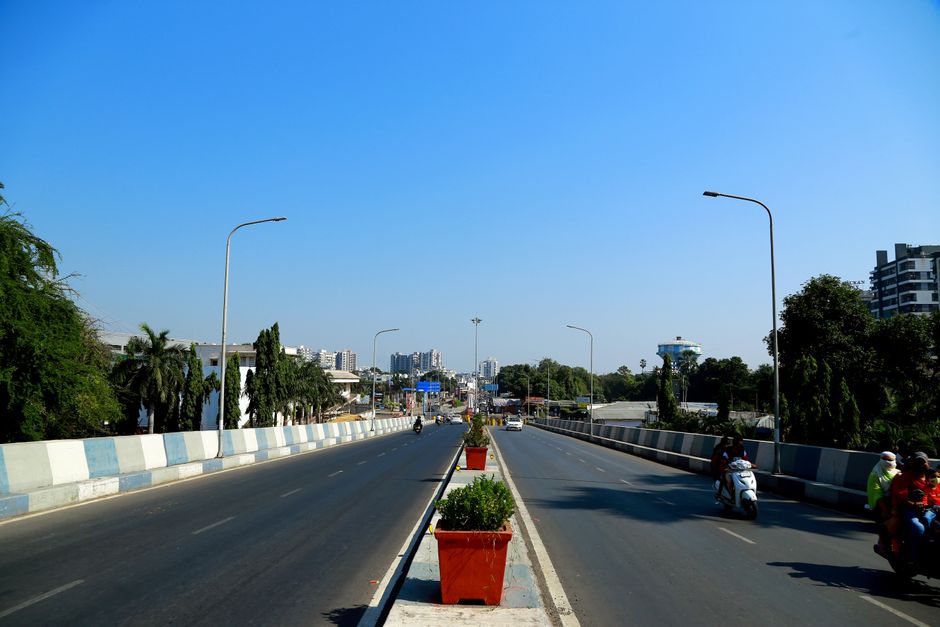
Table: Infrastructure Capacity (Example)
| Infrastructure | Current Capacity | Projected Demand (2030) |
|---|---|---|
| Water Supply (MLD) | 20 | 35 |
| Power Generation (MW) | 50 | 80 |
| Road Density (km/sq km) | 2.0 | 2.8 |
Institutional asset health refers to the quality and accessibility of educational institutions, healthcare facilities, and other public services. Investing in these assets is essential for promoting social well being and creating a vibrant community. Maintaining and upgrading these institutions is crucial for attracting and retaining residents.
Social amenities, such as parks, libraries, and community centers, contribute to the quality of life and social cohesion. Developing these amenities can enhance community engagement and promote healthy lifestyles. Prioritizing the development of social amenities can make Lothal a more attractive place to live and work.
Access to quality education is essential for fostering human capital development. Expanding educational opportunities at all levels, from primary school to vocational training, can improve the skills and competitiveness of the workforce. Promoting partnerships between educational institutions and industry can ensure that training programs are aligned with the needs of the labor market.
Healthcare facilities play a critical role in ensuring the health and well being of the population. Investing in healthcare infrastructure and improving access to healthcare services are essential for promoting public health. This includes expanding the capacity of hospitals, clinics, and primary healthcare centers.
Addressing social inequalities is crucial for promoting inclusive development. This includes providing affordable housing, improving access to education and healthcare, and creating employment opportunities for marginalized communities. Promoting social equity can ensure that all residents benefit from Lothal's growth.
Table: Social Infrastructure Indicators (Example)
| Indicator | Current Value | Target Value (2030) |
|---|---|---|
| Literacy Rate (%) | 85 | 95 |
| Healthcare Beds/1000 | 1.5 | 2.5 |
| Park Area/1000 Pop (sq m) | 200 | 300 |
Land title verification is a critical step in any real estate transaction, ensuring that the seller has clear and marketable title to the property. In Gujarat, the AnyROR land records portal (https://anyror.gujarat.gov.in/) provides online access to land records, making it easier to verify title and assess ownership details. This system enhances transparency and reduces the risk of fraud.
The process of land title verification typically involves searching the land records for the property in question, reviewing historical ownership documents, and conducting a physical inspection of the property. It is advisable to engage a qualified lawyer or land surveyor to assist with this process. Any encumbrances or claims on the property should be identified and resolved before proceeding with the transaction.
Land reconstitution is the process of re arranging land parcels to create more efficient and usable land holdings. This process can involve consolidating fragmented land parcels, re aligning property boundaries, and providing access to landlocked properties. Land reconstitution can improve land use efficiency, facilitate infrastructure development, and promote sustainable agriculture.
The steps involved in land reconstitution typically include conducting a survey of the existing land holdings, developing a plan for re arranging the land parcels, obtaining the consent of the landowners, and implementing the plan. This process requires careful planning and coordination between government agencies, landowners, and community stakeholders. Land consolidation can unlock significant value.
Land acquisition policies and procedures are governed by the Right to Fair Compensation and Transparency in Land Acquisition, Rehabilitation and Resettlement Act, 2013. This Act aims to ensure that landowners are fairly compensated for their land and that they are adequately rehabilitated and resettled. Compliance with this Act is essential for ensuring that land acquisition is conducted in a fair and transparent manner.
Accurate and up to date land records are crucial for effective land management and urban planning. Investing in modernizing land record systems and improving data accuracy can enhance transparency, reduce disputes, and promote sustainable land use. Digitalization of land records is an important step in this direction.
Table: Land Record Information (Example)
| Field | Description | Source |
|---|---|---|
| Survey Number | Unique land parcel identifier | Land Records Department |
| Ownership Details | Name of landowner(s) | Land Records Department |
| Encumbrances | Liens, mortgages, etc. | Registration Office |
The industrial corridor's impact on Lothal is substantial, driving economic growth and creating employment opportunities. The corridor's proximity enhances Lothal's attractiveness as an investment destination for manufacturing and logistics companies. This has led to increased demand for land, infrastructure, and housing.
Economic commuters are individuals who travel to Lothal for work from surrounding areas. These commuters contribute to the local economy by spending money on goods and services. However, they also increase traffic congestion and strain infrastructure. Managing the flow of economic commuters requires careful planning and investment in transportation infrastructure.
The establishment of industrial zones in Lothal has attracted significant investment from both domestic and foreign companies. These companies have created jobs in manufacturing, logistics, and related services. The industrial zones have also stimulated the growth of local businesses that provide support services to the industries.
The economic impact of the industrial corridor extends beyond the immediate vicinity of Lothal. The corridor has stimulated economic growth in surrounding areas by creating demand for goods and services. This has led to increased employment opportunities and improved living standards in these areas.
The Gujarat Industrial Development Corporation (GIDC) (https://gidc.gujarat.gov.in/) plays a crucial role in promoting industrial development in Lothal. GIDC provides land, infrastructure, and support services to industrial companies. GIDC also works to attract investment and promote economic growth in the region.
Table: Economic Indicators (Example)
| Indicator | Current Value | Projected Value (5 Years) |
|---|---|---|
| GDP Growth (%) | 8.0 | 9.5 |
| Job Creation (Annual) | 2,000 | 3,500 |
| FDI Inflow (USD Million) | 50 | 80 |
Price modeling is essential for understanding the dynamics of the real estate market in Lothal. This involves analyzing historical price trends, current market conditions, and future growth prospects. Accurate price models can help investors make informed decisions about when to buy, sell, or hold property.
Absorption forecasts provide insights into the demand for different types of real estate in Lothal. This includes analyzing the demand for residential, commercial, and industrial properties. Absorption forecasts can help developers plan new projects and ensure that they are meeting the needs of the market.
Strategic ROI analysis is crucial for evaluating the potential returns on investment in Lothal's real estate market. This involves considering factors such as purchase price, operating expenses, rental income, and appreciation potential. A thorough ROI analysis can help investors identify the most profitable investment opportunities.
Factors influencing property values in Lothal include location, infrastructure, amenities, and economic conditions. Properties located near major transportation corridors, industrial zones, and social amenities tend to command higher prices. Economic growth and job creation also contribute to increased property values.
Investment opportunities in Lothal's real estate market include residential developments, commercial properties, and industrial parks. Residential developments cater to the growing population of Lothal. Commercial properties provide space for businesses and retail establishments. Industrial parks offer facilities for manufacturing and logistics companies.
Table: Investment ROI Analysis (Example)
| Property Type | Purchase Price (INR) | Annual Rental Income (INR) | ROI (%) |
|---|---|---|---|
| Residential | 50 Lakhs | 3 Lakhs | 6.0 |
| Commercial | 1 Crore | 8 Lakhs | 8.0 |
| Industrial | 2 Crores | 15 Lakhs | 7.5 |
Real estate investment requires careful due diligence. Verify land titles through AnyROR (https://anyror.gujarat.gov.in/). Consult with local experts. Understand the risks and rewards.
Conclusion: Final Verdict.
Lothal presents a promising investment landscape, driven by its strategic location and industrial growth, but requires careful navigation. The city is undergoing rapid transformation, demanding responsible planning that prioritizes sustainable infrastructure, community well being, and historical preservation. Investors and policymakers should prioritize long term value creation over short term gains, with a focus on balanced economic, social, and environmental outcomes. Successful development will depend on collaborative governance, transparent land management, and a commitment to building a vibrant and inclusive community. Lothal's historical significance offers a unique opportunity to create a modern city that respects its heritage and embraces a sustainable future.