Akluj Development Plan & Master Plan - Future Roads and Development
Akluj Encyclopedia: Technical Planning & Investment Reference
Executive Summary:
Akluj, a rapidly developing city in Maharashtra, presents a compelling case study in urban planning and investment potential. This encyclopedia provides a comprehensive overview of Akluj's spatial DNA, historical growth trajectory, planning and governance framework, physical and social infrastructure readiness, land record management, economic engine drivers, and investment ROI prospects. The analysis focuses on data driven insights to provide a robust foundation for informed decision making by urban planners, policymakers, and investors. Akluj's strategic location and evolving industrial landscape position it for sustained growth, necessitating a proactive and well informed approach to urban development.
15 Strategic KPI Bullets:
- Current population and projected growth rate.
- Land utilization patterns (residential, commercial, industrial, agricultural).
- Average FSI/FAR across different zones.
- Water supply capacity and demand gap.
- Electricity consumption and grid stability.
- Road network density and connectivity index.
- Public transportation availability and ridership.
- Number of educational institutions and student enrollment.
- Healthcare facilities and bed capacity per capita.
- Land record digitization percentage.
- Industrial output and employment figures.
- Average property prices and rental yields.
- Real estate absorption rate.
- Infrastructure project pipeline and funding sources.
- Environmental sustainability initiatives and performance indicators.
Akluj's metropolitan spatial DNA is defined by its strategic location within the Solapur district, acting as a crucial link between major economic hubs. The city's geographical positioning advantages it for regional trade and commerce. The surrounding topography, primarily consisting of fertile plains, influences its agricultural base and potential for agro based industries.
Arterial connectivity is primarily facilitated by state highways connecting Akluj to Solapur, Pune, and other key cities in Maharashtra. The existing road infrastructure is undergoing expansion and upgrades to accommodate increasing traffic volumes. The proposed extensions and upgrades aim to improve logistical efficiency and reduce travel times.
Zonal master plans, specifically DP 2030 and DP 2040, delineate land use zones for residential, commercial, industrial, and agricultural purposes. These plans aim to regulate urban sprawl and promote sustainable development. The master plans incorporate provisions for green spaces, recreational areas, and environmental conservation.
The impact of industrial corridors, particularly those extending from Pune and Solapur, is significant for Akluj's economic growth. These corridors drive industrial activity, create employment opportunities, and attract investment in infrastructure development. Proximity to these industrial corridors facilitates the flow of goods, services, and skilled labor. The city's spatial DNA reflects a gradual transformation from an agrarian economy to a more diversified industrial and commercial hub.
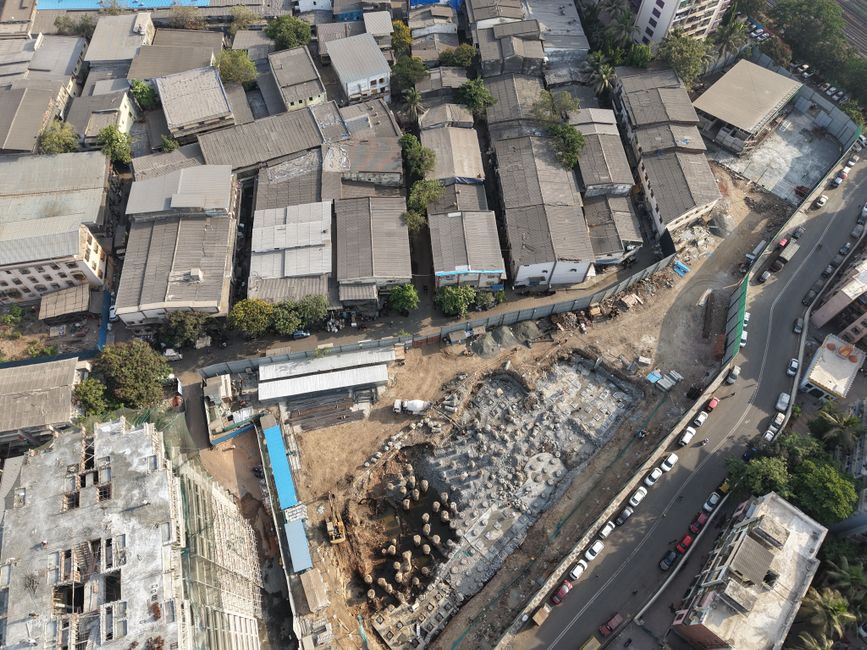
Akluj's evolving spatial DNA also incorporates considerations for climate resilience and environmental sustainability. The city's master plans emphasize the importance of water conservation, waste management, and renewable energy sources. Initiatives promoting green buildings, rainwater harvesting, and afforestation are being implemented to mitigate the environmental impact of urbanization. The integration of these elements into the spatial DNA ensures a balanced and sustainable development trajectory for Akluj.
Akluj's historical growth has been largely agrarian, with agriculture forming the backbone of its economy for centuries. The fertile plains surrounding the city supported traditional farming practices and rural livelihoods. However, in recent decades, Akluj has witnessed a significant shift towards industrialization and urbanization.
The establishment of industrial units, particularly in sectors like food processing and manufacturing, has spurred economic growth and attracted migration from neighboring rural areas. This influx of population has led to rapid urbanization and the expansion of the city's boundaries. The historical growth pattern can be characterized by a gradual transition from a rural agricultural center to a peri urban industrial hub.
Future growth scenarios for Akluj project a continuation of this trend, with increasing emphasis on industrial development and urbanization. The development of infrastructure projects, such as road networks, power supply, and water facilities, is crucial to supporting this growth. Projections indicate a significant increase in population, requiring careful planning to manage urban sprawl and ensure sustainable development.
Analysis of historical growth versus future scenarios highlights the need for proactive urban planning and infrastructure investment. Addressing challenges such as traffic congestion, water scarcity, and waste management is essential to ensure that Akluj's growth is sustainable and equitable. The successful implementation of the DP 2030 and DP 2040 plans will be critical in shaping the city's future development trajectory.
A comparative analysis of past, present, and projected growth reveals distinct trends.
| Time Period | Primary Driver | Key Characteristics |
|---|---|---|
| Pre 2000 | Agriculture | Rural, Agrarian |
| 2000 2020 | Industrialization | Peri urban, Growing |
| 2020 Onward | Diversification | Urban, Industrial |
The Floor Space Index (FSI) and Floor Area Ratio (FAR) regimes in Akluj play a crucial role in regulating building density and land utilization. The FSI/FAR values vary across different zones, with higher values typically permitted in commercial and industrial areas. Residential zones usually have lower FSI/FAR values to maintain a balance between housing density and open spaces.
Zonal master plans, including the DP 2030 and DP 2040, provide a detailed framework for land use allocation and infrastructure development. These plans delineate zones for residential, commercial, industrial, agricultural, and recreational purposes. The master plans also outline regulations for building heights, setbacks, and parking requirements.
Regulatory alignments are essential to ensure that development projects comply with the provisions of the master plans and other relevant regulations. This involves coordination between various government agencies, including the municipal corporation, town planning department, and environmental authorities. Streamlining the regulatory process can reduce delays and promote efficient project implementation.
Effective planning and governance are critical for managing Akluj's rapid urbanization and ensuring sustainable development. This requires a collaborative approach involving government agencies, private sector developers, and community stakeholders. Transparency and accountability in decision making are essential to build trust and ensure that development projects benefit the entire community.
The FSI/FAR values influence the type and scale of development projects in different zones.
| Zone | Typical FSI/FAR | Permitted Use |
|---|---|---|
| Residential | 1.0 1.5 | Housing |
| Commercial | 2.0 2.5 | Retail, Office |
| Industrial | 1.5 2.0 | Manufacturing |
Infrastructure readiness is a critical factor for Akluj's sustainable growth. The availability of reliable water supply, power, and transit systems is essential to support industrial activity and residential development. Existing infrastructure is being upgraded and expanded to meet the growing demand.
Water supply is sourced from nearby rivers and reservoirs. The current capacity is adequate for present needs, but future demand will require additional investment in water treatment and distribution infrastructure. Measures to promote water conservation and reduce leakage are also essential.
Power supply is primarily sourced from the state grid. The existing grid capacity is being enhanced to meet the growing electricity demand from industrial and residential consumers. Renewable energy sources, such as solar and wind power, are also being explored to diversify the energy mix.
Arterial connectivity is facilitated by state highways connecting Akluj to major cities. The road network is being expanded and upgraded to improve traffic flow and reduce congestion. Public transportation options, including buses and auto rickshaws, are available within the city.
Transit infrastructure requires further development to improve connectivity and reduce reliance on private vehicles. The implementation of a bus rapid transit (BRT) system or other mass transit options could significantly enhance mobility within the city. Investing in pedestrian and bicycle infrastructure is also essential to promote sustainable transportation.

The key infrastructure components and their readiness levels are summarized below.
| Infrastructure | Current Status | Future Needs |
|---|---|---|
| Water Supply | Adequate | Expansion |
| Power Supply | Stable | Grid Enhancement |
| Road Network | Improving | Capacity Upgrade |
Institutional asset health is crucial for providing essential services and promoting social well being in Akluj. The availability of quality educational institutions, healthcare facilities, and community centers is essential to support a thriving community. Existing institutions are being strengthened and expanded to meet the growing needs of the population.
Educational institutions include schools, colleges, and vocational training centers. The enrollment rates are increasing, reflecting the growing demand for education. Investing in teacher training, infrastructure upgrades, and curriculum development is essential to improve the quality of education.
Healthcare facilities include hospitals, clinics, and primary health centers. The bed capacity per capita is being increased to improve access to healthcare services. Investing in medical equipment, staff training, and public health programs is essential to enhance the quality of healthcare.
Social amenities include parks, playgrounds, libraries, and community centers. These facilities provide opportunities for recreation, social interaction, and community engagement. Investing in the development and maintenance of these amenities is essential to promote social well being.
The availability and quality of social infrastructure influence the quality of life and attractiveness of Akluj as a place to live and work.
| Social Infrastructure | Availability | Quality |
|---|---|---|
| Education | Increasing | Improving |
| Healthcare | Adequate | Enhancing |
| Community Amenities | Developing | Upgrading |
An authoritative guide on title verification and land reconstitution steps in Akluj is critical for ensuring transparency and security in land transactions. The land records system is being digitized to improve efficiency and reduce the risk of fraud. Understanding the processes for title verification and land reconstitution is essential for property owners and investors.
Title verification involves examining land records to confirm ownership and identify any encumbrances or disputes. This process typically involves searching the relevant registers at the land records office and obtaining certified copies of documents. The AnyROR Gujarat Land Records portal (https://anyror.gujarat.gov.in/) can serve as a valuable resource, although it pertains to Gujarat, the principles of land record management are similar across states.
Land reconstitution, also known as land pooling or land readjustment, involves reorganizing land parcels to facilitate planned development. This process typically involves consolidating fragmented land holdings, re plotting the land, and providing infrastructure and amenities. Land reconstitution can be a powerful tool for promoting efficient land utilization and sustainable urban development.
Steps involved in land reconstitution:
- Identification of suitable area for reconstitution.
- Formation of a land pooling scheme.
- Negotiation and agreement with landowners.
- Re plotting of land and provision of infrastructure.
- Allocation of reconstituted plots to landowners.
Effective land record management is essential for promoting economic development and social equity.
| Aspect | Current Status | Improvement Needed |
|---|---|---|
| Digitization | Progressing | Full Implementation |
| Transparency | Improving | Enhanced Access |
| Dispute Resolution | Ongoing | Faster Processes |
It's crucial to understand that while Gujarat land record systems are referenced, Maharashtra has its own equivalent processes and portals. One should refer to the official Maharashtra state government portals for accurate and updated information specific to Akluj.
The land title verification process typically involves the following steps:
- Obtain the survey number or plot number of the property.
- Visit the local land records office (Talathi office or equivalent).
- Submit an application for a title search.
- Pay the prescribed fee.
- Review the land records and identify any encumbrances.
- Obtain certified copies of relevant documents.
The industrial corridor impact on Akluj is significant, driving economic growth and creating employment opportunities. The proximity to major industrial hubs like Pune and Solapur facilitates the flow of goods, services, and skilled labor. This connection fosters industrial development in Akluj.
Economic commuters are individuals who travel to Akluj for work from surrounding areas. This influx of workers contributes to the city's economic activity and supports local businesses. Adequate transportation infrastructure and affordable housing options are essential to accommodate economic commuters.
The establishment of industrial units in sectors such as food processing, manufacturing, and textiles has spurred economic growth in Akluj. These industries create employment opportunities for both skilled and unskilled workers. The industrial sector also contributes to the city's revenue through taxes and fees.
The presence of industrial corridors and economic commuters has a multiplier effect on Akluj's economy. Increased economic activity leads to higher incomes, increased consumer spending, and further investment in infrastructure and development.
The key economic drivers in Akluj are summarized below.
| Economic Driver | Impact | Future Potential |
|---|---|---|
| Industrial Corridor | Growth, Employment | Further Expansion |
| Economic Commuters | Revenue, Local Business | Increased Flow |
| Key Industries | Employment, Tax Revenue | Diversification |
Price modeling in Akluj involves analyzing historical property prices, market trends, and economic indicators to forecast future price movements. This analysis is essential for investors to make informed decisions about buying, selling, or developing properties. Factors such as location, size, amenities, and infrastructure development influence property prices.
Absorption forecasts estimate the rate at which properties are sold or leased in a given market. This forecast is based on factors such as demand, supply, economic growth, and demographic trends. A high absorption rate indicates strong demand and potential for price appreciation.
Strategic ROI analysis involves evaluating the potential return on investment for different types of real estate projects. This analysis considers factors such as purchase price, development costs, rental income, appreciation potential, and tax implications. The ROI analysis helps investors identify projects that offer the best risk adjusted returns.
Factors influencing property prices in Akluj include:
- Proximity to industrial areas and employment centers.
- Availability of infrastructure and amenities.
- Connectivity to major cities.
- Quality of educational institutions and healthcare facilities.
- Environmental factors and green spaces.
A comparative analysis of investment opportunities in Akluj:
| Investment Type | Potential ROI | Risk Level |
|---|---|---|
| Residential Property | Moderate | Moderate |
| Commercial Property | High | High |
| Industrial Land | High | Moderate |
Effective investment ROI requires thorough due diligence and market analysis. The above table presents potential ROI, real ROI depends on external factors.
Conclusion: Final Verdict.
Akluj presents a compelling investment proposition due to its strategic location, growing industrial base, and improving infrastructure. While challenges related to urbanization and resource management exist, proactive planning and governance can mitigate these risks. Sustainable development practices and strategic investments are crucial for maximizing the city's long term potential. The city's transition from an agrarian economy to a diversified industrial and commercial hub offers significant opportunities for investors and stakeholders who adopt a well informed and forward thinking approach.