Amravati Encyclopedia: Technical Planning & Investment Reference
Executive Summary:
Amravati, a significant urban center in Maharashtra, presents a complex interplay of historical growth, planned development, and economic potential. This encyclopedia provides a comprehensive overview of Amravati's urban landscape, focusing on key aspects such as location and geography, historical growth patterns, planning and governance frameworks, physical and social infrastructure, land records, economic engines, and investment return on investment (ROI) analysis. Understanding these elements is crucial for informed decision making in urban planning, real estate development, and investment strategies. The city faces challenges related to peri urban sprawl, infrastructure deficits, and regulatory complexities, but also offers opportunities for sustainable development and economic diversification.
15 Strategic KPI Bullets:
- Population Growth Rate (2011 2021)
- Land Use Composition (Residential, Commercial, Industrial, Green)
- Floor Space Index (FSI) Regulations across Zones
- Road Network Density (km/sq km)
- Water Supply Coverage (%)
- Power Supply Reliability (SAIDI, SAIFI metrics)
- Public Transportation Modal Share (%)
- Literacy Rate (%)
- Healthcare Infrastructure Capacity (Beds per 1000 population)
- Educational Institution Density (Schools/Colleges per sq km)
- Land Record Digitization Progress (%)
- Industrial Output Value (INR Crores)
- Unemployment Rate (%)
- Residential Property Price Appreciation (Annual %)
- Commercial Property Rental Yield (%)
Amravati's metropolitan spatial DNA is characterized by a radial development pattern, influenced by its historical role as a trading hub. The city's location in the Vidarbha region provides access to agricultural resources and connectivity to major economic centers. Future spatial development must address peri urban sprawl and promote compact, mixed use development.
Arterial connectivity is primarily dependent on National Highway 6 (Asian Highway 46) and State Highways, linking Amravati to Nagpur, Akola, and other key cities. Strengthening these arterial routes and developing an integrated public transportation system is crucial for efficient movement of goods and people. The development of bypass roads and ring roads can alleviate congestion within the city center.
The zonal master plans, specifically the Development Plan (DP) 2030 and subsequent iterations, outline land use designations, infrastructure proposals, and development regulations for different zones within Amravati. These plans aim to guide development in a sustainable manner, balancing economic growth with environmental protection. Key considerations include the preservation of agricultural land, provision of green spaces, and management of water resources.
The potential impact of industrial corridors on Amravati's spatial DNA cannot be understated. Proximity to proposed industrial zones can lead to increased demand for residential and commercial properties, as well as infrastructure improvements. Integrating industrial development with the city's spatial plan is essential for ensuring a balanced and sustainable urban environment.
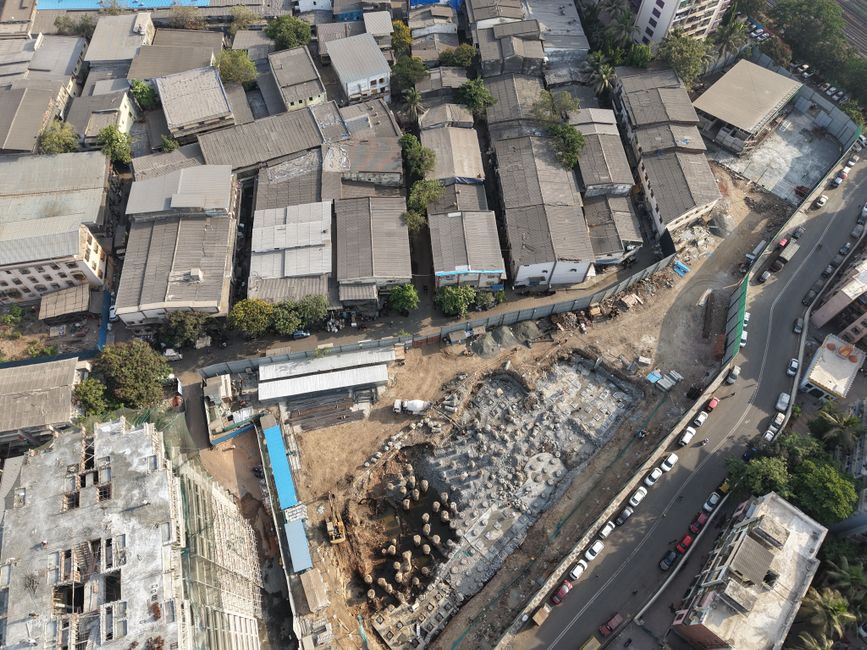
Zonal regulations in the DP 2030 designate permitted land uses, building heights, and setbacks in various zones. These regulations are designed to manage growth, protect environmental resources, and promote a balanced urban fabric. Enforcement of these regulations is critical for preventing unauthorized development and ensuring compliance with the master plan.
The spatial DNA of Amravati also reflects the influence of historical land ownership patterns and social structures. Addressing inequalities in access to land and resources is essential for promoting inclusive and equitable development. This requires innovative land management strategies and community participation in planning processes.
Amravati's historical growth has been characterized by phases of agricultural prosperity and subsequent urbanization. The city's role as a trading center for cotton and other agricultural commodities has driven its economic growth. However, this growth has also resulted in challenges such as unplanned development and environmental degradation.
Analyzing historical growth trends reveals a pattern of outward expansion, with new residential areas developing on the periphery of the city. This peri urban sprawl has resulted in increased transportation costs, infrastructure deficits, and loss of agricultural land. Addressing these challenges requires a shift towards more compact and sustainable development patterns.
Future growth scenarios for Amravati depend on various factors, including economic development, infrastructure investment, and policy interventions. A high growth scenario could see significant expansion of the city's industrial and commercial sectors, leading to increased population and demand for housing. However, a low growth scenario could result in stagnation and limited opportunities for development.
Comparing historical growth with future scenarios highlights the need for proactive planning and management. By implementing appropriate policies and investing in infrastructure, Amravati can guide its future growth in a sustainable and equitable manner. This requires a long term vision and commitment to integrated urban planning.
The city's historical dependence on agriculture also needs to be addressed through economic diversification. Promoting industrial development, tourism, and other sectors can create new opportunities for employment and economic growth. This diversification can reduce the city's vulnerability to fluctuations in agricultural prices and weather patterns.
The transition from a primarily agricultural economy to a more diversified economy requires significant investment in education and training. Equipping the workforce with the skills needed for new industries is essential for ensuring that Amravati can compete in the global economy. This investment in human capital will also contribute to improved living standards and quality of life.
The FSI/FAR regimes in Amravati vary across different zones, reflecting the city's planning objectives. Higher FSI values are typically permitted in commercial and mixed use zones, while lower FSI values are applied in residential and environmentally sensitive areas. These regulations aim to control density, promote a balanced urban fabric, and protect natural resources.
Zonal master plans provide detailed guidelines for land use, building heights, setbacks, and other development regulations within each zone. These plans are based on a comprehensive analysis of the city's physical, social, and economic characteristics. Regular review and updating of these plans is essential for ensuring that they remain relevant and effective.
Regulatory alignments between different government agencies are crucial for efficient and coordinated development. This requires clear communication and collaboration between the municipal corporation, town planning department, and other relevant agencies. Streamlining the approval process for development projects can reduce delays and costs.
The implementation of the master plan is often hampered by challenges such as land acquisition, funding constraints, and political interference. Addressing these challenges requires strong leadership, effective communication, and community participation. Building trust and consensus among stakeholders is essential for successful implementation of the plan.
The regulatory framework for urban development in Amravati also includes provisions for environmental protection. These provisions aim to minimize the environmental impact of development projects and promote sustainable practices. Enforcement of these regulations is critical for protecting the city's natural resources and ensuring a healthy environment for residents.
Effective planning and governance requires a transparent and accountable system. This includes making information about the master plan and development regulations readily available to the public. Public participation in the planning process is also essential for ensuring that the plan reflects the needs and aspirations of the community.
Amravati's infrastructure readiness is a critical factor in its ability to support future growth. Water supply, power supply, and transit systems are essential for providing basic services to residents and businesses. Deficiencies in these areas can constrain economic development and reduce quality of life.
Water supply in Amravati is primarily sourced from dams and reservoirs in the surrounding region. However, increasing demand and aging infrastructure have resulted in water shortages in some areas. Investing in new water sources, improving distribution networks, and promoting water conservation are essential for ensuring a reliable water supply.
Power supply in Amravati is generally reliable, but there are occasional outages and fluctuations in voltage. Upgrading the power grid, investing in renewable energy sources, and promoting energy efficiency can improve the reliability and sustainability of the power supply. Smart grid technologies can also help to optimize power distribution and reduce losses.
Public transportation in Amravati is primarily based on buses and auto rickshaws. However, the system is often congested and inefficient. Developing a modern and integrated public transportation system, including bus rapid transit (BRT) and metro rail, can improve mobility and reduce traffic congestion.
Arterial connectivity is crucial for efficient movement of goods and people within and around Amravati. National Highway 6 provides connectivity to major economic centers, but there are issues with congestion and road quality. Investing in road improvements, bypass roads, and ring roads can improve arterial connectivity.

The development of logistics hubs and freight corridors can also improve the efficiency of goods movement. These hubs can provide warehousing, distribution, and other services to support industrial and commercial activities. Integrating these hubs with the city's transportation network is essential for maximizing their benefits.
Institutional asset health in Amravati is reflected in the quality and accessibility of its educational and healthcare facilities. Well functioning schools, colleges, and hospitals are essential for providing quality education and healthcare services to residents. Investing in these institutions is crucial for improving social well being.
Social amenities in Amravati include parks, playgrounds, community centers, and libraries. These amenities provide opportunities for recreation, social interaction, and cultural enrichment. Increasing access to these amenities, particularly in underserved areas, can improve quality of life and promote social cohesion.
The availability of affordable housing is a critical social infrastructure issue in Amravati. Increasing demand and rising land prices have made it difficult for low income families to find affordable housing. Implementing policies to promote affordable housing development, such as incentives for developers and subsidies for buyers, is essential for addressing this challenge.
Access to quality education is a key determinant of social mobility and economic opportunity. Investing in education, particularly for disadvantaged groups, can help to reduce inequalities and improve living standards. This includes providing scholarships, improving school infrastructure, and training teachers.
Healthcare infrastructure in Amravati needs to be strengthened to meet the growing needs of the population. This includes increasing the number of hospital beds, improving access to specialized medical services, and training healthcare professionals. Promoting preventive healthcare and public health education can also improve health outcomes.
The development of social infrastructure should be integrated with the city's overall development plan. This requires coordinating investments in education, healthcare, housing, and other social amenities. Engaging communities in the planning process can ensure that these investments are aligned with local needs and priorities.
An authoritative guide on title verification in Amravati requires navigating the Maharashtra land record system. Start by accessing the relevant online portal, typically hosted by the Maharashtra government's land record department. Search for the property using details such as survey number, village name, and owner's name.
Verify the property's ownership history by examining the record of rights (ROR) document. This document provides a detailed account of all transactions related to the land, including transfers, mortgages, and encumbrances. Check for any outstanding dues or legal disputes that could affect the property's title.
Consult with a qualified legal professional to review the land records and provide an opinion on the property's title. This is particularly important for complex transactions or properties with a history of disputes. A thorough title search can help to identify any potential risks and protect the buyer's interests.
Land reconstitution, or consolidation of land holdings, can be a complex process in Amravati. It typically involves the voluntary exchange of land parcels between landowners to create more efficient and productive agricultural units. The process is governed by state laws and regulations.
The first step in land reconstitution is to obtain the consent of all landowners involved in the process. This requires clear communication and negotiation to ensure that all parties are satisfied with the proposed exchange. A formal agreement should be drafted and registered with the land record department.
A detailed survey of the land parcels is required to determine their value and boundaries. This survey should be conducted by a qualified surveyor and approved by the relevant authorities. The value of the land parcels should be determined based on market rates and other relevant factors.
AnyROR Gujarat - Land Records may provide some cross state insights but should not be taken as legally binding advice for matters within Maharashtra. Always consult official Maharashtra land record resources.
Once the land reconstitution process is complete, the new land parcels should be registered with the land record department. This will ensure that the new ownership records are accurate and up to date. The landowners should also obtain new ROR documents reflecting the changes in ownership.
The impact of industrial corridors on Amravati's economic landscape is significant. Proximity to these corridors can attract new industries, create jobs, and stimulate economic growth. However, it can also lead to increased competition for resources and environmental challenges.
The development of industrial parks and special economic zones (SEZs) within or near Amravati can further enhance its economic potential. These zones provide infrastructure, incentives, and a favorable regulatory environment for businesses. Attracting investment to these zones can create new opportunities for employment and economic growth.
Economic commuters play a crucial role in Amravati's economy. These are individuals who travel to Amravati from surrounding areas for work, education, or other purposes. Understanding the patterns and needs of these commuters is essential for planning transportation infrastructure and services.
Investing in skill development and vocational training is crucial for ensuring that Amravati's workforce is prepared for the demands of the modern economy. This includes providing training in new technologies, manufacturing processes, and service sector skills. Collaborating with industries to identify skill gaps and develop training programs can improve the employability of local residents.
Promoting entrepreneurship and small business development can also stimulate economic growth in Amravati. Providing access to finance, mentorship, and other resources can help entrepreneurs to start and grow their businesses. Supporting local businesses can create jobs and diversify the economy.
The agricultural sector remains an important part of Amravati's economy. Investing in agricultural technology, improving irrigation systems, and promoting sustainable farming practices can increase agricultural productivity and incomes. Supporting farmers can strengthen the rural economy and reduce poverty.
Price modeling for real estate in Amravati requires analyzing historical transaction data, current market conditions, and future growth prospects. Factors such as location, property type, size, and amenities influence property prices. Developing accurate price models can help investors make informed decisions.
Absorption forecasts are essential for understanding the demand for real estate in Amravati. These forecasts estimate the rate at which new properties are sold or leased in a given period. Factors such as population growth, economic development, and infrastructure improvements influence absorption rates.
Strategic ROI analysis involves evaluating the potential returns on investment for different real estate projects in Amravati. This analysis should consider factors such as acquisition costs, development costs, operating expenses, and projected rental income or sales revenue. A thorough ROI analysis can help investors identify the most profitable opportunities.
Investing in infrastructure improvements can significantly enhance the value of real estate in Amravati. New roads, public transportation systems, and utilities can improve accessibility, reduce congestion, and increase the attractiveness of properties. These improvements can lead to higher property prices and rental rates.
Developing sustainable and environmentally friendly properties can also enhance ROI. These properties are often more attractive to tenants and buyers, and they can also reduce operating costs through energy efficiency and water conservation. Investing in green building technologies can create a competitive advantage.
Gujarat Town Planning & Urban Development provides insights into best practices, though not directly applicable, can inform investment strategies regarding sustainable development.
Engaging with local communities and stakeholders is crucial for successful real estate development in Amravati. Building relationships with residents, business owners, and government officials can help to ensure that projects are aligned with local needs and priorities. This can also reduce the risk of delays and opposition.
| Metric | Value (Example) | Unit |
|---|---|---|
| Population Growth | 2.5 | % per year |
| Residential Price CAGR | 8.0 | % per year |
| Commercial Yield | 7.0 | % per annum |
Conclusion: Final Verdict.
Amravati presents a mixed bag of opportunities and challenges. While the city possesses significant growth potential driven by its strategic location and evolving economic landscape, realizing this potential requires addressing existing infrastructure deficits, streamlining regulatory processes, and promoting sustainable development practices. Investment in strategic infrastructure projects, coupled with proactive urban planning, can unlock Amravati's latent economic and social value. A key element is the strengthening and digitization of land records to facilitate quicker and more transparent property transactions. Success hinges on effective governance, community engagement, and a clear long term vision for the city's future. The city needs focused government policy to steer it to compete and keep up with other developing cities in the state.