Mh12 Junnur Development Plan & Land Investment Guide
Comprehensive technical analysis of Mh12 Junnur village in Pune, Maharashtra.
Executive Summary
Junnar, located in the Pune district of Maharashtra (MH12), presents a unique opportunity for property buyers and investors. This guide explores the location's geography, historical growth, planning regulations, infrastructure, social amenities, land records, economic drivers, and investment potential. Junnar's proximity to industrial areas and improving connectivity make it an area to watch.
Historically, Junnar has been an agricultural center. Recent developments and infrastructure upgrades are changing the landscape. This guide analyzes the current conditions and provides insights into future growth scenarios. Understanding these factors can help you make informed investment decisions.
Property investment in Junnar requires careful consideration of FSI/FAR regulations, zoning rules, and the alignment with the area's master plan. This guide simplifies these complex topics, making them easy to understand. It also provides a step by step walkthrough of how to verify land title.
Junnar's infrastructure is developing. Availability of water, power, and quality roads are essential for any property investment. This guide assesses the current state of infrastructure and highlights ongoing projects to enhance connectivity.
Access to schools, hospitals, and other social amenities affects quality of life and property value. This guide examines the availability of these facilities in Junnar and nearby areas.
The local economy of Junnar is influenced by agriculture and nearby industrial activities. This guide analyzes these economic drivers and commuter patterns to understand their impact on property values.
Understanding land price trends and conducting a strategic investment analysis is crucial. This guide provides insights into the investment outlook for Junnar, helping you assess potential returns.
Junnar: Location and City Overview
Junnar is a town situated in the northern part of the Pune district in Maharashtra. It is known for its historical significance and agricultural surroundings. The region is characterized by its undulating terrain and proximity to the Sahyadri mountain range. Junnar benefits from its strategic location, offering a blend of rural charm and access to urban amenities.
The town's location provides access to major arterial roads connecting it to Pune and other key cities. These include state highways that facilitate the movement of goods and people. Improved road connectivity is vital for the region's economic development and accessibility. The Indian government's focus on infrastructure development aims to further improve connectivity in such areas.
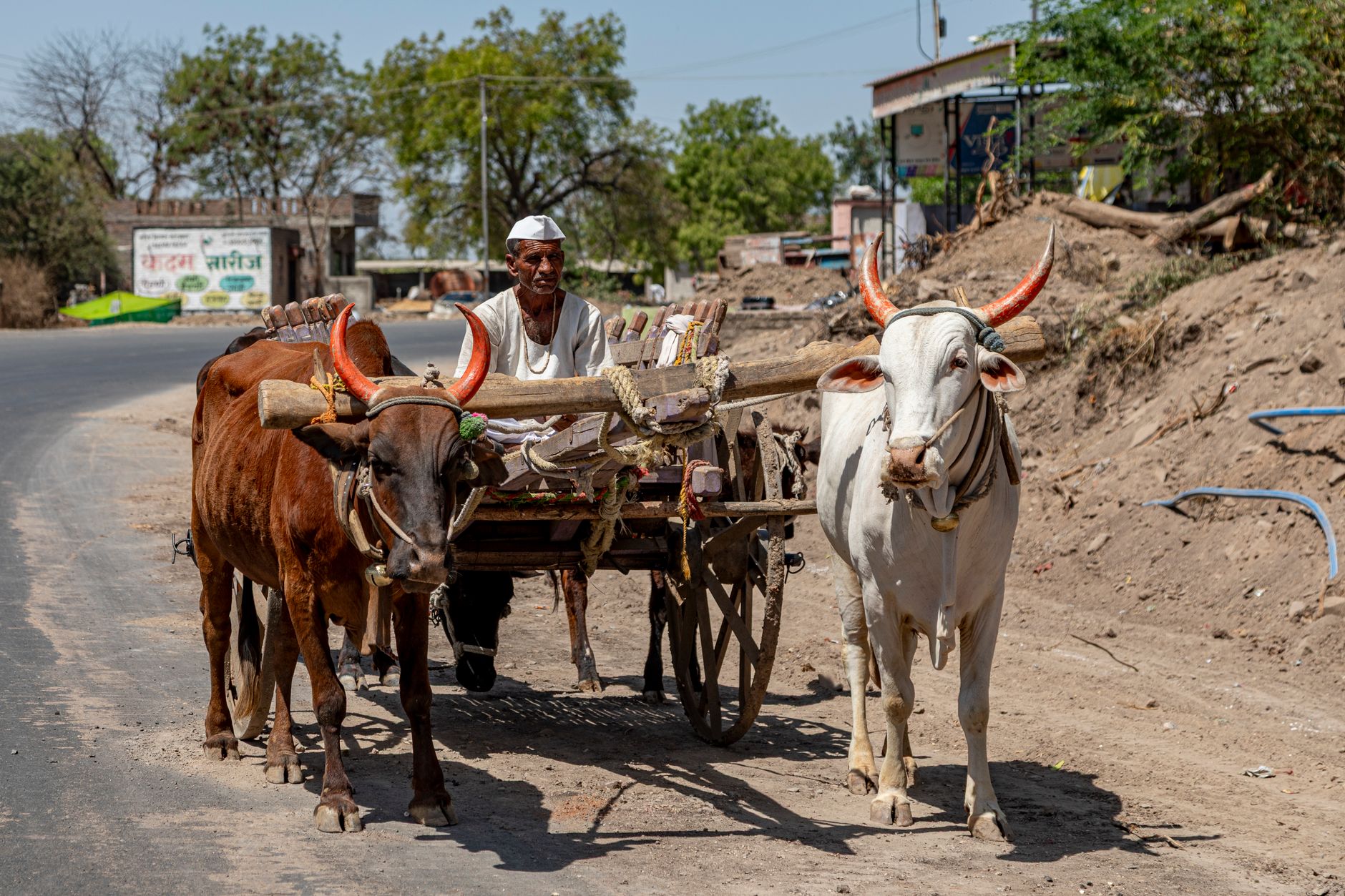
A rural Indian farmer navigating a bullock cart down a dusty road in Nashik, Maharashtra.
Zoning regulations in Junnar define land use for residential, commercial, and industrial purposes. The local governing body is responsible for implementing these regulations. These regulations shape the town's development and ensure orderly growth.
The Development Plan (DP) 2030/2040 outlines the vision for Junnar's future. The plan addresses key aspects such as land use, infrastructure development, and environmental conservation. Aligning investments with the DP is important for long term sustainability. The PM Gati Shakti plan can help align infrastructure projects with the DP. (https://pmgatishakti.gov.in/)
Junnar is located within reasonable proximity to industrial corridors in the Pune region. These corridors drive economic activity and create employment opportunities. The presence of industries has a ripple effect on the demand for housing and other services in nearby areas like Junnar.
The town is approximately 90 kilometers from Pune city. Its geographical coordinates are approximately 19.2° North latitude and 73.8° East longitude. The altitude of Junnar is around 700 meters above sea level, influencing its climate and agricultural practices.
Junnar's location offers a unique setting with its historical sites, agricultural lands, and developing infrastructure. Its strategic location and connection to industrial corridors make it a potential investment destination. Understanding these geographical and economic factors is necessary for property investment.
The area is known for its fertile soil, supporting a range of agricultural activities. The local climate is conducive to growing crops such as sugarcane, fruits, and vegetables. Agriculture forms the backbone of the local economy, providing livelihoods for a significant portion of the population.
Historical Growth vs. Future Scenarios
Junnar has historically been an agricultural center with a rich cultural heritage. The town's growth has been relatively slow compared to the rapid urbanization seen in other parts of Pune district. However, recent infrastructure developments and increasing connectivity are poised to change this trajectory.
Historically, Junnar's economy was primarily driven by agriculture. The presence of historical sites and temples also contributed to local tourism. However, the lack of significant industrial activity limited economic growth. The Digital India Land Records Modernization Programme is aiming to digitize land records. (https://dolr.gov.in/)
Future growth scenarios for Junnar depend on several factors. These include the pace of infrastructure development, industrial expansion in nearby areas, and government policies. Increased investment in roads, railways, and other infrastructure will enhance connectivity and attract businesses.
One possible scenario involves Junnar transforming into a peri urban area, serving as a residential hub for people working in nearby industrial zones. This scenario would require significant investment in housing, transportation, and social infrastructure. Another scenario involves Junnar remaining primarily an agricultural center, with limited urbanization. This scenario would require a focus on improving agricultural productivity and promoting rural tourism.
Expert Land Analysis
Unlock deep insights with our interactive map layers.
Analyzing the potential impact of various factors supports understanding future growth scenarios. This analysis should consider both positive and negative factors, such as environmental concerns and social equity. A balanced approach to development is needed to ensure sustainable growth.
To assess the likelihood of different scenarios, it is crucial to monitor key indicators. These indicators include population growth, employment rates, infrastructure investment, and land prices. Tracking these indicators will provide insights into the direction of Junnar's growth.
The development plan for Junnar influences shaping its future. The plan outlines the vision for the town's development, including land use, infrastructure, and environmental conservation. Aligning investments with the development plan is important for achieving sustainable growth.
The NITI Aayog's initiatives on sustainable urban development can provide guidance for Junnar's growth. (https://niti.gov.in/) These initiatives focus on promoting environmentally friendly and socially inclusive development practices. Adopting these practices can help Junnar achieve its full potential while preserving its unique character.
Compared to other regions in Pune district, Junnar's growth has been slower. However, recent developments suggest that the town is on the cusp of change. By understanding the historical context and future scenarios, investors can make informed decisions.
FSI/FAR Regulations, Zoning Rules, and Master Plan Alignment
Understanding Floor Space Index (FSI) or Floor Area Ratio (FAR) regulations is vital for property development. FSI/FAR determines the maximum permissible construction area on a plot of land. These regulations are set by the local governing body to manage urban density.
FSI/FAR values vary depending on the zone, such as residential, commercial, or industrial. Higher FSI/FAR values allow for more construction on a given plot. In Junnar, specific FSI/FAR values are outlined in the town's development plan.
Zoning regulations define the permissible use of land in different areas. These regulations specify whether land can be used for residential, commercial, industrial, or agricultural purposes. Zoning rules aim to prevent incompatible land uses from being located in close proximity.
The Junnar master plan provides a long term vision for the town's development. The plan addresses key aspects such as land use, infrastructure, and environmental conservation. Aligning property investments with the master plan matters for long term sustainability.
The local governing body is responsible for enforcing FSI/FAR regulations and zoning rules. Violations of these regulations can result in penalties and legal action. It is important to obtain necessary permits and approvals before commencing any construction activity.
To ensure compliance, property buyers and investors should consult with local authorities. This consultation will clarify the applicable regulations and requirements. It is also advisable to engage with qualified architects and engineers.
The Ministry of Housing and Urban Affairs provides guidelines on urban planning and governance. (https://mohua.gov.in/) These guidelines can help local authorities improve the effectiveness of their planning and regulatory processes. Adhering to these guidelines promotes orderly and sustainable urban development.
Alignment with the master plan is important for accessing government funding and infrastructure support. Projects that are aligned with the master plan are more likely to receive approvals and resources. This alignment ensures that development contributes to the overall vision for the town.
Understanding the FSI/FAR regulations, zoning rules, and master plan alignment is critical for property investment in Junnar. This knowledge enables informed decision making and minimizes the risk of legal complications. It also ensures that development contributes to the town's sustainable growth.
Zoning rules also dictate building height restrictions, setbacks, and parking requirements. These rules aim to ensure adequate light, ventilation, and open space. They also promote pedestrian safety and traffic management.
Physical Infrastructure and Connectivity
Adequate physical infrastructure is needed for supporting economic activity and improving quality of life. Key components of physical infrastructure include water supply, power supply, and transportation networks. The availability and reliability of these services directly impact property values and investment potential.
Water supply in Junnar is primarily sourced from local rivers and groundwater. The local governing body is responsible for managing the water supply and ensuring its availability to residents and businesses. Investments in water treatment and distribution infrastructure are needed to meet growing demand.
Power supply in Junnar is provided by the Maharashtra State Electricity Distribution Company Limited (MSEDCL). The company is responsible for generating, transmitting, and distributing electricity to consumers. Reliable power supply is important for supporting industries and businesses.
A tranquil rural road surrounded by greenery and power lines in Mulshi, India.
Transportation networks in Junnar include roads, railways, and airports. The town is connected to major cities by state highways. The nearest railway station is located in a nearby town, requiring road transport for connectivity.
Improving road connectivity is a priority for the local government. Ongoing projects aim to widen existing roads and construct new ones. These projects will improve access to markets, employment centers, and other essential services.
Real-Time Planning Data
See official DP/TP layers and land records instantly.
The PM Gati Shakti plan aims to improve infrastructure coordination and reduce project delays. (https://pmgatishakti.gov.in/) This initiative can help accelerate infrastructure development in Junnar and surrounding areas. Better coordination between different government agencies will streamline the project approval process.
Connectivity to major cities is important for attracting investment and promoting economic growth. Improved connectivity reduces transportation costs and travel time. This makes Junnar a more attractive location for businesses and residents.
The availability of reliable infrastructure services is a key consideration for property buyers and investors. Properties with access to water, power, and transportation networks are more valuable. Investing in areas with planned infrastructure upgrades can yield significant returns.
The local government is working to improve infrastructure services in Junnar. These efforts include upgrading water treatment plants, expanding power distribution networks, and constructing new roads. These improvements will enhance the town's attractiveness as an investment destination.
Compared to other regions in Pune district, Junnar's infrastructure is still developing. However, ongoing projects and government initiatives are expected to improve the situation in the coming years. Monitoring infrastructure development significantly affects making informed investment decisions.
Social Infrastructure and Amenities
Social infrastructure refers to the facilities and services that support the well being of a community. Key components of social infrastructure include schools, hospitals, and recreational amenities. The availability of these facilities directly impacts the quality of life and property values.
Junnar has a number of schools catering to different levels of education. These include primary schools, secondary schools, and higher secondary schools. The quality of education varies among schools, with some offering better facilities and resources.
Access to quality healthcare is necessary for the well being of residents. Junnar has a government hospital and several private clinics. These facilities provide basic medical services, but specialized care may require travel to nearby cities.
Recreational amenities in Junnar include parks, playgrounds, and sports facilities. These amenities provide opportunities for leisure and physical activity. The local government is working to improve and expand recreational facilities.
The availability of social amenities influences property values and rental rates. Properties located near schools, hospitals, and parks tend to be more desirable. Investing in areas with good social infrastructure can yield higher returns.
The local government is responsible for planning and developing social infrastructure. This includes constructing new schools, upgrading hospitals, and creating recreational spaces. Public private partnerships can play a role in financing and managing social infrastructure projects.
Community centers and libraries provide valuable resources for residents. These facilities offer access to information, education, and social interaction. Supporting community centers and libraries can strengthen social cohesion and promote civic engagement.
Compared to larger cities, Junnar's social infrastructure is still developing. However, the town has a number of essential facilities and services. Ongoing efforts to improve social infrastructure will enhance the quality of life for residents.
Investing in social infrastructure can have a positive impact on the local economy. Good schools and hospitals attract skilled workers and businesses. This creates a virtuous cycle of economic growth and social development.
Property buyers and investors should consider the availability of social amenities when making decisions. Access to quality education, healthcare, and recreation is important for attracting tenants and maintaining property values. Investing in areas with strong social infrastructure is a smart long term strategy.
Local NGOs and community organizations play a vital role in supplementing government efforts. These organizations provide services such as childcare, elder care, and vocational training. Supporting these organizations can strengthen the social fabric of the community.
Land Records: Title Verification
Verifying land title is a crucial step in any property transaction. It ensures that the seller has clear ownership of the property. This process minimizes the risk of disputes and legal complications. The Digital India Land Records Modernization Programme is a key initiative. (https://dolr.gov.in/)
The first step in title verification is to obtain copies of the relevant land records. These records include the sale deed, property tax receipts, and encumbrance certificate. These documents provide information about the property's ownership history and any outstanding liabilities.
The sale deed is the most important document for verifying title. It shows the transfer of ownership from the previous owner to the current owner. The deed should be registered with the local sub registrar's office.
Property tax receipts confirm that the property taxes are paid up to date. Unpaid property taxes can create a lien on the property. It is important to ensure that there are no outstanding tax dues.
An encumbrance certificate reveals any registered encumbrances on the property. These encumbrances can include mortgages, liens, and court orders. A clear encumbrance certificate indicates that the property is free from any such liabilities.
You can obtain land records from the local land revenue department or the sub registrar's office. Many states have also digitized their land records, making them accessible online. Online access can save time and effort.
It is advisable to engage a lawyer to conduct a thorough title search. A lawyer can examine the land records and identify any potential issues. A lawyer can also provide legal advice on the validity of the title.
A public notice can be published in a local newspaper to invite claims or objections to the property title. This notice can help uncover any hidden disputes or claims. The notice should clearly describe the property and the proposed transaction.
Land records should be cross referenced with physical surveys of the property. This comparison ensures that the land records accurately reflect the boundaries and dimensions of the property. Discrepancies between the land records and physical surveys can indicate potential problems.
Title insurance provides protection against losses arising from title defects. Title insurance companies conduct their own title searches and provide coverage for any undiscovered issues. This insurance can provide peace of mind and financial security.
Understanding the process of title verification supports protecting your investment. Taking the necessary steps to verify title can prevent costly legal battles and financial losses. It is always best to err on the side of caution and seek professional advice.
Land disputes are common in India, highlighting the importance of thorough due diligence. Clear and marketable title is needed for obtaining financing and selling the property in the future. A clean title ensures that you have full ownership rights and can use the property without any restrictions.
Local Economy and Nearby Industries
The local economy of Junnar is primarily driven by agriculture. The region is known for its fertile soil and favorable climate, which supports the cultivation of various crops. Agriculture provides livelihoods for a significant portion of the population.
Nearby industries also play a role in the local economy. The Pune region is a major industrial hub, with a concentration of manufacturing, IT, and automotive industries. These industries create employment opportunities and drive demand for goods and services in surrounding areas.
Commuter patterns influence the economic dynamics of Junnar. Many residents commute to Pune and other industrial areas for work. This commuting pattern affects the demand for housing and transportation in Junnar.
The presence of industries in nearby areas has a ripple effect on the local economy. These industries create demand for local businesses, such as restaurants, shops, and service providers. They also contribute to the local tax base.
The Maharashtra Industrial Development Corporation (MIDC) plays a role in promoting industrial development in the region. MIDC provides land, infrastructure, and incentives for businesses to set up operations. MIDC's initiatives can attract investment and create jobs in Junnar and surrounding areas.
The local government is working to diversify the economy and reduce reliance on agriculture. This includes promoting tourism, supporting small scale industries, and attracting investment in other sectors. Diversification can create more sustainable and resilient local economy.
Investing in education and skills development is important for preparing the workforce for future job opportunities. Vocational training programs can equip residents with the skills needed to work in local industries. This investment can improve employment rates and incomes.
Tourism has the potential to contribute to the local economy. Junnar is known for its historical sites, temples, and natural beauty. Promoting tourism can create jobs and generate revenue for local businesses.
The development of infrastructure, such as roads and transportation, matters for supporting economic growth. Improved infrastructure reduces transportation costs and improves access to markets. This makes Junnar a more attractive location for businesses and investors.
Compared to more urbanized areas, Junnar's economy is still developing. However, the town has a number of strengths, including its agricultural base, proximity to industrial areas, and tourism potential. By leveraging these strengths, Junnar can achieve sustainable economic growth.
Small and medium enterprises (SMEs) play a vital role in the local economy. These businesses create jobs, generate income, and contribute to the local tax base. Supporting SMEs through access to financing, training, and mentorship can boost economic growth.
Land Price Trends and Investment Outlook
Understanding land price trends is necessary for making informed investment decisions. Land prices in Junnar have generally been increasing in recent years, driven by factors such as infrastructure development and increasing demand. Analyzing historical data can provide insights into future trends.
Several factors influence land prices in Junnar. These include location, accessibility, zoning regulations, and the availability of infrastructure. Properties located near major roads, schools, and hospitals tend to be more valuable.
The investment outlook for Junnar is generally positive, driven by the region's growth potential. Improved connectivity, industrial development in nearby areas, and government initiatives are expected to boost demand for land. However, it is important to conduct thorough due diligence before investing.
A strategic investment analysis should consider several factors. These include the potential for capital appreciation, rental income, and the risk of vacancy. A well planned investment strategy can maximize returns and minimize risks.
Land prices in Junnar are relatively affordable compared to more urbanized areas in Pune district. This affordability makes Junnar an attractive option for first time investors and those seeking long term growth. However, it is important to be aware of the risks involved.
The potential for capital appreciation is a key driver of investment returns. Land prices in Junnar are expected to appreciate as the region develops and becomes more urbanized. Investing early can capture the benefits of this appreciation.
Rental income can provide a steady stream of cash flow. The demand for rental properties in Junnar is expected to increase as more people move to the area for work and other opportunities. Investing in rental properties can generate a reliable income stream.
The risks of investing in land include market volatility, regulatory changes, and environmental concerns. It is important to be aware of these risks and take steps to mitigate them. Diversifying your investment portfolio can reduce overall risk.
Conducting a thorough market analysis is crucial before investing in land. This analysis should include researching land prices, zoning regulations, and future development plans. A well informed investment decision can increase the chances of success.
Compared to other investment options, land offers the potential for high returns. However, it also involves higher risks. It is important to carefully weigh the potential benefits and risks before investing.
Government policies and initiatives can impact land prices and investment returns. Changes in zoning regulations, infrastructure development plans, and tax policies can affect the value of land. Staying informed about these policies supports making sound investment decisions.
Conclusion
Junnar presents a promising opportunity for property buyers and investors. Its strategic location, developing infrastructure, and proximity to industrial areas make it an area with significant growth potential. However, careful consideration of factors like FSI/FAR regulations, zoning rules, and thorough land record verification are crucial. By understanding the local economy, infrastructure developments, and land price trends, investors can make informed decisions and capitalize on Junnar's growth trajectory. The development of social amenities also plays a key role in the region's appeal.