Ambli Dholera Encyclopedia: Technical Planning & Investment Reference
Executive Summary:
Ambli Dholera, located near Ahmedabad, Gujarat, represents a strategically important peri urban growth node influenced by the Delhi Mumbai Industrial Corridor (DMIC) and the broader developmental impact of Dholera Special Investment Region (DSIR). This encyclopedia provides a comprehensive analysis of its spatial planning, historical growth, governance framework, infrastructure readiness, socioeconomic landscape, land records management, economic drivers, and investment potential. The area is undergoing significant transformation driven by planned urbanization and industrial development. Understanding these dynamics is crucial for informed decision making by planners, investors, and policymakers.
15 Strategic KPI Bullets:
- Town Planning Scheme Implementation Progress
- FSI / FAR Regimes & Compliance Rates
- Historical Population Growth Rate (Last 10 Years)
- Projected Population Growth Rate (Next 10 Years)
- Water Supply Infrastructure Capacity & Utilization
- Power Grid Capacity & Reliability
- Road Network Connectivity & Traffic Volume
- Availability of Social Infrastructure (Schools, Hospitals)
- Land Title Clarity & Encumbrance Rates
- Industrial Land Allocation & Occupancy Rates
- Commercial Real Estate Absorption Rate
- Residential Property Price Appreciation (Annual)
- Investment Returns (ROI) for Different Asset Classes
- Regulatory Compliance & Approval Timelines
- Environmental Impact Assessment (EIA) Status
Ambli Dholera, situated in close proximity to Ahmedabad, serves as a crucial transitional zone between the established urban core and the emerging industrial region of Dholera. Its geographical coordinates place it within a region characterized by mixed agricultural land use gradually giving way to residential and commercial development. The pedological profile suggests fertile soil conditions which historically supported agriculture. This is shifting towards a landscape dominated by planned residential areas and associated infrastructure.
The Town Planning Scheme (TPS) for Ambli Dholera is a critical instrument for guiding its orderly development. The TPS involves land pooling and reconstitution, consolidating fragmented land parcels into planned layouts. This allows for efficient provision of infrastructure and amenities, crucial for sustainable urban growth. The scheme aims to transform the area from a predominantly agricultural landscape to a well planned residential and commercial hub supporting the employment and residential needs associated with nearby industrial development.
Plot reconstitution is a core element of the TPS process. Existing landowners contribute their land to the scheme and receive reconstituted plots in the developed layout, often with enhanced value due to improved infrastructure and accessibility. The process involves meticulous surveying, valuation, and negotiation to ensure equitable distribution of benefits among landowners. This process can be complex and time consuming, requiring active participation from landowners and strong coordination from planning authorities.
FSI/FAR (Floor Space Index/Floor Area Ratio) regulations within the TPS define the permissible building density on each plot. The FSI/FAR values vary based on the intended land use (residential, commercial, industrial) and the plot size. Higher FSI/FAR values are typically permitted along major arterial roads and in designated commercial zones to encourage efficient land utilization. These regulations are crucial in shaping the built environment and preventing uncontrolled urban sprawl.
Infrastructure provision is an integral part of the TPS. The scheme mandates the development of essential infrastructure such as roads, water supply networks, sewerage systems, and stormwater drainage. This infrastructure is funded through the sale of reconstituted plots or through contributions from landowners. The quality and reliability of this infrastructure are essential for the liveability and sustainability of the area.
The spatial DNA of Ambli Dholera is evolving rapidly. Historically, the area was characterized by dispersed rural settlements and agricultural fields. The implementation of the TPS and the proximity to Ahmedabad are transforming it into a well structured urban extension with distinct residential, commercial, and industrial zones. This evolving spatial DNA requires careful planning and management to ensure a balanced and sustainable urban environment. Understanding the spatial DNA and its evolution is crucial for effective planning and investment decisions. The integration of green spaces and recreational areas is also an important consideration in shaping the future spatial DNA of Ambli Dholera.

The historical growth of Ambli Dholera has been relatively slow until recent years, primarily characterized by agricultural activities and small rural settlements. The area served as a hinterland for Ahmedabad, providing agricultural produce and labor. Population growth was limited, and infrastructure development was minimal. This historical pattern is now undergoing a dramatic shift due to the influence of Ahmedabad's expansion and the development of the Dholera Special Investment Region (DSIR).
The establishment of the Delhi Mumbai Industrial Corridor (DMIC) and the associated infrastructure projects have significantly impacted the growth trajectory of Ambli Dholera. The improved connectivity and accessibility have attracted real estate developers and investors, leading to a surge in residential and commercial development. This rapid transformation presents both opportunities and challenges for the local community and planning authorities.
Comparing historical growth trends with future scenarios reveals a stark contrast. In the past, growth was organic and incremental. In the future, growth is expected to be planned and accelerated, driven by government policies and private investment. This shift requires proactive planning and management to mitigate potential negative impacts such as environmental degradation, social displacement, and infrastructure strain.
Future scenarios for Ambli Dholera envision a well planned urban extension of Ahmedabad, catering to the residential and commercial needs of the growing population. The area is expected to attract a mix of residents, including those working in Ahmedabad and those employed in the industries within the DSIR. This diverse population will require a range of housing options, social amenities, and employment opportunities.
However, these growth projections are contingent on several factors, including the timely implementation of infrastructure projects, the effective enforcement of planning regulations, and the successful attraction of investment. Delays in infrastructure development or lax enforcement of regulations could hinder growth and lead to undesirable outcomes such as unplanned sprawl and environmental degradation. Careful monitoring and adaptive planning are essential to ensure that Ambli Dholera achieves its full potential as a sustainable and thriving urban center. The impact of climate change and the need for resilient infrastructure are also important considerations in shaping future growth scenarios.
The planning and governance framework for Ambli Dholera is shaped by a multi layered system of regulations and authorities. The Gujarat Town Planning and Urban Development Act provides the legal basis for planning and development control. The Ahmedabad Urban Development Authority (AUDA) is responsible for preparing and implementing the zonal development plan for the area. This plan defines the broad land use categories and sets out the overall vision for the future development of Ambli Dholera.
FSI/FAR (Floor Space Index/Floor Area Ratio) regimes play a crucial role in regulating building density and land utilization. The permissible FSI/FAR values vary based on the land use zone and the plot size, as defined in the zonal development plan. Higher FSI/FAR values are typically permitted in commercial zones and along major transportation corridors to encourage efficient land use and maximize economic activity. The FSI/FAR regulations are periodically reviewed and updated to reflect changing market conditions and planning priorities.
Zonal master plans provide a more detailed blueprint for development within specific zones. These plans specify the permissible building heights, setbacks, and parking requirements, as well as the location of public amenities such as parks, schools, and hospitals. The zonal master plans are prepared in consultation with local communities and stakeholders to ensure that development is aligned with local needs and aspirations.
Regulatory alignments are essential for ensuring consistent and coordinated development across different jurisdictions. This involves harmonizing planning regulations, building codes, and environmental standards. The Gujarat government has taken steps to promote regulatory alignment through the establishment of inter departmental committees and the development of common standards.
The effectiveness of the planning and governance framework depends on several factors, including the capacity of the planning authorities, the transparency of the decision making process, and the enforcement of regulations. Strong leadership, technical expertise, and community participation are essential for ensuring that Ambli Dholera develops in a sustainable and equitable manner. Regular monitoring and evaluation of the planning framework are necessary to identify areas for improvement and adapt to changing circumstances. The integration of technology and data analytics can also enhance the effectiveness of planning and governance. [AUTHORITY: Gujarat Town Planning & Urban Development]
Infrastructure readiness is a critical factor determining the success of Ambli Dholera's development. The availability of reliable water supply, power, and transportation networks is essential for attracting investment and supporting a growing population. Deficiencies in infrastructure can hinder development and undermine the quality of life for residents.
Water supply infrastructure needs to be expanded to meet the increasing demand from residential, commercial, and industrial users. This requires investments in water treatment plants, transmission pipelines, and distribution networks. The reliance on groundwater resources needs to be carefully managed to prevent depletion and ensure long term sustainability. Water conservation measures and the promotion of rainwater harvesting are also important strategies for managing water resources.
Power infrastructure needs to be upgraded to provide a reliable and affordable supply of electricity. This requires investments in power generation capacity, transmission lines, and distribution substations. The integration of renewable energy sources such as solar and wind power can enhance the sustainability of the power supply. Smart grid technologies can improve the efficiency and reliability of the power network.
Transit infrastructure needs to be developed to provide efficient and affordable transportation options for residents and commuters. This includes the development of bus rapid transit (BRT) systems, metro rail lines, and improved road networks. The promotion of non motorized transportation such as cycling and walking can also reduce traffic congestion and improve air quality. Integration of transit systems with surrounding areas is crucial.
Arterial connectivity is essential for linking Ambli Dholera to Ahmedabad and other key economic centers. The existing road network needs to be upgraded and expanded to accommodate the increasing traffic volume. The development of expressways and bypasses can reduce travel times and improve connectivity. The implementation of intelligent transportation systems (ITS) can improve traffic flow and reduce congestion.
Addressing infrastructure deficits requires a coordinated effort from government agencies, private developers, and utility companies. Public private partnerships (PPPs) can be an effective mechanism for financing and delivering infrastructure projects. Effective planning, transparent procurement processes, and strong regulatory oversight are essential for ensuring the success of PPPs. [AUTHORITY: Gujarat Industrial Development Corporation (GIDC)]
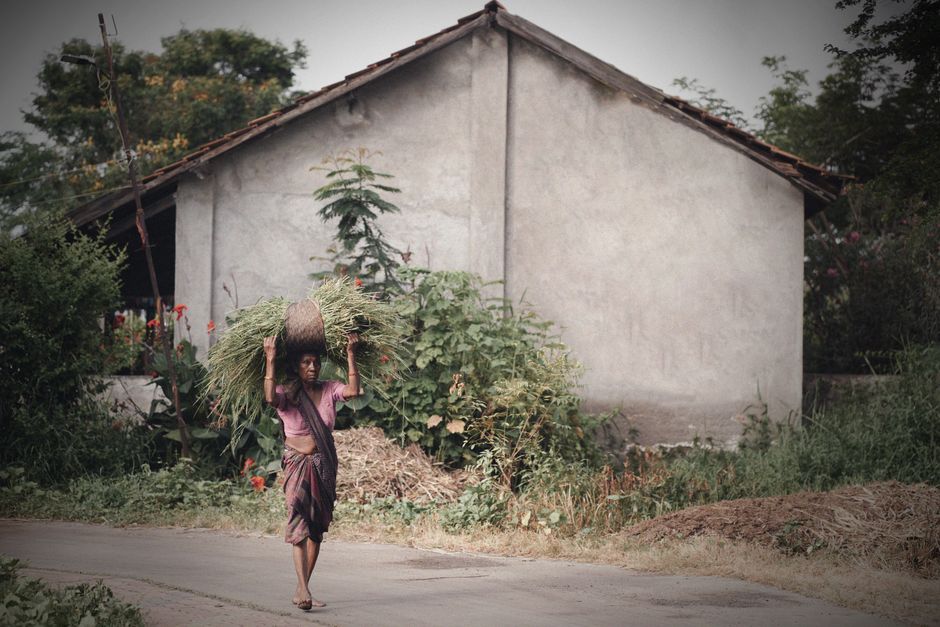
The availability of adequate social infrastructure is essential for creating a livable and sustainable community in Ambli Dholera. This includes schools, hospitals, healthcare facilities, recreational areas, and community centers. The quality and accessibility of these amenities play a crucial role in attracting and retaining residents.
Institutional asset health refers to the condition and performance of existing social infrastructure assets. This includes assessing the physical condition of buildings, the availability of equipment and resources, and the quality of services provided. Regular maintenance, upgrades, and expansion of social infrastructure assets are necessary to ensure that they continue to meet the needs of the community.
Schools need to be established to provide quality education for children of all ages. This requires investments in school buildings, teaching staff, and educational resources. The curriculum should be designed to prepare students for the challenges and opportunities of the 21st century. Access to quality education is essential for promoting social mobility and economic development.
Healthcare facilities need to be developed to provide accessible and affordable healthcare services. This includes hospitals, clinics, and primary healthcare centers. The availability of specialized medical services and emergency care is crucial for protecting the health and well being of the community. Public health programs and initiatives can promote preventive healthcare and improve overall health outcomes.
Social amenities such as parks, playgrounds, and community centers provide opportunities for recreation, social interaction, and community engagement. These amenities enhance the quality of life for residents and promote social cohesion. The design and location of social amenities should be carefully considered to ensure that they are accessible to all residents and meet their diverse needs. The creation of green spaces and recreational areas is an important element of sustainable urban development.
Planning for social infrastructure requires a collaborative approach involving government agencies, community organizations, and private developers. Community needs assessments can identify gaps in social infrastructure and inform investment decisions. The participation of local residents in the planning process is essential for ensuring that social infrastructure meets their needs and aspirations.
Land records management is a critical aspect of urban development and investment in Ambli Dholera. Accurate and up to date land records are essential for ensuring clarity of title, facilitating land transactions, and preventing disputes. A robust land records system promotes transparency, reduces risk, and enhances investor confidence.
Title verification is the process of examining land records to determine the legal ownership of a property and identify any encumbrances such as mortgages, liens, or easements. This process typically involves searching the records maintained by the land registry or revenue department. Thorough title verification is essential before purchasing or investing in land.
The process of title verification in Gujarat typically involves several steps. First, the prospective buyer or investor obtains the survey number or plot number of the property. Then, they apply to the land registry or revenue department for a copy of the land record, known as the Record of Rights (ROR) or 7/12 extract. The ROR provides information about the ownership of the land, the area, the survey number, and any encumbrances. [AUTHORITY: AnyROR Gujarat - Land Records]
Land reconstitution, as part of the Town Planning Scheme (TPS), involves the consolidation of fragmented land parcels into planned layouts and the redistribution of land among the original landowners. This process aims to create more efficient and usable land parcels for development. Land reconstitution can significantly enhance the value of land by providing access to infrastructure and amenities.
The steps involved in land reconstitution typically include notification of the TPS, survey and valuation of existing land parcels, preparation of a draft scheme showing the proposed layout and distribution of land, and approval of the scheme by the planning authority. Landowners are given an opportunity to object to the draft scheme and propose modifications. Once the scheme is approved, the land is reconstituted according to the plan.
The process of transferring land titles after reconstitution involves updating the land records to reflect the new ownership and boundaries. This requires filing the necessary documents with the land registry and paying the applicable fees. The new land records provide clear and unambiguous evidence of ownership, facilitating future transactions and development.
Ensuring the integrity and accuracy of land records requires ongoing efforts to modernize and digitize the system. The Gujarat government has implemented various initiatives to improve land records management, including the digitization of land records, the introduction of online land record portals, and the establishment of land record management information systems. These initiatives enhance transparency, reduce processing times, and improve the overall efficiency of the land records system.
The economic engine driving development in Ambli Dholera is multifaceted, primarily fueled by the Delhi Mumbai Industrial Corridor (DMIC) and the proximity to Ahmedabad. The DMIC is a large scale infrastructure and industrial development project that aims to create a high growth economic zone along the Delhi Mumbai corridor. Ambli Dholera, strategically located within this corridor, benefits from improved connectivity, infrastructure, and access to markets.
The impact of the industrial corridor is evident in the increasing demand for land for industrial, commercial, and residential development. Businesses are attracted to the area due to its strategic location, availability of infrastructure, and proximity to skilled labor. This increased demand is driving up land values and creating opportunities for real estate development.
The economic commuters in Ambli Dholera consist of both residents and workers. Many residents commute to Ahmedabad for employment, education, and healthcare. Workers from other parts of Gujarat and India are also attracted to the area for employment opportunities in the industrial and commercial sectors. This influx of workers is driving demand for housing, transportation, and other services.
The development of industries in Ambli Dholera is creating new employment opportunities for local residents. This includes jobs in manufacturing, construction, transportation, and services. The provision of skills training and education programs can help local residents acquire the skills needed to fill these jobs. The diversification of the local economy is essential for ensuring long term economic sustainability.
The growth of the local economy is also generating increased tax revenues for the local government. These revenues can be used to fund infrastructure improvements, social services, and other public amenities. Effective financial management and transparent budgeting are essential for ensuring that these revenues are used to benefit the community. The development of a diversified and resilient local economy is crucial for the long term prosperity of Ambli Dholera.
Investment in Ambli Dholera presents significant opportunities but requires careful analysis and strategic planning. Price modeling, absorption forecasts, and ROI analysis are essential tools for evaluating investment potential and managing risk.
Price modeling involves analyzing historical property prices, market trends, and economic indicators to predict future price movements. This can help investors identify undervalued properties and make informed investment decisions. Factors such as location, infrastructure, and amenities can significantly impact property prices. Regression analysis and other statistical techniques can be used to develop price models.
Absorption forecasts estimate the rate at which properties will be sold or leased in a given market. This helps investors assess the demand for different types of properties and plan their investments accordingly. Factors such as population growth, employment rates, and interest rates can influence absorption rates. Market research and surveys can provide valuable data for developing absorption forecasts.
ROI (Return on Investment) analysis measures the profitability of an investment. This involves calculating the expected returns from an investment and comparing them to the initial investment cost. ROI analysis helps investors evaluate the financial viability of different investment opportunities and allocate their capital efficiently. Factors such as rental income, capital appreciation, and operating expenses need to be considered in ROI analysis.
Strategic ROI analysis involves considering not only the financial returns but also the social and environmental impacts of an investment. This includes assessing the potential benefits for the local community, such as job creation, improved infrastructure, and enhanced social services. Sustainable investments that generate positive social and environmental outcomes can provide higher long term returns and enhance the reputation of the investor.
Real estate investment in Ambli Dholera offers potential for high returns due to the rapid development and strategic location. However, investors need to be aware of the risks involved, such as market volatility, regulatory changes, and infrastructure delays. Conducting thorough due diligence, developing realistic financial projections, and implementing effective risk management strategies are essential for maximizing ROI and ensuring the success of investments in Ambli Dholera.
The development of industrial parks and special economic zones (SEZs) in the area offers opportunities for investors in manufacturing, logistics, and other industrial sectors. The availability of incentives and infrastructure support can enhance the profitability of these investments. The development of residential and commercial properties to cater to the growing population also presents attractive investment opportunities. Careful planning, market research, and risk management are essential for success in these sectors.
Conclusion: Final Verdict
Ambli Dholera stands at a pivotal juncture. Its proximity to Ahmedabad coupled with the impetus from DMIC and DSIR positions it for significant growth. However, realizing its potential hinges on proactive and integrated planning, robust infrastructure development, transparent governance, and strategic investment. While the opportunities are substantial, so are the challenges. Sustainable and equitable development requires a holistic approach that balances economic growth with social and environmental considerations. Investors and policymakers must work collaboratively to ensure that Ambli Dholera becomes a thriving and sustainable urban center. The key is to move beyond mere development and towards responsible, resilient growth.