Chharodi- Tragad TP Scheme No.36 - Town Planning Scheme & Final Plot Numbers
Chharodi Tragad Encyclopedia: Technical Planning & Investment Reference
Executive Summary:
Chharodi and Tragad, located in the Ahmedabad district of Gujarat, are experiencing rapid urbanization due to their proximity to the city and industrial growth corridors. This encyclopedia provides a comprehensive overview of the region, covering its spatial characteristics, historical development, planning regulations, infrastructure, social amenities, land records, economic drivers, and investment potential. The analysis is designed to assist planners, developers, investors, and policymakers in understanding the dynamics of this evolving area and making informed decisions.
15 Strategic KPI Bullets:
- Land Use Conversion Rate: Monitoring the shift from agricultural to non agricultural land.
- FSI/FAR Utilization: Assessing the intensity of development based on permissible floor space index/floor area ratio.
- Infrastructure Capacity Utilization: Evaluating the load on existing water, power, and transportation networks.
- Connectivity Index: Measuring accessibility to major arterial roads and transportation hubs.
- Social Infrastructure Index: Quantifying the availability of schools, hospitals, and recreational facilities.
- Land Title Clarity Rate: Determining the percentage of clear and marketable land titles.
- Industrial Output Growth: Tracking the economic contribution of industries in the vicinity.
- Employment Generation: Measuring the number of jobs created in the region.
- Property Price Appreciation: Analyzing the rate of increase in land and property values.
- Rental Yield: Assessing the return on investment from rental properties.
- Vacancy Rate: Determining the percentage of unoccupied residential and commercial spaces.
- Project Approval Timelines: Measuring the efficiency of the regulatory approval process.
- Construction Cost Index: Tracking the cost of building materials and labor.
- Environmental Impact Assessment Score: Evaluating the environmental sustainability of development projects.
- Citizen Satisfaction Index: Measuring the satisfaction of residents with the quality of life.
Chharodi and Tragad are located in the rapidly developing western periphery of Ahmedabad. Geographically, the area is characterized by relatively flat terrain with a pedological profile primarily consisting of alluvial soil, suitable for agriculture but requiring engineered solutions for large scale construction. The proximity to the Sarkhej Gandhinagar Highway (SG Highway) is a critical factor driving its urbanization.
These villages are now experiencing significant land use transformation driven by residential, commercial, and industrial developments. The existing Town Planning Scheme (TPS) plays a vital role in guiding this transformation.

Town Planning Schemes are legal instruments used in Gujarat to systematically develop land. These schemes involve plot reconstitution, where existing land parcels are reconfigured to create planned layouts with roads, infrastructure, and public amenities. Landowners contribute a portion of their land for these common purposes, and in return, they receive reconstituted plots with enhanced value.
The Chharodi Tragad TPS is designed to ensure orderly development and prevent haphazard urbanization. The scheme specifies permissible Floor Space Index (FSI)/Floor Area Ratio (FAR) regulations, which determine the amount of built up area allowed on a plot. Higher FSI/FAR values are typically permitted along major roads and in designated commercial zones.
Infrastructure provision is a key component of the TPS. The scheme mandates the development of roads, water supply networks, sewerage systems, stormwater drainage, and street lighting. These infrastructure elements are crucial for supporting the growing population and economic activities in the area.
The spatial DNA of Chharodi Tragad is evolving rapidly. Initially characterized by agricultural land and scattered settlements, it is now transforming into a mix of residential townships, commercial complexes, industrial units, and institutional campuses. This evolving spatial structure requires continuous monitoring and adaptive planning to ensure sustainable development.
The TPS also considers the preservation of open spaces and green areas. Parks, gardens, and recreational grounds are designated within the scheme to enhance the quality of life for residents. These green spaces provide environmental benefits and contribute to the overall well being of the community. The effective implementation of the Chharodi Tragad TPS is essential for managing the growth of the area and ensuring its sustainable development.
The scheme aims to create a well planned and livable environment that balances economic development with social and environmental considerations. Regular reviews and updates to the TPS are necessary to address changing needs and emerging challenges. This proactive approach to planning is crucial for guiding the future development of Chharodi and Tragad.
The implementation of the TPS involves close coordination between various government agencies, local authorities, and private developers. Public participation is also encouraged to ensure that the scheme reflects the needs and aspirations of the community. The success of the TPS depends on the commitment and collaboration of all stakeholders.
Historically, Chharodi and Tragad were primarily agricultural villages. Their economy was dependent on farming and related activities. The population was relatively small and the pace of development was slow.
However, in recent decades, the area has experienced significant growth due to its proximity to Ahmedabad. The expansion of the city and the development of industrial areas along the SG Highway have attracted migrants and spurred economic activity. This has led to a rapid increase in population and a transformation of the landscape.
The historical growth pattern was characterized by organic expansion, with settlements developing along existing roads and agricultural fields being gradually converted into residential plots. This unplanned growth resulted in a lack of infrastructure and inadequate provision of public amenities. The implementation of the Town Planning Scheme aims to address these issues and guide future development in a more organized manner.
Future scenarios for Chharodi and Tragad involve continued urbanization, with a greater emphasis on planned development and infrastructure provision. The area is expected to become a major residential and commercial hub, attracting further investment and economic activity. The challenge lies in managing this growth sustainably and ensuring that it benefits all residents.
One possible future scenario is the development of high density residential complexes and commercial centers along the major roads, with lower density residential areas and green spaces in the interior. This would create a balanced mix of land uses and provide a variety of housing options. Another scenario is the development of specialized industrial clusters, focusing on sectors such as pharmaceuticals, engineering, and textiles.
This would create employment opportunities and attract skilled workers to the area. To achieve these future scenarios, it is essential to have a clear vision for the development of Chharodi and Tragad. This vision should be based on a thorough understanding of the area's strengths, weaknesses, opportunities, and threats. It should also involve extensive consultation with stakeholders and a commitment to sustainable development principles.
The future success of Chharodi and Tragad depends on its ability to adapt to changing circumstances and embrace innovation. This includes adopting smart city technologies, promoting green building practices, and fostering a culture of entrepreneurship. By embracing these trends, Chharodi and Tragad can become a model for sustainable urban development in Gujarat.
The FSI/FAR regime in Chharodi Tragad is governed by the Ahmedabad Urban Development Authority (AUDA) regulations and the provisions of the Town Planning Scheme. The base FSI/FAR typically ranges from 1.0 to 1.8, depending on the location and type of development. Higher FSI/FAR may be permitted for certain categories of buildings, such as affordable housing projects and commercial complexes along major roads.
The zonal master plan for Ahmedabad designates Chharodi and Tragad as part of the residential and industrial zones. The plan specifies land use designations, permissible building heights, and setback requirements. It also outlines the infrastructure development plans for the area, including roads, water supply, sewerage, and drainage.
Regulatory alignments are crucial for ensuring coordinated and consistent development. AUDA works in close collaboration with other government agencies, such as the Gujarat Pollution Control Board (GPCB) and the Gujarat Industrial Development Corporation (GIDC), to ensure that development projects comply with environmental regulations and industrial policies.
The implementation of the zonal master plan and the TPS is monitored by AUDA through a system of building permits and occupancy certificates. Developers are required to submit detailed plans and specifications for their projects, which are reviewed by AUDA to ensure compliance with the regulations. Regular site inspections are conducted to verify that construction is carried out according to the approved plans.
Any deviations from the regulations are subject to penalties, including fines and stop work orders. The regulatory framework also includes provisions for public participation in the planning process. Public hearings are held to gather feedback on proposed developments and to address concerns raised by residents.
The regulatory environment is designed to promote sustainable development, protect the environment, and ensure the safety and well being of residents. It is also intended to create a level playing field for developers and to prevent corruption and favoritism. Effective enforcement of the regulations is essential for maintaining the integrity of the planning process and ensuring that development benefits the community as a whole.
The regulatory framework is constantly evolving to address new challenges and opportunities. AUDA regularly reviews and updates its regulations to reflect changing needs and best practices. This includes incorporating new technologies, promoting green building practices, and addressing issues such as affordable housing and traffic congestion.
Infrastructure readiness is a critical factor in the sustainable development of Chharodi and Tragad. The availability of adequate water supply, power, and transit facilities is essential for supporting the growing population and economic activities in the area. Water supply is primarily sourced from the Narmada canal and supplemented by groundwater. The capacity of the existing water treatment plants needs to be increased to meet the growing demand.
Power is supplied by the Gujarat Energy Transmission Corporation Limited (GETCO). The existing power grid needs to be strengthened to ensure a reliable and uninterrupted supply of electricity. Transit facilities include buses, auto rickshaws, and private vehicles. The development of a comprehensive public transportation system, including bus rapid transit (BRT) and metro rail, is essential for reducing traffic congestion and promoting sustainable mobility.
Arterial connectivity is provided by the SG Highway and other major roads. These roads need to be widened and upgraded to accommodate the increasing volume of traffic. The construction of new flyovers and underpasses is also necessary to improve traffic flow and reduce congestion.
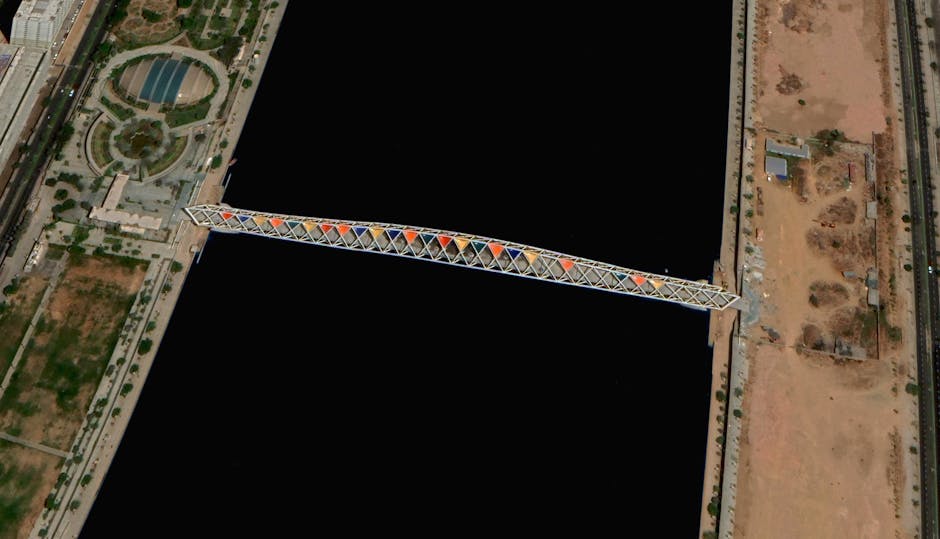
The infrastructure development plans for Chharodi and Tragad are coordinated by AUDA in consultation with other government agencies and private developers. The plans include provisions for the construction of new roads, water supply lines, sewerage systems, and power grids. They also include provisions for the development of public transportation facilities, such as bus terminals and metro stations.
The implementation of the infrastructure development plans is funded by a combination of government grants, private investment, and user charges. The government provides grants for essential infrastructure projects, such as water supply and sewerage systems. Private developers are required to contribute to the cost of infrastructure development through development charges and impact fees. User charges, such as water tariffs and electricity bills, are used to finance the operation and maintenance of the infrastructure facilities.
Effective infrastructure management is essential for ensuring the long term sustainability of Chharodi and Tragad. This includes regular maintenance of the existing infrastructure facilities, upgrading the infrastructure to meet the growing demand, and adopting new technologies to improve the efficiency of the infrastructure systems.
Institutional asset health and social amenities are crucial for creating a livable and vibrant community in Chharodi and Tragad. The availability of adequate schools, hospitals, recreational facilities, and community centers is essential for supporting the social and cultural needs of the residents. Schools in the area include both public and private institutions, offering a range of educational programs.
The capacity of the existing schools needs to be increased to accommodate the growing student population. Hospitals and healthcare facilities are limited in the immediate vicinity, requiring residents to travel to Ahmedabad for specialized medical care. The development of new hospitals and clinics is essential for improving access to healthcare services.
Recreational facilities include parks, playgrounds, and sports complexes. These facilities provide opportunities for physical activity, social interaction, and relaxation. Community centers provide spaces for social gatherings, cultural events, and community programs.
The development of social infrastructure is coordinated by the local authorities and the state government. The government provides grants for the construction of new schools, hospitals, and community centers. Private developers are also encouraged to contribute to the development of social infrastructure through corporate social responsibility (CSR) initiatives.
The quality of social infrastructure is as important as its availability. Schools need to be staffed with qualified teachers and equipped with modern learning resources. Hospitals need to be staffed with experienced doctors and nurses and equipped with state of the art medical equipment. Recreational facilities need to be well maintained and accessible to all residents.
Effective management of social infrastructure is essential for ensuring its long term sustainability. This includes regular maintenance of the existing facilities, upgrading the facilities to meet the changing needs of the community, and involving the community in the management of the facilities.
Land records in Gujarat are maintained by the Revenue Department and can be accessed online through the AnyROR Gujarat portal. This portal provides information on land ownership, land use, and other relevant details. Title verification is a crucial step in any land transaction. It involves examining the land records to ensure that the seller has a clear and marketable title to the property.
The process typically involves searching the land records for any encumbrances, such as mortgages, liens, or legal disputes. It is also important to verify the identity of the seller and to ensure that they have the legal authority to sell the property. Land reconstitution is the process of reconfiguring land parcels to create planned layouts with roads, infrastructure, and public amenities.
This process is typically carried out under the Town Planning Scheme. It involves surveying the existing land parcels, preparing a layout plan, and allocating reconstituted plots to the original landowners. Landowners are required to contribute a portion of their land for common purposes, such as roads and public amenities. In return, they receive reconstituted plots with enhanced value.
The steps involved in land reconstitution typically include:
- Notification: The government issues a notification declaring its intention to prepare a Town Planning Scheme.
- Survey: A detailed survey of the area is conducted to identify the existing land parcels and their owners.
- Layout Plan: A layout plan is prepared, showing the proposed roads, infrastructure, and public amenities.
- Plot Allocation: Reconstituted plots are allocated to the original landowners, taking into account their existing land holdings and the requirements of the layout plan.
- Compensation: Landowners are compensated for any land that is taken for common purposes.
- Implementation: The layout plan is implemented, and the reconstituted plots are handed over to the landowners.
Title verification and land reconstitution are complex processes that require the expertise of professionals, such as lawyers, surveyors, and land planners. It is important to seek professional advice before engaging in any land transaction or participating in a land reconstitution scheme. The AnyROR Gujarat portal provides access to valuable information that can assist in these processes, but it is not a substitute for professional advice. AUTHORITY SOURCE: AnyROR Gujarat - Land Records
Land title clarity is paramount for attracting investment and promoting sustainable development. Clear and marketable land titles reduce the risk of legal disputes and provide security to investors. The government is taking steps to improve land record management and to streamline the title verification process. This includes digitizing land records, implementing a computerized land registration system, and establishing land tribunals to resolve land disputes.
The industrial corridor along the SG Highway has had a significant impact on the economy of Chharodi and Tragad. The corridor has attracted industries from various sectors, including pharmaceuticals, engineering, and textiles. This has created employment opportunities and spurred economic growth in the area. The presence of these industries has also led to the development of ancillary businesses, such as transportation, logistics, and catering.
The economic commuters in Chharodi and Tragad consist of both local residents and people who travel to the area for work. Local residents are employed in various sectors, including agriculture, manufacturing, and services. People who travel to the area for work are primarily employed in the industries located along the SG Highway.
The economic engine of Chharodi and Tragad is driven by a combination of factors, including its strategic location, its proximity to Ahmedabad, and the presence of the industrial corridor. The area benefits from its access to a large market, a skilled workforce, and a well developed infrastructure. The government is also playing a role in promoting economic development by providing incentives to industries and by investing in infrastructure projects.
The Gujarat Industrial Development Corporation (GIDC) has established industrial estates in the vicinity of Chharodi and Tragad. These estates provide land, infrastructure, and other facilities to industries. The GIDC also offers various incentives to attract investment and promote industrial growth. AUTHORITY SOURCE: Gujarat Industrial Development Corporation (GIDC)
The economic growth of Chharodi and Tragad is closely linked to the overall economic performance of Gujarat. Gujarat is one of the most industrialized states in India, with a strong manufacturing sector and a growing services sector. The state has a well developed infrastructure, a business friendly environment, and a skilled workforce. These factors have contributed to its economic success.
Price modeling for land and property in Chharodi and Tragad is based on a variety of factors, including location, size, land use designation, and infrastructure availability. Land prices are typically higher along the SG Highway and in areas designated for commercial development. Property prices are influenced by the size and quality of the building, the amenities offered, and the location.
Absorption forecasts are based on the anticipated demand for residential, commercial, and industrial spaces. The demand for residential spaces is driven by the growing population and the increasing urbanization. The demand for commercial spaces is driven by the expansion of businesses and the growth of the services sector. The demand for industrial spaces is driven by the establishment of new industries and the expansion of existing industries.
Strategic ROI analysis involves evaluating the potential return on investment for various types of development projects. This analysis takes into account the cost of land, construction, and financing, as well as the anticipated revenue from sales or rentals. It also considers the risks associated with the project, such as regulatory approvals, market fluctuations, and construction delays.
The investment potential of Chharodi and Tragad is high due to its strategic location, its proximity to Ahmedabad, and the presence of the industrial corridor. The area offers opportunities for investment in residential, commercial, and industrial properties. The government is also promoting investment in the area by providing incentives and by investing in infrastructure projects.
The following table provides a comparative analysis of property prices and rental yields in Chharodi and Tragad:
| Property Type | Average Price (INR/sq ft) | Rental Yield (%) |
|---|---|---|
| Residential Apartment | 3500 5500 | 2 3 |
| Commercial Space | 6000 9000 | 4 6 |
| Industrial Land | 2000 3000 | N/A |
The following table provides an overview of the key investment drivers and risks in Chharodi and Tragad:
| Factor | Impact |
|---|---|
| Proximity to Ahmedabad | Positive |
| Industrial Corridor | Positive |
| Infrastructure Development | Positive |
| Regulatory Approvals | Risk |
| Market Fluctuations | Risk |
Investors should conduct thorough due diligence before investing in Chharodi and Tragad. This includes verifying land titles, assessing the environmental risks, and evaluating the market potential. It is also important to seek professional advice from real estate experts, lawyers, and financial advisors.
The long term investment prospects for Chharodi and Tragad are positive due to its continued growth and development. The area is expected to become a major residential and commercial hub, attracting further investment and economic activity. Investors who are willing to take a long term view can expect to earn attractive returns on their investment. AUTHORITY SOURCE: e Town Planning Gujarat
Conclusion: Final Verdict.
Chharodi and Tragad present a compelling case for strategic investment and planned urban growth. The confluence of factors like proximity to Ahmedabad, the SG Highway industrial corridor, and proactive town planning schemes positions this area for sustained development. While challenges exist in infrastructure readiness and regulatory processes, the long term economic prospects, coupled with potential for high ROI, make Chharodi and Tragad a key area to watch in Gujarat's urban expansion. Diligence in land title verification and a nuanced understanding of evolving regulations are crucial for navigating the investment landscape successfully.