Dholera Encyclopedia: Technical Planning & Investment Reference
Executive Summary:
Dholera Special Investment Region (DSIR) represents a greenfield industrial city development in Gujarat, India, aiming to establish a global manufacturing and trading hub. The project leverages strategic location, supportive government policies, and large scale infrastructure investments to attract domestic and international businesses. Successful implementation hinges on timely land acquisition, robust infrastructure development, and effective regulatory frameworks. Investment in Dholera carries both high potential returns and inherent risks associated with large scale greenfield projects.
15 Strategic KPI Bullets:
- Land Acquisition Progress (acres acquired vs. planned).
- Infrastructure Completion Rate (road network, water supply, power grid).
- Industrial Plot Allotment (number and area of plots allotted).
- Investment Commitment (total investment pledges received).
- Operational Industries (number of industries commenced operations).
- Employment Generation (direct and indirect jobs created).
- Real Estate Appreciation (land value appreciation rates).
- Infrastructure Investment (total infrastructure expenditure).
- Connectivity Index (road, rail, air connectivity scores).
- Regulatory Approvals (timeliness of project approvals).
- Environmental Compliance (adherence to environmental standards).
- Water Availability (sustainable water supply capacity).
- Power Supply Reliability (uninterrupted power supply).
- Social Infrastructure (availability of schools, hospitals, housing).
- Return on Investment (ROI) for early investors.
Dholera Special Investment Region (DSIR) is situated approximately 100 kilometers southwest of Ahmedabad, Gujarat, India. Its geographic coordinates place it within the Bhavnagar district, leveraging coastal proximity to the Gulf of Khambhat. The location provides strategic advantages for port based industries and access to major transportation corridors.
The total designated area for DSIR spans approximately 920 square kilometers, incorporating several villages. This expansive land parcel allows for comprehensive master planning and phased development of industrial, residential, and commercial zones. Strategic location and comprehensive master plan are key features of the DSIR.
Town Planning Scheme (TPS) development is crucial for structuring Dholera's spatial layout and land use. TPS involves the planned development of land by reconstituting existing land parcels into planned layouts. This allows for efficient allocation of land for various purposes, including residential, commercial, industrial, and public amenities.
The process of plot reconstitution is central to the TPS. It involves pooling land from multiple owners, reconfiguring it according to the approved plan, and redistributing the reconstituted plots back to the owners. This ensures equitable distribution of benefits and improved land use efficiency. Land reconstitution plays an important role in planned development.
Floor Space Index (FSI) or Floor Area Ratio (FAR) regulations define the permissible building density on a given plot. FSI/FAR values are determined based on the zone and land use designated in the development plan. Higher FSI/FAR allows for more intensive development and greater vertical growth. FSI/FAR regulations help to manage urban density.
Infrastructure provision within the TPS is integral to its success. This includes the development of roads, water supply networks, sewerage systems, drainage systems, and electricity infrastructure. Well planned infrastructure is essential for supporting industrial and residential activities. Key infrastructure development supports overall TPS implementation.
The spatial DNA of Dholera is characterized by its planned layout, integration of industrial and residential zones, and focus on sustainability. The plan emphasizes green spaces, pedestrian friendly environments, and efficient transportation systems. This comprehensive planning creates a balanced and livable environment. Comprehensive planning promotes sustainable development.
Dholera's TPS integrates advanced technologies such as GIS (Geographic Information System) for spatial planning and monitoring. This enhances the efficiency of land management and infrastructure development. GIS integration improves planning and monitoring processes.
The TPS aims to minimize land fragmentation and maximize land utilization efficiency. By consolidating small land holdings and re distributing them in a planned manner, the TPS ensures optimal use of land resources. Land consolidation enhances efficiency of resources utilization.
Dholera’s development framework emphasizes eco friendly practices. The city is designed to minimize environmental impact and promote sustainability through green building standards and efficient resource management. The emphasis on eco friendly practices promotes sustainable growth.
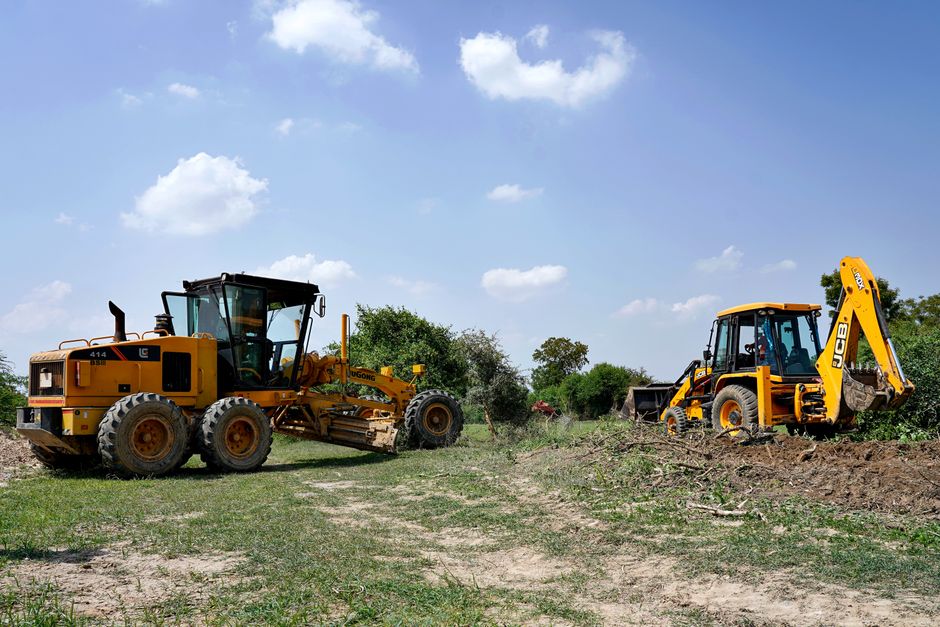
Historically, the Dholera region was primarily an agricultural area with small villages scattered across the landscape. The economy relied heavily on farming and traditional crafts. The area lacked significant industrial activity and urban infrastructure. Historically, Dholera relied on agriculture.
Prior to the DSIR initiative, Dholera's population density was low, and its infrastructure was underdeveloped. Access to basic amenities such as clean water, sanitation, and electricity was limited. The region faced challenges related to poverty and lack of employment opportunities. Underdevelopment posed significant challenges.
The concept of DSIR was conceived to transform Dholera into a major industrial and economic hub. The vision included creating a world class city with advanced infrastructure, attracting global investments, and generating employment opportunities. The vision for DSIR was ambitious.
Future growth scenarios for Dholera anticipate significant population increase due to migration of workers and professionals. This influx of people will drive demand for housing, social infrastructure, and commercial activities. Population growth is anticipated in the future.
In the best case scenario, Dholera achieves its target of attracting substantial industrial investments, resulting in rapid economic growth and job creation. This would lead to increased prosperity and improved living standards for the local population. Achieving targets will lead to rapid economic growth.
A moderate growth scenario involves slower than anticipated investment inflows, resulting in a more gradual pace of development. This could lead to delays in infrastructure projects and slower job creation. Slower investment inflows can delay development.
A worst case scenario involves significant challenges in attracting investments, delays in land acquisition, and infrastructure bottlenecks. This could lead to stagnation and failure to achieve the desired economic transformation. Significant challenges can cause stagnation.
Compared to its historical agrarian state, Dholera's future holds the potential for significant transformation. The shift from agriculture to industry and services will bring new opportunities and challenges. Transformation will bring new opportunities and challenges.
The success of Dholera's transformation depends on effective planning, efficient implementation, and proactive management of risks. Continuous monitoring and evaluation are essential to ensure that the project stays on track. Effective planning is crucial for success.
The long term vision for Dholera includes becoming a self sustaining and economically vibrant city that contributes significantly to Gujarat's and India's economic growth. Sustainable growth is essential for long term success.
The FSI/FAR regime in Dholera is designed to promote optimal land utilization while ensuring balanced development. Different zones within the DSIR have varying FSI/FAR values based on their intended land use and development intensity. FSI/FAR values vary based on zones.
Industrial zones typically have higher FSI/FAR values to accommodate large scale manufacturing facilities and vertical industrial parks. Residential zones have lower FSI/FAR values to maintain a balance between built up area and open spaces. Higher FSI/FAR values exist in industrial zones.
The zonal master plan delineates the different land use zones within Dholera, including industrial, residential, commercial, institutional, and recreational zones. Each zone has specific development regulations and guidelines to ensure orderly development. Each zone has specific development regulations.
The master plan also outlines the transportation network, including roads, railways, and airports, as well as utility infrastructure such as water supply, sewerage, and power. The master plan outlines transportation networks.
Regulatory alignments involve coordinating the policies and regulations of various government agencies to ensure seamless implementation of the DSIR project. This includes aligning land acquisition policies, environmental regulations, and investment promotion policies. Regulatory alignments are essential for seamless implementation.
The Dholera Special Investment Region Development Authority (DSIRDA) is the apex body responsible for planning, development, and regulation of the DSIR. DSIRDA ensures compliance with the master plan and development regulations. DSIRDA ensures compliance.
Environmental regulations play a critical role in ensuring sustainable development in Dholera. Environmental Impact Assessments (EIAs) are mandatory for all major projects to assess and mitigate potential environmental impacts. EIAs assess and mitigate environmental impacts.
The Gujarat Town Planning & Urban Development Act provides the legal framework for town planning and development activities in Dholera. The Act empowers DSIRDA to prepare and implement development plans and enforce regulations. The Act provides the legal framework.
The government provides incentives and subsidies to attract investors to Dholera. These incentives include tax breaks, investment subsidies, and infrastructure support. Incentives attract investors.
The master plan is periodically reviewed and updated to reflect changing needs and priorities. This ensures that the development remains relevant and responsive to the evolving economic and social landscape. The master plan is periodically reviewed.
The integration of smart city technologies is a key aspect of Dholera's planning. This includes the use of digital technologies for traffic management, waste management, and citizen services. Smart city technologies enhance city management.
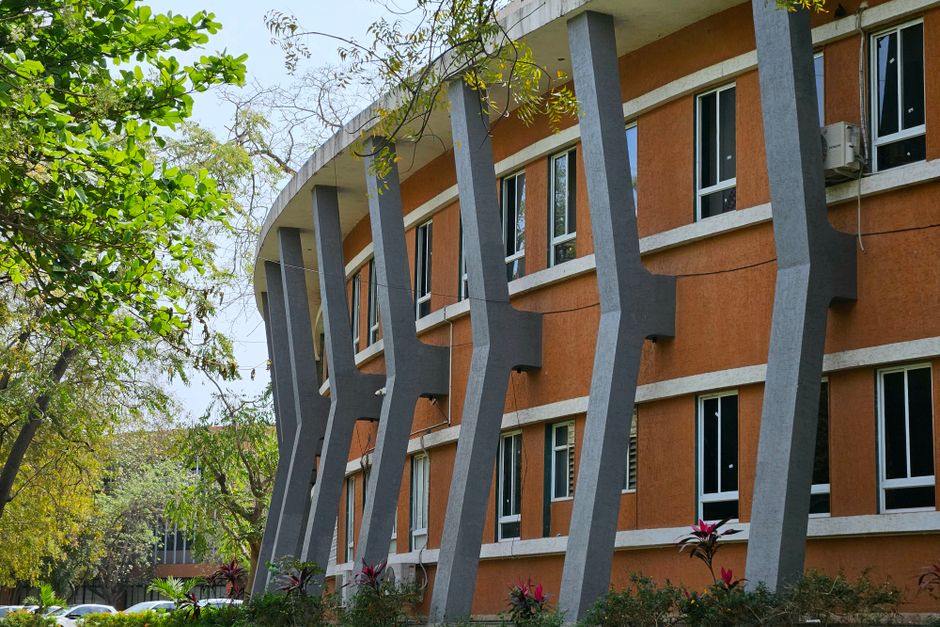
Infrastructure readiness is a critical factor in attracting investments and ensuring the success of Dholera. This includes the availability of reliable water supply, power, and transportation networks. Reliable infrastructure attracts investments.
Water supply infrastructure includes a dedicated water treatment plant and a network of pipelines to distribute water to industrial and residential areas. The water source is primarily the Narmada canal, ensuring a sustainable water supply. Dedicated water treatment plants are essential.
Power infrastructure includes a dedicated power plant and a grid network to provide uninterrupted power supply to industries and residents. The power source includes both conventional and renewable energy sources. Uninterrupted power supply is crucial.
Transit infrastructure includes a network of roads, railways, and airports to connect Dholera to major economic centers in India and abroad. The Ahmedabad Dholera Expressway provides high speed connectivity to Ahmedabad. Transit infrastructure connects Dholera.
Arterial connectivity is essential for facilitating the movement of goods and people to and from Dholera. This includes the Ahmedabad Dholera Expressway, which significantly reduces travel time to Ahmedabad. Arterial connectivity is essential.
The planned railway line connecting Dholera to Ahmedabad and other major cities will further enhance connectivity and reduce transportation costs. The planned railway line enhances connectivity.
The Dholera International Airport is planned to provide air connectivity to domestic and international destinations, facilitating business and tourism. The international airport facilitates business and tourism.
The internal road network within Dholera is designed to be efficient and well maintained, with dedicated lanes for different types of vehicles. An efficient road network is essential.
The development of underground utilities such as water pipelines, sewerage lines, and power cables minimizes disruption and enhances the aesthetic appeal of the city. Underground utilities minimize disruption.
The integrated infrastructure development approach ensures that all infrastructure components are planned and implemented in a coordinated manner to maximize efficiency and minimize costs. Integrated infrastructure development maximizes efficiency.
The use of advanced technologies such as SCADA (Supervisory Control and Data Acquisition) systems for water and power management enhances the reliability and efficiency of infrastructure operations. Advanced technologies enhance reliability.
Institutional asset health refers to the availability and quality of institutions such as schools, hospitals, and training centers. These institutions are essential for providing education, healthcare, and skill development opportunities. Healthy institutions are essential.
Social amenities include parks, recreational facilities, community centers, and cultural centers. These amenities enhance the quality of life for residents and promote social interaction. Social amenities enhance quality of life.
The plan for Dholera includes the establishment of world class schools and educational institutions to cater to the needs of a growing population. High quality education is a priority.
Healthcare facilities include hospitals, clinics, and primary healthcare centers to provide comprehensive medical care to residents. Comprehensive medical care is essential.
Training centers and skill development institutes are planned to equip the workforce with the skills needed for the industries in Dholera. Skill development is crucial for the workforce.
Affordable housing is a key priority to ensure that housing is accessible to all segments of the population. Affordable housing is a key priority.
The development plan includes provisions for parks and open spaces to promote a healthy lifestyle and provide recreational opportunities. Parks and open spaces promote a healthy lifestyle.
Community centers and cultural centers will serve as hubs for social interaction and cultural activities. Social interaction is important.
The availability of public transportation and other essential services enhances the accessibility and livability of the city. Public transportation enhances accessibility.
The integration of smart city technologies will enhance the efficiency and effectiveness of social infrastructure services. Smart city technologies enhance services.
The development of social infrastructure is closely linked to the pace of industrial development and population growth to ensure that services are available when needed. Coordinated development is crucial.
An authoritative guide to title verification in Dholera requires a thorough understanding of the land records system. The primary source for land records in Gujarat is the AnyROR (Any Records of Rights) system. AnyROR Gujarat - Land Records
Title verification involves confirming the ownership of a land parcel and ensuring that the title is clear of any encumbrances such as mortgages, liens, or legal disputes. Verification confirms the ownership.
The first step in title verification is to obtain the relevant land records from the AnyROR website or the local land records office. This includes the 7/12 extract (record of rights) and the property card. Obtain land records from AnyROR.
The 7/12 extract provides information about the owner of the land, the area of the land, the type of land (agricultural, non agricultural), and any encumbrances on the land. The 7/12 extract provides important information.
The property card provides similar information for urban properties. The property card is for urban properties.
It is essential to verify the authenticity of the land records by cross checking the information with the original records at the land records office. Verify the authenticity of land records.
A public notice should be issued in local newspapers inviting objections or claims against the property. This helps to identify any potential disputes or encumbrances. Issue a public notice.
A legal due diligence should be conducted by a lawyer to examine the land records and identify any legal issues. Conduct legal due diligence.
Land reconstitution in Dholera involves the process of consolidating fragmented land holdings into larger, more viable plots. This is done to facilitate planned development and infrastructure provision. Reconstitution facilitates planned development.
The first step in land reconstitution is to prepare a draft scheme outlining the proposed land use, infrastructure layout, and plot allocations. Prepare a draft scheme.
The draft scheme is then submitted to the Dholera Special Investment Region Development Authority (DSIRDA) for approval. Submit the scheme to DSIRDA.
Once the scheme is approved, the land is pooled from the individual landowners. Land is pooled.
The land is then re configured according to the approved scheme, with land allocated for roads, public amenities, and industrial plots. Land is re configured.
The re constituted plots are then allocated back to the original landowners, taking into account the value of their original land holdings. Plots are allocated back to landowners.
Compensation is provided to landowners who lose land in the process, or who receive plots of lower value than their original land holdings. Compensation is provided.
The entire process is overseen by DSIRDA to ensure transparency and fairness. DSIRDA oversees the process.
The industrial corridor impact on Dholera is significant, driving economic growth and creating employment opportunities. The Delhi Mumbai Industrial Corridor (DMIC) passes through Dholera, providing access to major markets and transportation networks. DMIC drives economic growth.
Dholera is strategically located to benefit from the DMIC, attracting investments in manufacturing, logistics, and infrastructure. Strategic location attracts investments.
The presence of the industrial corridor enhances Dholera's attractiveness as an investment destination, leading to increased economic activity and job creation. The industrial corridor enhances attractiveness.
Economic commuters in Dholera include workers, professionals, and business people who travel to and from the city for employment, business, or other economic activities. Economic commuters contribute to economic activity.
The majority of economic commuters are employed in manufacturing, construction, and services sectors. Manufacturing is a key sector.
The Ahmedabad Dholera Expressway facilitates the movement of economic commuters, reducing travel time and transportation costs. The expressway facilitates movement.
The planned railway line and international airport will further enhance connectivity and facilitate the movement of economic commuters. The railway and airport will enhance connectivity.
The availability of affordable housing and social infrastructure is crucial for attracting and retaining economic commuters. Affordable housing is crucial.
The economic impact of Dholera extends beyond the city limits, benefiting the surrounding region through increased employment and economic activity. The impact extends beyond city limits.
The development of Dholera contributes to Gujarat's economic growth and strengthens its position as a leading industrial state. Dholera contributes to Gujarat's growth.
Price modeling for land in Dholera is based on several factors, including location, land use, infrastructure availability, and market demand. Location is a key factor.
Land prices in industrial zones are typically higher than in residential zones due to the higher development potential and demand from industries. Prices are higher in industrial zones.
Land prices also vary based on proximity to infrastructure such as roads, water supply, and power. Proximity to infrastructure increases value.
Absorption forecasts estimate the rate at which land and property in Dholera will be absorbed by the market. Absorption rate is important.
The absorption rate depends on factors such as economic growth, investment inflows, and infrastructure development. Absorption rate depends on economic growth.
Strategic ROI analysis involves evaluating the potential return on investment for different types of investments in Dholera. ROI analysis is important.
Investments in industrial land and infrastructure projects typically offer higher potential returns due to the high demand and growth potential. Industrial land offers higher returns.
Investments in residential property also offer attractive returns, driven by population growth and increasing demand for housing. Residential property offers returns.
The ROI for early investors in Dholera is expected to be higher due to the lower land prices and the potential for significant appreciation as the city develops. Early investors benefit from appreciation.
However, investments in Dholera also carry risks, including delays in infrastructure development, regulatory challenges, and economic fluctuations. Investments carry risks.
A thorough due diligence and risk assessment are essential before making any investment decisions. Due diligence is essential.
The long term ROI for investments in Dholera is expected to be substantial, driven by the city's strategic location, supportive government policies, and large scale infrastructure investments. Long term ROI is expected to be substantial.
| Investment Type | Potential ROI | Risk Level | Time Horizon |
|---|---|---|---|
| Industrial Land | High | Medium | 5 10 years |
| Residential Property | Medium | Low | 3 7 years |
| Infrastructure Projects | High | High | 7 15 years |
| Commercial Property | Medium | Medium | 5 10 years |
Conclusion: Final Verdict
Dholera represents a significant opportunity for investors seeking high growth potential in a greenfield industrial city. However, the project also presents inherent risks associated with large scale infrastructure development and regulatory complexities. Thorough due diligence, careful planning, and a long term investment horizon are essential for success. Successful implementation requires sustained government support, efficient project management, and proactive risk mitigation. The strategic location, coupled with robust infrastructure development, positions Dholera as a key driver of economic growth in Gujarat and India.