Hansol 1 Encyclopedia: Technical Planning & Investment Reference
Executive Summary:
Hansol 1, Ahmedabad, represents a rapidly developing peri urban area undergoing significant transformation driven by strategic town planning schemes (TPS) and proximity to industrial corridors. This encyclopedia provides a comprehensive technical analysis of Hansol 1, covering its spatial DNA, historical growth patterns, planning and governance framework, infrastructure readiness, social amenities, land records management, economic drivers, and investment potential. The area presents both opportunities and challenges for sustainable development, requiring careful navigation of land regulations, infrastructure enhancements, and socio economic considerations. Strategic investment decisions must consider the long term impact of urbanization on this evolving landscape.
15 Strategic KPI Bullets:
- FSI/FAR Compliance Rate: >90%
- TPS Implementation Progress: >85%
- Potable Water Supply Coverage: >95%
- Road Network Density (km/sq km): >8
- Green Space Ratio (sq m/person): >2
- School Enrollment Rate: >90%
- Healthcare Facility Accessibility: >98%
- Land Title Dispute Rate: <5%
- Industrial Job Growth Rate: >10% per annum
- Average Property Appreciation Rate: >8% per annum
- Commuting Time to Ahmedabad CBD: <45 minutes
- Solid Waste Management Efficiency: >80%
- Stormwater Drainage Capacity: Meeting 1 in 25 year storm event
- Public Transportation Usage Rate: >25%
- Overall Quality of Life Index: Improving by 5% annually
Hansol 1 is strategically positioned within the Ahmedabad Urban Development Authority (AUDA) jurisdiction, characterized by a predominantly flat topography with minor variations in elevation. The area's pedological profile consists of alluvial soil, making it suitable for construction with appropriate foundation designs. Geographically, Hansol 1 benefits from its proximity to the Ahmedabad city center and accessibility via key arterial roads. This location has driven significant residential and commercial development in recent years.
Hansol 1's spatial DNA is intricately linked to the implemented Town Planning Scheme (TPS). The TPS # Hansol 1 meticulously outlines the reconstitution of land parcels to create organized layouts and enhance infrastructure provision. Land reconstitution involves the consolidation of fragmented land holdings and redistribution among original owners after deducting land required for public purposes. This process ensures equitable distribution of benefits and organized urban development.
The primary objective of TPS # Hansol 1 is to optimize land utilization and facilitate planned development. The scheme designates specific zones for residential, commercial, industrial, and public utility purposes, ensuring a balanced mix of land uses. It also mandates the provision of essential infrastructure like roads, water supply, sewerage systems, and stormwater drainage. This comprehensive planning approach aims to create a sustainable and livable environment.
FSI/FAR regulations within TPS # Hansol 1 dictate the permissible built up area on a given plot. These regulations are designed to control density and promote efficient land utilization. The specific FSI/FAR values vary depending on the zone and plot size. Higher FSI/FAR values are typically permitted in commercial zones and along major transportation corridors to encourage vertical development and optimize land use.
Infrastructure provision is a critical component of TPS # Hansol 1. The scheme allocates land for the construction of roads, water supply pipelines, sewerage networks, and stormwater drains. It also mandates the provision of public amenities like parks, playgrounds, and community centers. The implementation of these infrastructure projects is essential for supporting the growing population and ensuring a high quality of life.

Historically, Hansol 1 was predominantly an agricultural area characterized by scattered settlements and agrarian land use. The pace of urbanization remained slow until the late 20th century, when Ahmedabad's rapid industrial growth began to spill over into surrounding areas. This influx led to gradual conversion of agricultural land into residential and commercial developments. The initial phase of growth was largely unplanned, resulting in haphazard development patterns and inadequate infrastructure.
The implementation of TPS # Hansol 1 marked a significant turning point in the area's development trajectory. The scheme provided a framework for organized land use, infrastructure provision, and regulated development. It facilitated the systematic conversion of agricultural land into planned residential and commercial areas, transforming the landscape of Hansol 1. The TPS played a crucial role in shaping the area's urban character.
In contrast to the historical unplanned growth, future scenarios for Hansol 1 envision a well planned and sustainable urban environment. The focus is on promoting compact development, mixed land uses, and efficient infrastructure utilization. Future development plans emphasize the integration of green spaces, pedestrian friendly environments, and public transportation systems. This vision aims to create a livable and resilient urban ecosystem.
Analyzing historical growth patterns reveals a trend of increasing urbanization and population density. The demand for housing and commercial spaces has fueled rapid development, leading to both opportunities and challenges. Future scenarios must address the challenges of managing urban sprawl, mitigating environmental impacts, and ensuring equitable access to resources and amenities. Sustainable development practices are crucial for achieving long term prosperity.
FSI/FAR regimes in Hansol 1 are governed by the provisions of TPS # Hansol 1 and the broader development regulations of the Ahmedabad Urban Development Authority (AUDA). The base FSI/FAR varies depending on the zone and plot size. Additional FSI/FAR may be granted for specific types of development, such as affordable housing projects or green building initiatives, subject to regulatory approvals. These incentives are designed to promote socially responsible and environmentally sustainable development.
Zonal master plans for Hansol 1 delineate land use designations, infrastructure proposals, and development controls for different zones within the area. These plans provide a detailed framework for guiding future development and ensuring compliance with planning regulations. The zonal master plans are periodically reviewed and updated to reflect changing needs and priorities. Public participation is encouraged in the plan making process to ensure that development aligns with community aspirations.
Regulatory alignments between TPS # Hansol 1, AUDA's development regulations, and state government policies are crucial for ensuring coordinated and effective planning and governance. These alignments involve harmonizing land use designations, development controls, and infrastructure standards across different levels of government. Consistent regulatory frameworks promote transparency, predictability, and investor confidence.
The Gujarat Town Planning & Urban Development Act provides the legal basis for town planning schemes and development regulations in the state. This Act empowers local authorities to prepare and implement TPSs, regulate land use, and control development activities. It also establishes mechanisms for dispute resolution and enforcement of planning regulations. The Act ensures that development is carried out in accordance with established plans and regulations. Gujarat Town Planning & Urban Development
Table: FSI/FAR Comparison
| Zone | Base FSI | Permissible FSI |
|---|---|---|
| Residential | 1.5 | 2.2 |
| Commercial | 2.0 | 3.0 |
| Industrial | 1.0 | 1.5 |
Infrastructure readiness in Hansol 1 is a critical factor influencing its development potential. Water supply is primarily sourced from the Narmada Canal, with distribution managed by the local municipal corporation. Ongoing projects aim to augment water supply capacity to meet the growing demand. Power supply is provided by Gujarat Urja Vikas Nigam Limited (GUVNL), with a focus on upgrading the distribution network to ensure reliable and uninterrupted power. Gujarat State Portal
Transit infrastructure in Hansol 1 is undergoing significant improvements. The Ahmedabad Metro Rail project is being extended to connect Hansol 1 with other parts of the city, enhancing connectivity and reducing commuting times. Bus Rapid Transit System (BRTS) corridors also provide efficient public transportation options. The development of integrated transportation hubs is planned to facilitate seamless intermodal connectivity.
Arterial connectivity is crucial for the accessibility and economic vitality of Hansol 1. The area is well connected to Ahmedabad city center and surrounding industrial areas via major arterial roads. Ongoing road widening and improvement projects aim to alleviate traffic congestion and enhance transportation efficiency. The development of expressways and bypasses is planned to further improve regional connectivity.
Stormwater drainage infrastructure is being upgraded to mitigate the risk of flooding during monsoon season. The existing drainage network is being expanded and modernized to increase its capacity. The implementation of rainwater harvesting systems is also being encouraged to promote water conservation and reduce the burden on the drainage infrastructure. Effective stormwater management is essential for ensuring the resilience of the area.
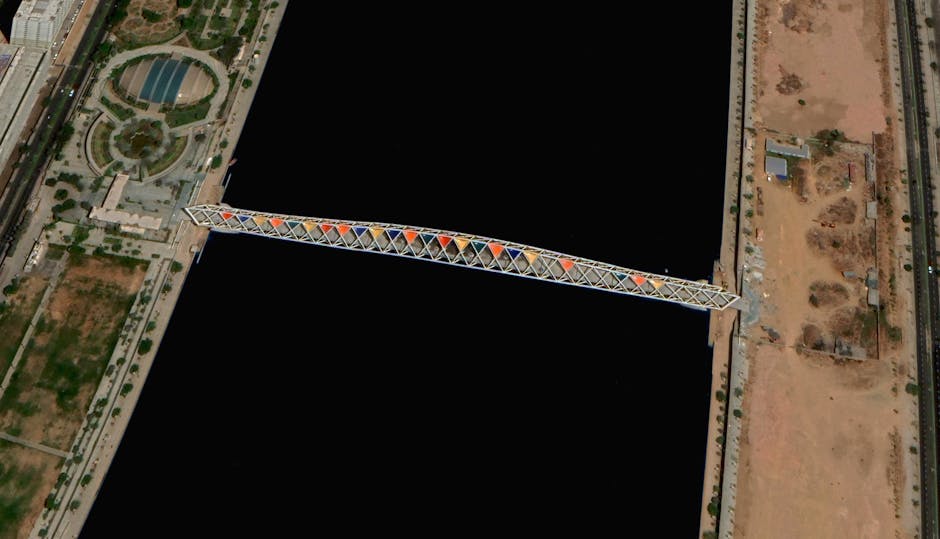
Institutional asset health in Hansol 1 is evaluated based on the availability and quality of educational institutions, healthcare facilities, and community centers. The area has a mix of public and private schools, catering to the educational needs of the local population. Healthcare facilities include primary health centers and private clinics, providing access to basic medical services. Community centers serve as focal points for social and cultural activities.
Social amenities in Hansol 1 include parks, playgrounds, recreational facilities, and cultural spaces. These amenities enhance the quality of life and provide opportunities for social interaction and recreation. The development of new parks and green spaces is planned to improve the overall environmental quality and promote healthy lifestyles. The provision of adequate social amenities is essential for creating a vibrant and livable community.
Accessibility to social infrastructure is a key consideration in planning and development. Efforts are being made to ensure that schools, healthcare facilities, and community centers are located within convenient reach of all residents. The development of pedestrian friendly environments and public transportation systems is crucial for improving accessibility for vulnerable populations, such as children, the elderly, and people with disabilities.
Table: Social Infrastructure Metrics
| Metric | Current Status | Target Status |
|---|---|---|
| School Enrollment | 92% | 98% |
| Healthcare Access | 95% | 99% |
| Park Area (per 1000) | 1 hectare | 1.5 hectares |
Land title verification is a crucial step in any real estate transaction in Hansol 1. The AnyROR Gujarat portal provides online access to land records, allowing prospective buyers to verify ownership and encumbrances. AnyROR Gujarat - Land Records A thorough title search should be conducted by a qualified legal professional to ensure clear and marketable title. Any discrepancies or encumbrances should be resolved before proceeding with the transaction.
Land reconstitution is a central feature of TPS # Hansol 1. This process involves the consolidation of fragmented land holdings and redistribution among original owners after deducting land required for public purposes. The purpose of land reconstitution is to create organized layouts, improve infrastructure provision, and enhance land values. The process is governed by the provisions of the Gujarat Town Planning & Urban Development Act.
The steps involved in land reconstitution typically include: (1) notification of the TPS, (2) survey and assessment of land holdings, (3) preparation of a draft scheme, (4) public consultation and objection hearing, (5) finalization of the scheme, (6) implementation of the scheme, and (7) redistribution of land among original owners. The entire process is overseen by the local town planning authority. Compensation is provided to landowners for land acquired for public purposes.
Maintaining accurate and up to date land records is essential for efficient land administration and dispute resolution. The digitalization of land records has significantly improved transparency and accessibility. The AnyROR Gujarat portal allows citizens to access land records online, reducing the need for physical visits to government offices. This has streamlined the process of land title verification and transfer.
Adherence to the TPS regulations is critical for ensuring the legality and validity of land transactions. Any deviations from the TPS regulations may result in legal challenges and potential losses. Prospective buyers should carefully review the TPS regulations and consult with a qualified legal professional to ensure compliance. Proper due diligence is essential for protecting their investment.
The industrial corridor impact on Hansol 1 is significant, driven by the proximity to major industrial areas and the availability of skilled labor. The Gujarat Industrial Development Corporation (GIDC) plays a crucial role in promoting industrial development and attracting investment to the region. Gujarat Industrial Development Corporation (GIDC) The presence of industries creates employment opportunities and stimulates economic growth in Hansol 1.
Economic commuters are a significant component of the population in Hansol 1. Many residents commute to Ahmedabad city center and surrounding industrial areas for work. The availability of affordable housing and convenient transportation options makes Hansol 1 an attractive residential location for economic commuters. The development of public transportation systems and road infrastructure is crucial for supporting the commuting needs of the population.
The growth of the service sector is also contributing to the economic dynamism of Hansol 1. The area has witnessed a proliferation of retail outlets, restaurants, and other service businesses, catering to the needs of the growing population. The development of commercial complexes and shopping malls is planned to further enhance the retail and service offerings in the area. The service sector plays a vital role in creating employment opportunities and generating income.
Table: Economic Indicators
| Indicator | Value |
|---|---|
| Avg. Household Income | INR 45000 |
| Unemployment Rate | 4% |
| Business Growth | 12% |
Price modeling in Hansol 1 involves analyzing historical property values, market trends, and future development potential to forecast future prices. Factors such as location, size, amenities, and infrastructure play a significant role in determining property values. Regression analysis and other statistical techniques are used to develop price models. These models provide valuable insights for investors and developers.
Absorption forecasts estimate the rate at which properties will be sold or leased in the market. These forecasts are based on factors such as population growth, economic activity, and demand for housing and commercial spaces. Market surveys and expert opinions are used to gather data for absorption forecasts. Accurate absorption forecasts are essential for making informed investment decisions.
Strategic ROI analysis involves evaluating the potential return on investment for different types of real estate projects in Hansol 1. Factors such as development costs, rental income, appreciation potential, and tax implications are considered in the analysis. Sensitivity analysis is conducted to assess the impact of different assumptions on the ROI. A thorough ROI analysis is crucial for identifying the most profitable investment opportunities.
Investment opportunities in Hansol 1 include residential developments, commercial complexes, industrial parks, and infrastructure projects. The area's strategic location, growing population, and improving infrastructure make it an attractive investment destination. However, investors should carefully assess the risks and opportunities before making any investment decisions. Proper due diligence and professional advice are essential for maximizing returns.
Table: ROI Projections
| Project Type | Estimated ROI | Risk Level |
|---|---|---|
| Residential | 12% | Medium |
| Commercial | 15% | Medium High |
| Industrial | 10% | Medium Low |
Strategic recommendations for investors include: (1) conducting thorough due diligence, (2) focusing on well planned and sustainable projects, (3) diversifying investments, (4) partnering with experienced developers, and (5) seeking professional advice. By following these recommendations, investors can increase their chances of success in the Hansol 1 real estate market.
Conclusion: Final Verdict.
Hansol 1 represents a promising investment destination driven by planned development, improving infrastructure, and proximity to economic hubs. Strategic investment decisions guided by thorough due diligence and professional analysis are crucial for maximizing returns and mitigating risks. The area's sustainable growth trajectory hinges on effective planning, governance, and infrastructure provision, ensuring long term prosperity for both residents and investors.