Makarba TP Scheme No.26 - Town Planning Scheme & Final Plot Numbers
Makarba Encyclopedia: Technical Planning & Investment Reference
Executive Summary:
Makarba, located in Ahmedabad, Gujarat, presents a dynamic investment landscape shaped by its strategic location, progressive town planning initiatives, and rapidly developing infrastructure. This encyclopedia provides a comprehensive analysis of Makarba's land use, historical growth patterns, regulatory frameworks, infrastructure readiness, socio economic factors, land record management, economic drivers, and investment potential. A detailed assessment of these factors is crucial for informed decision making for investors, developers, and policymakers. Makarba's future trajectory is intertwined with its ability to effectively manage urban expansion, enhance connectivity, and capitalize on its proximity to industrial corridors.
15 Strategic KPI Bullets:
- Land Use Classification (Residential, Commercial, Industrial, Agricultural)
- Town Planning Scheme (TPS) Implementation Status
- Floor Space Index (FSI) and Floor Area Ratio (FAR) Trends
- Population Growth Rate (Decadal)
- Infrastructure Provision (Water Supply Coverage, Power Grid Capacity)
- Road Network Density (km/sq km)
- Public Transportation Accessibility (Bus Rapid Transit System (BRTS) Connectivity)
- Social Infrastructure Index (Schools, Hospitals, Recreational Facilities)
- Land Title Verification Rate (Percentage of Clear Titles)
- Land Reconstitution Efficiency (Time Taken for Land Pooling)
- Industrial Corridor Influence (Job Creation, Investment Inflow)
- Economic Commuter Patterns (Daily Inflow/Outflow of Workers)
- Property Price Appreciation (Annual Percentage Change)
- Absorption Rate (Residential and Commercial Units)
- Return on Investment (ROI) Projections (Residential, Commercial, Industrial)
Makarba's location within Ahmedabad's urban agglomeration is pivotal to its development trajectory. Its geographical coordinates place it within a zone experiencing rapid urbanization and peri urban expansion. The pedological profile of the land, characterized by alluvial deposits, influences the feasibility of construction and infrastructure development.
The Makarba Town Planning Scheme (TPS) is the cornerstone of its planned development. Plot reconstitution is a central element, aiming to consolidate fragmented land parcels for efficient urban development. The TPS outlines specific land use zones, including residential, commercial, industrial, and public utility areas.
Implementation of the TPS involves meticulous planning and execution, incorporating principles of sustainable urban development. Key aspects include the provision of adequate road networks, water supply systems, sewerage infrastructure, and green spaces. The objective is to create a well planned and livable urban environment.
The spatial DNA of Makarba is evolving from a predominantly agricultural landscape to a mixed use urban area. This transformation necessitates careful consideration of land use zoning, building regulations, and infrastructure provision. The success of the TPS depends on effective collaboration between government agencies, developers, and local communities.
The implementation of the TPS also involves the determination of Floor Space Index (FSI) and Floor Area Ratio (FAR) regulations. These regulations dictate the permissible building density and the extent of vertical development. The FSI and FAR values are tailored to specific zones within Makarba, taking into account factors such as plot size, road width, and surrounding land uses. The Gujarat Town Planning & Urban Development website provides detailed information on TPS regulations and implementation guidelines.
The process of plot reconstitution involves the consolidation of individual land holdings into larger, more manageable parcels. This facilitates the development of integrated housing projects, commercial complexes, and industrial estates. The TPS also addresses issues of land ownership, compensation, and resettlement of displaced persons. AnyROR Gujarat - Land Records provides access to land records and information on land ownership.
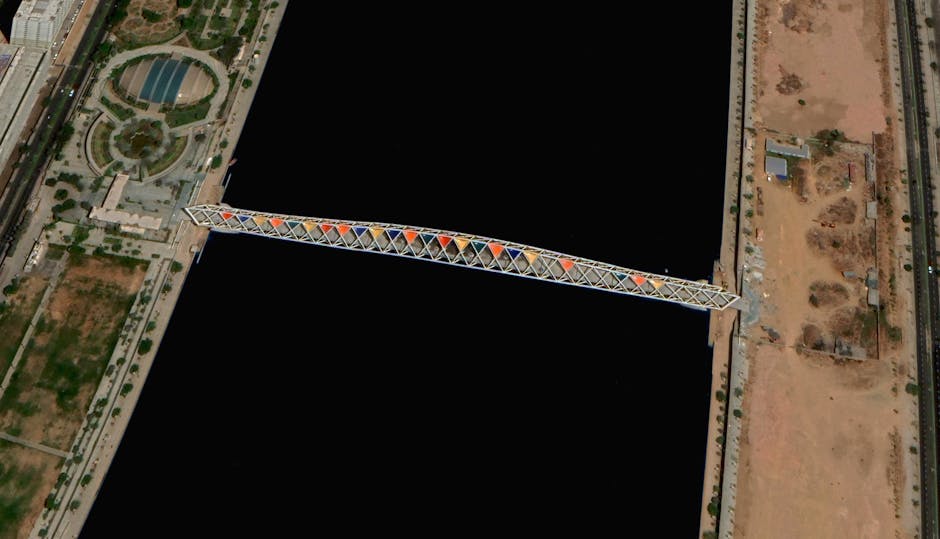
Historically, Makarba was characterized by agricultural land and scattered settlements. Its proximity to Ahmedabad and improved connectivity spurred rapid urbanization. The pace of development has accelerated significantly in recent decades, driven by economic opportunities and population growth.
Analyzing historical growth patterns reveals a shift from agrarian activities to real estate development and service industries. This transformation has resulted in increased land values and a surge in construction activity. The influx of migrants from other parts of Gujarat and India has further contributed to population growth.
Future growth scenarios for Makarba hinge on several factors, including infrastructure development, policy interventions, and economic trends. Optimistic scenarios project continued expansion, driven by investment in infrastructure and the growth of the industrial sector. Pessimistic scenarios, on the other hand, foresee challenges related to traffic congestion, environmental degradation, and inadequate infrastructure.
A balanced approach to urban planning is essential to ensure sustainable growth and mitigate potential negative impacts. This involves prioritizing infrastructure development, promoting mixed use development, and preserving green spaces. Effective governance and community participation are also crucial for shaping Makarba's future.
Historical data on population growth, land use changes, and economic activity provide valuable insights for planning and policy making. These data can be used to identify trends, forecast future needs, and evaluate the effectiveness of development initiatives. Analyzing these trends helps understand the future trajectory of Makarba.
Future scenarios also need to consider the impact of climate change and other environmental factors. Adapting to climate change requires measures such as improving water management, promoting energy efficiency, and enhancing resilience to extreme weather events. A proactive approach is essential to ensure the long term sustainability of Makarba.
The regulatory framework governing Makarba's development is multifaceted, encompassing zoning regulations, building codes, and environmental regulations. Floor Space Index (FSI) and Floor Area Ratio (FAR) regimes play a crucial role in controlling building density and land use intensity. These regulations are designed to ensure orderly development and prevent overcrowding.
Zonal master plans delineate land use zones, specifying permissible activities and building heights. These plans are periodically reviewed and updated to reflect changing needs and priorities. The master plans aim to guide development in a sustainable and equitable manner.
Regulatory alignments are essential for ensuring consistency and coordination among different government agencies. This involves harmonizing policies related to land use, infrastructure development, and environmental protection. Effective coordination is crucial for achieving the goals of planned development.
The e Town Planning Gujarat website provides access to zonal master plans and other planning documents. These resources are essential for developers, investors, and citizens seeking information on regulatory requirements. The online portal streamlines the process of obtaining approvals and permits.
The FSI and FAR regimes are often subject to revisions and amendments to respond to changing market conditions and development needs. However, any changes must be carefully considered to avoid unintended consequences, such as increased traffic congestion or environmental degradation. A transparent and participatory process is essential for ensuring that regulatory changes are in the public interest.
The regulatory framework also includes provisions for environmental impact assessment (EIA) for large scale development projects. The EIA process aims to identify and mitigate potential environmental impacts, ensuring that development is sustainable and environmentally responsible. Compliance with environmental regulations is essential for maintaining the ecological integrity of Makarba.
Infrastructure readiness is a critical factor influencing Makarba's development potential. Adequate water supply, reliable power, and efficient transit systems are essential for supporting population growth and economic activity. Deficiencies in infrastructure can hinder development and reduce quality of life.
Arterial connectivity plays a vital role in linking Makarba to other parts of Ahmedabad and the surrounding region. Well maintained roads and highways are essential for facilitating the movement of goods and people. Public transportation systems, such as buses and trains, provide affordable and accessible mobility options.
The capacity of the water supply system must be sufficient to meet the needs of a growing population and expanding commercial and industrial sectors. Investment in water treatment plants and distribution networks is essential for ensuring reliable water supply. Water conservation measures are also important for promoting sustainable water use.
The power grid must be capable of delivering reliable and affordable electricity to homes, businesses, and industries. Investment in power generation capacity and transmission infrastructure is essential for meeting growing demand. Renewable energy sources, such as solar and wind power, can contribute to a more sustainable energy future.
The development of an efficient public transportation system is crucial for reducing traffic congestion and improving air quality. The Bus Rapid Transit System (BRTS) provides a dedicated bus lane, reducing travel times and improving reliability. Investment in public transportation infrastructure is essential for promoting sustainable mobility.

The infrastructure readiness assessment should also consider the availability of sewerage and waste management facilities. Adequate sewerage treatment capacity is essential for preventing water pollution and protecting public health. Efficient waste management systems are crucial for reducing landfill waste and promoting recycling.
The health of institutional assets and the availability of social amenities are key indicators of quality of life in Makarba. Schools, hospitals, recreational facilities, and community centers play a vital role in supporting the well being of residents. Investment in social infrastructure is essential for creating a livable and attractive community.
The availability of quality schools is crucial for educating future generations and promoting social mobility. Adequate school infrastructure, qualified teachers, and modern teaching methods are essential for providing a high quality education. Access to education is a fundamental right and a key driver of economic development.
Access to healthcare services is essential for maintaining public health and preventing disease. Hospitals, clinics, and other healthcare facilities provide medical care, diagnostic services, and preventive healthcare programs. Investment in healthcare infrastructure and personnel is essential for improving health outcomes.
Recreational facilities, such as parks, playgrounds, and sports fields, provide opportunities for physical activity and social interaction. Access to recreational facilities is important for promoting health and well being. Green spaces also contribute to improved air quality and environmental quality.
Community centers provide a venue for social gatherings, community events, and educational programs. These centers play a vital role in fostering social cohesion and promoting civic engagement. Investment in community centers can strengthen social bonds and improve community resilience.
A comprehensive assessment of social infrastructure should also consider the availability of libraries, museums, and other cultural institutions. These institutions provide opportunities for lifelong learning and cultural enrichment. Access to cultural resources is essential for promoting intellectual curiosity and creativity.
Land record management is essential for ensuring secure land ownership, facilitating land transactions, and resolving land disputes. Accurate and up to date land records are crucial for promoting transparency and accountability in land administration. The AnyROR Gujarat - Land Records website provides access to land records and related information.
Title verification is a critical step in the land acquisition process. It involves examining land records to confirm ownership, identify any encumbrances or legal claims, and ensure that the title is clear and marketable. A thorough title verification process is essential for protecting the interests of both buyers and sellers.
The land reconstitution process involves the consolidation of fragmented land parcels into larger, more manageable units. This is often done as part of a Town Planning Scheme (TPS) or other land development initiative. The land reconstitution process can facilitate the development of infrastructure, housing, and other amenities.
The steps involved in title verification typically include: - Obtaining certified copies of land records from the land registry. - Reviewing the land records to identify the current owner and any previous owners. - Checking for any mortgages, liens, or other encumbrances on the property. - Conducting a site inspection to verify the accuracy of the land records. - Obtaining legal advice to assess the validity of the title.
The steps involved in land reconstitution typically include: - Identifying the land parcels to be consolidated. - Surveying the land parcels to determine their boundaries and dimensions. - Preparing a plan for the land reconstitution. - Obtaining the consent of the land owners. - Registering the reconstituted land parcels with the land registry.
Effective land record management requires a robust system for maintaining and updating land records. This includes utilizing modern technology, such as Geographic Information Systems (GIS), to create accurate and accessible land maps. Regular audits and inspections are also essential for ensuring the integrity of the land record system.
The land reconstitution process should be transparent and equitable, ensuring that all land owners are treated fairly and receive adequate compensation for their land. A participatory approach, involving land owners and other stakeholders, is essential for building trust and ensuring the success of the land reconstitution process.
The presence of industrial corridors exerts a significant influence on Makarba's economic landscape. Proximity to industrial zones stimulates job creation, attracts investment, and drives economic growth. The Gujarat Industrial Development Corporation (GIDC) plays a key role in promoting industrial development in the region. Gujarat Industrial Development Corporation (GIDC) provides information about the industrial areas and policies.
The economic commuter patterns in Makarba reflect its role as a residential hub for workers employed in nearby industrial and commercial areas. A significant number of people commute daily to and from Makarba for work. Understanding these commuter patterns is essential for planning transportation infrastructure and managing traffic congestion.
The industrial corridor effect manifests in several ways, including: - Increased demand for housing and commercial space. - Growth of supporting industries and services. - Higher land values and property prices. - Improved infrastructure and amenities. - Increased employment opportunities.
The economic commuters contribute to the local economy by spending money on goods and services, supporting local businesses, and paying taxes. However, they also contribute to traffic congestion and air pollution. Effective transportation planning is essential for mitigating these negative impacts.
Makarba's proximity to industrial corridors also creates opportunities for local residents to start their own businesses and become entrepreneurs. Small and medium sized enterprises (SMEs) can thrive by providing goods and services to the industrial sector and its workforce. Support for SMEs is essential for promoting economic diversification and creating local jobs.
Understanding the relationship between industrial corridors and economic commuters is crucial for planning and policy making. This knowledge can be used to inform decisions about land use, transportation, infrastructure, and economic development. A coordinated approach is essential for maximizing the benefits of industrial corridors while mitigating their negative impacts.
Property price modeling in Makarba requires a comprehensive analysis of historical price trends, current market conditions, and future growth prospects. Factors influencing property prices include location, size, amenities, infrastructure, and proximity to employment centers. Accurate price modeling is essential for investors seeking to make informed decisions.
Absorption forecasts provide insights into the rate at which residential and commercial units are being sold or leased. These forecasts are based on factors such as demand, supply, interest rates, and economic growth. High absorption rates indicate strong demand and potential for price appreciation.
Strategic ROI analysis involves evaluating the potential returns on investment for different types of properties in Makarba. This analysis takes into account factors such as purchase price, rental income, operating expenses, and property appreciation. A thorough ROI analysis is essential for identifying the most profitable investment opportunities.
Factors to consider in property price modeling include: - Historical price trends. - Current market conditions. - Infrastructure development. - Economic growth. - Population growth. - Zoning regulations. - Interest rates.
Absorption forecasts are typically based on: - Historical sales data. - Current market inventory. - Projected demand. - Economic forecasts. - Demographic trends.
ROI analysis should consider: - Purchase price. - Rental income. - Operating expenses. - Property appreciation. - Tax implications. - Financing costs.
The current market conditions in Makarba suggest strong demand for residential and commercial properties, driven by population growth and economic development. However, rising interest rates and increased construction costs could dampen demand in the future. A careful assessment of market conditions is essential for making informed investment decisions.
The strategic ROI analysis should also consider the risks associated with different types of investments. These risks can include market fluctuations, regulatory changes, and unforeseen events. A diversified investment portfolio can help mitigate these risks and improve overall returns. Investors should consult with financial advisors and real estate professionals to develop a sound investment strategy.
The information provided by Gujarat State Portal will provide insights on state level economic data, helping to forecast the region's economic situation.
Conclusion: Final Verdict
Makarba presents a compelling investment opportunity within Ahmedabad's rapidly expanding urban landscape. Its strategic location, coupled with ongoing town planning initiatives, positions it for sustained growth. However, prudent decision making requires a thorough understanding of regulatory frameworks, infrastructure readiness, and socio economic dynamics. Careful attention to land record verification and a realistic assessment of investment risks are paramount. The future success of Makarba as a thriving urban center hinges on effective governance, sustainable development practices, and strategic investment in infrastructure and social amenities.