Manipur TP Scheme No.429 - Town Planning Scheme & Final Plot Numbers
Manipur Encyclopedia: Technical Planning & Investment Reference
Executive Summary:
Manipur, Ahmedabad, Gujarat, is undergoing rapid urbanization driven by its strategic location and economic opportunities. This encyclopedia provides a comprehensive analysis of its planning framework, infrastructure, land records, and investment potential. The area is characterized by a proactive Town Planning Scheme (TPS), robust industrial development along key corridors, and a growing residential market. Understanding the nuances of land reconstitution, FSI regulations, and infrastructure readiness is crucial for informed investment decisions. This document serves as a definitive resource for developers, investors, and policymakers navigating the complexities of Manipur's evolving landscape.
15 Strategic KPI Bullets:
- Land under TPS: Area covered by active town planning schemes.
- FSI/FAR: Average floor space index allowed across zones.
- Water Supply Capacity: Current daily water supply vs. demand.
- Power Grid Load: Peak power demand vs. available capacity.
- Road Density: Kilometers of road per square kilometer of area.
- Green Cover: Percentage of area under green spaces.
- Social Infrastructure Index: Ratio of schools and hospitals to population.
- Land Title Disputes: Number of ongoing land title disputes.
- Land Conversion Rate: Speed of agricultural land being converted.
- Industrial Growth Rate: Annual growth rate of industrial output.
- Commercial Vacancy Rate: Percentage of unoccupied commercial space.
- Residential Absorption Rate: Number of new homes sold per year.
- Property Price Appreciation: Annual percentage increase in property values.
- Infrastructure Investment: Planned and ongoing infrastructure projects.
- Economic Commuters: Daily number of people commuting for work.
Manipur, Ahmedabad, Gujarat, is strategically located within the Ahmedabad Urban Development Authority (AUDA) jurisdiction, benefiting from its proximity to Ahmedabad's core economic activities. The area's geographical profile is relatively flat, facilitating ease of development and infrastructure deployment. The pedological profile is characterized by alluvial soil, requiring specific foundation designs for construction.
The Town Planning Scheme (TPS) mechanism is actively employed in Manipur to ensure planned and systematic development.
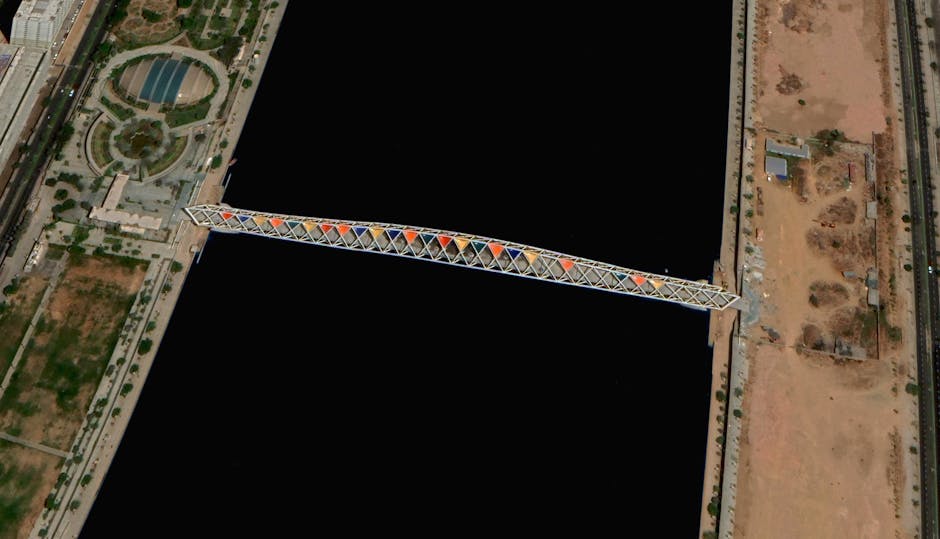
TPSs involve plot reconstitution, where existing land parcels are consolidated and redistributed to create well shaped plots with access to planned infrastructure. This process aims to reduce haphazard development and optimize land use.
Plot reconstitution under the TPS framework results in enhanced land value for landowners due to improved accessibility and infrastructure. Landowners receive reconstituted plots based on their original landholding, subject to deductions for public amenities and infrastructure. The process is governed by the Gujarat Town Planning and Urban Development Act.
FSI/FAR (Floor Space Index/Floor Area Ratio) regulations within the TPS boundary are carefully defined to control building density and ensure adequate open spaces. The allowed FSI/FAR varies depending on the zone designated in the TPS, typically ranging from 1.0 to 2.25. Higher FSI/FAR is often permitted along major roads and in areas designated for commercial development.
Infrastructure provision within the TPS boundary is a key component of the scheme. This includes roads, water supply lines, sewerage networks, stormwater drainage, and electricity supply. The cost of infrastructure development is typically shared between the landowners and the local authority.
The spatial DNA of Manipur is evolving from a predominantly agricultural landscape to a mixed use zone with residential, commercial, and industrial components. The implementation of TPSs is shaping the urban form, creating a more organized and efficient layout. Strategic planning aims to balance development with environmental sustainability.
The success of TPS in Manipur hinges on effective community participation and transparent implementation. Landowners are involved in the planning process through public consultations and grievance redressal mechanisms. The local authority plays a crucial role in coordinating the scheme and ensuring its timely completion.
The long term vision for Manipur includes the creation of a well planned and sustainable urban environment. This involves promoting compact development, reducing reliance on private vehicles, and enhancing green spaces. The ongoing TPSs are contributing significantly to achieving this vision.
Historically, Manipur was a predominantly agricultural area characterized by scattered settlements. The area's growth trajectory shifted significantly with the expansion of Ahmedabad and the development of industrial corridors. The availability of land and strategic location attracted industrial and residential development.
The historical growth patterns were largely organic and unplanned, leading to issues such as inadequate infrastructure and traffic congestion. The introduction of Town Planning Schemes (TPSs) marked a turning point towards planned development. TPSs aimed to rectify the shortcomings of past growth and guide future development in a more sustainable manner.
Analyzing historical growth reveals a trend of increasing population density and land value appreciation. The demand for housing and commercial space has been steadily rising, driven by economic opportunities in the region. This has put pressure on land resources and infrastructure.
Future growth scenarios for Manipur envision a well integrated urban center with a mix of residential, commercial, and industrial activities. These scenarios are based on projected population growth, economic development, and infrastructure investment. Planners anticipate a shift towards transit oriented development and sustainable building practices.
The projected population growth for Manipur over the next decade is estimated to be between 3% and 5% per annum. This growth will require significant investment in housing, infrastructure, and social amenities. The local authority is actively planning for this growth through strategic land use planning and infrastructure development projects.
Comparing historical growth with future scenarios highlights the importance of proactive planning and effective governance. The challenges of managing rapid urbanization require a coordinated approach involving various stakeholders, including government agencies, developers, and the community. Sustainable development practices are crucial for ensuring the long term viability of Manipur as a thriving urban center.
The FSI/FAR (Floor Space Index/Floor Area Ratio) regimes in Manipur are determined by the zonal master plan and the provisions of the Town Planning Schemes (TPSs). The FSI/FAR varies depending on the land use zone, with higher FSI/FAR typically permitted in commercial and high density residential areas. The objective of the FSI/FAR regulations is to control building density and ensure adequate open spaces and infrastructure capacity.
The zonal master plan for Manipur outlines the broad land use designations and development controls for the area. The master plan is prepared by the Ahmedabad Urban Development Authority (AUDA) and is subject to periodic revisions to reflect changing development needs. The master plan provides a framework for guiding development decisions and ensuring consistency with regional planning objectives.
Regulatory alignments between different government agencies are essential for effective planning and development. This involves coordination between AUDA, the Gujarat Town Planning Department, and other relevant agencies. The goal is to streamline the approval process and ensure that development projects comply with all applicable regulations.
The Gujarat Town Planning and Urban Development Act provides the legal framework for town planning and development in Manipur. This Act empowers AUDA to prepare and implement master plans and TPSs. The Act also provides for the acquisition of land for public purposes and the regulation of building activities.
The implementation of the master plan and TPSs is monitored by AUDA through regular inspections and enforcement actions. Developers are required to obtain building permits and comply with all applicable regulations. Violations of the regulations can result in penalties, including fines and demolition orders.
The planning and governance framework for Manipur aims to promote sustainable and equitable development. This involves balancing economic growth with environmental protection and social equity. The objective is to create a livable and vibrant urban center that meets the needs of its residents and businesses.
The effectiveness of the planning and governance framework depends on transparency, accountability, and community participation. AUDA is committed to engaging with the community in the planning process and providing opportunities for feedback and input. The goal is to ensure that development decisions are informed by the needs and aspirations of the community.
Infrastructure readiness is a critical factor in supporting the growth and development of Manipur. The availability of adequate water supply, power, and transit facilities is essential for meeting the needs of the growing population and businesses.
The water supply infrastructure in Manipur is primarily sourced from the Narmada Canal and supplemented by groundwater. The capacity of the water supply system is being expanded to meet the increasing demand. Regular maintenance and upgrades are necessary to ensure the reliability of the water supply.
The power infrastructure in Manipur is connected to the Gujarat state grid. The area receives a reliable supply of electricity, with sufficient capacity to meet current and projected demand. Ongoing investments are being made to upgrade the power grid and improve its resilience.
Transit infrastructure in Manipur includes a network of roads, buses, and auto rickshaws. The area is well connected to Ahmedabad and other major cities in Gujarat. The Ahmedabad Metro Rail project is being extended to Manipur, which will significantly improve connectivity and reduce traffic congestion.
Arterial connectivity is crucial for facilitating the movement of goods and people in and out of Manipur. The area is served by major highways and expressways, providing access to regional and national markets. Planned infrastructure projects include the construction of new roads and the widening of existing ones to improve connectivity and reduce travel times.

The quality of the physical infrastructure in Manipur is generally good, but there is room for improvement. Ongoing investments are needed to upgrade existing infrastructure and expand capacity to meet future demand. The local authority is actively working to address these needs through strategic planning and infrastructure development projects.
The environmental impact of infrastructure development is a major consideration in the planning process. Efforts are being made to minimize the environmental footprint of infrastructure projects through the use of sustainable materials and construction practices. The goal is to ensure that infrastructure development is environmentally responsible and contributes to the long term sustainability of Manipur.
The health of institutional assets and social amenities is vital for the well being of the community in Manipur. This includes schools, hospitals, community centers, parks, and recreational facilities. The availability of these amenities contributes to the quality of life and attracts residents and businesses to the area.
The education infrastructure in Manipur includes a mix of public and private schools, catering to students of all ages. The quality of education is generally good, but there is a need for more investment in teacher training and infrastructure upgrades. Efforts are being made to improve the quality of education and ensure that all students have access to quality learning opportunities.
The healthcare infrastructure in Manipur includes hospitals, clinics, and medical centers. The area is served by both public and private healthcare providers. There is a need for more specialized medical services and improved access to healthcare for underserved populations.
Community centers and recreational facilities provide opportunities for social interaction and physical activity. These amenities are essential for promoting community cohesion and improving the health and well being of residents. The local authority is actively working to expand the availability of these amenities.
Parks and green spaces provide environmental benefits and recreational opportunities. They contribute to the aesthetic appeal of the area and provide a space for residents to relax and enjoy nature. The local authority is committed to preserving and expanding green spaces in Manipur.
The social infrastructure index for Manipur is relatively high, reflecting the availability of essential social amenities. However, there is room for improvement in certain areas, such as access to specialized healthcare and quality education. The local authority is working to address these needs through strategic planning and investment in social infrastructure.
The integration of social infrastructure with physical infrastructure is a key consideration in the planning process. Efforts are being made to locate social amenities in accessible locations and to ensure that they are well connected to the surrounding community. The goal is to create a cohesive and integrated urban environment that meets the needs of all residents.
Land records in Manipur are maintained by the Gujarat state government through the AnyROR (Any Records of Rights) system. AnyROR Gujarat - Land Records This system provides online access to land records, including ownership details, land use classifications, and survey maps. Accurate and up to date land records are essential for ensuring transparency and security in land transactions.
Title verification is a crucial step in any land transaction. This involves verifying the ownership of the land and ensuring that there are no encumbrances or disputes. The AnyROR system can be used to access land records and verify title. It is also advisable to conduct a physical inspection of the land and consult with a lawyer to ensure that the title is clear.
The land reconstitution process under the Town Planning Scheme (TPS) involves consolidating and redistributing land parcels to create well shaped plots with access to planned infrastructure. This process is governed by the Gujarat Town Planning and Urban Development Act. Landowners are compensated for any land that is taken for public purposes.
The steps involved in land reconstitution are as follows:
- Preparation of the TPS: The local authority prepares a draft TPS, outlining the proposed land use plan and infrastructure improvements.
- Public consultation: The draft TPS is made available for public review and comment. Landowners have the opportunity to provide feedback and suggestions.
- Approval of the TPS: After considering public feedback, the local authority approves the final TPS.
- Implementation of the TPS: The local authority implements the TPS, which involves acquiring land, constructing infrastructure, and redistributing land parcels.
- Compensation: Landowners are compensated for any land that is taken for public purposes.
Dispute resolution mechanisms are in place to address any disputes that may arise during the land reconstitution process. Landowners have the right to appeal decisions made by the local authority. The Gujarat High Court is the ultimate authority for resolving land disputes.
The maintenance of accurate and up to date land records is essential for ensuring the success of the TPS. The AnyROR system is continuously updated to reflect changes in land ownership and land use. This ensures that the land records are reliable and can be used for making informed decisions about land development.
The transparency and accessibility of land records are critical for promoting investment and economic development. The AnyROR system provides a convenient way for investors to access land records and verify title. This reduces the risk of land disputes and promotes confidence in land transactions.
The presence of industrial corridors significantly impacts the economic landscape of Manipur. These corridors attract investment, create jobs, and stimulate economic growth. The Gujarat Industrial Development Corporation (GIDC) plays a key role in developing and managing industrial estates along these corridors. Gujarat Industrial Development Corporation (GIDC)
The industrial corridors in the vicinity of Manipur include the Ahmedabad Vadodara Expressway corridor and the Sanand industrial area. These corridors are home to a diverse range of industries, including automotive, pharmaceuticals, textiles, and engineering. The presence of these industries creates a demand for housing, commercial space, and other services in Manipur.
The economic commuters traveling to and from Manipur contribute significantly to the local economy. These commuters spend money on transportation, food, and other goods and services. They also contribute to the tax base of the local authority.
The impact of industrial corridors on land values in Manipur is significant. Land values tend to be higher in areas that are close to industrial corridors due to the increased demand for land. This can benefit landowners but also make it more difficult for low income families to afford housing.
The economic activities generated by industrial corridors can also have negative environmental impacts, such as air and water pollution. It is important to implement environmental regulations and promote sustainable industrial practices to mitigate these impacts.
The planning process should take into account the impact of industrial corridors on the local economy and environment. This includes providing adequate infrastructure to support industrial activities, promoting sustainable development practices, and addressing the social impacts of economic growth.
The long term economic vision for Manipur includes the creation of a diversified and resilient economy. This involves attracting investment in new industries, promoting innovation, and creating a skilled workforce. The local authority is actively working to achieve this vision through strategic planning and economic development initiatives.
Property price modeling in Manipur involves analyzing various factors that influence property values, such as location, size, amenities, and market conditions. Statistical models are used to predict future property prices based on historical data and current trends. This information is valuable for investors looking to make informed decisions about buying or selling property.
Absorption forecasts estimate the rate at which new properties are sold or leased in a given area. These forecasts are based on factors such as population growth, employment growth, and housing demand. High absorption rates indicate strong demand for property, which can lead to price appreciation.
Strategic ROI (Return on Investment) analysis involves evaluating the potential returns on investment for different types of property in Manipur. This includes considering factors such as rental income, capital appreciation, and operating expenses. ROI analysis helps investors to identify the most profitable investment opportunities.
The property market in Manipur is currently experiencing strong growth, driven by factors such as economic development, infrastructure improvements, and population growth. Residential property prices have been increasing steadily over the past few years, and demand for commercial property is also strong.
Investment opportunities in Manipur include residential development, commercial development, and industrial development. Residential development opportunities include the construction of new apartments, townhouses, and single family homes. Commercial development opportunities include the construction of new office buildings, retail centers, and hotels. Industrial development opportunities include the construction of new factories, warehouses, and logistics facilities.
Risk factors associated with investing in property in Manipur include economic downturns, changes in government regulations, and natural disasters. It is important to conduct thorough due diligence and to diversify investments to mitigate these risks.
The long term investment outlook for Manipur is positive, driven by its strategic location, strong economic growth, and proactive government policies. The area is expected to continue to attract investment in property and infrastructure, making it a promising location for long term investors.
Table 1: Comparative Property Price Data
| Property Type | Average Price (INR/sq ft) | Annual Appreciation (%) | Rental Yield (%) |
|---|---|---|---|
| Residential Apartment | 4500 | 8 | 2.5 |
| Commercial Office Space | 6000 | 10 | 3.0 |
| Industrial Land | 2000 | 12 | N/A |
Table 2: Infrastructure Investment Data
| Infrastructure Type | Planned Investment (INR Cr) | Completion Timeline | Impact on ROI |
|---|---|---|---|
| Metro Rail Extension | 5000 | 3 years | Positive |
| Road Widening Project | 2000 | 2 years | Positive |
| Water Supply Upgrade | 1000 | 1 year | Neutral |
Conclusion: Final Verdict.
Manipur, Ahmedabad, presents a compelling investment landscape characterized by planned development via Town Planning Schemes, robust infrastructure enhancements, and a thriving economic environment fueled by nearby industrial corridors. Careful navigation of FSI/FAR regulations, land reconstitution processes, and proactive risk mitigation are crucial for maximizing ROI. The positive long term outlook, underpinned by consistent economic growth and strategic governmental policies, positions Manipur as a promising destination for informed and discerning investors.