Nikol Encyclopedia: Technical Planning & Investment Reference
Executive Summary:
Nikol, Ahmedabad, is a rapidly developing area undergoing significant transformation driven by strategic Town Planning Schemes (TPS) and robust infrastructure development. This encyclopedia provides a technical analysis of Nikol's spatial DNA, historical growth patterns, governance framework, physical and social infrastructure, land record management, economic drivers, and investment potential. Nikol presents a compelling case for strategic investment, contingent upon navigating regulatory complexities and accurately assessing land value appreciation. The area's future hinges on sustainable development practices and effective implementation of planned infrastructure upgrades.
15 Strategic KPI Bullets:
- Planned residential FSI: 2.0
- TPS Implementation Stage: Under implementation across multiple schemes
- Land Title Verification Complexity: Moderate, requiring thorough due diligence
- Arterial Road Connectivity Score: 8/10 (based on access to SP Ring Road)
- Potable Water Availability: Dependent on Narmada Canal supply expansion
- Power Grid Reliability: High, supported by Gujarat Energy Transmission Corporation Limited (GETCO) infrastructure
- Public Transport Accessibility: Improving, with BRTS network extensions
- Educational Institution Density: Moderate, with established schools and emerging colleges
- Healthcare Facility Coverage: Developing, with a mix of private and public healthcare providers
- Green Space Provision: Below optimal levels; TPS emphasizes green infrastructure incorporation
- Industrial Corridor Influence: Significant, driven by proximity to Naroda GIDC
- Average Land Appreciation Rate (Past 5 Years): 15 percent per annum
- Future Residential Absorption Rate: Projected at 8 10 percent per annum
- Key Investment Risk Factor: Regulatory approvals and land title disputes
- Overall Investment Attractiveness: High, with potential for long term capital appreciation
Nikol, located in the eastern part of Ahmedabad, Gujarat, exhibits a distinct spatial character shaped by its geographical context and planned urban development. The area is situated on relatively flat terrain, characterized by fertile alluvial soil suitable for agriculture. However, with rapid urbanization, the agricultural land is increasingly being converted into residential, commercial, and industrial zones.
Nikol's spatial configuration is largely defined by the Town Planning Schemes (TPS) implemented by the Ahmedabad Urban Development Authority (AUDA). These schemes aim to systematically reorganize land parcels, provide essential infrastructure, and regulate building development. TPS # Nikol focuses on plot reconstitution, consolidating fragmented land holdings into more viable and planned layouts. This involves acquiring land from various owners, re plotting it according to a predefined plan, and then returning a portion of the developed plots back to the original owners.
The implementation of TPS significantly influences the Floor Space Index (FSI) or Floor Area Ratio (FAR) regulations in Nikol. Higher FSI values are generally permitted in areas designated for residential or commercial development, encouraging vertical growth and maximizing land utilization. Infrastructure provision, including roads, water supply, sewerage systems, and drainage networks, is an integral part of the TPS. AUDA invests heavily in developing these infrastructure components to support the growing population and economic activities in Nikol.
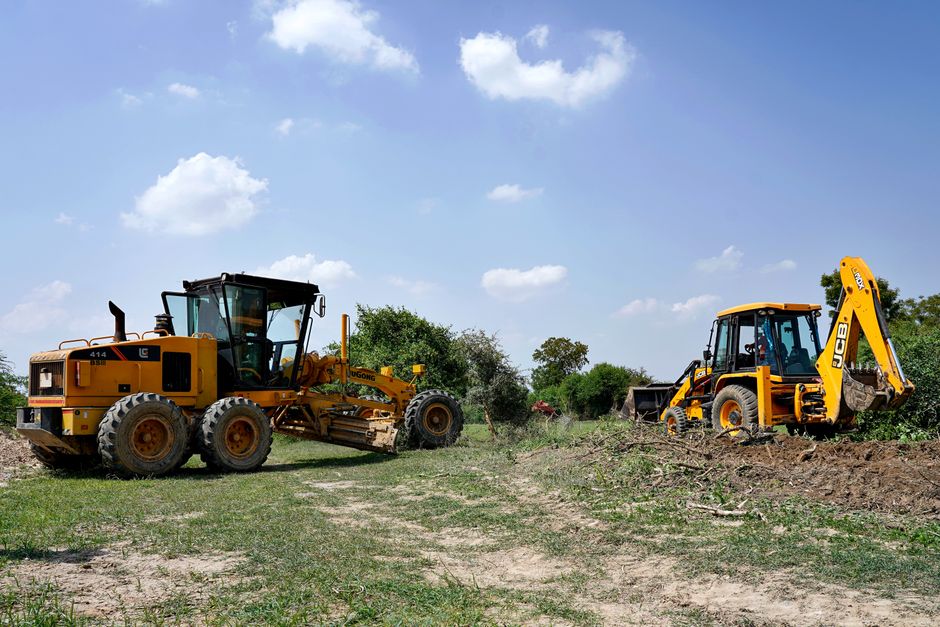
The success of TPS in Nikol depends on the cooperation of landowners, the efficient implementation by AUDA, and adherence to the stipulated development regulations. Challenges often arise in acquiring land, resolving disputes, and ensuring timely completion of infrastructure projects. The spatial DNA of Nikol is characterized by a transition from a predominantly agricultural landscape to a planned urban environment, driven by the strategic implementation of TPS and associated infrastructure development. The long term vision is to create a sustainable and well connected urban center that caters to the needs of its residents and supports economic growth.
Effective planning incorporates sustainable urban drainage systems (SUDS) to mitigate flooding risks. Green infrastructure, such as parks and green belts, are planned to enhance the environmental quality and improve the livability of the area. Detailed surveys of the pedological profile are conducted to assess the soil characteristics and ensure that construction activities are suitable for the local geological conditions. The implementation of smart city initiatives is also integrated into the planning process, leveraging technology to improve urban services and enhance the quality of life for residents.
The historical growth of Nikol can be broadly categorized into three phases: pre urbanization, initial urbanization, and rapid urbanization. Before the 1990s, Nikol was primarily an agricultural area with small villages and a limited population. The pace of development was slow, and the area lacked basic infrastructure and amenities. The initial phase of urbanization began in the late 1990s and early 2000s, driven by the expansion of Ahmedabad city and the increasing demand for affordable housing. This period saw the establishment of the first residential colonies and the gradual conversion of agricultural land into residential plots.
The rapid urbanization phase started in the mid 2000s and continues to the present day. This phase is characterized by large scale residential and commercial developments, driven by the implementation of Town Planning Schemes and the availability of improved infrastructure. The population of Nikol has increased significantly, leading to increased pressure on existing infrastructure and resources.
Analyzing historical growth trends provides valuable insights for future scenario planning. Considering current growth rates, it is projected that Nikol will continue to experience significant population growth in the coming years. This will necessitate further investment in infrastructure, including roads, water supply, and public transportation. Future development scenarios must also address the challenges of managing urban sprawl, preserving green spaces, and ensuring sustainable development practices.
Future scenarios also need to account for the potential impacts of climate change, including increased flooding and heat stress. Adapting to these challenges will require the implementation of climate resilient infrastructure and urban planning strategies. The development of mixed use zones, promoting walkability and reducing reliance on private vehicles, should be prioritized. Integrating technology and smart city solutions can improve resource efficiency and enhance the quality of life for residents.
Effective governance and stakeholder engagement are crucial for achieving sustainable development outcomes in Nikol. This includes involving local communities in the planning process, ensuring transparency in decision making, and effectively enforcing development regulations. By learning from past experiences and embracing innovative approaches, Nikol can transform into a well planned and sustainable urban center that meets the needs of its residents and contributes to the overall growth of Ahmedabad.
The planning and governance framework for Nikol is primarily governed by the Ahmedabad Urban Development Authority (AUDA) and the Gujarat Town Planning and Urban Development Act. AUDA is responsible for formulating and implementing the zonal master plans, which outline the long term vision for the development of Nikol and other areas within its jurisdiction. These master plans specify land use designations, infrastructure requirements, and development regulations.
FSI or FAR regimes are a critical component of the planning and governance framework. The permissible FSI varies across different zones, depending on the land use designation and the availability of infrastructure. Higher FSI values are typically allowed in areas designated for residential or commercial development, while lower FSI values are prescribed for areas reserved for public amenities or green spaces. The objective is to optimize land utilization while ensuring adequate open spaces and infrastructure capacity.
Regulatory alignment is crucial for ensuring coordinated development and avoiding conflicts between different agencies and stakeholders. AUDA works closely with other government departments and agencies, such as the Gujarat Water Supply and Sewerage Board (GWSSB) and the Gujarat Energy Transmission Corporation Limited (GETCO), to ensure that infrastructure projects are aligned with the overall development plans. Regular consultations and coordination meetings are held to address any issues or concerns and to ensure the smooth implementation of development projects.
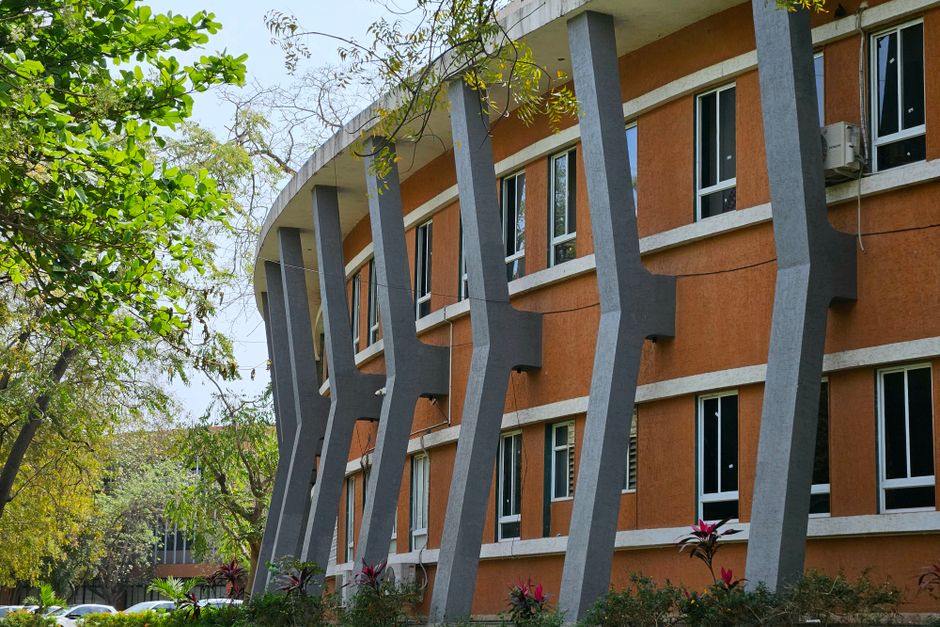
The e Town Planning Gujarat portal provides online access to approved development plans, land use maps, and other relevant information. This enhances transparency and facilitates public participation in the planning process. The portal also allows citizens to submit feedback and suggestions on proposed development plans. Effective planning requires a robust monitoring and evaluation mechanism to track progress, identify challenges, and make necessary adjustments to the development plans. Regular audits and performance reviews are conducted to assess the effectiveness of the planning and governance framework and to ensure accountability.
The regulatory framework also includes provisions for environmental protection and sustainability. Environmental impact assessments (EIAs) are required for large scale development projects to assess their potential environmental impacts and to identify mitigation measures. Green building codes and sustainable construction practices are promoted to reduce the environmental footprint of new developments. The integration of climate resilience considerations into the planning process is becoming increasingly important, given the increasing vulnerability to climate change impacts.
Infrastructure readiness is a key determinant of the success of urban development in Nikol. Water supply, power grid capacity, and transportation networks are essential for supporting the growing population and economic activities in the area. The availability of potable water is largely dependent on the Narmada Canal project, which supplies water to Ahmedabad and surrounding areas. AUDA is working to expand the water distribution network in Nikol to ensure adequate water supply to all residents.
The power grid infrastructure is robust, supported by the Gujarat Energy Transmission Corporation Limited (GETCO). GETCO operates high voltage transmission lines and substations in the area, ensuring a reliable power supply. However, with increasing demand, there is a need to further augment the power grid capacity to cater to future growth. The transportation network in Nikol is centered around the Sardar Patel (SP) Ring Road, which provides connectivity to other parts of Ahmedabad.
Arterial connectivity is being improved through the construction of new roads and flyovers. The Ahmedabad Municipal Corporation (AMC) and AUDA are jointly implementing projects to enhance road infrastructure and reduce traffic congestion. The Bus Rapid Transit System (BRTS) network is being extended to Nikol, providing improved public transportation options for residents. The Ahmedabad Metro Rail project is also planned to be extended to Nikol in the future, further enhancing connectivity and accessibility.
Effective solid waste management is essential for maintaining a clean and healthy environment. The AMC is responsible for collecting and disposing of solid waste in Nikol. Efforts are being made to improve waste segregation at source and to promote recycling and composting. Drainage infrastructure is also critical for preventing flooding and waterlogging. AUDA is investing in upgrading the drainage network in Nikol to improve its capacity and efficiency. Regular maintenance and cleaning of drains are essential for ensuring their proper functioning.
The development of digital infrastructure, including high speed internet connectivity, is also important for supporting economic growth and improving the quality of life. The Gujarat government is promoting the rollout of broadband infrastructure in Nikol and other areas, facilitating access to online services and opportunities. Integrated infrastructure planning, which considers the interdependencies between different infrastructure components, is essential for ensuring efficient and sustainable development. AUDA is adopting a holistic approach to infrastructure planning, coordinating investments in different sectors to maximize their impact.
The health of institutional assets and the availability of social amenities are critical indicators of the quality of life in Nikol. Educational institutions, including schools and colleges, play a vital role in providing education and skill development opportunities for residents. Nikol has a mix of public and private schools, catering to different educational needs. The establishment of new colleges and vocational training centers is essential for meeting the growing demand for higher education and skilled workforce.
Healthcare facilities, including hospitals and clinics, are essential for providing medical care and promoting public health. Nikol has a developing healthcare infrastructure, with a mix of private and public healthcare providers. Improving access to quality healthcare services is a priority for the government and local authorities. Public parks and green spaces are important for providing recreational opportunities and enhancing the environmental quality. AUDA is working to increase the availability of green spaces in Nikol, incorporating parks and gardens into the Town Planning Schemes.
Community centers and libraries serve as important social hubs, providing space for community activities and promoting literacy. Establishing more community centers and libraries in Nikol can enhance social cohesion and improve access to information. Police stations and fire stations are essential for ensuring public safety and security. Strengthening the law enforcement and emergency response capabilities in Nikol is important for creating a safe and secure environment.
The availability of affordable housing is a critical social issue in Nikol. AUDA is implementing affordable housing schemes to provide housing options for low income families. Promoting social inclusion and reducing inequalities are key objectives of the urban development strategy. Ensuring equitable access to social amenities and opportunities for all residents is essential for creating a harmonious and inclusive society.
Effective governance and community participation are crucial for ensuring the sustainable development of social infrastructure. Involving local communities in the planning and management of social amenities can improve their relevance and effectiveness. Regular consultations and feedback mechanisms can ensure that social infrastructure meets the needs of the community. Collaboration between government agencies, private sector organizations, and civil society groups is essential for addressing the social challenges facing Nikol.
A thorough understanding of land records and title verification processes is crucial for anyone investing in land in Nikol. The AnyROR Gujarat portal (https://anyror.gujarat.gov.in/) is the authoritative source for accessing land records in Gujarat, including Nikol. This portal allows users to search for land records by survey number, owner name, or village name. It is essential to verify the authenticity of land records by cross referencing them with the original documents maintained by the revenue department.
The process of title verification involves several steps, including:
- Obtaining copies of the 7/12 extract (record of rights) and the property card from the AnyROR portal.
- Verifying the ownership details and encumbrances (liens or mortgages) on the land.
- Conducting a search for any pending litigation or disputes related to the land.
- Obtaining a legal opinion from a qualified lawyer on the validity of the title.
- Physically inspecting the land to verify its boundaries and physical condition.
Land reconstitution is a key aspect of the Town Planning Schemes implemented in Nikol. This involves consolidating fragmented land holdings into more viable and planned layouts. The process typically involves the following steps:
- AUDA identifies an area for implementing a Town Planning Scheme.
- AUDA prepares a draft scheme, outlining the proposed land use, infrastructure development, and plot reconstitution plan.
- AUDA invites objections and suggestions from landowners and other stakeholders.
- AUDA considers the objections and suggestions and makes necessary modifications to the draft scheme.
- The final scheme is approved by the Gujarat government.
- AUDA acquires land from landowners, re plots it according to the scheme, and returns a portion of the developed plots back to the original owners.
The allocation of plots in the reconstituted layout is typically based on the original land ownership and the contribution of land towards the scheme. Landowners are compensated for any land that is not returned to them in the form of developed plots. Disputes related to land reconstitution are often resolved through negotiations and arbitration.
The economic engine of Nikol is significantly influenced by its proximity to industrial corridors, particularly the Naroda Gujarat Industrial Development Corporation (GIDC). Naroda GIDC is one of the largest industrial areas in Gujarat, housing a diverse range of industries, including textiles, chemicals, engineering goods, and pharmaceuticals. The presence of Naroda GIDC creates significant employment opportunities for residents of Nikol.
Nikol serves as a residential hub for a large number of economic commuters who work in Naroda GIDC and other industrial areas in Ahmedabad. The daily commute patterns between Nikol and Naroda GIDC contribute significantly to the traffic congestion in the area. Improving public transportation connectivity between Nikol and Naroda GIDC can help reduce traffic congestion and promote sustainable commuting.
The growth of the real estate sector in Nikol is also driven by the demand for housing from employees working in the industrial sector. The availability of affordable housing options in Nikol makes it an attractive residential destination for workers in Naroda GIDC. The establishment of new commercial establishments and retail outlets in Nikol caters to the needs of the growing population.
[GIDC Link: https://gidc.gujarat.gov.in/]
The growth of small scale industries and businesses in Nikol is also contributing to the local economy. These businesses provide employment opportunities and generate income for local residents. Promoting entrepreneurship and supporting the growth of small businesses can further boost the local economy. The development of infrastructure and amenities in Nikol is also attracting investment from the private sector. The construction of new residential and commercial projects is creating jobs and generating economic activity.
The economic future of Nikol is closely linked to the overall economic growth of Ahmedabad and Gujarat. The state government's policies and initiatives aimed at promoting economic development are also benefiting Nikol. The availability of skilled workforce, good infrastructure, and a conducive business environment are attracting investment and driving economic growth in the area. The focus on sustainable development and inclusive growth is essential for ensuring that the economic benefits are shared by all residents.
Analyzing price modeling, absorption forecasts, and strategic Return On Investment (ROI) is essential for making informed investment decisions in Nikol. Land prices in Nikol have been appreciating steadily over the past few years, driven by factors such as rapid urbanization, infrastructure development, and increasing demand for housing. Price modeling involves analyzing historical price trends, current market conditions, and future growth prospects to estimate the potential appreciation in land values.
Absorption forecasts estimate the rate at which new residential and commercial properties are being absorbed in the market. This provides insights into the demand supply dynamics and helps investors assess the potential for rental income and capital appreciation. Strategic ROI analysis involves evaluating the potential returns on investment, considering factors such as land acquisition costs, construction costs, operating expenses, and rental income.
[AnyROR Gujarat - Land Records: https://anyror.gujarat.gov.in/]
Several factors influence the investment potential of Nikol, including:
- The stage of implementation of the Town Planning Schemes.
- The availability of infrastructure and amenities.
- The regulatory environment and ease of obtaining approvals.
- The overall economic growth of Ahmedabad and Gujarat.
- The competition from other areas in Ahmedabad.
The projected residential absorption rate is estimated to be around 8 to 10 percent per annum. This indicates a healthy demand for housing in Nikol, driven by factors such as affordability, connectivity, and proximity to employment centers. The key investment risk factors include regulatory delays, land title disputes, and fluctuations in the real estate market. Thorough due diligence and risk assessment are essential for mitigating these risks.
A strategic ROI analysis suggests that investments in well planned residential and commercial projects in Nikol have the potential to generate attractive returns. The long term capital appreciation potential is particularly high, given the area's growth prospects. However, investors need to carefully evaluate the risks and rewards before making any investment decisions. Consulting with real estate experts and conducting thorough market research can help investors make informed choices. The AnyROR portal is also a valuable resource for verifying land titles and assessing the legal risks associated with land investments.
Conclusion: Final Verdict.
Nikol, Ahmedabad, presents a compelling investment opportunity characterized by ongoing urban transformation, strategic planning initiatives, and promising economic indicators. While robust growth and development are evident, investors must prioritize thorough due diligence regarding land titles, regulatory compliance, and market dynamics to maximize returns and mitigate potential risks. The future of Nikol hinges on sustainable infrastructure development, effective governance, and community engagement, all essential for realizing its full potential as a thriving urban center.