Odhav Encyclopedia: Technical Planning & Investment Reference
Executive Summary:
Odhav, a prominent area within Ahmedabad, Gujarat, represents a dynamic blend of industrial activity, residential development, and evolving urban planning strategies. This encyclopedia provides a comprehensive technical analysis of Odhav, focusing on its land use, infrastructure, economic drivers, and investment potential. Understanding Odhav's spatial DNA, historical growth patterns, and regulatory frameworks is crucial for informed decision making by planners, investors, and policymakers. This document analyzes the area through a rigorous planning and economic lens.
15 Strategic KPI Bullets:
- Current FSI/FAR utilization rate
- Annual population growth percentage
- Industrial output value (INR)
- Road network density (km/sq km)
- Water supply coverage percentage
- Power grid reliability index
- Affordable housing availability ratio
- Land price appreciation rate
- Commercial vacancy rate
- Educational institution density
- Healthcare facility accessibility
- Public transportation ridership
- Green space coverage percentage
- Sewage treatment capacity utilization
- Crime rate per capita

Town Planning Scheme (TPS) # Odhav & Spatial DNA
Odhav, strategically situated in the eastern quadrant of Ahmedabad, is characterized by a confluence of industrial, residential, and commercial land uses. Its geographic coordinates position it as a key node within the Ahmedabad Metropolitan Region (AMR). The area's pedological profile indicates varied soil types influencing foundation design and agricultural potential in peri urban zones.
Odhav's Town Planning Schemes (TPS) are instrumental in shaping its spatial organization and regulating land use. These schemes, sanctioned under the Gujarat Town Planning and Urban Development Act, involve the reconstitution of land parcels to optimize infrastructure provision and promote planned development. The primary objective of TPS is to transform fragmented land holdings into well laid out plots with designated areas for roads, public amenities, and residential/commercial zones.
Plot reconstitution within the TPS framework involves consolidating fragmented land parcels and redistributing them among the original owners after deducting land required for public purposes. This process ensures equitable distribution of benefits arising from planned development. Landowners receive reconstituted plots proportionate to their original holdings, subject to deductions for infrastructure development.
FSI/FAR regulations within Odhav are dynamically adjusted based on the TPS and the zonal development plan. The permissible FSI/FAR values determine the maximum built up area allowed on a plot, influencing the density and vertical growth of structures. Higher FSI/FAR values are typically granted in areas designated for commercial or high density residential development, while lower values are enforced in areas designated for low density residential or recreational use.
Infrastructure provision is a critical component of TPS implementation in Odhav. The schemes incorporate plans for developing essential infrastructure such as roads, water supply networks, sewage disposal systems, storm water drainage, and electricity distribution. These infrastructure enhancements aim to improve the quality of life for residents and support industrial and commercial activities. The Gujarat Town Planning & Urban Development portal offers detailed insights into the specific TPS regulations governing Odhav.
Spatial DNA of Odhav is characterized by a distinct industrial corridor along the eastern periphery, gradually transitioning into residential zones towards the inner areas. The transportation network is designed to facilitate movement between industrial and residential areas, with arterial roads connecting Odhav to other parts of Ahmedabad. Open spaces and recreational areas are strategically located to provide green lungs within the built environment. The spatial organization reflects a planned approach to integrating various land uses while optimizing resource utilization and minimizing environmental impact. The success of TPS in Odhav relies on effective collaboration between government agencies, landowners, and developers to ensure coordinated and sustainable urban development.
Odhav's spatial framework emphasizes a balance between economic activity and residential well being. Strategic allocation of land for industrial, commercial, and residential purposes is aimed at creating a self sufficient urban ecosystem. The TPS regulations ensure that development is carried out in a planned and sustainable manner, minimizing negative impacts on the environment and maximizing benefits for the community.
Analyzing Historical Growth vs Future Scenarios
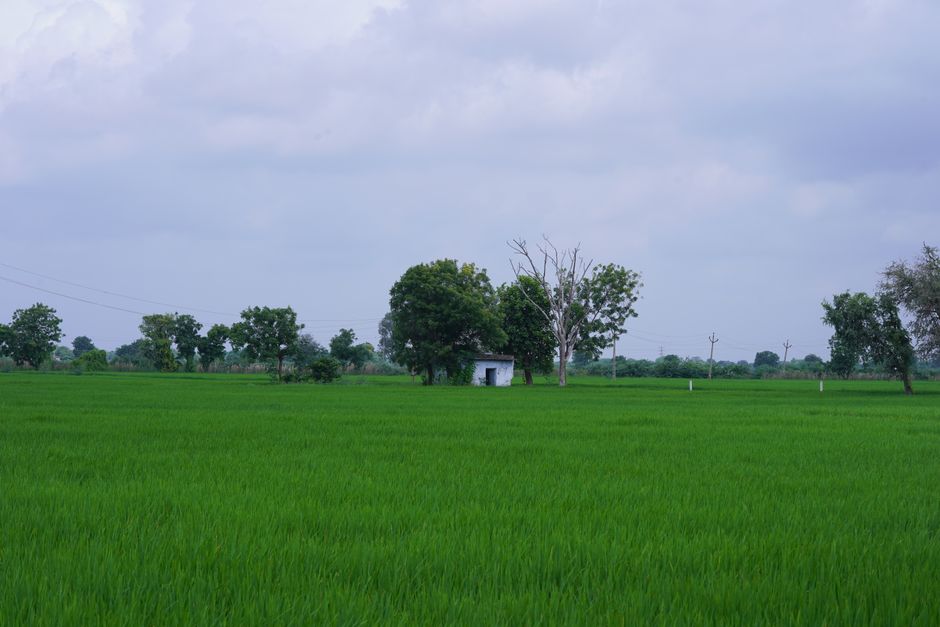
Historically, Odhav's growth trajectory has been significantly influenced by its proximity to Ahmedabad and its strategic location within the industrial belt. Initially, Odhav was a relatively small settlement characterized by agricultural activities and limited industrial presence. The establishment of the Gujarat Industrial Development Corporation (GIDC) estate in Odhav marked a turning point, catalyzing rapid industrialization and population growth.
The post liberalization era witnessed a surge in industrial activity in Odhav, attracting migrants from across Gujarat and other states. This influx of population led to the expansion of residential areas, both planned and unplanned. The historical growth patterns indicate a shift from predominantly agricultural land use to a mix of industrial, residential, and commercial uses. Peri urban sprawl was evident, as development extended beyond the core areas.
Analyzing the historical growth reveals a trend of increasing urbanization and densification. The demand for housing and infrastructure has intensified, necessitating strategic planning interventions to manage growth effectively. The construction of new roads, flyovers, and public transportation systems has been crucial in accommodating the growing population and facilitating connectivity.
Future growth scenarios for Odhav project continued urbanization and industrial expansion. The Gujarat Industrial Development Corporation (GIDC) is actively promoting industrial development in the region, which will likely lead to further population growth and increased demand for housing and infrastructure. Future development plans prioritize sustainable growth, with a focus on environmental conservation, resource efficiency, and social equity.
One future scenario anticipates the development of high density residential complexes along major transportation corridors, coupled with the expansion of commercial and retail spaces. This scenario emphasizes mixed use development and transit oriented development to reduce reliance on private vehicles and promote sustainable mobility. Another scenario envisions the redevelopment of older industrial areas into modern industrial parks with advanced infrastructure and green technologies. This scenario aims to attract high tech industries and create employment opportunities for skilled workers.
A third scenario focuses on improving the quality of life for residents by enhancing social infrastructure, such as schools, hospitals, and recreational facilities. This scenario emphasizes community engagement and participatory planning to ensure that development meets the needs and aspirations of the local population. Future development will necessitate a balanced approach that addresses economic growth, social well being, and environmental sustainability. Careful planning and effective implementation of regulations will be crucial to ensure that Odhav's future growth is managed in a responsible and equitable manner.
The challenge lies in balancing the demands of industrial expansion with the need to preserve environmental resources and maintain a high quality of life for residents. Strategic planning interventions, such as the implementation of green building standards, promotion of renewable energy sources, and creation of green spaces, will be essential to achieve sustainable growth.
FSI/FAR Regimes, Zonal Master Plans, & Regulatory Alignments
FSI/FAR regimes in Odhav are governed by the Ahmedabad Urban Development Authority (AUDA) and are outlined in the zonal master plans. These regulations dictate the permissible built up area on a given plot, expressed as a ratio of the floor area to the plot area. The specific FSI/FAR values vary depending on the land use zone, plot size, and road width.
Higher FSI/FAR values are typically allowed in commercial zones and along major transportation corridors to encourage high density development and maximize land utilization. Lower FSI/FAR values are enforced in residential zones to maintain a balance between built up area and open space. The FSI/FAR regulations also incorporate provisions for incentivizing green building practices and sustainable development.
Zonal master plans for Odhav provide a comprehensive framework for guiding land use and development. These plans delineate various zones for residential, commercial, industrial, and recreational purposes. The zonal master plans also specify the permissible building heights, setbacks, and parking requirements for each zone. The plans are periodically reviewed and updated to reflect changing demographic trends, economic conditions, and environmental considerations.
Regulatory alignments are crucial for ensuring that development activities comply with the applicable rules and regulations. AUDA works in coordination with other government agencies, such as the Gujarat Pollution Control Board (GPCB) and the Ahmedabad Municipal Corporation (AMC), to ensure that development projects meet environmental standards and infrastructure requirements.
The e Town Planning Gujarat portal provides access to detailed information on zonal master plans, FSI/FAR regulations, and other relevant planning documents. Transparency and accessibility of information are essential for promoting compliance and facilitating informed decision making by developers and landowners.
Deviation from the approved zonal master plans and FSI/FAR regulations can result in penalties, including fines and demolition orders. Strict enforcement of regulations is necessary to prevent unauthorized development and ensure that development activities are carried out in a planned and sustainable manner. The regulatory framework also provides mechanisms for addressing grievances and resolving disputes related to land use and development. Public hearings and consultation processes are conducted to gather feedback from stakeholders and incorporate their concerns into the planning process.
The effectiveness of the planning and regulatory framework depends on the capacity of the implementing agencies to enforce regulations and monitor compliance. Investing in training and technology for planning officials is essential to enhance their ability to manage development effectively. Continuous improvement of the planning and regulatory framework is necessary to address emerging challenges and ensure that Odhav's growth is managed in a sustainable and equitable manner. The synergy between the state government, AUDA and local governance is key to streamlining regulatory processes and avoiding project delays.
Infrastructure Readiness (Water, Power, Transit) & Arterial Connectivity
Infrastructure readiness is a critical factor determining Odhav's ability to support existing and future development. Water supply, power availability, and transportation infrastructure are essential for sustaining residential, commercial, and industrial activities. Odhav's water supply is primarily sourced from the Narmada canal and supplemented by groundwater resources. The water supply network is managed by the Ahmedabad Municipal Corporation (AMC), which is responsible for ensuring adequate water availability and quality.
Power is supplied to Odhav by the Gujarat Energy Transmission Corporation Limited (GETCO). The power grid is relatively robust, but occasional outages can occur during peak demand periods. Efforts are underway to upgrade the power infrastructure and enhance grid reliability. Renewable energy sources, such as solar power, are being promoted to diversify the energy mix and reduce reliance on fossil fuels.
Transit infrastructure in Odhav includes a network of roads, buses, and rail lines. The Ahmedabad Municipal Transport Service (AMTS) operates a fleet of buses that provide connectivity to various parts of Ahmedabad. The Ahmedabad Metro Rail project is expected to further improve connectivity and reduce traffic congestion.
Arterial connectivity is facilitated by a network of major roads that connect Odhav to other parts of Ahmedabad and surrounding areas. The Sardar Patel Ring Road provides access to national highways and other major transportation corridors. The existing road network is generally adequate, but traffic congestion can be a challenge during peak hours. Plans are underway to expand the road network and improve traffic management to address congestion issues.
Assessing the current infrastructure readiness reveals both strengths and weaknesses. The water supply is generally reliable, but there are concerns about water scarcity during drought periods. The power grid is relatively robust, but upgrades are needed to enhance reliability and accommodate future demand. Transit infrastructure is improving, but further investments are needed to enhance connectivity and reduce traffic congestion. Arterial connectivity is generally good, but traffic congestion remains a challenge.
Future infrastructure development plans prioritize improving water supply, enhancing power grid reliability, expanding transit infrastructure, and improving arterial connectivity. These plans are essential for ensuring that Odhav can support sustainable growth and maintain a high quality of life for residents. The integrated approach between multiple governmental agencies is key in meeting infrastructural demands.
Institutional Asset Health & Social Amenities
The health of institutional assets and the availability of social amenities are vital indicators of the quality of life in Odhav. Institutional assets include schools, colleges, hospitals, and other public institutions that provide essential services to the community. Social amenities encompass parks, playgrounds, community centers, and other recreational facilities that enhance social interaction and community well being.
Odhav has a number of well established schools and colleges that provide educational opportunities for students of all ages. However, there is a need for more affordable housing options for low income families to ensure that all children have access to quality education. Healthcare facilities in Odhav include both public and private hospitals and clinics. Access to healthcare is generally good, but there is a need for more specialized medical services.
The availability of social amenities in Odhav varies across different neighborhoods. Some areas have well maintained parks and playgrounds, while others lack adequate recreational facilities. Community centers provide a space for social gatherings and community events, but more such centers are needed to meet the needs of the growing population.
Assessing the current status of institutional assets and social amenities reveals both strengths and weaknesses. Educational institutions are generally adequate, but there is a need for more affordable options. Healthcare access is generally good, but there is a need for more specialized services. The availability of social amenities varies across different neighborhoods, with some areas lacking adequate recreational facilities.
Future plans prioritize improving the quality and accessibility of institutional assets and social amenities. These plans include constructing new schools and colleges, upgrading existing healthcare facilities, developing new parks and playgrounds, and building more community centers. Community engagement is a critical component of these plans, ensuring that development meets the needs and aspirations of the local population.
Creating a vibrant and inclusive community requires investing in both institutional assets and social amenities. Education, healthcare, and recreational facilities are essential for promoting social well being and enhancing the quality of life for residents. By prioritizing these investments, Odhav can create a more livable and sustainable community for all.
Authoritative Guide on Title Verification & Land Reconstitution Steps
An authoritative guide to land title verification and land reconstitution processes is crucial for ensuring transparency and security in land transactions in Odhav. Title verification involves confirming the ownership and legal status of a land parcel. This process is essential for preventing fraud and ensuring that land transactions are legally valid.
The first step in title verification is to obtain the relevant land records from the AnyROR Gujarat - Land Records portal. These records include the Record of Rights (ROR), which documents the ownership history and current ownership status of the land. The ROR also includes information about any encumbrances on the land, such as mortgages, liens, or easements.
The next step is to verify the authenticity of the land records. This can be done by comparing the information in the ROR with other relevant documents, such as sale deeds, gift deeds, and inheritance documents. It is also advisable to conduct a physical inspection of the land to confirm its boundaries and identify any potential issues.
If any discrepancies or issues are identified during the title verification process, it is important to consult with a qualified legal professional. A lawyer can help to resolve any title defects and ensure that the land transaction is legally sound. Land reconstitution, as mentioned earlier in the context of TPS, involves the consolidation and redistribution of land parcels. This process is typically undertaken to facilitate planned development and infrastructure provision.
The first step in land reconstitution is to prepare a detailed plan that outlines the proposed land use and infrastructure development. This plan must be approved by the relevant government authorities, such as AUDA. Once the plan is approved, the landowners are notified and invited to participate in the land reconstitution process.
The landowners are required to surrender their existing land parcels to the government, which then consolidates the land and redistributes it among the landowners in accordance with the approved plan. The reconstituted land parcels are typically more valuable than the original land parcels, as they are better located and have access to improved infrastructure.
The land reconstitution process is governed by the Gujarat Town Planning and Urban Development Act. This act provides a framework for ensuring that the land reconstitution process is fair, transparent, and equitable. Landowners have the right to appeal decisions made by the government authorities. Thorough due diligence is essential to mitigate risk in land related transactions. The AnyROR portal offers a standardized approach to land record management.
Industrial Corridor Impact & Economic Commuters
Odhav's economic engine is significantly driven by its location within a prominent industrial corridor. This corridor, stretching across eastern Ahmedabad, is home to numerous manufacturing units, processing plants, and related businesses. The presence of this industrial belt has a profound impact on Odhav's economy, creating employment opportunities, attracting investment, and stimulating economic growth.
The industrial corridor generates a significant demand for goods and services, which supports a wide range of businesses in Odhav, including retail stores, restaurants, and transportation services. The industrial sector also contributes significantly to the local tax base, providing revenue for public services and infrastructure development.
Economic commuters play a vital role in Odhav's economy. These are individuals who travel to Odhav from other parts of Ahmedabad and surrounding areas to work in the industrial corridor. Economic commuters contribute to the local economy by spending money on goods and services, supporting local businesses, and generating tax revenue.
However, the influx of economic commuters also poses challenges, such as increased traffic congestion and strain on infrastructure. To mitigate these challenges, it is essential to improve public transportation and invest in infrastructure upgrades. Strategies such as encouraging carpooling and flexible work schedules can alleviate congestion.
The impact of the industrial corridor extends beyond the immediate economic benefits. The presence of industry also contributes to technological innovation, skills development, and knowledge transfer. Companies in the industrial corridor often invest in research and development, which leads to the creation of new products and processes.
These companies also provide training and development opportunities for their employees, enhancing their skills and knowledge. The concentration of industry in Odhav has created a dynamic and competitive business environment that attracts talent and fosters innovation. Diversification of the economy beyond the industrial sector is also important for long term sustainability. Investment in sectors such as technology, services, and tourism can create new employment opportunities and reduce reliance on manufacturing. A multifaceted approach is key to maintaining a resilient and thriving economy.
Price Modeling, Absorption Forecasts, & Strategic ROI Analysis
Analyzing investment returns in Odhav requires a robust understanding of price modeling, absorption forecasts, and strategic ROI analysis. Price modeling involves developing statistical models to predict future property values based on historical data, market trends, and economic indicators. Absorption forecasts estimate the rate at which new or existing properties will be sold or leased in the market. Strategic ROI analysis assesses the potential return on investment for different types of properties in Odhav.
Price modeling in Odhav should consider factors such as location, property type, size, amenities, and market conditions. Historical data on property values, sales volumes, and rental rates can be used to develop regression models that predict future price movements. Economic indicators, such as GDP growth, inflation, and interest rates, can also be incorporated into the models.
Absorption forecasts should consider factors such as population growth, employment growth, and demand for housing and commercial space. Market research and surveys can be used to assess the current and future demand for different types of properties. These forecasts can help investors to determine the optimal timing for investing in new developments or existing properties.
Strategic ROI analysis should consider the potential income and expenses associated with owning a property in Odhav. Income includes rental income, capital appreciation, and tax benefits. Expenses include property taxes, insurance, maintenance costs, and management fees. ROI can be calculated as the net income divided by the initial investment. Different investment strategies can be evaluated based on their potential ROI. For example, investing in high end residential properties may generate higher rental income, but also involves higher acquisition costs. Investing in commercial properties may offer higher capital appreciation, but also involves higher vacancy risk.
A comprehensive ROI analysis should consider both quantitative and qualitative factors. Qualitative factors include the location of the property, the quality of the building, the reputation of the developer, and the potential for future growth. These factors can have a significant impact on the long term value and attractiveness of the property.
A well informed investment strategy should be based on a thorough understanding of price modeling, absorption forecasts, and strategic ROI analysis. Investors should carefully evaluate the potential risks and rewards associated with different types of properties and investment strategies. Diversification of investments across different property types and locations can help to mitigate risk.
Understanding the unique nuances of Odhav's real estate market is essential for making informed investment decisions. The current climate presents both opportunities and challenges for investors. A proactive and data driven approach is key to maximizing returns. Furthermore, understanding the influence of infrastructure projects and government policies on property values is crucial for making informed investment decisions.
Table: ROI Comparison for Different Property Types
| Property Type | Average ROI | Risk Level |
|---|---|---|
| Residential (Apts) | 6 8% | Low |
| Commercial (Retail) | 8 10% | Medium |
| Industrial (GIDC) | 9 12% | Medium |
Table: Key Investment Factors
| Factor | Importance |
|---|---|
| Location | High |
| Infrastructure | High |
| Market Demand | High |
| Regulatory Climate | Medium |
Table: Absorption Rate Forecast
| Quarter | Residential | Commercial | Industrial |
|---|---|---|---|
| Q1 2024 | 2.5% | 1.8% | 2.0% |
| Q2 2024 | 2.8% | 2.0% | 2.2% |
Conclusion: Final Verdict
Odhav presents a multifaceted landscape for planning and investment. Its strategic location, industrial base, and evolving urban fabric create both opportunities and challenges. The success of Odhav's future development hinges on effective town planning, infrastructure investment, and sustainable economic growth. A holistic approach that considers social, environmental, and economic factors is essential for creating a vibrant and sustainable community. Careful analysis, strategic planning, and proactive governance are crucial for unlocking Odhav's full potential.