Sola Bhadaj Hebatpur Encyclopedia: Technical Planning & Investment Reference
Executive Summary:
Sola Bhadaj Hebatpur, located in the Ahmedabad urban agglomeration, is undergoing rapid transformation from a predominantly agricultural area to a mixed use zone. This encyclopedia provides a comprehensive analysis of the region's town planning schemes, infrastructure development, land records, economic drivers, and investment potential. Key challenges include managing peri urban sprawl, ensuring adequate infrastructure provision, and maintaining regulatory compliance. Strategic investment opportunities exist in residential, commercial, and industrial sectors, contingent on a thorough understanding of the evolving regulatory landscape and market dynamics. The encyclopedia is a critical resource for developers, investors, and policymakers seeking to navigate the complexities of this dynamic region.
15 Strategic KPI Bullets:
- Current Land Use Mix (Residential, Commercial, Industrial, Agricultural).
- Approved Town Planning Schemes (Number and Status).
- Average Land Prices (Residential, Commercial, Agricultural).
- FSI/FAR Allowed in Different Zones.
- Planned and Existing Infrastructure Capacity (Water, Power, Sewage).
- Connectivity to Major Arterial Roads and Transit Hubs.
- Social Infrastructure Availability (Schools, Hospitals, Public Spaces).
- Land Title Clarity and Mutation Records.
- Major Industries and Economic Activities.
- Employment Growth Rate.
- Commute Patterns and Transportation Demand.
- Projected Population Growth.
- Investment Absorption Rate (Residential, Commercial).
- Return on Investment (ROI) Estimates for Key Sectors.
- Regulatory Compliance Requirements.
Sola Bhadaj Hebatpur is situated in the western periphery of Ahmedabad city, Gujarat. The area is characterized by a transition from rural agricultural land to urbanized residential and commercial development. Its strategic location provides accessibility to Ahmedabad's established industrial and commercial hubs, making it an attractive zone for development.
The region is witnessing significant investment in residential projects, driven by affordability compared to core Ahmedabad areas. Key geographical features include relatively flat terrain, conducive to construction, and proximity to the Sabarmati River, albeit with associated flood management considerations.

Town Planning Schemes (TPS) are the primary instruments for planned development in Sola Bhadaj Hebatpur. These schemes involve land reconstitution, where original plots are rearranged and reallocated to landowners after deducting land for public purposes, such as roads, open spaces, and social infrastructure. The process is governed by the Gujarat Town Planning and Urban Development Act, 1976.
Plot reconstitution aims to create well shaped, accessible plots suitable for construction while ensuring equitable distribution of benefits and burdens among landowners. The success of TPS depends on effective stakeholder engagement, transparent valuation, and efficient implementation. Challenges often arise from resistance to land pooling, disputes over compensation, and delays in infrastructure provision.
FSI (Floor Space Index) and FAR (Floor Area Ratio) regulations define the permissible built up area on a plot relative to its size. Higher FSI/FAR values encourage denser development, while lower values promote lower density. The FSI/FAR regime in Sola Bhadaj Hebatpur is tiered, varying based on zone, plot size, and road width.
Infrastructure provision is a critical component of TPS. The schemes typically allocate land and funds for essential infrastructure, including water supply, sewerage, drainage, roads, and electricity. However, timely implementation and adequate capacity are crucial to support the growing population and prevent infrastructure deficits. This area is overseen by the Ahmedabad Municipal Corporation (AMC) and relevant state government agencies. The Ahmedabad Urban Development Authority (AUDA) also plays a role in the overall planning and development.
Spatial DNA in Sola Bhadaj Hebatpur is characterized by a gradual transformation from a predominantly agrarian landscape to a mixed use urban environment. Existing agricultural lands are being converted into residential layouts, commercial complexes, and industrial parks. The region is experiencing rapid horizontal expansion, leading to the emergence of new residential colonies and integrated townships. The spatial pattern also reflects a growing concentration of commercial activities along major roads and intersections.
Historically, Sola Bhadaj Hebatpur was primarily an agricultural area characterized by rural settlements and agricultural fields. The economy was largely dependent on agriculture and related activities. Land use patterns were predominantly agricultural, with scattered residential clusters and limited commercial establishments. The population density was relatively low, and infrastructure facilities were basic.
The historical growth pattern of Sola Bhadaj Hebatpur has been shaped by its proximity to Ahmedabad city and the expansion of urban areas. As Ahmedabad grew, the demand for land increased, leading to the conversion of agricultural land into residential and commercial plots. This peri urban sprawl has resulted in a rapid increase in population density and a shift in the economy from agriculture to urban activities.
Compared to its historical agrarian character, the future scenario for Sola Bhadaj Hebatpur anticipates a significant shift towards urbanization and industrialization. Increased demand for housing and commercial spaces is expected to drive further land conversion and infrastructure development. Improved connectivity to Ahmedabad and other major urban centers will likely attract more investment and employment opportunities. This will further accelerate the pace of urbanization.
Future scenarios also envision the development of integrated townships, industrial parks, and commercial hubs, transforming Sola Bhadaj Hebatpur into a self sufficient urban center. However, sustainable growth requires careful planning and management to mitigate the negative impacts of urbanization, such as environmental degradation, traffic congestion, and strain on infrastructure.
Effective town planning schemes and infrastructure investments are essential to guide the future growth of Sola Bhadaj Hebatpur. The focus should be on creating a balanced mix of residential, commercial, and industrial zones, ensuring adequate provision of social infrastructure, and promoting sustainable development practices. The Ahmedabad Municipal Corporation (AMC) and the Ahmedabad Urban Development Authority (AUDA) will play a crucial role in shaping the future growth trajectory of the region.
FSI/FAR (Floor Space Index/Floor Area Ratio) regimes are critical regulatory tools in shaping the urban landscape of Sola Bhadaj Hebatpur. These regulations define the maximum permissible built up area on a plot, influencing building density and overall urban form. The FSI/FAR values are typically tiered, varying based on zoning, plot size, road width, and other factors.
Higher FSI/FAR values are generally allowed in commercial zones and along major roads to encourage denser development and maximize land utilization. Lower FSI/FAR values are often prescribed in residential zones to maintain a balance between density and livability. The specific FSI/FAR regulations are outlined in the Development Control Regulations (DCR) of the Ahmedabad Urban Development Authority (AUDA).
Zonal Master Plans delineate land use zones within Sola Bhadaj Hebatpur, specifying the permitted activities and development regulations for each zone. These plans guide land use decisions and infrastructure investments, ensuring a coordinated and sustainable approach to urban development. The zonal plans are periodically reviewed and updated to reflect changing needs and priorities.
The alignment of regulations across different government agencies is crucial for effective governance and streamlined development processes. The Gujarat Town Planning and Urban Development Act, 1976, provides the legal framework for town planning and development in the state. The Ahmedabad Municipal Corporation (AMC) and the Ahmedabad Urban Development Authority (AUDA) are responsible for implementing the regulations and enforcing compliance.
Regulatory challenges often arise from conflicting jurisdictions, overlapping responsibilities, and inconsistencies in regulations. To address these challenges, it is essential to foster greater coordination and collaboration among government agencies. This includes harmonizing regulations, streamlining approval processes, and establishing clear lines of accountability. Digital platforms and online portals, such as e Town Planning Gujarat, are being increasingly used to improve transparency and efficiency in the regulatory process.
The integration of environmental considerations into planning and regulatory frameworks is also becoming increasingly important. This includes promoting green building practices, preserving open spaces, and mitigating the environmental impacts of development. Sustainable development principles should be embedded in all aspects of planning and governance to ensure the long term viability of Sola Bhadaj Hebatpur.
Infrastructure readiness is a critical determinant of the sustainable growth of Sola Bhadaj Hebatpur. The availability of essential infrastructure services, such as water supply, power, and transit, directly impacts the quality of life, economic productivity, and environmental sustainability. Assessing the current capacity and future needs of these infrastructure systems is essential for informed planning and investment decisions.
Water supply infrastructure includes sources, treatment plants, transmission pipelines, and distribution networks. The capacity of the existing water supply system needs to be adequate to meet the growing demand from residential, commercial, and industrial users. Investments in expanding water treatment capacity and improving distribution efficiency are crucial to ensure a reliable water supply.
Power infrastructure encompasses generation facilities, transmission lines, substations, and distribution networks. The increasing electricity demand requires investments in upgrading power generation capacity and transmission infrastructure. Promoting energy efficiency and renewable energy sources can help reduce the strain on the power grid.
Transit infrastructure includes roads, public transportation systems, and pedestrian facilities. The increasing population and economic activity necessitate investments in expanding road networks, improving public transportation, and promoting non motorized modes of transport. A well connected and efficient transit system is essential to reduce traffic congestion and improve accessibility.
Arterial connectivity plays a vital role in facilitating the movement of people and goods in and out of Sola Bhadaj Hebatpur. Access to major arterial roads, such as state highways and national highways, enhances the region's connectivity to Ahmedabad and other major urban centers. Improved connectivity attracts investment, promotes economic growth, and expands employment opportunities.
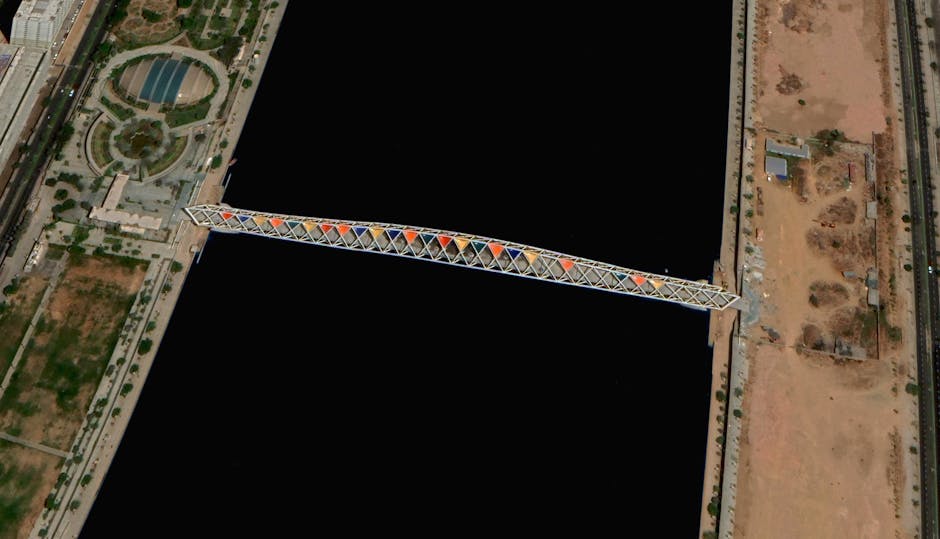
Investments in upgrading and expanding arterial road networks are essential to accommodate the increasing traffic volume. This includes widening existing roads, constructing new roads, and improving traffic management systems. Effective planning and coordination are necessary to ensure that infrastructure investments are aligned with the overall development objectives of Sola Bhadaj Hebatpur. The Gujarat Industrial Development Corporation (GIDC) also plays a role in developing infrastructure for industrial areas in the region.
Institutional asset health reflects the availability and quality of essential social infrastructure, such as schools, hospitals, and government offices, in Sola Bhadaj Hebatpur. These assets are crucial for providing basic services to the population and supporting the overall quality of life. Assessing the current capacity and condition of these assets is essential for identifying gaps and prioritizing investments.
Schools provide education and skills development opportunities for children and youth. The number and quality of schools need to be adequate to meet the growing demand from the increasing population. Investments in building new schools, upgrading existing facilities, and improving the quality of education are essential to ensure access to quality education for all.
Hospitals and healthcare facilities provide medical care and treatment for illnesses and injuries. The availability of hospitals, clinics, and diagnostic centers needs to be adequate to meet the healthcare needs of the population. Investments in expanding healthcare capacity, upgrading medical equipment, and improving healthcare services are essential to ensure access to quality healthcare for all.
Social amenities, such as parks, playgrounds, community centers, and libraries, enhance the livability and social well being of the community. The availability of these amenities provides opportunities for recreation, social interaction, and community engagement. Investments in creating new parks, playgrounds, and community centers are essential to promote social cohesion and improve the quality of life.
The equitable distribution of social infrastructure is crucial to ensure that all residents have access to essential services and amenities. Special attention should be given to addressing the needs of vulnerable populations, such as low income communities, senior citizens, and people with disabilities. Prioritizing investments in social infrastructure in underserved areas can help reduce inequalities and promote social inclusion.
The involvement of local communities in the planning and management of social infrastructure is essential for ensuring that these facilities meet the needs of the community. Community participation can help identify local priorities, build consensus, and promote ownership of social infrastructure projects.
Land records are a fundamental source of information on land ownership, land use, and land value. Accurate and up to date land records are essential for secure land tenure, efficient land transactions, and effective land management. The AnyROR Gujarat portal (https://anyror.gujarat.gov.in/) provides access to land records in Gujarat, including Sola Bhadaj Hebatpur.
Title verification is the process of confirming the legal ownership of a property. This involves examining land records, conducting title searches, and obtaining legal opinions to ensure that the seller has clear and marketable title to the property. Title verification is a crucial step in any land transaction to protect the buyer from legal risks and financial losses.
Land reconstitution is the process of rearranging and reallocating land parcels in a Town Planning Scheme (TPS). This involves consolidating fragmented land holdings, creating well shaped plots, and allocating land for public purposes. Land reconstitution aims to improve the efficiency of land use, enhance property values, and promote planned development.
The steps involved in land reconstitution typically include:
- Notification of the TPS by the Ahmedabad Urban Development Authority (AUDA).
- Survey and assessment of existing land holdings.
- Preparation of a draft TPS plan showing the proposed land reallocations.
- Public consultation and review of the draft plan.
- Finalization of the TPS plan by AUDA.
- Implementation of the TPS plan, including land pooling, plot reconstitution, and infrastructure development.
- Allocation of reconstituted plots to landowners.
The process is governed by the Gujarat Town Planning and Urban Development Act, 1976.
Mutations are changes in land records reflecting transfers of ownership, inheritance, or other changes in land rights. Registering mutations is essential to maintain accurate and up to date land records. The process of registering mutations typically involves submitting an application to the local land revenue office, providing supporting documents, and paying the required fees.
Challenges in land records management often arise from outdated records, incomplete information, and lack of transparency. Efforts are underway to modernize land records systems, digitize land records, and improve access to information. Initiatives such as the Digital India Land Records Modernization Programme (DILRMP) aim to improve the efficiency and transparency of land records management.
Industrial corridors are economic development zones designed to promote industrial growth and create employment opportunities. The presence of industrial corridors near Sola Bhadaj Hebatpur has a significant impact on the region's economy. These corridors attract investment, generate employment, and stimulate economic activity in surrounding areas. The Gujarat Industrial Development Corporation (GIDC) plays a key role in developing and managing industrial estates and corridors in the state.
The industrial corridor effect typically leads to increased demand for housing, commercial spaces, and social infrastructure in nearby areas. Sola Bhadaj Hebatpur benefits from this spillover effect, experiencing growth in residential and commercial development. The region also attracts a workforce employed in the industrial corridor, contributing to the local economy.
Economic commuters are individuals who travel to work in a different location than where they reside. Sola Bhadaj Hebatpur experiences a significant influx of economic commuters who work in Ahmedabad's industrial and commercial centers. This commute pattern places demands on transportation infrastructure and housing availability.
Understanding the commute patterns is essential for planning transportation infrastructure and promoting sustainable mobility. Efforts to improve public transportation, promote non motorized modes of transport, and encourage mixed use development can help reduce the commute burden and improve the quality of life for commuters.
The economic engine of Sola Bhadaj Hebatpur is increasingly driven by its proximity to Ahmedabad and the growth of the urban economy. While agriculture remains an important activity, the region is transitioning towards a more diversified economy, with increasing contributions from residential, commercial, and industrial sectors. Investments in infrastructure, education, and skills development are essential to sustain economic growth and create employment opportunities for local residents. The Gujarat State Portal (https://gujaratindia.gov.in/) provides information on various economic development initiatives in the state.
Price modeling is a technique used to estimate the value of real estate based on various factors, such as location, size, amenities, and market conditions. Accurate price modeling is essential for making informed investment decisions. Land prices in Sola Bhadaj Hebatpur have been steadily increasing due to rapid urbanization and increasing demand for land.
Absorption forecasts estimate the rate at which real estate properties are sold or leased in a given market. These forecasts are based on factors such as demand, supply, economic growth, and interest rates. The absorption rate in Sola Bhadaj Hebatpur is relatively high, reflecting strong demand for residential and commercial properties.
The absorption rate can be calculated as:
Absorption Rate = (Number of Properties Sold or Leased) / (Total Number of Properties Available)
Strategic ROI (Return on Investment) analysis involves assessing the potential profitability of an investment in real estate. This analysis considers factors such as purchase price, rental income, operating expenses, and appreciation potential. Strategic ROI analysis helps investors identify the most promising investment opportunities.
| Investment Type | Expected ROI | Risk Level | Investment Horizon |
|---|---|---|---|
| Residential Property | 8 12% | Medium | 5 10 years |
| Commercial Property | 10 15% | Medium to High | 7 12 years |
| Agricultural Land | 5 8% | Low to Medium | 10+ years |
The ROI estimates are indicative and subject to change based on market conditions.
Strategic investment opportunities in Sola Bhadaj Hebatpur exist in residential, commercial, and industrial sectors. Residential investments benefit from strong demand for affordable housing. Commercial investments are driven by the growth of the local economy and the need for retail and office spaces. Industrial investments are supported by the presence of industrial corridors and the availability of land.
Factors influencing ROI include:
- Location and accessibility.
- Infrastructure availability.
- Regulatory compliance.
- Market conditions.
- Management efficiency.
Investors should conduct thorough due diligence, including title verification, market research, and financial analysis, before making any investment decisions. Understanding the local market dynamics, regulatory environment, and risk factors is essential for maximizing ROI and minimizing potential losses.
Conclusion: Final Verdict
Sola Bhadaj Hebatpur represents a dynamic and evolving peri urban region with significant potential for growth and investment. Its strategic location, coupled with ongoing infrastructure development and increasing urbanization, makes it an attractive destination for developers, investors, and businesses. However, realizing this potential requires careful planning, effective governance, and sustainable development practices. The key to success lies in managing the challenges of peri urban sprawl, ensuring adequate infrastructure provision, and maintaining regulatory compliance. Strategic investments in residential, commercial, and industrial sectors, based on thorough due diligence and a clear understanding of market dynamics, can yield attractive returns. The future of Sola Bhadaj Hebatpur depends on the collective efforts of government agencies, private sector stakeholders, and local communities to create a vibrant, sustainable, and inclusive urban environment.