dholera Encyclopedia: Technical Planning & Investment Reference
Executive Summary:
dholera Special Investment Region (DSIR) represents a greenfield industrial city project strategically located in Gujarat, India. This encyclopedia provides a comprehensive technical and investment reference for DSIR, covering its geographical context, planning frameworks, infrastructure development, socioeconomic factors, land management, economic drivers, and investment potential. The project aims to create a globally competitive and sustainable economic hub, attracting manufacturing and technology industries, while improving the quality of life for its residents. The success of DSIR hinges on effective land management, robust infrastructure development, policy implementation, and attracting investment, all within a transparent and accountable framework.
15 Strategic KPI Bullets:
- Land Allotment Rate: Targeted vs. Actual
- Infrastructure Completion Timeline Adherence
- Investment Inflow (Domestic & Foreign)
- Industrial Production Growth (YOY)
- Employment Generation
- Residential Occupancy Rate
- Water Supply Capacity Utilization
- Power Consumption by Industry Sector
- Road Network Connectivity Index
- Social Infrastructure Adequacy Score
- Environmental Compliance Rating
- Ease of Doing Business Index
- Land Title Dispute Resolution Rate
- FAR Utilization Rate
- Overall Project IRR (Internal Rate of Return)
Location and Geographical Context:
dholera Special Investment Region (DSIR) is strategically located approximately 100 kilometers southwest of Ahmedabad, Gujarat, India. Its geographical coordinates place it in the Gulf of Khambhat, a region characterized by its industrial potential and proximity to major transportation corridors. The site selection was driven by its access to the Delhi Mumbai Industrial Corridor (DMIC), the availability of large tracts of contiguous land, and its coastal location facilitating port connectivity. The geological composition of the region is primarily alluvial soil, requiring specific engineering considerations for construction and infrastructure development.
The topography is generally flat, minimizing earthwork requirements for infrastructure projects. The climate is semi arid, with hot summers and mild winters, necessitating water conservation strategies and climate resilient design. dholera's coastal location provides access to marine resources and the potential for renewable energy generation, but also exposes it to the risk of sea level rise and coastal erosion, which are addressed through coastal protection measures and land use planning.
Town Planning Scheme (TPS) and Spatial DNA:
The Town Planning Scheme (TPS) is the backbone of dholera's planned development. It involves the consolidation of fragmented land holdings, replanning land use, and providing infrastructure to enhance land value and promote organized growth. Plot reconstitution is a key element of the TPS, where original land parcels are reconfigured into planned layouts, ensuring efficient land utilization and infrastructure provision. This process is governed by the Gujarat Town Planning and Urban Development Act, ensuring fairness and transparency. Land owners are compensated with reconstituted plots proportional to their original land holding.
The FSI/FAR regulations within the TPS define the permissible building density, influencing the built environment's character and land value. Higher FSI/FAR is typically allowed in core commercial and industrial zones, while lower FSI/FAR is assigned to residential and recreational areas to maintain a balanced urban fabric. Infrastructure provision within the TPS boundary is comprehensive, including roads, water supply, sewerage, drainage, and power distribution networks. The cost of infrastructure development is shared among the landowners through a betterment levy, ensuring equitable contribution and sustainable financing of the project. Gujarat Town Planning & Urban Development
The spatial DNA of dholera is characterized by its grid iron road network, distinct land use zoning, and dedicated industrial, residential, commercial, and institutional areas. Green spaces and recreational areas are integrated throughout the city to enhance livability and promote environmental sustainability. The planning emphasizes walkability and non motorized transportation, with dedicated pedestrian and bicycle lanes. The spatial organization is designed to optimize efficiency, connectivity, and quality of life. The TPS framework ensures that development aligns with the overall vision of creating a world class industrial city.

Historical Growth vs. Future Scenarios:
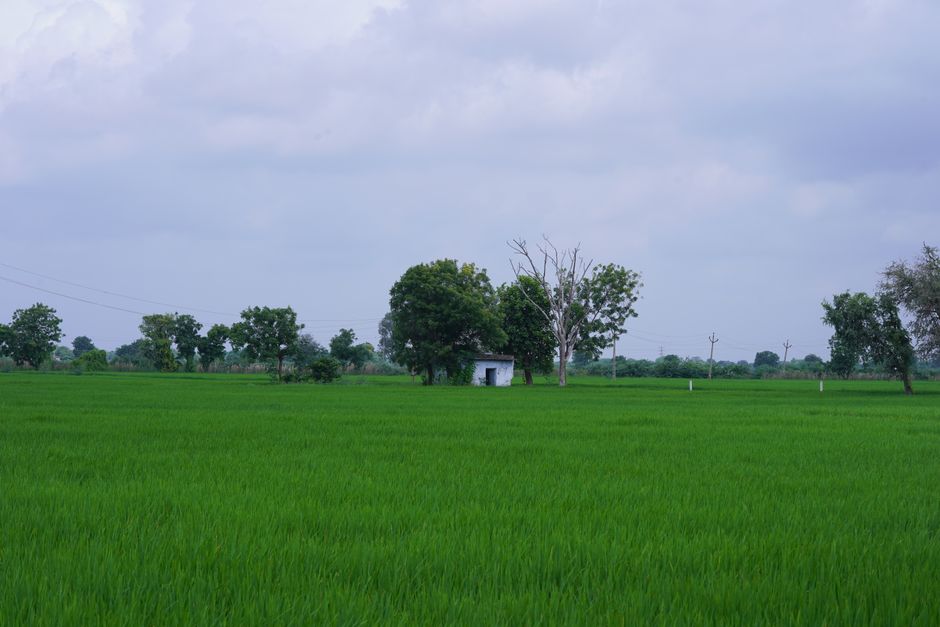
Prior to the DSIR project, dholera was a largely agrarian region with a sparse population and limited infrastructure. Historical growth was slow and characterized by traditional agricultural practices and small scale economic activities. The establishment of DSIR marked a paradigm shift, transforming the region into a planned industrial city. The historical growth rate of the region was negligible compared to the projected growth rates under the DSIR development plan. This transformation required significant investments in infrastructure, land acquisition, and policy reforms.
Future growth scenarios for dholera are predicated on attracting investments in manufacturing, technology, and services sectors. The projected population growth is expected to drive demand for residential, commercial, and social infrastructure. Scenario planning involves analyzing various economic growth rates, investment inflows, and policy interventions to anticipate future challenges and opportunities. Optimistic scenarios assume high investment inflows and rapid industrialization, leading to significant employment generation and population growth. Pessimistic scenarios consider delays in infrastructure development, policy bottlenecks, and slower economic growth, resulting in lower investment inflows and slower population growth.
A moderate growth scenario anticipates gradual industrialization, steady investment inflows, and phased infrastructure development. These scenarios are utilized to inform policy decisions, infrastructure planning, and resource allocation. Key assumptions underlying these scenarios include the success of government policies in attracting investment, the effectiveness of land acquisition and resettlement processes, and the timely completion of infrastructure projects. Monitoring key indicators such as investment inflows, employment generation, and population growth is crucial for tracking progress and adjusting strategies as needed.
The growth model considers both organic and inorganic drivers. Organic growth focuses on attracting new businesses and residents, while inorganic growth involves strategic acquisitions and partnerships. Sustainable growth is emphasized, ensuring that economic development is balanced with environmental protection and social equity. The long term vision for dholera is to become a self sustaining and globally competitive industrial city, contributing significantly to the economic development of Gujarat and India.
FSI/FAR Regimes, Zonal Master Plans, and Regulatory Alignments:
dholera operates under a sophisticated framework of FSI/FAR regimes, zonal master plans, and regulatory alignments designed to ensure balanced and sustainable development. The Floor Space Index (FSI) or Floor Area Ratio (FAR) dictates the permissible building area relative to the plot size, varying across different zones to manage density and land use. High FSI/FAR values are typically allocated to core commercial and industrial zones, promoting vertical development and efficient land utilization. Lower FSI/FAR values are assigned to residential and recreational zones, maintaining a balanced urban environment.
Zonal master plans delineate specific land uses, infrastructure networks, and development regulations for different zones within dholera. These plans guide development within industrial, residential, commercial, institutional, and recreational zones, ensuring compatibility and minimizing conflicts. The plans incorporate detailed guidelines on building heights, setbacks, parking requirements, and landscaping, promoting a cohesive and aesthetically pleasing urban fabric. The zonal master plans are periodically reviewed and updated to reflect changing needs and priorities.
Regulatory alignments ensure consistency and coordination between various government agencies and departments involved in dholera's development. This includes aligning policies related to land acquisition, environmental clearances, infrastructure development, and investment promotion. A single window clearance system streamlines the approval process for projects, reducing bureaucratic delays and promoting ease of doing business. Environmental regulations are strictly enforced to minimize the environmental impact of industrial activities.
The regulatory framework is designed to be transparent and predictable, fostering investor confidence and promoting sustainable development. Public participation is encouraged in the planning and decision making processes, ensuring that the needs and concerns of all stakeholders are considered. Regular audits and evaluations are conducted to assess the effectiveness of the regulatory framework and identify areas for improvement. The regulatory alignment aims to create a conducive environment for economic growth, social equity, and environmental sustainability. e Town Planning Gujarat
Comparative FSI/FAR Data (Example):
| Zone | FSI/FAR | Permitted Use |
|---|---|---|
| Industrial | 2.5 | Manufacturing, Warehousing |
| Commercial | 3.0 | Retail, Offices |
| Residential | 1.5 | Housing, Apartments |
| Institutional | 1.0 | Schools, Hospitals |
Infrastructure Readiness and Arterial Connectivity:
Infrastructure readiness is a critical factor in the success of dholera. Significant investments have been made in developing essential infrastructure, including water supply, power, transit, and communication networks. Water is sourced from the Narmada Canal, treated, and distributed through a network of pipelines. Power is supplied from the state grid, with provisions for renewable energy generation to enhance sustainability. A comprehensive transit system, including bus rapid transit (BRT) and metro rail, is planned to connect different parts of the city and facilitate commuting.
Arterial connectivity is ensured through a network of highways, expressways, and railways. dholera is connected to Ahmedabad and other major cities in Gujarat through a four lane highway. The Delhi Mumbai Industrial Corridor (DMIC) railway line passes through dholera, providing access to national and international markets. The planned dholera International Airport will further enhance connectivity, making it a major aviation hub.
Phased infrastructure development is aligned with the projected growth of the city. Infrastructure capacity is being expanded in stages to meet the increasing demand from industries and residents. Smart city technologies are being integrated into the infrastructure networks to improve efficiency and sustainability. This includes smart grids, intelligent transportation systems, and water management systems. Regular maintenance and upgrades are conducted to ensure the reliability and performance of the infrastructure networks. Gujarat Industrial Development Corporation (GIDC)
Challenges remain in ensuring timely completion of infrastructure projects and addressing the needs of a growing population. Coordination between different government agencies and private sector partners is crucial for overcoming these challenges. The long term sustainability of the infrastructure networks is ensured through efficient resource management, environmental protection measures, and community participation. The infrastructure readiness and arterial connectivity are key enablers for attracting investments and promoting economic growth.
Infrastructure Readiness Matrix (Example):
| Infrastructure | Status | Capacity |
|---|---|---|
| Water Supply | Operational | 100 MLD |
| Power Supply | Operational | 500 MW |
| Road Network | Partially Comp. | 200 km |
Institutional Asset Health and Social Amenities:
The health of institutional assets and the provision of social amenities are vital for creating a livable and sustainable community in dholera. Institutional assets include schools, hospitals, training centers, and research institutions. These institutions provide essential services and contribute to the intellectual and social capital of the city. The quality and accessibility of these institutions are key factors in attracting and retaining residents.
Social amenities include parks, recreational facilities, community centers, and cultural venues. These amenities enhance the quality of life and promote social interaction and community cohesion. Green spaces and recreational areas are integrated throughout the city to provide opportunities for relaxation, exercise, and social gathering. Cultural venues and community centers host events and activities that foster a sense of belonging and promote cultural diversity.
Phased development of social infrastructure is aligned with the population growth of the city. New schools, hospitals, and community centers are being planned and constructed to meet the increasing demand for these services. Public private partnerships are being utilized to finance and develop social infrastructure projects. Community participation is encouraged in the planning and design of social amenities to ensure that they meet the needs and preferences of the residents.
Challenges remain in ensuring equitable access to social amenities and addressing the diverse needs of the population. The long term sustainability of social infrastructure is ensured through efficient resource management, community engagement, and partnerships with non profit organizations. The health of institutional assets and the provision of social amenities are essential for creating a vibrant and inclusive community in dholera.
Social Infrastructure Provision (Example):
| Amenity | Provision Rate | Target Standard |
|---|---|---|
| Schools | 1 per 5000 population | CBSE Affiliated |
| Hospitals | 1 per 20000 population | Multi Speciality |
| Parks & Rec | 2 ha per 10000 pop. | Designated Green Zones |
Authoritative Guide on Title Verification and Land Reconstitution Steps:
Verifying land titles and understanding land reconstitution are crucial for investing in dholera. The land records in Gujarat are maintained digitally through the AnyROR system AnyROR Gujarat - Land Records. This online portal allows investors to search and view land records, including ownership details, survey numbers, and encumbrances. Title verification involves conducting a thorough search of land records to confirm ownership, identify any existing encumbrances (such as mortgages or liens), and ensure that the land is free from any legal disputes.
The steps involved in title verification include: 1. Obtaining Land Record Details: Access the AnyROR portal and search for the land record using the survey number, village name, and other relevant details. 2. Verifying Ownership: Confirm the ownership details listed in the land record and ensure that the seller is the legitimate owner of the land. 3. Checking for Encumbrances: Examine the land record for any entries indicating mortgages, liens, or other encumbrances. Obtain clearance certificates from relevant authorities to ensure that the land is free from any liabilities. 4. Conducting a Physical Survey: Conduct a physical survey of the land to verify its boundaries and identify any encroachments or disputes. 5. Obtaining Legal Opinion: Obtain a legal opinion from a qualified lawyer to assess the validity of the land title and identify any potential risks.
Land reconstitution is a key process in dholera's development, where original land parcels are reconfigured into planned layouts. This process is governed by the Gujarat Town Planning and Urban Development Act and is implemented through the Town Planning Scheme (TPS). Landowners are compensated with reconstituted plots that are proportional to their original land holdings.
The steps involved in land reconstitution include: 1. Notification of TPS: The government notifies the Town Planning Scheme, outlining the area to be redeveloped and the objectives of the scheme. 2. Land Acquisition and Pooling: Landowners are required to pool their land into a common pool, which is then reconfigured into planned layouts. 3. Valuation and Compensation: The value of each landowner's original land holding is assessed, and they are compensated with reconstituted plots that are proportional to their original value. 4. Infrastructure Development: Infrastructure, such as roads, water supply, and sewerage, is developed on the reconstituted plots. 5. Allotment of Reconstituted Plots: The reconstituted plots are allotted to the original landowners based on their original land holdings and the valuation process.
Transparency and fairness are ensured throughout the land reconstitution process. Landowners have the right to appeal against the valuation and allotment of reconstituted plots. The government provides support and assistance to landowners to facilitate the land reconstitution process. Understanding these processes is vital for investors seeking to acquire land in dholera.
Land Record Search Information (Example):
| Field | Description | Source |
|---|---|---|
| Survey Number | Unique ID of the land parcel | AnyROR Portal |
| Ownership Name | Name of the registered owner | AnyROR Portal |
| Encumbrances | Details of any mortgages or liens on the land | AnyROR Portal |
Industrial Corridor Impact and Economic Commuters:
dholera's strategic location within the Delhi Mumbai Industrial Corridor (DMIC) is a key economic driver. The DMIC is a mega infrastructure project aimed at creating a high tech industrial zone spanning six states in India. dholera is envisioned as a major manufacturing and industrial hub within the DMIC, attracting investments in various sectors, including automotive, engineering, electronics, and pharmaceuticals. The DMIC provides access to a vast market and a skilled workforce, enhancing dholera's competitiveness.
The industrial corridor impact extends beyond manufacturing, creating opportunities in logistics, transportation, and services sectors. The development of dholera is expected to generate significant employment opportunities, attracting economic commuters from nearby cities and regions. These commuters will require housing, transportation, and social amenities, driving demand for residential and commercial development.
The economic impact of dholera is expected to be substantial, contributing significantly to the GDP of Gujarat and India. The project aims to create a globally competitive industrial city that attracts investments, promotes innovation, and generates employment. Sustainable economic development is emphasized, ensuring that industrial growth is balanced with environmental protection and social equity. The focus is on attracting high value industries that create skilled jobs and promote technological innovation. Gujarat State Portal
The success of dholera as an economic engine depends on creating a conducive investment climate, providing world class infrastructure, and attracting a skilled workforce. Government policies and incentives play a crucial role in attracting investments and promoting industrial growth. Collaboration between government, industry, and academia is essential for fostering innovation and developing a skilled workforce. The long term vision is to create a self sustaining and globally competitive economic hub that contributes to the prosperity of Gujarat and India.
Economic Impact Indicators (Example):
| Indicator | Projection | Timeframe |
|---|---|---|
| Investment Inflow | $10 Billion | 10 Years |
| Employment Generation | 500,000 Jobs | 10 Years |
| GDP Contribution | 2% of Gujarat | 10 Years |
Price Modeling, Absorption Forecasts, and Strategic ROI Analysis:
Analyzing price modeling, absorption forecasts, and strategic ROI is crucial for evaluating investment opportunities in dholera. Price modeling involves analyzing historical land prices, market trends, and future growth projections to estimate the potential appreciation in land values. Several factors influence land prices in dholera, including location, zoning, infrastructure availability, and market sentiment. Statistical models are used to analyze these factors and forecast future land prices.
Absorption forecasts estimate the rate at which available land and properties are sold or leased in dholera. These forecasts are based on historical absorption rates, projected demand, and supply of land and properties. Factors influencing absorption rates include economic growth, investment inflows, population growth, and infrastructure development. Absorption forecasts are used to estimate the time it will take to sell or lease out available land and properties.
Strategic ROI analysis involves evaluating the potential return on investment for different types of projects in dholera. This analysis considers factors such as land costs, construction costs, operating expenses, and revenue projections. Different investment strategies are evaluated, including land banking, residential development, commercial development, and industrial development. The ROI is calculated for each strategy, considering various risk factors and market conditions.
Key considerations for investors include: 1. Land Acquisition Costs: Negotiate favorable land acquisition terms and ensure that the land title is clear and free from any encumbrances. 2. Construction Costs: Optimize construction costs by utilizing efficient building technologies and sourcing materials from reliable suppliers. 3. Operating Expenses: Minimize operating expenses by implementing energy efficient technologies and optimizing resource utilization. 4. Revenue Projections: Develop realistic revenue projections based on market research and demand analysis. 5. Risk Management: Identify and mitigate potential risks, such as delays in infrastructure development, policy changes, and market fluctuations.
Investors should conduct thorough due diligence and seek expert advice before making any investment decisions in dholera. The long term ROI potential is high, but it is essential to carefully evaluate the risks and opportunities. The success of dholera as an investment destination depends on creating a stable and transparent investment environment.
Investment Scenario ROI Example (Residential):
| Metric | Value | Unit |
|---|---|---|
| Land Cost | 5000 | INR/sq m |
| Construction Cost | 15000 | INR/sq m |
| Sale Price | 25000 | INR/sq m |
| Operating Expenses (Annual) | 2% of Revenue | % |
| Projected IRR | 15 | % |
Investment Risk Assessment (Example):
| Risk Factor | Impact | Mitigation Strategy |
|---|---|---|
| Policy Changes | High | Stay informed, diversify investments |
| Infrastructure Delays | Medium | Phase investments, monitor progress |
| Market Fluctuations | Medium | Conduct market research, hedge against risk |
Conclusion: Final Verdict.
dholera SIR presents a compelling long term investment opportunity driven by its strategic location, comprehensive planning, robust infrastructure, and supportive government policies. While challenges exist, including infrastructure completion timelines and fluctuating market conditions, the potential for substantial ROI remains significant. Investors should conduct thorough due diligence, understand the land acquisition and reconstitution processes, and carefully evaluate risk factors. The key to success lies in aligning investment strategies with the overall vision of creating a sustainable and globally competitive industrial city. dholera’s success will ultimately depend on effective execution of the master plan, attracting high value industries, and fostering a thriving community. The project is poised to contribute significantly to India's economic growth and development.