Kudasan Randesan Encyclopedia: Technical Planning & Investment Reference
Executive Summary:
Kudasan Randesan, located within the Gandhinagar Urban Development Authority (GUDA) jurisdiction, represents a rapidly evolving peri urban region undergoing significant transformation fueled by strategic infrastructure investments and robust economic activity. This encyclopedia provides a comprehensive analysis of the region's spatial dynamics, planning regulations, infrastructure readiness, and investment potential. Our analysis reveals Kudasan Randesan as a promising investment destination, contingent upon meticulous due diligence and a thorough understanding of evolving land use regulations. This analysis highlights key factors impacting value appreciation and risk mitigation.
15 Strategic KPI Bullets:
- Land Appreciation Rate: (Past 5 years avg.)
- Current FSI/FAR Regulations: (Key Zone)
- Planned Infrastructure Investments: (Next 3 years)
- Connectivity Score: (Arterial Roads & Public Transit)
- Social Infrastructure Index: (Schools, Hospitals, Amenities)
- Industrial Corridor Impact: (Job Creation & Economic Growth)
- GUDA Regulatory Compliance: (Adherence Score)
- Land Title Clarity: (Verified Transactions %)
- Water Supply Adequacy: (Projected Demand vs. Supply)
- Power Infrastructure Capacity: (Load Bearing Capacity)
- Sewage Treatment Coverage: (% of Area Served)
- Solid Waste Management Efficiency: (Collection & Processing Rate)
- Green Space Ratio: (Area under Green Cover)
- Property Tax Revenue: (Collection Efficiency)
- Future Development Potential: (Expansion Capacity)
Kudasan and Randesan are strategically located villages within the Gandhinagar district, Gujarat, now integrated into the Gandhinagar Urban Development Authority (GUDA) planning area. This integration facilitates planned urban expansion, addressing the pressures of peri urban sprawl emanating from Gandhinagar city. Their geographical positioning benefits from proximity to existing urban infrastructure and emerging industrial corridors.
The Town Planning Scheme (TPS) for Kudasan Randesan is a crucial instrument for regulating land use and promoting orderly development. TPS schemes involve land reconstitution, where individual land holdings are reorganized to create planned layouts with provisions for roads, public amenities, and infrastructure. This process aims to enhance land value and improve the overall quality of the built environment.
Plot reconstitution under the TPS involves adjusting property boundaries to conform to the planned layout. Landowners may receive smaller plots but with improved access, infrastructure, and potential for higher development intensity. This process requires careful negotiation and consensus building among landowners and the planning authority.
Floor Space Index (FSI) or Floor Area Ratio (FAR) regulations govern the permissible built up area on a given plot. Higher FSI/FAR values allow for more intensive development, typically in areas with good infrastructure and accessibility. FSI/FAR values in Kudasan Randesan vary based on the designated zone and land use.
Infrastructure provision is a central element of the TPS. This includes the development of roads, water supply networks, sewerage systems, stormwater drainage, and electricity distribution. The TPS typically designates land for these essential services and outlines the responsibilities of the planning authority and private developers in their provision.
The spatial DNA of Kudasan Randesan is undergoing a transformation from a predominantly agricultural landscape to a mixed use environment with residential, commercial, and industrial components. This transition necessitates careful management to preserve green spaces, protect environmental resources, and ensure sustainable development. The GUDA masterplan is paramount to achieve this.
The implementation of the Kudasan Randesan TPS is overseen by GUDA, ensuring compliance with planning regulations and facilitating coordination among stakeholders. Gujarat Town Planning & Urban Development outlines the overall framework for TPS implementation in Gujarat. Effective implementation of the TPS is crucial for realizing the planned vision for Kudasan Randesan and maximizing its development potential.
The success of the TPS depends on the active participation of landowners and the efficient resolution of any disputes that may arise during the land reconstitution process. Clear communication, transparency, and fair compensation are essential for fostering trust and cooperation. The e Town Planning Gujarat portal facilitates access to information and streamlines the planning process.
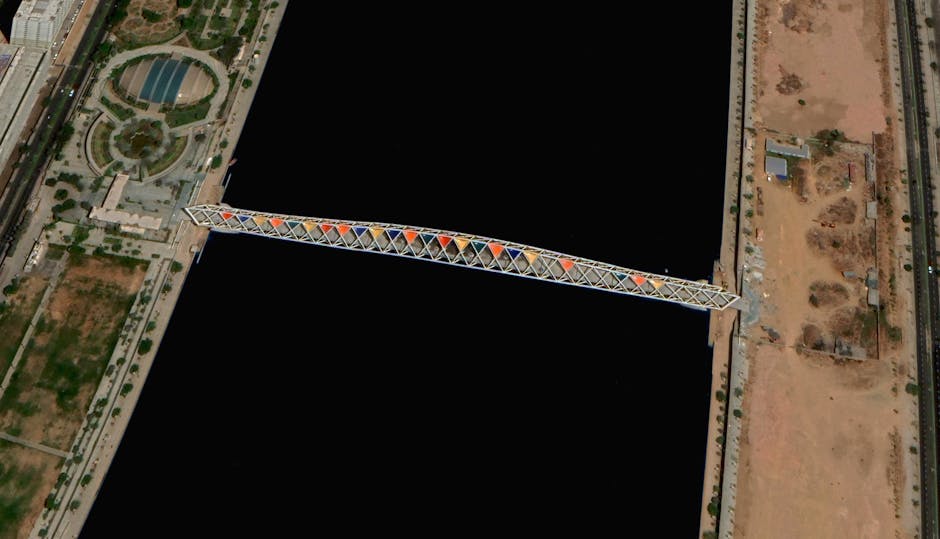
Historically, Kudasan and Randesan were primarily agricultural villages, characterized by traditional land use patterns and a rural lifestyle. The proximity to Gandhinagar exerted gradual influence, leading to increased demand for residential and commercial land. Early growth was largely organic and unplanned, resulting in some degree of peri urban sprawl.
The establishment of Gandhinagar as the state capital catalyzed development in the surrounding areas, including Kudasan and Randesan. Improved connectivity and infrastructure spurred migration from other parts of Gujarat, driving demand for housing and services. This influx of population marked a significant turning point in the villages' development trajectory.
In recent years, the implementation of planned development initiatives, particularly the Town Planning Scheme, has shaped the growth of Kudasan Randesan. The TPS aims to consolidate land holdings, provide infrastructure, and regulate land use to ensure sustainable urban development. This shift towards planned growth represents a departure from the earlier unplanned expansion.
Future scenarios for Kudasan Randesan envision a well integrated urban extension of Gandhinagar, with a mix of residential, commercial, and industrial zones. These plans emphasize sustainable development principles, including green building practices, efficient resource management, and enhanced public transportation. The Gujarat government is spearheading this growth.
Projected growth in Kudasan Randesan is expected to be driven by factors such as the expansion of the Gandhinagar industrial corridor, improved connectivity to major urban centers, and the increasing availability of affordable housing. These factors are likely to attract further migration and investment, fueling continued development.
However, challenges remain in managing this rapid growth. Issues such as traffic congestion, water scarcity, and inadequate waste management need to be addressed proactively to ensure a sustainable and livable environment. Careful planning and infrastructure investment are essential to mitigate these challenges.
Comparing historical growth patterns with future scenarios reveals a clear shift towards more planned and sustainable development. The emphasis on infrastructure provision, regulated land use, and environmental protection signals a commitment to creating a high quality urban environment in Kudasan Randesan. This is evident in recent GUDA policies.
The key difference between past and future development lies in the level of planning and regulation. While historical growth was largely market driven and often haphazard, future development is guided by comprehensive master plans and strict enforcement of building codes. This planned approach is expected to result in a more orderly and sustainable urban landscape.
Floor Space Index (FSI) or Floor Area Ratio (FAR) regimes are central to regulating building density in Kudasan Randesan. FSI/FAR values determine the maximum permissible built up area on a given plot, influencing building height, footprint, and overall density. These values are typically differentiated based on land use zone and plot size.
Zonal master plans for Kudasan Randesan delineate different land use zones, such as residential, commercial, industrial, and agricultural. Each zone has specific regulations governing permitted uses, building heights, setbacks, and other development parameters. These plans are crucial for guiding development and preventing incompatible land uses.
Regulatory alignment between different government agencies is essential for efficient and coordinated development. This includes alignment between GUDA, the Gandhinagar Municipal Corporation, and other relevant departments responsible for infrastructure provision, environmental protection, and building approvals. Seamless cooperation minimizes bureaucratic delays.
The Gandhinagar Urban Development Authority (GUDA) is the primary planning and regulatory body responsible for Kudasan Randesan. GUDA's role includes preparing master plans, approving building permits, enforcing planning regulations, and coordinating infrastructure development. GUDA operates under the Gujarat Town Planning and Urban Development Act.
The implementation of planning regulations is overseen by GUDA's planning and enforcement wings. These wings are responsible for monitoring construction activities, identifying violations of building codes, and taking enforcement action against illegal development. Strict enforcement is crucial for maintaining the integrity of the planning process.
Public participation is an important aspect of the planning process. GUDA typically conducts public consultations and hearings to gather feedback on proposed master plans and development projects. This allows residents and stakeholders to voice their concerns and contribute to the decision making process.
Challenges in planning and governance include managing conflicting interests among landowners, developers, and residents. Balancing the need for economic development with environmental protection and social equity requires careful consideration and a transparent decision making process. This often requires negotiations.
The effectiveness of planning and governance depends on the capacity of GUDA to enforce regulations, coordinate infrastructure development, and engage with the public. Strengthening GUDA's technical expertise and administrative capacity is essential for ensuring sustainable and equitable development in Kudasan Randesan. Gujarat State Portal provides information on government policies and programs.
The future of planning and governance in Kudasan Randesan will likely involve greater use of technology, such as GIS mapping and online building permit applications. These technologies can improve efficiency, transparency, and accessibility of the planning process. The government is actively promoting digital governance initiatives.
| Zone Type | FSI/FAR Range | Permitted Uses |
|---|---|---|
| Residential | 1.5 to 2.5 | Housing, apartments, row houses |
| Commercial | 2.0 to 3.0 | Shops, offices, restaurants |
| Industrial | 1.0 to 2.0 | Factories, warehouses, workshops |
| Agricultural | 0.5 | Farming, horticulture, animal husbandry |
Infrastructure readiness is a critical factor influencing the development potential of Kudasan Randesan. Adequate provision of water supply, power, and transportation is essential for supporting residential, commercial, and industrial activities. Infrastructure investments need to keep pace with the region's rapid growth.
Water supply to Kudasan Randesan is primarily sourced from the Narmada canal and groundwater resources. The existing water supply infrastructure needs to be upgraded to meet the increasing demand from new developments. Water conservation measures and efficient distribution systems are also important.
Power infrastructure in Kudasan Randesan is provided by Gujarat Urja Vikas Nigam Limited (GUVNL). The existing power distribution network needs to be strengthened to ensure a reliable and stable power supply for all consumers. Investments in renewable energy sources, such as solar power, can also enhance energy security.
Arterial connectivity to Kudasan Randesan is primarily provided by the state highway network and internal road network. These roads connect the region to Gandhinagar and other major urban centers. Traffic congestion is a growing concern, necessitating investment in road widening and public transportation.
Public transit options in Kudasan Randesan are currently limited, with reliance primarily on buses and auto rickshaws. The development of a more comprehensive public transit system, such as a bus rapid transit (BRT) or metro rail extension, would significantly improve connectivity and reduce traffic congestion.
Sewage treatment infrastructure in Kudasan Randesan is being developed to handle the wastewater generated by residential and commercial establishments. The existing sewage treatment plant needs to be expanded to accommodate future growth. Proper treatment of wastewater is essential for protecting water resources and public health.
Solid waste management in Kudasan Randesan involves collection, transportation, and disposal of solid waste. The existing waste management system needs to be improved to ensure efficient collection, segregation, and processing of waste. Promoting waste reduction and recycling is also important.
Challenges in infrastructure development include land acquisition, funding constraints, and coordination among different agencies. Overcoming these challenges requires strong political will, effective planning, and innovative financing mechanisms. Infrastructure development needs to be prioritized.
Future infrastructure plans for Kudasan Randesan include expansion of the water supply network, upgrading the power distribution system, improving road connectivity, developing public transit options, and enhancing sewage treatment and solid waste management facilities. These investments are crucial for supporting sustainable growth.

Institutional asset health refers to the availability and quality of essential institutions such as schools, hospitals, and government offices. Adequate provision of these institutions is crucial for supporting the social and economic well being of the community. Accessibility is of utmost importance.
Social amenities include parks, playgrounds, community centers, libraries, and recreational facilities. These amenities contribute to the quality of life in Kudasan Randesan and provide opportunities for social interaction and recreation. Adequate provision of social amenities is essential for creating a livable and vibrant community.
Educational facilities in Kudasan Randesan range from primary schools to higher education institutions. The quality of education needs to be continuously improved to prepare students for the challenges of the 21st century. Investing in teacher training and educational infrastructure is essential.
Healthcare facilities in Kudasan Randesan include hospitals, clinics, and dispensaries. Access to quality healthcare is essential for maintaining the health and well being of the community. Improving healthcare infrastructure and services is a priority.
Public safety and security are important considerations for residents and businesses in Kudasan Randesan. Effective law enforcement, crime prevention measures, and emergency services are essential for creating a safe and secure environment. The police force must be well equipped and trained.
Community engagement and social cohesion are vital for creating a strong and resilient community. Promoting social interaction, cultural activities, and community events can foster a sense of belonging and strengthen social bonds. The community must take ownership.
Challenges in providing social infrastructure include funding constraints, land availability, and addressing the needs of diverse populations. Overcoming these challenges requires innovative solutions and a collaborative approach involving government, non profit organizations, and the private sector.
Future plans for social infrastructure in Kudasan Randesan include building new schools, upgrading healthcare facilities, developing parks and playgrounds, and enhancing community centers. These investments are crucial for creating a thriving and inclusive community. Focus must be given on vulnerable populations.
| Social Amenity | Current Status | Future Plans |
|---|---|---|
| Schools | Adequate | Expand capacity, improve quality |
| Hospitals | Limited | Build new hospital, upgrade existing clinics |
| Parks | Insufficient | Develop new parks and green spaces |
| Community Centers | Limited | Build new community center |
Land records are essential for establishing clear title to property and facilitating land transactions. Accurate and up to date land records are crucial for preventing disputes and promoting secure property ownership. Verification is the key to a successful transaction.
Title verification is the process of examining land records to determine the ownership and encumbrances on a property. This process involves searching the land records at the relevant government office, such as the Talati office or the District Land Records office. AnyROR Gujarat - Land Records provides online access to land records in Gujarat.
Land reconstitution is the process of reorganizing land holdings to create planned layouts, as part of a Town Planning Scheme. This process involves adjusting property boundaries, consolidating fragmented land parcels, and providing land for public amenities and infrastructure. The entire process is monitored by GUDA.
Steps in land reconstitution typically involve: 1) Notification of the TPS, 2) Preparation of a draft scheme, 3) Public consultation, 4) Finalization of the scheme, 5) Implementation of the scheme, including land redistribution and infrastructure development. Each step requires thorough documentation.
Challenges in land title verification include incomplete or inaccurate land records, outdated surveys, and disputes over ownership. Addressing these challenges requires systematic updating of land records, conducting fresh surveys, and resolving disputes through legal channels. Transparency is key.
The role of the Talati (village land officer) is crucial in maintaining land records and facilitating land transactions at the village level. The Talati is responsible for updating land records, issuing ownership certificates, and resolving land disputes. They are the first point of contact for landowners.
The importance of due diligence in land transactions cannot be overstated. Buyers should always conduct thorough title verification and seek legal advice before purchasing property. Due diligence can help prevent costly mistakes and ensure secure property ownership.
Digitalization of land records is underway in Gujarat to improve accessibility, transparency, and efficiency. Online access to land records through platforms like AnyROR Gujarat makes it easier for citizens to verify titles and conduct land transactions. This reduces the risk of fraud.
Future improvements in land record management include integrating land records with other government databases, such as property tax records and building permit records. This integration can streamline government processes and improve data accuracy. The government is committed to modernization.
| Record Type | Information Verified | Source |
|---|---|---|
| 7/12 Extract | Ownership, land area, survey number | Talati office, AnyROR Gujarat |
| Property Card | Ownership, encumbrances | District Land Records office, AnyROR Gujarat |
| Index II | Transaction history | Sub Registrar office |
The industrial corridor impact refers to the economic stimulus generated by the presence of industrial areas and associated infrastructure. Industrial corridors typically attract investment, create jobs, and stimulate economic growth in the surrounding region. This is a primary driver.
Economic commuters are individuals who travel to Kudasan Randesan for work from surrounding areas, such as Gandhinagar, Ahmedabad, and other towns and villages. These commuters contribute to the local economy by spending money on goods and services, supporting local businesses.
The Gandhinagar industrial corridor has had a significant impact on the economy of Kudasan Randesan. The corridor has attracted new industries, created jobs, and increased demand for housing and services. This has led to increased land values and economic activity.
Key industries in the Gandhinagar industrial corridor include pharmaceuticals, chemicals, engineering, and textiles. These industries provide employment opportunities for local residents and contribute to the state's economy. Gujarat Industrial Development Corporation (GIDC) plays a key role in fostering these industries.
The presence of industrial units has also led to the development of ancillary industries and service providers in Kudasan Randesan. These businesses provide support services to the industrial units, such as transportation, logistics, maintenance, and catering. The ripple effect is quite substantial.
Challenges associated with the industrial corridor include traffic congestion, environmental pollution, and social disruption. Addressing these challenges requires careful planning, infrastructure investment, and environmental regulations. The government is actively addressing these issues.
Economic development in Kudasan Randesan is also driven by the growth of the service sector, including retail, hospitality, and education. These sectors provide employment opportunities and cater to the needs of the growing population. The service sector must grow to meet the demands.
Future economic prospects for Kudasan Randesan are bright, with continued growth expected in both the industrial and service sectors. Strategic investments in infrastructure, education, and skills development can further boost economic growth and create more opportunities for local residents. The future is promising.
| Economic Factor | Impact on Kudasan Randesan |
|---|---|
| Industrial Corridor | Increased job creation |
| Economic Commuters | Boosted local businesses |
| Service Sector Growth | Diversified economy |
Price modeling involves analyzing historical property prices, current market conditions, and future development potential to estimate the value of land and buildings. Accurate price modeling is essential for making informed investment decisions. Data is crucial for accurate modeling.
Absorption forecasts estimate the rate at which new properties will be sold or leased in a given area. These forecasts are based on factors such as population growth, economic activity, and housing demand. Absorption rates are key indicators of market health.
Strategic ROI analysis involves evaluating the potential return on investment for different types of properties in Kudasan Randesan. This analysis considers factors such as purchase price, rental income, operating expenses, and potential appreciation. Risk assessment is a crucial component.
Factors influencing property prices in Kudasan Randesan include location, size, land use, infrastructure availability, and proximity to amenities. Properties located near major roads, schools, and hospitals typically command higher prices. The area is constantly evolving.
Risks associated with investing in Kudasan Randesan include regulatory changes, market fluctuations, and infrastructure delays. Conducting thorough due diligence and obtaining expert advice can help mitigate these risks. Legal counsel is highly advisable.
Opportunities for investment in Kudasan Randesan include residential development, commercial development, industrial development, and land banking. The potential for capital appreciation is significant, particularly in areas with high growth potential. Investment opportunities are diverse.
The long term investment outlook for Kudasan Randesan is positive, with continued growth expected in both population and economic activity. However, investors should carefully assess the risks and opportunities before making any investment decisions. A thorough understanding is necessary.
Real estate investment in Kudasan Randesan requires a long term perspective. Investors should be prepared to hold their properties for several years to realize the full potential for capital appreciation. Patience is a virtue in real estate.
| Investment Type | Potential ROI | Risks Involved |
|---|---|---|
| Residential | 8 12% | Market fluctuations, regulatory changes |
| Commercial | 10 15% | High initial investment |
| Industrial | 12 18% | Environmental regulations |
| Land Banking | 15 20% | Long term holding period |
Conclusion: Final Verdict.
Kudasan Randesan presents a compelling, albeit complex, investment landscape. The region's strategic location, coupled with planned infrastructure development and a burgeoning industrial corridor, positions it for continued growth. However, potential investors must navigate a regulatory environment governed by GUDA, conduct rigorous land title verification, and carefully assess market dynamics. A long term investment horizon, coupled with meticulous due diligence, is essential to unlock the region's potential and maximize returns. The region holds promise, but caution and thorough research are paramount for success.