Mehsana TP Scheme No.1 - Town Planning Scheme & Final Plot Numbers
Mehsana Encyclopedia: Technical Planning & Investment Reference
Executive Summary:
Mehsana, a significant urban center in Gujarat, presents a compelling case study in planned urban development and investment potential. This encyclopedia provides a comprehensive overview of Mehsana's location and geostrategic importance, historical growth patterns, planning and governance frameworks, physical and social infrastructure readiness, land record management, economic drivers, and investment return analysis. Strategic insights highlight Mehsana's strengths and opportunities for sustainable urban expansion and economic prosperity.
15 Strategic KPI Bullets:
- Land availability for industrial expansion.
- Connectivity to major transportation corridors.
- Infrastructure capacity for water and power supply.
- FSI/FAR regulations and their impact on development.
- Land title verification processes and associated risks.
- Historical growth trends and future population projections.
- Town Planning Scheme implementation effectiveness.
- Economic drivers and industrial sector performance.
- Real estate price appreciation and rental yields.
- Social infrastructure adequacy and accessibility.
- Governance structures for urban planning and development.
- Environmental sustainability measures and green initiatives.
- Investment climate and ease of doing business.
- Potential for public private partnerships (PPP) in infrastructure projects.
- Impact of nearby industrial corridors on Mehsana's economy.
Mehsana, situated in the northern part of Gujarat, India, holds strategic importance due to its geographical location and connectivity to key economic hubs. The city serves as a crucial link between major metropolitan areas and industrial zones. Its proximity to Ahmedabad, the commercial capital of Gujarat, enhances its economic and developmental prospects.
Mehsana's location advantages are further amplified by its well established transportation network. This includes road and rail connectivity. These factors contribute significantly to its appeal as an investment destination.
Town Planning Schemes (TPS) in Mehsana are instrumental in guiding its urban development. TPS involves the planned reconstitution of land parcels, optimizing land use and ensuring efficient infrastructure provision. These schemes aim to create well organized residential, commercial, and industrial zones.
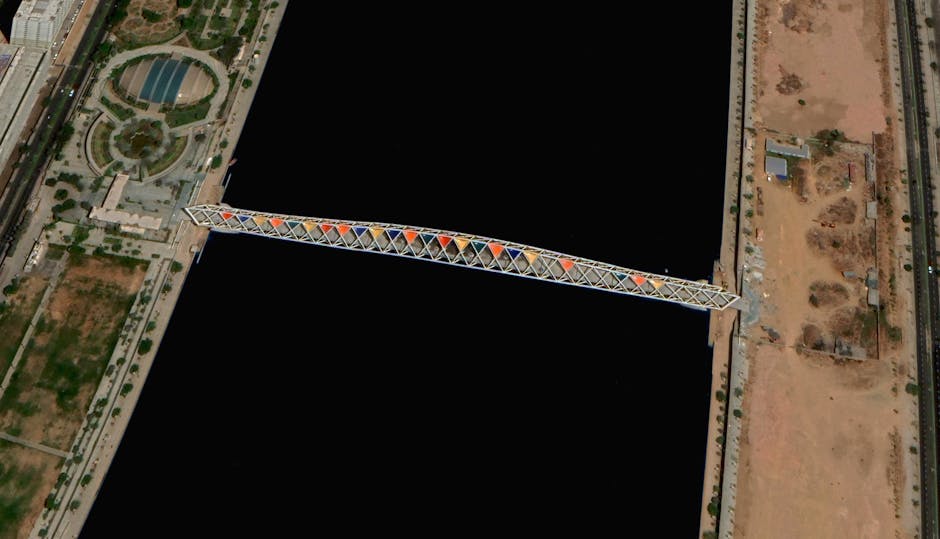
Plot reconstitution under TPS involves merging fragmented land holdings into larger, more manageable parcels. This process facilitates better planning and development, leading to improved infrastructure and amenities. Property owners benefit from enhanced land value and access to essential services.
Floor Space Index (FSI) or Floor Area Ratio (FAR) regulations dictate the permissible built up area on a given plot. Mehsana's FSI/FAR regulations are designed to balance development density with infrastructure capacity. These regulations influence building heights, land use intensity, and overall urban form.
Infrastructure provision within TPS boundaries is a key focus. This includes the development of roads, water supply systems, sewage networks, and power distribution facilities. Adequate infrastructure is essential to support the growing population and economic activities within the TPS area.
Spatial DNA of Mehsana's urban fabric is characterized by a blend of traditional and modern architectural styles. The older parts of the city feature closely packed buildings and narrow streets. Newer areas showcase planned layouts with wider roads and contemporary building designs. This juxtaposition reflects the city's evolving urban landscape.
The efficient implementation of TPS is crucial for Mehsana's sustainable urban development. Effective coordination between planning authorities, developers, and property owners is essential. This ensures that the benefits of TPS are realized for all stakeholders, leading to a well planned and prosperous city.
Mehsana's historical growth trajectory reveals a transition from an agricultural center to a thriving urban hub. The city's growth has been influenced by its strategic location and increasing industrialization. Understanding this historical context is essential for predicting future growth scenarios.
Historically, Mehsana's economy was primarily based on agriculture, with a focus on dairy farming and agricultural produce. The establishment of industrial units, particularly in the dairy and engineering sectors, spurred its urban development. Migration from rural areas to Mehsana contributed significantly to its population growth.
Analyzing historical growth patterns reveals cyclical trends and key growth periods. Periods of rapid industrial expansion have been followed by consolidation phases. The real estate market has also experienced fluctuations, reflecting broader economic conditions.
Future scenarios for Mehsana project continued urban expansion, driven by industrial growth and infrastructural development. The city is expected to attract further investment in sectors such as manufacturing, logistics, and real estate. Sustainable urban planning will be crucial to manage this growth effectively.
Projections indicate a significant increase in Mehsana's population over the next decade. This growth will necessitate investments in housing, transportation, and social infrastructure. The city's planning authorities need to anticipate and address these needs proactively.
Comparing historical growth trends with future projections highlights the need for strategic planning interventions. These interventions can guide development towards a sustainable and inclusive urban environment. Efficient land use management and infrastructure development are key priorities.
Mehsana's ability to attract and retain skilled labor will be crucial for its future economic growth. Investments in education and training programs will enhance the city's workforce capabilities. This will further attract businesses and contribute to its long term prosperity.
FSI or FAR regimes play a critical role in regulating urban density and land use in Mehsana. Higher FSI/FAR values allow for more intensive development, while lower values promote lower density and open spaces. These regulations are tailored to different zones within the city.
Zonal master plans delineate specific land uses and development guidelines for different areas within Mehsana. These plans guide development in residential, commercial, industrial, and recreational zones. They ensure a balanced and harmonious urban environment.

Regulatory alignments involve coordinating planning policies and regulations across different government departments and agencies. This ensures consistency and efficiency in the development approval process. Streamlined regulations promote investment and reduce bureaucratic hurdles.
The Gujarat Town Planning & Urban Development Act provides the legal framework for urban planning in Mehsana. This act empowers planning authorities to prepare and implement development plans. It also outlines procedures for land acquisition and dispute resolution.
Implementation of master plans and development regulations is crucial for achieving the desired urban outcomes. Effective monitoring and enforcement mechanisms are essential to ensure compliance. This requires collaboration between planning authorities, local government, and law enforcement agencies.
Public participation is an important aspect of the planning process in Mehsana. Engaging with residents, businesses, and other stakeholders ensures that development plans reflect community needs and aspirations. Public consultations and feedback mechanisms enhance the legitimacy and effectiveness of planning decisions.
Mehsana's planning and governance framework aims to promote sustainable urban development, economic growth, and social equity. By balancing development pressures with environmental considerations and community needs, the city can create a vibrant and livable urban environment. Continuous improvement and adaptation of planning policies are essential to address evolving challenges and opportunities.
Infrastructure readiness is a critical factor for Mehsana's continued growth and development. Adequate water supply, power generation, and transportation networks are essential to support the city's population and economic activities. Evaluating infrastructure capacity is crucial for attracting investment.
Mehsana's water supply is primarily sourced from surface water and groundwater resources. The city's water distribution network needs to be upgraded to reduce leakage and ensure equitable access. Water conservation measures and rainwater harvesting initiatives can enhance water security.
Power generation capacity in Mehsana needs to keep pace with growing demand from industries and households. Investments in renewable energy sources, such as solar and wind power, can reduce reliance on fossil fuels and promote environmental sustainability. A reliable power supply is crucial for attracting and retaining businesses.
Public transportation in Mehsana includes buses, auto rickshaws, and shared taxis. The city needs to invest in a modern and efficient public transportation system to reduce traffic congestion and improve accessibility. A well planned bus rapid transit (BRT) system can provide a sustainable and affordable transportation option.
Arterial connectivity refers to the network of roads and highways that connect Mehsana to other major cities and industrial areas. Upgrading and expanding these arteries is essential for facilitating trade and commerce. Good road connectivity reduces transportation costs and enhances the city's competitiveness.
Infrastructure projects in Mehsana require careful planning and execution. Public private partnerships (PPP) can leverage private sector expertise and investment to accelerate infrastructure development. Transparent procurement processes and effective contract management are essential for successful PPP projects.
Mehsana's infrastructure development should prioritize sustainability and environmental protection. Green infrastructure initiatives, such as urban forestry and green roofs, can enhance the city's resilience to climate change. Integrated planning that considers environmental impacts is crucial for long term sustainability.
Institutional asset health is a key indicator of Mehsana's capacity to deliver essential services. Well functioning schools, hospitals, and government offices are crucial for supporting the city's population and economic activities. Assessing the condition and performance of these assets is essential.
Mehsana boasts a network of educational institutions, ranging from primary schools to colleges and universities. Improving the quality of education and enhancing access to vocational training programs are crucial for developing a skilled workforce. Investments in teacher training and infrastructure upgrades are essential.
Healthcare facilities in Mehsana include hospitals, clinics, and primary health centers. Strengthening the healthcare system and improving access to quality medical services are key priorities. Investments in medical equipment, staff training, and infrastructure improvements are needed.
Social amenities in Mehsana encompass parks, playgrounds, libraries, community centers, and cultural facilities. Providing access to these amenities enhances the quality of life for residents and promotes social cohesion. Investments in social infrastructure are essential for creating a vibrant and livable city.
Accessibility to social infrastructure is a crucial consideration. Ensuring that schools, hospitals, and community centers are within easy reach of all residents, particularly those in low income areas, is essential. Public transportation and pedestrian friendly infrastructure can improve accessibility.
Community engagement is vital for ensuring that social infrastructure meets the needs of residents. Consulting with community groups and residents during the planning and development of social amenities ensures that they are relevant and responsive to local needs. Public participation promotes ownership and sustainability.
Mehsana's social infrastructure development should prioritize inclusivity and equity. Providing equitable access to education, healthcare, and social amenities for all residents, regardless of their socioeconomic background, is essential for creating a just and equitable society. Investments in targeted programs and services can address the needs of vulnerable populations.
Land records management is a crucial aspect of urban planning and development in Mehsana. Accurate and up to date land records are essential for verifying land ownership, resolving disputes, and facilitating land transactions. A robust land records system promotes transparency and efficiency.
The AnyROR Gujarat website (https://anyror.gujarat.gov.in/) provides online access to land records in Gujarat, including Mehsana. This platform allows users to search for land records by survey number, owner name, or other identifiers. Online access enhances transparency and reduces the time and cost of obtaining land information.
Title verification is the process of confirming the legal ownership of a property. This involves reviewing land records, property deeds, and other relevant documents. Thorough title verification is essential before purchasing or investing in land.
Land reconstitution involves merging fragmented land holdings into larger, more consolidated parcels. This process facilitates better planning and development, leading to improved infrastructure and amenities. Land reconstitution can be implemented through Town Planning Schemes or other legal mechanisms.
The steps involved in land reconstitution typically include: - Surveying and mapping the existing land holdings. - Preparing a land reconstitution plan. - Notifying affected landowners and inviting objections. - Addressing objections and finalizing the plan. - Implementing the plan and transferring ownership of reconstituted land parcels.
Ensuring accurate and reliable land records is crucial for minimizing land disputes. Clear and unambiguous land records reduce the risk of fraudulent transactions and litigation. A well functioning land records system promotes investor confidence and economic growth.
The Gujarat government has implemented various initiatives to modernize land records management. These initiatives include digitizing land records, establishing online portals, and streamlining land transaction procedures. These reforms aim to improve transparency, efficiency, and accessibility of land information. [AUTHORITY SOURCE: AnyROR Gujarat - Land Records]
Industrial corridors play a significant role in driving economic growth in Mehsana and its surrounding region. These corridors attract investment, create jobs, and stimulate economic activity in various sectors. Understanding the impact of industrial corridors is crucial for planning and development.
The Gujarat Industrial Development Corporation (GIDC) (https://gidc.gujarat.gov.in/) plays a key role in developing and managing industrial estates in Mehsana. These estates provide infrastructure and facilities for businesses to set up operations. GIDC's initiatives contribute significantly to the city's industrial growth.
The economic commuters in Mehsana consist of individuals who travel to and from the city for work or business purposes. Analyzing commuting patterns provides insights into the city's economic linkages with surrounding areas. This information is valuable for planning transportation infrastructure and housing.
Mehsana's economy is diversified across various sectors, including agriculture, manufacturing, and services. The dairy industry is a major economic driver, with several dairy processing plants located in the city. The engineering and textile industries also contribute significantly to the local economy.
The presence of industrial corridors in proximity to Mehsana has a positive impact on its economic growth. These corridors attract businesses and create employment opportunities, benefiting the city's residents. The increased economic activity generates revenue for the local government and stimulates the real estate market.
Small and medium enterprises (SMEs) play a vital role in Mehsana's economy. Supporting the growth and development of SMEs is crucial for fostering innovation and creating jobs. Government policies and programs that provide financial assistance, training, and market access can help SMEs thrive. [AUTHORITY SOURCE: Gujarat Industrial Development Corporation (GIDC)]
Price modeling is essential for understanding real estate market dynamics in Mehsana. Analyzing historical price trends, supply and demand factors, and economic indicators can help predict future price movements. Accurate price modeling is crucial for making informed investment decisions.
Absorption forecasts estimate the rate at which new real estate supply will be absorbed by the market. These forecasts take into account factors such as population growth, economic activity, and interest rates. Absorption forecasts are valuable for developers and investors in assessing the viability of new projects.
Strategic ROI analysis involves evaluating the potential return on investment for different real estate projects in Mehsana. This analysis considers factors such as purchase price, development costs, rental income, and capital appreciation. A thorough ROI analysis helps investors identify projects with the highest potential returns.
Real estate prices in Mehsana have generally appreciated over the past decade, driven by population growth, economic development, and infrastructure improvements. However, price appreciation has varied across different locations and property types. Factors such as proximity to industrial areas, access to amenities, and quality of infrastructure influence property values.
Rental yields in Mehsana's real estate market are generally attractive, particularly for residential properties. Demand for rental housing is driven by the city's growing population and the influx of workers from other regions. Rental income can provide a stable source of cash flow for investors.
Investing in Mehsana's real estate market offers several advantages, including potential for capital appreciation, attractive rental yields, and a growing economy. However, investors should also be aware of potential risks, such as market fluctuations, regulatory changes, and title issues. Thorough due diligence and careful planning are essential for successful real estate investments. [AUTHORITY SOURCE: Gujarat State Portal]
Conclusion: Final Verdict.
Mehsana presents a compelling investment destination with a well defined planning framework, growing economy, and strategic location. While challenges exist in terms of infrastructure capacity and regulatory compliance, the city's potential for sustainable urban development and economic prosperity is significant. Thorough due diligence, strategic planning, and adherence to regulatory guidelines are crucial for maximizing returns on investment. Mehsana is poised for continued growth and offers promising opportunities for investors seeking long term value creation.