Althan TP Scheme No.36 - Town Planning Scheme & Final Plot Numbers
Althan Encyclopedia: Technical Planning & Investment Reference
Executive Summary:
Althan, located in Surat, Gujarat, is a rapidly developing area experiencing significant urban expansion. This encyclopedia provides a comprehensive analysis of its land use planning, infrastructure readiness, economic drivers, and investment potential. The information presented is critical for stakeholders including developers, investors, policymakers, and residents to understand the dynamics shaping Althan's growth trajectory. Prudent planning and infrastructure development are essential to manage this growth sustainably. Althan presents opportunities for strategic investments in residential, commercial, and industrial sectors. This encyclopedia helps navigate the complexities of land acquisition, regulatory frameworks, and market dynamics in Althan. Continuous monitoring and adaptive planning are crucial for maximizing Althan's potential as a thriving urban center. The following strategic KPIs summarize the key insights from this analysis.
Strategic KPIs:
- KPI 1: FSI/FAR utilization rate within TPS Althan.
- KPI 2: Annual population growth rate.
- KPI 3: Percentage of land area under residential development.
- KPI 4: Road density per sq km.
- KPI 5: Water supply coverage percentage.
- KPI 6: Electricity supply reliability index.
- KPI 7: Number of educational institutions per 1000 population.
- KPI 8: Healthcare facility bed ratio per 1000 population.
- KPI 9: Land title dispute rate.
- KPI 10: Average land acquisition cost per sq meter.
- KPI 11: Employment rate within Althan industrial corridor.
- KPI 12: Average rental yield for residential properties.
- KPI 13: Commercial property occupancy rate.
- KPI 14: Projected infrastructure investment over the next 5 years.
- KPI 15: Internal Rate of Return (IRR) for real estate projects.
Althan is a locality within the Surat Municipal Corporation limits, situated in the state of Gujarat, India. Its geographic coordinates place it within a region characterized by fertile alluvial plains. These plains are conducive to agriculture but also present challenges for urban development concerning soil stability and drainage.
The Althan Town Planning Scheme (TPS) is a crucial instrument for organized development. TPS Althan aims at systematic plot reconstitution, infrastructure development, and regulated land use. The scheme facilitates the conversion of agricultural land into residential, commercial, and industrial zones in a planned manner.
Plot reconstitution is a key feature of the TPS. This process involves consolidating fragmented land holdings and reallocating them into more regular and usable plots. This improves the efficiency of land use and facilitates the provision of infrastructure.
FSI/FAR regulations are stringently enforced within the TPS. These regulations dictate the permissible floor area relative to the plot size, influencing building density and overall urban form. The FSI/FAR values are strategically set to balance development intensity with infrastructure capacity and environmental considerations.
Infrastructure provision is an integral component of TPS Althan. The scheme mandates the development of roads, water supply networks, sewage systems, and other essential services. This ensures that new developments are adequately supported by necessary infrastructure.
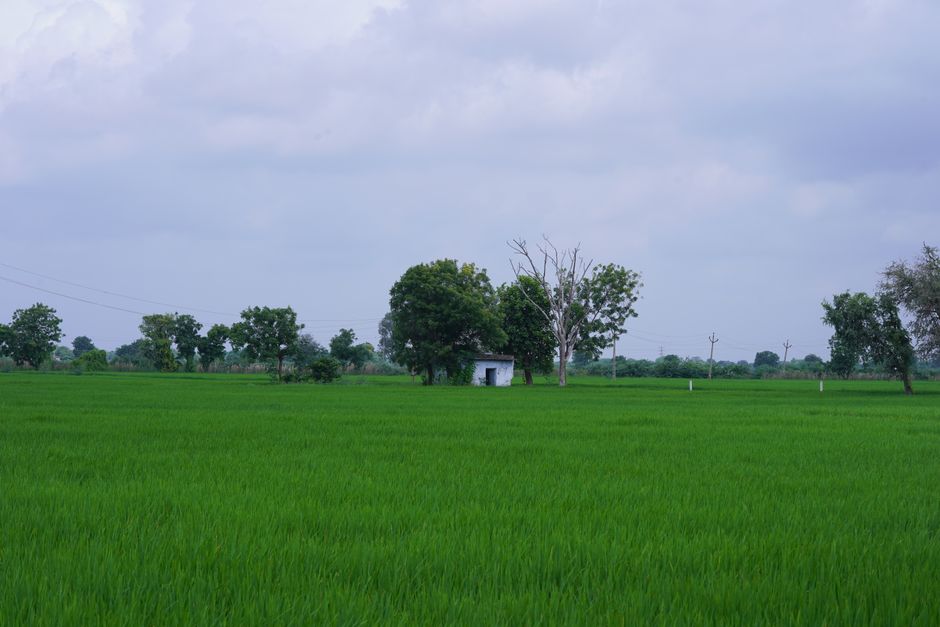
The spatial DNA of Althan is evolving from a predominantly agricultural landscape to a mixed use urban environment. The TPS acts as a blueprint for this transformation, guiding development towards a sustainable and well organized urban form. The integration of green spaces and public amenities is also prioritized within the scheme.
Effective implementation of the TPS requires coordination among various government agencies, developers, and local communities. Regular monitoring and evaluation are essential to ensure that the scheme achieves its intended objectives. Continuous improvements are made based on feedback and evolving urban needs.
The success of TPS Althan is vital for the long term growth and sustainability of the locality. It provides a framework for managing urban expansion, protecting environmental resources, and enhancing the quality of life for residents. The scheme serves as a model for planned urban development in other parts of Surat and Gujarat.
Historically, Althan was primarily an agricultural area characterized by small villages and farming communities. The economy was largely dependent on agriculture, and the population density was relatively low. Land use was dominated by agricultural fields and scattered rural settlements.
The historical growth of Althan was relatively slow until the late 20th century. The urbanization process accelerated with the expansion of Surat city. Increased connectivity, industrial growth, and economic opportunities attracted migration from surrounding rural areas.
Future growth scenarios for Althan envision a transformation into a major urban hub. Projections indicate significant population increase, driven by economic growth and improved infrastructure. This growth will necessitate careful planning to manage urban sprawl and ensure sustainable development.
Compared to historical patterns, future development in Althan will be characterized by higher density residential areas, commercial centers, and industrial zones. The demand for housing, infrastructure, and social amenities will increase significantly. The challenge lies in balancing economic growth with environmental protection and social equity.
The shift from agriculture to urban land use will continue, requiring strategic land management policies. The TPS plays a crucial role in guiding this transformation. The incorporation of smart city technologies and sustainable building practices will be essential to support future growth.
The historical agricultural landscape will gradually give way to a more urbanized environment. However, efforts are being made to preserve green spaces and integrate them into the urban fabric. This includes the development of parks, gardens, and recreational areas.
The future success of Althan hinges on effective planning, infrastructure development, and community engagement. The lessons learned from past growth patterns must inform future development strategies. A proactive and adaptive approach is needed to address the challenges and opportunities that lie ahead.
FSI/FAR regimes in Althan are governed by the Surat Municipal Corporation (SMC) and the Gujarat Urban Development Authority (GUDA). These regulations vary depending on the zone and the type of development. Higher FSI/FAR values are typically permitted in commercial zones and along major transportation corridors.
The zonal master plan for Althan outlines the permissible land uses, building heights, and development densities for different areas. The master plan is periodically revised to reflect changing urban needs and priorities. Public input is an important part of the master planning process.
Regulatory alignments between the SMC, GUDA, and other government agencies are crucial for ensuring coordinated development. These alignments involve harmonizing building codes, environmental regulations, and infrastructure standards. This reduces conflicts and streamlines the approval process for development projects.
The FSI/FAR values in Althan are strategically set to encourage efficient land use and promote compact urban development. The regulations aim to balance the need for growth with the need to protect environmental resources and maintain quality of life. Incentives are often provided for developments that incorporate sustainable building practices.
The zonal master plan designates areas for residential, commercial, industrial, and public use. It also identifies areas for conservation and open space. The master plan guides infrastructure investments and helps to ensure that development is consistent with the overall vision for the city.
The SMC and GUDA work together to enforce building codes and land use regulations. They conduct regular inspections and issue permits for new construction and renovations. Violations of the regulations can result in fines or other penalties.

The regulatory framework for Althan is designed to promote sustainable and equitable development. It aims to balance the interests of developers, residents, and the environment. Continuous improvement of the regulatory framework is essential to address emerging challenges and opportunities.
| Regulation | Governing Body | Description |
|---|---|---|
| FSI/FAR | SMC/GUDA | Floor area ratio, controls building density |
| Zonal Plan | GUDA | Land use designations, building heights |
| Building Codes | SMC | Construction standards, safety requirements |
Infrastructure readiness in Althan is a critical factor influencing its growth potential. The availability of adequate water supply, power, and transit systems is essential to support new developments. The SMC is investing in upgrading these services to meet the growing demand.
Water supply in Althan is sourced from the Tapi River. The SMC operates water treatment plants and distribution networks to provide potable water to residents and businesses. Efforts are underway to improve water efficiency and reduce leakage.
Power supply is provided by Gujarat Urja Vikas Nigam Limited (GUVNL). The electricity grid is being strengthened to ensure reliable power supply for industrial, commercial, and residential consumers. Investments are being made in renewable energy sources to diversify the energy mix.
Transit systems in Althan include buses, auto rickshaws, and private vehicles. The SMC is planning to develop a Bus Rapid Transit System (BRTS) to improve public transportation. The development of cycle tracks and pedestrian walkways is also being prioritized.
Arterial connectivity is crucial for Althan's integration with the wider Surat region. The area is well connected by roads to other parts of the city and the state. The development of new highways and expressways is further improving connectivity.
The physical infrastructure in Althan is being upgraded to support sustainable urban development. This includes the construction of new roads, bridges, and flyovers to reduce traffic congestion. The development of underground drainage systems and waste management facilities is also a priority.
Effective infrastructure management is essential to ensure the long term sustainability of Althan. This requires coordination among various government agencies, private sector partners, and local communities. Continuous monitoring and evaluation of infrastructure performance are also necessary.
| Infrastructure | Source/Provider | Capacity/Status |
|---|---|---|
| Water Supply | Tapi River | Expanding |
| Power Supply | GUVNL | Upgrading |
| Transit | SMC | BRTS Planned |
| Roads | SMC/State Gov | Improving |
Institutional asset health in Althan is a key indicator of its social well being. The availability of quality educational institutions, healthcare facilities, and other public services is essential to support a thriving community. The SMC is committed to strengthening these assets.
Educational institutions in Althan range from primary schools to higher education colleges. The quality of education is being improved through teacher training programs and infrastructure upgrades. Efforts are being made to increase access to education for all segments of the population.
Healthcare facilities include hospitals, clinics, and primary health centers. The SMC is working to expand access to healthcare services and improve the quality of care. Public health programs are being implemented to address prevalent health issues.
Social amenities in Althan include parks, playgrounds, community centers, and libraries. These amenities provide opportunities for recreation, social interaction, and cultural enrichment. The SMC is investing in upgrading and expanding these facilities.
The development of affordable housing is a key priority in Althan. The SMC is implementing programs to provide housing for low income families and ensure that all residents have access to safe and decent housing. The promotion of social inclusion is also a focus.
Community engagement is essential for ensuring that social infrastructure meets the needs of the residents. The SMC conducts regular consultations with local communities to gather feedback and address their concerns. This participatory approach helps to build trust and strengthen social cohesion.
The long term sustainability of Althan depends on investing in social infrastructure and promoting social well being. This requires a holistic approach that addresses the social, economic, and environmental needs of the community. Continuous monitoring and evaluation of social infrastructure performance are also necessary.
| Institution | Type | Status |
|---|---|---|
| Schools | Education | Adequate |
| Hospitals | Healthcare | Improving |
| Parks | Recreation | Expanding |
Verifying land titles in Althan is a critical step in any land transaction. The AnyROR Gujarat website (https://anyror.gujarat.gov.in/) provides online access to land records. This system allows users to view land ownership details, survey maps, and other relevant documents.
Title verification involves checking the ownership history of the land, identifying any encumbrances or legal disputes, and ensuring that the seller has clear title to the property. It is advisable to engage a qualified lawyer or land surveyor to conduct a thorough title search.
Land reconstitution steps in Althan are governed by the TPS. This process involves consolidating fragmented land holdings and reallocating them into more regular and usable plots. The TPS aims to improve the efficiency of land use and facilitate the provision of infrastructure.
The land reconstitution process typically involves the following steps: notification of the TPS, preparation of a scheme plan, valuation of land, allocation of reconstituted plots, and implementation of the scheme. Landowners are given an opportunity to participate in the process and raise any objections.
The AnyROR system (https://anyror.gujarat.gov.in/) can be used to track the status of land reconstitution proceedings. The system provides access to updated land records and scheme plans. This ensures transparency and accountability in the land reconstitution process.
Challenges in land acquisition and title verification in Althan can include incomplete or inaccurate land records, disputes over ownership, and delays in the approval process. It is important to address these challenges to facilitate smooth land transactions and promote investment.
Steps to resolve land disputes include mediation, arbitration, and litigation. The Gujarat Land Revenue Code provides a legal framework for resolving land disputes. The government also offers various programs to assist landowners in resolving disputes and clarifying land titles.
Due diligence is essential when acquiring land in Althan. This includes conducting a thorough title search, obtaining legal advice, and verifying the accuracy of land records. It is also important to assess the environmental impact of the proposed development and comply with all applicable regulations.
| Step | Description | Resource |
|---|---|---|
| Title Search | Verify ownership, encumbrances | AnyROR Gujarat |
| Land Survey | Confirm boundaries, area | Licensed Land Surveyor |
| Legal Review | Ensure compliance, identify risks | Qualified Lawyer |
| Due Diligence | Assess environmental, regulatory aspects | Environmental Consultant, Govt Agencies |
The industrial corridor near Althan has a significant impact on the local economy. It provides employment opportunities, attracts investment, and stimulates economic growth. The corridor is home to a variety of industries, including textiles, engineering, and chemicals.
Economic commuters from Althan and surrounding areas travel to the industrial corridor for work. This creates demand for transportation, housing, and other services. The SMC is working to improve connectivity and provide affordable housing options for commuters.
The GIDC (https://gidc.gujarat.gov.in/) plays a key role in promoting industrial development in the region. The corporation provides land, infrastructure, and other support services to businesses. The GIDC also works to attract investment and promote innovation.
The textile industry is a major employer in the Althan area. Surat is known as the textile city of India, and the industry provides livelihoods for many residents. The government is supporting the textile industry through various initiatives, including skill development programs and infrastructure upgrades.
The economic impact of the industrial corridor extends beyond employment and investment. It also generates revenue for the local government, which can be used to fund public services and infrastructure projects. The corridor contributes to the overall economic prosperity of the region.
Challenges facing the industrial corridor include environmental pollution, traffic congestion, and labor shortages. The government and industry are working together to address these challenges and promote sustainable industrial development. The implementation of cleaner technologies and improved infrastructure is a priority.
The future of the industrial corridor depends on innovation, diversification, and sustainability. The government is encouraging businesses to invest in research and development and adopt cleaner production methods. The development of a skilled workforce is also essential for long term success.
| Sector | Impact | Driver |
|---|---|---|
| Textiles | Employment | Surat's Identity |
| Engineering | Investment | GIDC Support |
| Chemicals | Revenue | Infrastructure |
Price modeling for real estate in Althan involves analyzing various factors, including location, size, amenities, and market conditions. Historical price trends, comparable sales data, and expert opinions are also considered. The goal is to estimate the fair market value of properties and identify investment opportunities.
Absorption forecasts for Althan project the rate at which new properties will be sold or leased. These forecasts are based on factors such as population growth, economic activity, and demand for housing and commercial space. The forecasts help developers and investors to assess the viability of new projects.
Strategic ROI analysis for Althan involves evaluating the potential return on investment for different types of real estate projects. This analysis considers factors such as acquisition costs, development costs, operating expenses, and rental income. The goal is to identify projects with the highest potential for profitability.
The real estate market in Althan is influenced by factors such as infrastructure development, government policies, and economic trends. The development of new roads, transit systems, and public services can increase property values and attract investment. Government policies, such as tax incentives and zoning regulations, can also have a significant impact.
Risks associated with real estate investment in Althan include market volatility, regulatory changes, and construction delays. It is important to assess these risks and develop mitigation strategies. Diversification, insurance, and contingency planning can help to minimize risks.
Opportunities for real estate investment in Althan include residential development, commercial development, and infrastructure projects. The growing population and economy create demand for housing, office space, and retail facilities. Government initiatives, such as smart city projects, also create opportunities for investment.
Factors driving property appreciation in Althan include improved infrastructure, increased connectivity, and economic growth. The development of new roads, transit systems, and public services enhances the attractiveness of the area and drives up property values. Economic growth creates demand for housing and commercial space, further fueling appreciation.
To maximize ROI for real estate investments in Althan, it is important to conduct thorough due diligence, develop a sound business plan, and manage risks effectively. This includes conducting a comprehensive market analysis, obtaining legal and financial advice, and implementing cost control measures. The development of high quality, sustainable projects can also enhance ROI.
| Metric | Value | Driver |
|---|---|---|
| Avg. Land Price | Increasing | Infrastructure Dev. |
| Rental Yield | Competitive | Population Growth |
| Property Appreciation | Positive | Economic Expansion |
Conclusion: Final Verdict.
Althan presents a compelling case for strategic investment and planned development. The ongoing urbanization, coupled with proactive town planning schemes, offers substantial opportunities for growth in both residential and commercial sectors. However, effective management of infrastructure development, land record transparency, and environmental sustainability are crucial for long term success. Investors and policymakers must prioritize these factors to maximize the potential of Althan as a thriving urban center within the Surat metropolitan region.