Kosad TP Scheme No.23 - Town Planning Scheme & Final Plot Numbers
Kosad Encyclopedia: Technical Planning & Investment Reference
Executive Summary:
Kosad, situated within the Surat Metropolitan Region, presents a compelling case study of rapid peri urban expansion driven by industrial growth and enhanced connectivity. This encyclopedia provides an exhaustive analysis of Kosad's spatial planning, infrastructure readiness, socio economic dynamics, and investment potential. Key challenges include managing unplanned growth, ensuring equitable access to social infrastructure, and mitigating environmental impacts. The future success of Kosad hinges on proactive town planning interventions, strategic infrastructure investments, and a robust regulatory framework that promotes sustainable and inclusive development. This document aims to serve as a definitive technical planning and investment reference for stakeholders involved in shaping Kosad's trajectory.
15 Strategic KPI Bullets:
- Land Use Composition (Residential, Industrial, Agricultural).
- Population Growth Rate (Annual Percentage).
- Floor Space Index (FSI) Utilization Rate.
- Road Network Density (km/sq km).
- Water Supply Coverage (Percentage of Households).
- Electricity Supply Reliability (SAIDI, SAIFI).
- Sewage Treatment Capacity (MLD).
- Solid Waste Management Efficiency (Percentage Collection).
- Number of Schools and Healthcare Facilities (per 1000 population).
- Literacy Rate (Percentage).
- Workforce Participation Rate (Percentage).
- Industrial Output (Value in INR).
- Land Price Appreciation (Annual Percentage).
- Vacancy Rate (Residential and Commercial).
- Investment in Infrastructure (INR per capita).
Kosad is strategically located within the Surat Metropolitan Region, experiencing accelerated urbanization due to its proximity to industrial hubs and transportation corridors. Its geographic coordinates position it favorably for regional connectivity and economic activity. Understanding Kosad's spatial DNA requires analyzing the existing land use patterns, topographic features, and ecological sensitivities to guide sustainable development.
The implementation of Town Planning Schemes (TPS) in Kosad is critical for organized development. TPS facilitate plot reconstitution, which involves consolidating fragmented land parcels into planned layouts. This process enables the provision of essential infrastructure like roads, water supply, and sewerage systems.

Floor Space Index (FSI) or Floor Area Ratio (FAR) regulations play a crucial role in controlling building density and promoting vertical growth. FSI regulations must be carefully calibrated to balance development potential with infrastructure capacity and environmental considerations. Higher FSI values are often permitted in areas with good access to public transportation and utilities.
Infrastructure provision within the TPS boundary is paramount for creating livable and sustainable communities. This includes developing well designed road networks, providing adequate water supply and sanitation facilities, and ensuring access to electricity and other essential services. The cost of infrastructure development is typically shared among landowners through a betterment levy.
Effective implementation of TPS requires meticulous planning, stakeholder consultation, and transparent governance. The process involves preparing a draft scheme, inviting objections and suggestions, and modifying the scheme based on public feedback. The final scheme is then sanctioned by the competent authority and implemented by the local planning body.
The spatial DNA of Kosad is being shaped by a combination of planned and unplanned development. The challenge lies in effectively managing the urban sprawl, preserving agricultural land, and protecting environmentally sensitive areas. A comprehensive spatial plan is needed to guide future development and ensure that Kosad grows in a sustainable and equitable manner.
Historically, Kosad was primarily an agrarian settlement. Its transformation into a peri urban area is a relatively recent phenomenon, driven by the expansion of Surat's industrial sector and improved transportation infrastructure. The historical growth patterns have largely been organic and unplanned, resulting in a mix of residential, commercial, and industrial activities.
The historical growth can be characterized by ribbon development along major roads and the proliferation of unauthorized settlements. This unplanned growth has put a strain on existing infrastructure and created challenges for providing basic services. A retrospective analysis of land use changes reveals a significant decline in agricultural land and an increase in built up areas.
Analyzing the historical growth trends is crucial for forecasting future scenarios. Based on current trends, Kosad is projected to experience rapid population growth and increased demand for housing, infrastructure, and employment opportunities. Failure to proactively plan for this growth could lead to further urban sprawl and environmental degradation.
Future scenarios for Kosad can be categorized into three broad categories: business as usual, managed growth, and sustainable development. The business as usual scenario assumes a continuation of current trends, leading to further unplanned growth and environmental degradation. The managed growth scenario involves implementing strategic planning interventions to guide development and improve infrastructure.
The sustainable development scenario envisions a future where Kosad grows in a manner that is environmentally sound, socially equitable, and economically viable. This requires adopting innovative planning approaches, promoting energy efficiency, and investing in public transportation and green infrastructure. The choice of scenario will depend on the policy choices made by the local government and the willingness of stakeholders to embrace sustainable development principles.
The planning and governance framework for Kosad involves a multi layered system of regulations and authorities. The Gujarat Town Planning and Urban Development Act provides the legal basis for town planning in the state. The Surat Urban Development Authority (SUDA) is the primary planning agency responsible for preparing and implementing the development plan for the Surat Metropolitan Region, including Kosad.
FSI or FAR regimes are a key component of the planning framework. They regulate the amount of built up area permitted on a given plot of land. The FSI values vary depending on the land use zone, building type, and location within the city. Higher FSI values are typically allowed in areas designated for high density residential or commercial development.
Zonal master plans provide a more detailed framework for land use regulation within specific zones. These plans specify the permissible land uses, building heights, setbacks, and other development controls. They also identify areas for public amenities, open spaces, and infrastructure development.
Regulatory alignments are crucial for ensuring consistency and coordination among different government agencies. This involves aligning the policies and regulations of the SUDA, the local municipal corporation, and other relevant departments. Effective regulatory alignment is essential for streamlining the development process and avoiding conflicts between different agencies.
The enforcement of planning regulations is a critical aspect of governance. This involves monitoring development activities, issuing building permits, and taking action against unauthorized construction. A robust enforcement mechanism is needed to ensure that development occurs in accordance with the approved plans and regulations.
The planning and governance framework for Kosad faces several challenges, including limited resources, inadequate capacity, and political interference. Addressing these challenges requires strengthening the planning institutions, enhancing public participation, and promoting good governance practices. Investing in training and capacity building for planning professionals is also essential.
The implementation of e Governance initiatives can improve transparency, efficiency, and accountability in the planning process. This includes online building permit applications, digital land records, and public access to planning information. E Governance can also facilitate public participation and improve communication between government agencies and citizens.
Infrastructure readiness is a critical factor in supporting the growth and development of Kosad. This includes ensuring adequate water supply, power supply, transportation infrastructure, and sanitation facilities. The availability and reliability of these infrastructure services directly impact the quality of life for residents and the competitiveness of businesses.
Water supply in Kosad is primarily sourced from surface water reservoirs and groundwater aquifers. However, the increasing demand for water due to population growth and industrial activity is putting a strain on existing water resources. Investing in water conservation measures and exploring alternative water sources, such as rainwater harvesting and treated wastewater reuse, is essential.
Power supply is another critical infrastructure requirement. The reliability of the electricity grid is crucial for supporting industrial production and residential needs. Upgrading the power transmission and distribution network is necessary to meet the growing demand for electricity. Promoting energy efficiency and renewable energy sources can also help reduce the strain on the power grid.
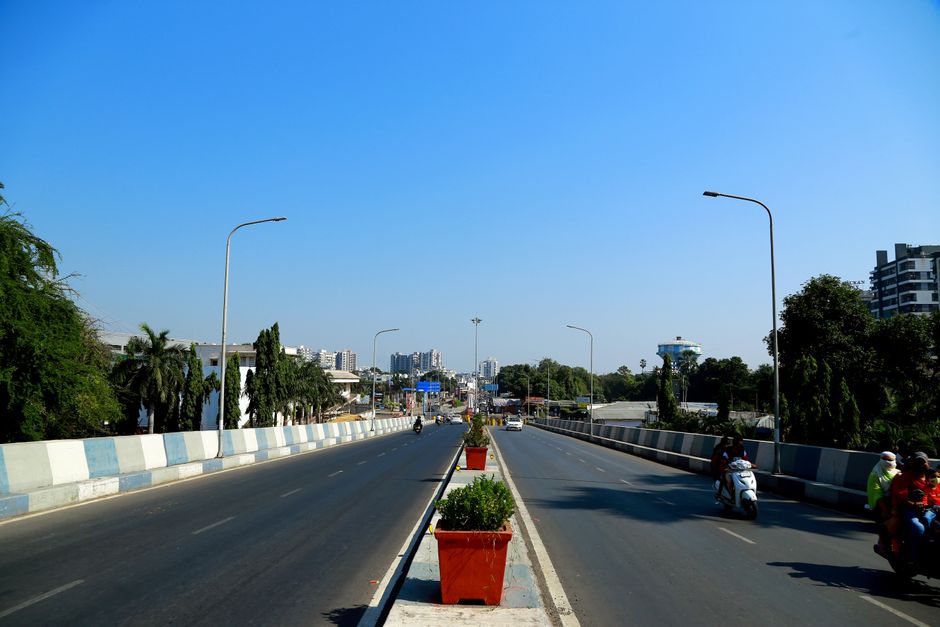
Transit infrastructure plays a vital role in connecting Kosad to other parts of Surat and the surrounding region. The existing road network needs to be expanded and improved to accommodate the increasing traffic volume. Investing in public transportation, such as buses and trains, can also help reduce traffic congestion and improve accessibility.
Arterial connectivity is essential for facilitating the movement of goods and people. Kosad's connectivity to major highways and industrial areas is a key factor in its economic growth. Improving the road network and developing logistics infrastructure can further enhance its competitiveness.
Sanitation infrastructure is crucial for protecting public health and the environment. This includes providing adequate sewerage systems, wastewater treatment plants, and solid waste management facilities. Investing in sanitation infrastructure is essential for preventing water pollution and improving the overall quality of life.
The infrastructure challenges facing Kosad require a comprehensive and coordinated approach. This involves developing a long term infrastructure plan, securing adequate funding, and implementing projects in a timely manner. Public private partnerships can be an effective way to leverage private sector expertise and investment in infrastructure development.
The availability of social infrastructure, including schools, healthcare facilities, and recreational amenities, is essential for creating livable and sustainable communities in Kosad. These facilities play a crucial role in promoting education, health, and social well being. Assessing the health of institutional assets and social amenities is critical for identifying gaps and prioritizing investments.
The number of schools and educational institutions in Kosad needs to keep pace with the growing population. Investing in new schools, upgrading existing facilities, and improving the quality of education are essential for ensuring that children have access to a good education. Promoting vocational training and skill development programs can also help prepare young people for the job market.
Healthcare facilities are another essential component of social infrastructure. Access to quality healthcare services is crucial for promoting public health and well being. Investing in new hospitals, clinics, and primary healthcare centers is necessary to meet the growing healthcare needs of the population.
Recreational amenities, such as parks, playgrounds, and community centers, play a vital role in promoting social interaction and physical activity. These amenities provide opportunities for residents to relax, exercise, and connect with their neighbors. Investing in recreational amenities can enhance the quality of life and create a sense of community.
Institutional assets, such as government offices, libraries, and cultural centers, are also important components of social infrastructure. These facilities provide essential services and contribute to the cultural and intellectual life of the community. Maintaining and upgrading these assets is essential for ensuring that they continue to serve their purpose.
Ensuring equitable access to social infrastructure is a key challenge in Kosad. Disadvantaged communities often lack access to quality schools, healthcare facilities, and recreational amenities. Addressing this disparity requires targeted investments and policies that promote social inclusion.
Community participation is essential for planning and developing social infrastructure. Engaging residents in the planning process ensures that the facilities meet their needs and preferences. Community involvement can also foster a sense of ownership and responsibility, leading to better utilization and maintenance of the facilities.
Verifying land titles is a crucial step in any real estate transaction or development project in Kosad. Accurate and up to date land records are essential for ensuring clear ownership and preventing disputes. The AnyROR Gujarat portal provides online access to land records, making it easier for citizens to verify land titles and obtain information about property ownership. [https://anyror.gujarat.gov.in/]
The process of title verification involves several steps, including obtaining a copy of the land record, verifying the identity of the owner, and checking for any encumbrances or claims against the property. It is advisable to engage a qualified lawyer or land surveyor to assist with the title verification process.
Land reconstitution is a process used to consolidate fragmented land parcels into planned layouts. This process is often implemented as part of a Town Planning Scheme (TPS) and involves re allotting land to the original owners in a more organized and efficient manner. Land reconstitution can facilitate the provision of infrastructure and improve the overall development potential of an area.
The steps involved in land reconstitution typically include: identifying the land parcels to be consolidated, preparing a draft scheme showing the proposed layout, inviting objections and suggestions from landowners, modifying the scheme based on public feedback, and implementing the scheme by re allotting land to the original owners. The process requires careful planning, stakeholder consultation, and transparent governance.
The AnyROR portal provides access to various types of land records, including: VF7/12 (Record of Rights), VF6 (Village Form 6), and VF8A (Village Form 8A). These records provide information about property ownership, land use, and other relevant details. Understanding how to interpret these records is essential for verifying land titles and making informed decisions about real estate investments.
Maintaining accurate and up to date land records is essential for good governance and economic development. This requires investing in modern technology, training land record officials, and implementing robust data management systems. The Gujarat government has made significant progress in digitizing land records, but ongoing efforts are needed to ensure the accuracy and accessibility of this information.
Kosad's economic engine is significantly influenced by its proximity to established industrial corridors. These corridors generate employment opportunities and attract investment, contributing to the overall economic growth of the region. The presence of industries in sectors such as textiles, chemicals, and engineering drives demand for housing, infrastructure, and services in Kosad.
The impact of the industrial corridor is evident in the increasing number of economic commuters who travel to and from Kosad on a daily basis. These commuters work in the industrial areas and reside in Kosad due to its relatively affordable housing options and proximity to Surat. The influx of commuters has put a strain on the existing transportation infrastructure, necessitating investments in public transportation and road improvements.
The Gujarat Industrial Development Corporation (GIDC) plays a crucial role in promoting industrial development in the region. GIDC develops and manages industrial estates, providing infrastructure and support services to businesses. The presence of GIDC industrial estates near Kosad has been a key factor in attracting investment and creating employment opportunities. [https://gidc.gujarat.gov.in/]
The economic commuters contribute significantly to the local economy by spending their income on housing, food, transportation, and other goods and services. This creates a multiplier effect, stimulating economic activity and creating new business opportunities. Supporting local businesses and promoting entrepreneurship can further enhance the economic benefits of the industrial corridor.
Price modeling for land and property in Kosad requires a comprehensive analysis of various factors, including location, size, zoning regulations, and market demand. Historical price trends, recent sales data, and expert opinions can be used to develop a predictive model that estimates the current and future value of properties. Understanding the dynamics of the local real estate market is crucial for making informed investment decisions.
Absorption forecasts are essential for assessing the demand for residential and commercial properties in Kosad. These forecasts take into account factors such as population growth, employment trends, and economic conditions. A high absorption rate indicates strong demand and potential for price appreciation, while a low absorption rate suggests a weaker market.
Strategic ROI analysis involves evaluating the potential return on investment for different types of real estate projects in Kosad. This analysis should consider factors such as land costs, construction costs, financing costs, and expected rental income or sales revenue. A thorough ROI analysis can help investors identify the most profitable and sustainable investment opportunities.
The investment potential in Kosad is influenced by several factors, including its strategic location, proximity to industrial areas, and availability of affordable housing. However, it is important to carefully assess the risks and challenges associated with investing in the area, such as unplanned growth, infrastructure constraints, and regulatory uncertainties.
The pace of development in Kosad is expected to continue in the coming years, driven by population growth and economic expansion. However, the rate of growth may vary depending on factors such as government policies, infrastructure investments, and global economic conditions. Monitoring these factors is essential for making accurate absorption forecasts and investment decisions.
A long term investment strategy for Kosad should focus on sustainable development and responsible land use. This includes investing in projects that promote environmental protection, social equity, and economic viability. Supporting local businesses, creating affordable housing options, and investing in public infrastructure can contribute to the long term prosperity of the community.
The ROI varies greatly depending on the type of investment and its location within Kosad. For example, investments in residential properties located near industrial areas may generate higher rental income and capital appreciation due to the demand from economic commuters. Investments in commercial properties located along major roads may also offer attractive returns due to the high traffic volume and visibility. A detailed analysis of each investment opportunity is essential for maximizing ROI.
Conclusion: Final Verdict.
Kosad presents a mixed bag of opportunities and challenges. Its strategic location and proximity to industrial hubs position it for continued growth, but this growth must be carefully managed to avoid the pitfalls of unplanned development. Proactive town planning, strategic infrastructure investments, and a robust regulatory framework are essential for ensuring that Kosad grows in a sustainable and equitable manner. Investors should conduct thorough due diligence and carefully assess the risks and opportunities before making any investment decisions. The long term success of Kosad hinges on the commitment of all stakeholders to sustainable development principles and responsible land use practices.