Puna Simada Encyclopedia: Technical Planning & Investment Reference
Executive Summary:
Puna Simada, located within the Surat Metropolitan Region, is undergoing rapid transformation driven by industrial expansion, population growth, and strategic planning initiatives. This encyclopedia provides a detailed analysis of Puna Simada's land use, infrastructure, regulatory framework, and investment potential, offering a comprehensive resource for planners, developers, and investors. Key challenges involve managing peri urban sprawl, ensuring adequate infrastructure capacity, and streamlining land acquisition processes. Strategic investment in social infrastructure and sustainable development practices is crucial for Puna Simada's long term prosperity.
15 Strategic KPI Bullets:
- Current Population Growth Rate
- Existing FSI/FAR Utilization Rate
- Greenfield Land Availability (Hectares)
- Industrial Land Absorption Rate (Annual)
- Residential Property Price Appreciation (YoY)
- Infrastructure Deficit Index (Water, Power, Transit)
- Number of Operational Industrial Units
- Average Commute Time to Surat City Center
- Social Infrastructure Coverage (Schools, Hospitals)
- Land Title Dispute Resolution Rate
- GIDC Land Allocation Price per Square Meter
- Percentage of Planned vs. Unplanned Development
- Investment in Infrastructure Projects (Last 5 Years)
- Forecasted Population Density (5 & 10 Years)
- ROI on Residential vs. Industrial Real Estate
Puna Simada is strategically situated within the Surat Urban Agglomeration, experiencing significant developmental pressure due to its proximity to major industrial corridors. Its geographical coordinates place it advantageously for connectivity and accessibility to Surat city and surrounding regions. The area's topography is relatively flat, facilitating ease of construction and infrastructure development.
Town Planning Scheme (TPS) Puna Simada is a crucial instrument for organized development. This scheme involves plot reconstitution, merging fragmented land parcels into larger, more developable units. Landowners contribute a portion of their land for infrastructure development, such as roads, utilities, and public amenities.
FSI (Floor Space Index) and FAR (Floor Area Ratio) regulations dictate the permissible built up area on a given plot. These regulations are designed to control density, prevent overbuilding, and ensure adequate open spaces. The FSI/FAR in Puna Simada varies depending on the designated zone, with higher values typically permitted in commercial and industrial areas.

Infrastructure provision within the TPS boundary encompasses essential services like water supply, sewerage, drainage, and electricity. The scheme aims to provide these services in a coordinated and efficient manner, ensuring that development is supported by adequate infrastructure capacity. Roads are planned and constructed according to a hierarchical system, connecting residential, commercial, and industrial areas.
The spatial DNA of Puna Simada is gradually shifting from a predominantly agricultural landscape to a mixed use environment. Industrial areas are concentrated along major transportation corridors, while residential development is expanding outwards from existing settlements. Careful planning is essential to manage this transition and prevent haphazard urban sprawl.
Plot reconstitution in Puna Simada has facilitated the development of large scale industrial and residential projects. The process involves valuing individual land parcels and allocating reconstituted plots based on the original landholding. This ensures fair compensation for landowners while enabling the creation of developable land. AnyROR Gujarat - Land Records
The success of TPS Puna Simada hinges on effective implementation and monitoring. Regular reviews and updates are necessary to adapt to changing circumstances and ensure that the scheme continues to meet the evolving needs of the community. Public participation is also vital, ensuring that the concerns and aspirations of residents are taken into account.
The underlying soil composition, or pedological profile, influences construction practices and infrastructure design. Geological surveys inform foundation requirements and the suitability of land for different types of development. Understanding the soil characteristics helps minimize risks related to soil erosion, land subsidence, and seismic activity.
Effective implementation of the TPS requires coordination between various government agencies, including the Surat Municipal Corporation, the Gujarat Industrial Development Corporation (GIDC), and the Town Planning Department. Clear communication and collaboration are essential to avoid delays and ensure that development proceeds smoothly. Gujarat Town Planning & Urban Development
Historically, Puna Simada was a predominantly agrarian area characterized by scattered villages and agricultural fields. The population was relatively small, and the economy was primarily based on farming. The pace of development was slow, and infrastructure was limited.
The establishment of industrial estates in nearby areas triggered a significant transformation in Puna Simada. Migrant workers flocked to the area in search of employment opportunities, leading to a rapid increase in population. Residential development expanded to accommodate the growing workforce, resulting in peri urban sprawl.
The historical growth pattern has been largely unplanned, with residential areas developing haphazardly along major roads. This has led to challenges related to infrastructure provision, traffic congestion, and lack of open spaces. The Town Planning Scheme aims to rectify these issues and guide future development in a more organized manner.
Future growth scenarios for Puna Simada project a continued increase in population and economic activity. The area is expected to become a major industrial and residential hub within the Surat Metropolitan Region. This growth will place significant pressure on infrastructure and resources.
Planned development is crucial to ensure that future growth is sustainable and equitable. This involves investing in infrastructure, promoting mixed use development, and preserving open spaces. Effective land use planning can mitigate the negative impacts of urbanization and enhance the quality of life for residents.
Comparing historical growth with future scenarios reveals the magnitude of the challenges and opportunities facing Puna Simada. The area needs to transition from unplanned sprawl to a well managed urban environment. This requires a proactive approach to planning and development, with a focus on sustainability and resilience.
The availability of affordable housing is a key factor influencing the growth pattern. Encouraging the development of diverse housing options, including affordable housing, can help to reduce income inequality and promote social inclusion. Public private partnerships can play a vital role in addressing the housing shortage.
Environmental considerations must also be taken into account in future growth scenarios. Protecting natural resources, minimizing pollution, and promoting energy efficiency are essential for creating a sustainable urban environment. Green infrastructure, such as parks and green roofs, can help to mitigate the impacts of climate change.
The success of Puna Simada's future growth depends on effective governance and community participation. Empowering local residents to participate in planning decisions can ensure that development reflects their needs and aspirations. Transparent and accountable governance is essential for building trust and promoting sustainable development.
FSI (Floor Space Index) and FAR (Floor Area Ratio) regimes are key regulatory tools used to control the density of development. Higher FSI/FAR values are typically permitted in areas designated for commercial and industrial use, while lower values are applied in residential zones. The specific FSI/FAR regulations for Puna Simada are outlined in the Town Planning Scheme. e Town Planning Gujarat
Zonal master plans provide a detailed framework for land use planning within specific areas. These plans designate zones for residential, commercial, industrial, and public use, guiding development and ensuring that land is used efficiently. The zonal master plan for Puna Simada is an integral part of the overall development plan for the Surat Metropolitan Region.
Regulatory alignments involve ensuring that different levels of government are working together to achieve common planning goals. This requires coordination between the local, state, and central governments to avoid conflicting policies and streamline the development process. Effective regulatory alignment is crucial for promoting investment and sustainable development.
The permissible FSI/FAR in Puna Simada is subject to change based on policy revisions and infrastructure upgrades. The local planning authority periodically reviews the FSI/FAR regulations to ensure that they are aligned with the evolving needs of the community. Any changes to the FSI/FAR regulations are subject to public consultation and approval.
Enforcement of FSI/FAR regulations is essential for preventing illegal construction and ensuring that development complies with the approved plans. The local planning authority has the power to issue stop work orders, demolition notices, and other enforcement measures to address violations of the FSI/FAR regulations.
The zonal master plan for Puna Simada is based on a comprehensive assessment of the area's land use, infrastructure, and environmental characteristics. The plan takes into account factors such as population density, traffic patterns, and the availability of public services. It also incorporates feedback from community stakeholders.
Regulatory alignments extend to environmental regulations, ensuring that development is sustainable and does not harm the environment. Environmental impact assessments are required for certain types of development to identify and mitigate potential environmental risks. These assessments are reviewed by the relevant environmental authorities.
The effectiveness of planning and governance in Puna Simada depends on transparency and accountability. Planning documents, including the zonal master plan and the FSI/FAR regulations, are publicly available. The planning authority holds public hearings to solicit feedback from the community on proposed developments.
Continuous monitoring and evaluation are essential for ensuring that the planning and governance framework is effective. Regular reviews are conducted to assess the impact of planning policies and identify areas for improvement. The feedback from these reviews is used to inform future planning decisions.
Infrastructure readiness is a critical factor determining the sustainability and viability of development in Puna Simada. This encompasses the availability and capacity of essential services such as water supply, power, and transportation networks. Deficiencies in these areas can impede growth and negatively impact the quality of life.
Water supply in Puna Simada is sourced from the Surat Municipal Corporation's bulk water supply system. However, the increasing population and industrial activity are placing strain on the existing water infrastructure. Upgrades and expansions are necessary to ensure an adequate and reliable water supply for all users.
Power supply is provided by Gujarat Urja Vikas Nigam Limited (GUVNL). The demand for electricity is growing rapidly due to industrial expansion and residential development. The existing power infrastructure needs to be strengthened to prevent power outages and ensure a stable electricity supply.
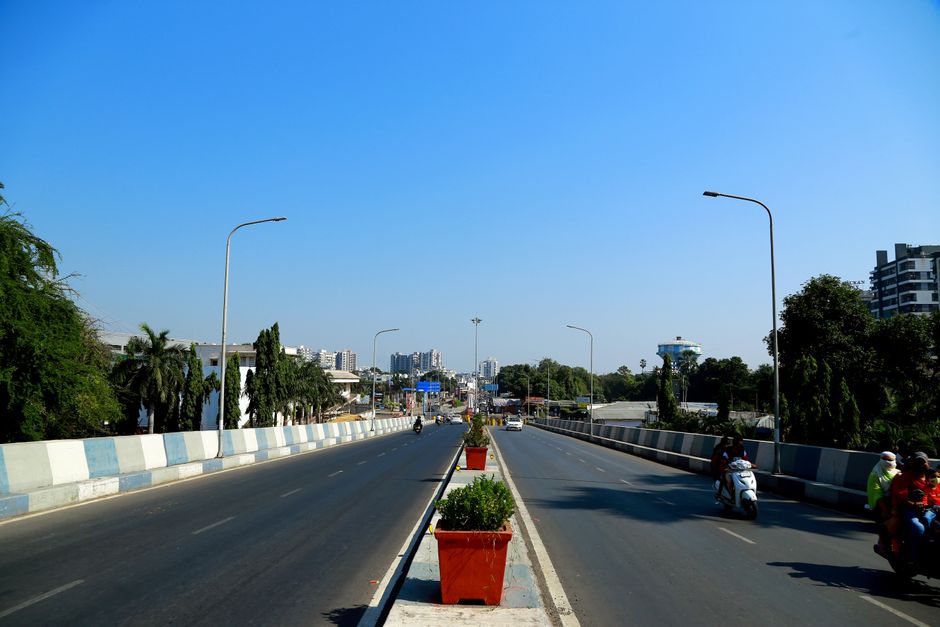
Transit infrastructure in Puna Simada consists primarily of roads and public transportation services. Traffic congestion is a major problem, particularly during peak hours. Investments in public transportation, such as buses and metro rail, are needed to improve connectivity and reduce congestion.
Arterial connectivity refers to the major roads and highways that connect Puna Simada to Surat city and other surrounding areas. These roads are essential for facilitating the movement of goods and people. Upgrades and expansions are needed to improve traffic flow and reduce travel times.
The existing infrastructure capacity in Puna Simada is inadequate to support the projected future growth. Significant investments are required in all areas of infrastructure, including water supply, power, transportation, and sewerage. These investments should be prioritized based on a comprehensive infrastructure plan.
Sustainable infrastructure solutions are essential for minimizing the environmental impact of development. This includes promoting water conservation, energy efficiency, and the use of renewable energy sources. Green infrastructure, such as rainwater harvesting and green roofs, can also help to reduce the strain on existing infrastructure.
Effective coordination between different government agencies is crucial for ensuring that infrastructure projects are implemented efficiently and effectively. This requires clear communication, collaboration, and a shared commitment to sustainable development. Public private partnerships can also play a vital role in financing and implementing infrastructure projects.
Institutional asset health refers to the condition and functionality of essential public facilities such as schools, hospitals, and community centers. These assets play a vital role in supporting the social well being of the community. Regular maintenance and upgrades are necessary to ensure that these facilities remain in good condition.
Social amenities encompass a wide range of facilities and services that enhance the quality of life for residents. This includes parks, playgrounds, libraries, and cultural centers. Adequate provision of social amenities is essential for creating a vibrant and livable community.
Puna Simada's social infrastructure is currently under strain due to rapid population growth. The existing schools and hospitals are overcrowded, and there is a shortage of social amenities. Investments are needed to expand and improve these facilities to meet the needs of the growing population.
The availability of quality education is a key factor influencing the attractiveness of Puna Simada as a place to live and work. Investments in schools, teachers, and educational resources are essential for improving educational outcomes. Access to affordable healthcare is also a critical concern.
Community centers provide a space for residents to gather, socialize, and participate in community activities. These centers can play a vital role in promoting social cohesion and building a sense of community. More community centers are needed in Puna Simada to serve the growing population.
Parks and playgrounds provide opportunities for recreation and exercise. These facilities are essential for promoting physical and mental health. The availability of green spaces in Puna Simada is limited, and more parks and playgrounds are needed.
Libraries provide access to information and resources for learning and personal development. These facilities are particularly important for children and young people. The existing library facilities in Puna Simada are inadequate, and more libraries are needed.
Effective management and maintenance of social infrastructure are essential for ensuring that these facilities remain in good condition. This requires a dedicated budget and a skilled workforce. Community involvement in the management of social infrastructure can also help to ensure that these facilities meet the needs of the community.
The provision of social infrastructure should be integrated into the overall planning and development process. New residential and commercial developments should be required to contribute to the provision of social infrastructure. Public private partnerships can also play a vital role in financing and developing social infrastructure projects.
Land records are essential for establishing ownership, resolving disputes, and facilitating land transactions. Accurate and up to date land records are crucial for promoting investment and sustainable development. The AnyROR Gujarat portal provides online access to land records in Gujarat, including Puna Simada. AnyROR Gujarat - Land Records
Title verification is the process of confirming the legal ownership of a property. This involves examining land records, title deeds, and other relevant documents to ensure that the seller has the right to transfer ownership. Title verification is an essential step in any land transaction.
Land reconstitution is the process of consolidating fragmented land parcels into larger, more developable units. This is often done as part of a Town Planning Scheme. Landowners contribute a portion of their land for infrastructure development, and the remaining land is reconstituted into new plots.
The first step in land reconstitution is to conduct a detailed survey of the area. This survey identifies the existing land ownership patterns, the physical characteristics of the land, and the infrastructure requirements. The survey data is used to develop a draft land reconstitution plan.
The draft land reconstitution plan is then presented to the landowners for their feedback. Public meetings are held to discuss the plan and address any concerns. The plan is revised based on the feedback received from the landowners.
Once the land reconstitution plan is finalized, it is implemented by the local planning authority. Landowners are compensated for the land that they contribute for infrastructure development. The reconstituted plots are allocated to the landowners based on their original landholding.
Title verification involves searching the land records to identify any encumbrances on the property. Encumbrances are claims or liens against the property, such as mortgages, easements, or unpaid taxes. These encumbrances must be resolved before the property can be transferred.
The AnyROR Gujarat portal provides access to a variety of land records, including Record of Rights (ROR), 7/12 extracts, and property cards. These records provide information about land ownership, land use, and encumbrances. The portal also allows users to apply for certified copies of land records.
Land title disputes can arise due to a variety of reasons, such as conflicting claims of ownership, inaccurate land records, or boundary disputes. Resolving these disputes can be a lengthy and complex process. Mediation and arbitration are often used to resolve land title disputes.
Effective land management requires a transparent and accountable land administration system. This includes clear procedures for land registration, title verification, and dispute resolution. Public access to land records is essential for promoting transparency and preventing corruption.
Puna Simada's economic engine is heavily influenced by its proximity to major industrial corridors within the Surat Metropolitan Region. These corridors attract investment, generate employment, and drive economic growth. The presence of industries such as textiles, diamonds, and engineering has a significant impact on Puna Simada's economy. Gujarat Industrial Development Corporation (GIDC)
The industrial corridor impact is evident in the growth of related industries and services in Puna Simada. This includes transportation, logistics, warehousing, and hospitality. The area has become a hub for economic activity, attracting businesses and workers from across the region.
Economic commuters are individuals who travel to Puna Simada for work from surrounding areas. These commuters contribute to the local economy by spending money on goods and services. However, they also place strain on infrastructure, such as roads and public transportation.
The presence of industrial corridors has led to an increase in property values in Puna Simada. Land and housing prices have risen significantly due to the increased demand. This has created opportunities for property developers and investors.
The local economy benefits from the multiplier effect of industrial activity. This means that every rupee spent by industries in Puna Simada generates additional economic activity in the area. This effect is amplified by the presence of a skilled workforce and a supportive business environment.
The government plays a vital role in supporting the economic engine of Puna Simada. This includes providing infrastructure, promoting investment, and creating a favorable regulatory environment. The Gujarat Industrial Development Corporation (GIDC) is actively involved in promoting industrial development in the area.
Challenges remain in ensuring that the benefits of economic growth are shared equitably. Efforts are needed to provide affordable housing, improve access to education and healthcare, and protect the environment. Sustainable development practices are essential for ensuring long term prosperity.
The future of Puna Simada's economy depends on its ability to adapt to changing market conditions. This includes investing in innovation, diversifying its industrial base, and promoting entrepreneurship. A skilled and adaptable workforce is essential for remaining competitive in the global economy.
Price modeling in Puna Simada's real estate market involves analyzing various factors that influence property values. These factors include location, size, amenities, infrastructure, and market trends. Accurate price modeling is essential for making informed investment decisions.
Absorption forecasts predict the rate at which available properties will be sold or leased in the market. These forecasts are based on factors such as population growth, employment trends, and interest rates. Understanding absorption rates is crucial for assessing the demand for real estate and planning for future development.
Strategic ROI (Return on Investment) analysis involves evaluating the potential returns on different types of real estate investments in Puna Simada. This includes residential, commercial, and industrial properties. The analysis takes into account factors such as purchase price, rental income, operating expenses, and appreciation potential.
Residential property prices in Puna Simada have been appreciating steadily due to strong demand from homebuyers and investors. The area offers a relatively affordable alternative to Surat city, while still providing access to employment opportunities and amenities. However, affordability is becoming a growing concern.
Industrial land prices have also been increasing due to the expansion of industrial corridors and the demand for manufacturing and warehousing space. The Gujarat Industrial Development Corporation (GIDC) plays a significant role in allocating industrial land in Puna Simada. Gujarat State Portal
Commercial property prices are influenced by factors such as location, foot traffic, and the availability of parking. Prime commercial locations along major roads command higher prices. The growth of the retail sector is driving demand for commercial space.
The ROI on residential real estate in Puna Simada is typically higher for rental properties due to the strong demand for rental housing. Investors can generate a steady income stream from rental properties, while also benefiting from property appreciation over time. However, managing rental properties can be time consuming and require specialized expertise.
The ROI on industrial real estate depends on factors such as the type of industry, the location of the property, and the terms of the lease. Industrial properties can generate high returns for investors, but they also require a significant upfront investment. Environmental regulations and compliance costs can also impact the ROI.
Strategic investment in Puna Simada requires a thorough understanding of the local market dynamics and the regulatory environment. Investors should conduct due diligence to assess the risks and opportunities associated with different types of real estate investments. Seeking advice from experienced real estate professionals can also be beneficial.
Long term ROI in Puna Simada is dependent on sustainable development practices. Investments in green infrastructure, energy efficiency, and water conservation can enhance the value of properties and reduce operating costs. Sustainable development also contributes to the overall quality of life and the long term prosperity of the community.
| Property Type | Average Price (Sq Ft) | Rental Yield (%) |
|---|---|---|
| Residential Apartment | ₹3,000 | 3-4 |
| Industrial Land | ₹8,000 | 8-10 |
| Commercial Space | ₹5,000 | 5-6 |
| Factor | Impact on ROI |
|---|---|
| Infrastructure Development | Positive |
| Regulatory Changes | Variable |
| Economic Growth | Positive |
| Interest Rate Hikes | Negative |
Conclusion: Final Verdict.
Puna Simada presents a complex yet promising landscape for development and investment. Its strategic location within the Surat Metropolitan Region, coupled with ongoing Town Planning Scheme initiatives, offers potential for organized growth. However, critical challenges remain in infrastructure capacity, managing peri urban sprawl, and ensuring equitable access to social amenities. Investment decisions should be guided by thorough due diligence, accurate price modeling, and a focus on sustainable development practices to maximize long term ROI and contribute to the area's overall prosperity. Effective governance, community participation, and regulatory alignment are essential for achieving a balanced and sustainable future for Puna Simada.