Fursungi Encyclopedia: Technical Planning & Investment Reference
Executive Summary
Fursungi, a rapidly urbanizing area near Pune, Maharashtra, presents both significant opportunities and challenges for urban planners, developers, and investors. This encyclopedia provides a comprehensive overview of Fursungi's spatial characteristics, historical development, planning regulations, infrastructure capacity, socio economic profile, land records system, economic drivers, and investment potential. Critical analysis focuses on navigating the complexities of land acquisition, infrastructure limitations, and regulatory frameworks to maximize returns while contributing to sustainable urban growth. The area's proximity to established industrial corridors and Pune's metropolitan area fuels demand, but careful due diligence and strategic planning are essential for success.
15 Strategic KPIs for Fursungi:
- Land Title Clearance Rate
- FSI/FAR Utilization Percentage
- Water Supply Adequacy Index
- Power Grid Load Capacity
- Road Network Congestion Level
- Public Transportation Accessibility
- Educational Institution Density
- Healthcare Facility Proximity
- Open Space Availability per Capita
- Waste Management Efficiency
- Property Tax Collection Rate
- New Construction Approval Timeline
- Land Value Appreciation Rate
- Rental Yield Percentage
- Vacancy Rate (Residential & Commercial)
Fursungi's location within the Pune Metropolitan Region (PMR) defines its trajectory. Its geography is characterized by gently undulating terrain, typical of the Deccan Plateau. The pedological profile features predominantly black cotton soil, impacting foundation design and construction costs. Access to groundwater varies across the region, necessitating careful hydrogeological studies before large scale development.
Town Planning Schemes (TPS) are critical for regulating development in Fursungi. TPS aim to consolidate fragmented land holdings, enabling planned infrastructure development and efficient land use. A key feature of TPS is plot reconstitution, where original land parcels are reconfigured to create more regular and accessible plots.
FSI/FAR (Floor Space Index/Floor Area Ratio) regulations dictate the permissible building density on a given plot. These regulations are designed to control urban sprawl, manage infrastructure demand, and ensure adequate open space. Fursungi's FSI/FAR regime is determined by the Pune Metropolitan Region Development Authority (PMRDA) and is subject to periodic revisions based on the evolving needs of the area.
Infrastructure provision is a central component of TPS. The scheme typically includes provisions for roads, water supply, sewerage, drainage, and electricity distribution. The financial burden of infrastructure development is often shared between landowners and the implementing authority, PMRDA.
Successful implementation of TPS hinges on stakeholder collaboration and transparent communication. Landowners, developers, and government agencies must work together to ensure that the scheme aligns with the broader development goals of the region. Delays in TPS implementation can lead to unplanned development and exacerbate infrastructure challenges.
The spatial DNA of Fursungi is being reshaped by rapid urbanization. Traditional agricultural land is being converted into residential, commercial, and industrial zones. This transformation requires careful planning to preserve green spaces, protect natural resources, and ensure a high quality of life for residents. The PMRDA's regional plan plays a crucial role in guiding this spatial evolution.
Effective TPS implementation requires robust monitoring and evaluation mechanisms. Regular assessments of infrastructure performance, land use patterns, and environmental impacts are essential for adaptive management. Data driven decision making is critical for optimizing the benefits of TPS and mitigating potential risks.
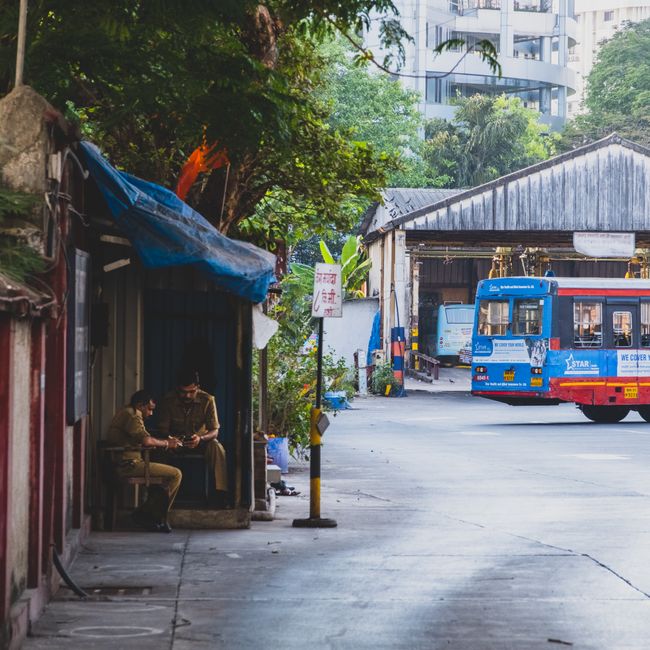
Historically, Fursungi was primarily an agricultural area, characterized by small villages and agrarian communities. Its proximity to Pune gradually transformed it into a peri urban zone, attracting migrants seeking affordable housing and employment opportunities. The establishment of industrial estates in neighboring areas further accelerated its growth.
The historical growth pattern of Fursungi has been largely organic, driven by market forces and individual initiatives. This has resulted in a somewhat fragmented urban landscape, with pockets of planned development interspersed with unplanned settlements. The lack of comprehensive planning in the early stages of urbanization has contributed to infrastructure deficits and environmental challenges.
Future growth scenarios for Fursungi depend on several factors, including infrastructure investments, regulatory reforms, and economic trends. A high growth scenario would involve significant infrastructure upgrades, streamlined regulatory processes, and strong economic performance. This could lead to rapid urbanization and increased land values.
A moderate growth scenario would entail gradual infrastructure improvements, incremental regulatory changes, and stable economic conditions. This would result in a more balanced development pattern, with a mix of residential, commercial, and industrial uses. A low growth scenario would be characterized by limited infrastructure investments, regulatory bottlenecks, and economic stagnation. This could lead to further fragmentation and increased social disparities.
Comparing historical growth with future scenarios reveals a critical need for proactive planning. The lessons learned from past mistakes must inform future development strategies. A focus on sustainable infrastructure, inclusive housing, and environmental protection is essential for ensuring a prosperous and equitable future for Fursungi.
Land use patterns have drastically changed over the past two decades. Agricultural land has been increasingly converted into residential and commercial properties. This shift has implications for food security, water resources, and biodiversity. Strategic planning is needed to balance development with environmental conservation.
The historical growth rate has outpaced infrastructure development, leading to challenges in water supply, sanitation, and transportation. Addressing these infrastructure deficits is crucial for accommodating future population growth and improving the quality of life for residents. The PMRDA is undertaking several projects to upgrade infrastructure in Fursungi.
The FSI/FAR regime in Fursungi is a complex system, governed by the PMRDA's unified development control regulations (UDCR). The base FSI/FAR varies depending on the zone, plot size, and road width. Additional FSI/FAR can be obtained through premium charges or by implementing specific development features, such as affordable housing or green building technologies.
Zonal master plans delineate land use zones, specifying permissible activities and development standards within each zone. These plans are designed to guide development in accordance with the overall vision for the region. The zonal plans are subject to periodic revisions to adapt to changing needs and priorities.
Regulatory alignments are essential for ensuring consistency and coordination across different government agencies. The PMRDA, the municipal corporation, and other relevant authorities must work together to streamline approval processes and avoid conflicting regulations. This requires effective communication, information sharing, and collaborative decision making.
The existing FSI/FAR regime has been criticized for being overly complex and restrictive. Developers argue that it limits innovation and increases project costs. Planners, on the other hand, emphasize the need for careful regulation to prevent overdevelopment and protect environmental resources.
The zonal master plans are intended to promote orderly development, but their effectiveness is often undermined by ad hoc changes and political pressures. The lack of transparency and public participation in the planning process can lead to mistrust and resistance from affected communities. Streamlining the approval process is critical for encouraging investment and promoting sustainable development.
The PMRDA's UDCR are designed to promote compact and efficient urban development. However, their implementation is often hampered by bureaucratic delays and inconsistent enforcement. Strengthening institutional capacity and improving governance are essential for realizing the full potential of the regulations. Aligning regulatory frameworks with sustainable development goals is crucial for ensuring a prosperous and equitable future for Fursungi.
Table: FSI/FAR Comparison (Example)
| Zone | Base FSI | Premium FSI | Total FSI |
|---|---|---|---|
| Residential | 1.0 | 0.5 | 1.5 |
| Commercial | 1.5 | 0.75 | 2.25 |
| Industrial | 1.25 | 0.625 | 1.875 |
Infrastructure readiness is a major concern in Fursungi. Water supply is often inadequate, particularly during peak demand periods. The existing water distribution network is aging and prone to leaks, resulting in significant water losses. Upgrading the water supply system is a top priority for the PMRDA.
Power infrastructure is also under strain, with frequent power outages and voltage fluctuations. The increasing demand for electricity from residential, commercial, and industrial users is exceeding the capacity of the existing grid. Investing in new power generation and transmission infrastructure is essential for supporting economic growth.
Transit connectivity is limited, with inadequate public transportation options. The road network is congested, particularly during peak hours. Improving public transportation and expanding the road network are crucial for reducing traffic congestion and enhancing accessibility. The Pune Metro extension is expected to improve connectivity to Fursungi.
Arterial connectivity is improving with the construction of new highways and expressways. These projects are reducing travel times to Pune and other major cities. However, the internal road network within Fursungi needs to be upgraded to handle the increasing traffic volume.
The existing infrastructure deficits are hindering economic development and reducing the quality of life for residents. Addressing these challenges requires a coordinated effort from government agencies, private developers, and community stakeholders. Sustainable infrastructure solutions are needed to ensure long term resilience.
Water sources for Fursungi are primarily dependent on rainfall and external water transfers. This dependence makes the region vulnerable to drought. Investing in water conservation and rainwater harvesting is essential for ensuring water security. The current waste management system is inadequate, leading to environmental pollution and public health risks.
Improving the solid waste management system is critical for protecting the environment and public health. Investment in modern waste treatment facilities is needed. The drainage system is inadequate, leading to flooding during heavy rains. Upgrading the drainage system is essential for preventing water logging and property damage.

Institutional asset health refers to the capacity and effectiveness of local institutions, such as schools, hospitals, and government offices. In Fursungi, many of these institutions are understaffed and under resourced. Strengthening these institutions is crucial for delivering essential services and promoting social well being.
Social amenities, such as parks, playgrounds, and community centers, are essential for creating livable and vibrant communities. Fursungi lacks adequate social amenities, particularly in low income areas. Investing in these amenities is crucial for improving the quality of life for residents and fostering social cohesion.
Educational institutions in Fursungi are facing challenges in terms of infrastructure, teacher quality, and access to technology. Improving the quality of education is essential for preparing students for the future workforce. Healthcare facilities are often overcrowded and lack specialized services. Expanding access to quality healthcare is a critical priority.
Public safety is a concern, with rising crime rates and inadequate policing. Strengthening law enforcement and improving community safety are essential for creating a secure environment for residents and businesses. The availability of affordable housing is limited, forcing many low income families to live in informal settlements.
Increasing the supply of affordable housing is crucial for addressing social inequality and improving living conditions. The lack of access to basic services, such as water and sanitation, disproportionately affects low income communities. Ensuring equitable access to basic services is essential for promoting social justice.
Community participation in planning and decision making is limited. Empowering communities to participate in shaping their own future is essential for promoting sustainable and inclusive development. The lack of social infrastructure is hindering the overall development of Fursungi. Investment in social infrastructure is critical for improving the quality of life for residents.
Land records in Maharashtra are maintained by the Department of Land Records. Accurate and up to date land records are essential for facilitating land transactions, resolving disputes, and promoting investment. The land records system in Maharashtra is being digitized to improve efficiency and transparency. The AnyROR Gujarat - Land Records can be used as a reference for similar digitized land records systems.
Title verification is a critical step in any land transaction. It involves examining the land records to ensure that the seller has clear ownership of the property and that there are no encumbrances, such as mortgages or liens. Due diligence is essential to avoid legal disputes and financial losses.
Land reconstitution is the process of re organizing fragmented land holdings into more consolidated and usable parcels. This is often done as part of a Town Planning Scheme (TPS). Land reconstitution can improve land use efficiency, facilitate infrastructure development, and increase land values.
The steps involved in land reconstitution typically include surveying the existing land parcels, preparing a new layout plan, obtaining consent from landowners, and implementing the scheme. The process can be complex and time consuming, but the benefits can be substantial. Navigating the complex world of land records requires expertise and attention to detail.
Title insurance can provide protection against losses arising from defects in title. It is a valuable tool for mitigating risk in land transactions. Land records are publicly accessible, but accessing and interpreting them can be challenging. Professional assistance may be needed to ensure accuracy and completeness.
The Gujarat Town Planning & Urban Development website and the e Town Planning Gujarat website can offer resources regarding town planning schemes, although these resources may not be directly applicable. Understanding land ownership rights is crucial for making informed investment decisions. Consulting with legal professionals is advisable before engaging in land transactions.
Table: Land Record Documents (Example)
| Document Type | Purpose | Issuing Authority |
|---|---|---|
| 7/12 Extract | Land ownership details | Talathi |
| Property Card | Ownership history in urban areas | City Survey Office |
| Index II | Registered sale deeds | Sub Registrar |
The industrial corridor impact on Fursungi is significant. The area's proximity to established industrial zones, such as Hadapsar and Ranjangaon, has attracted numerous manufacturing and logistics companies. This has created employment opportunities and stimulated economic growth. The Gujarat Industrial Development Corporation (GIDC) can serve as reference for developing industrial areas, although the context is different.
Economic commuters travel to and from Fursungi for work, education, and other purposes. The increasing number of commuters has put a strain on the transportation infrastructure. Improving transit connectivity and reducing traffic congestion are essential for supporting the economic activity of the region.
The industrial corridor has led to an increase in demand for housing, commercial space, and other services in Fursungi. This has driven up land values and property prices. The economic growth has also created new business opportunities for local entrepreneurs.
However, the industrial corridor has also brought challenges, such as environmental pollution, social displacement, and increased income inequality. Addressing these challenges requires a sustainable and inclusive approach to economic development. The industrial corridor has transformed the economic landscape of Fursungi.
The area is becoming increasingly integrated into the regional economy. The economic commuters contribute significantly to the local economy through spending on goods and services. Supporting local businesses and promoting entrepreneurship are crucial for creating a vibrant and resilient economy.
The industrial corridor has the potential to drive further economic growth and development in Fursungi. However, careful planning and management are needed to ensure that the benefits are shared equitably and that the environmental and social impacts are mitigated. The Gujarat State Portal is an example of providing government information online, although the data points are different.
Price modeling in Fursungi is complex, influenced by factors such as location, plot size, FSI/FAR, infrastructure availability, and market sentiment. Historical price data, recent transaction records, and expert opinions are used to develop price models. Accurate price modeling is essential for making informed investment decisions.
Absorption forecasts estimate the rate at which new properties will be sold or leased in a given area. These forecasts are based on factors such as population growth, economic trends, and housing demand. Accurate absorption forecasts are crucial for assessing the viability of development projects.
Strategic ROI (Return on Investment) analysis involves evaluating the potential returns from different investment options, considering factors such as risk, cost, and time horizon. A thorough ROI analysis is essential for maximizing investment returns and minimizing risks. Investment opportunities in Fursungi range from residential developments to commercial properties and industrial projects.
The investment potential of Fursungi is driven by its strategic location, growing population, and expanding economy. However, investors need to be aware of the risks, such as infrastructure deficits, regulatory uncertainties, and market volatility. Careful due diligence and strategic planning are essential for success.
The land value appreciation rate in Fursungi has been high in recent years, reflecting the area's rapid urbanization and economic growth. However, the appreciation rate is expected to moderate in the future as the market matures. Rental yields in Fursungi vary depending on the type of property and location.
Residential properties typically offer lower rental yields than commercial properties. Strategic ROI analysis requires a comprehensive understanding of market dynamics and risk factors. Investing in Fursungi requires a long term perspective and a commitment to sustainable development.
Table: Investment ROI Analysis (Example)
| Project Type | Initial Investment | Expected ROI | Time Horizon | Risk Level |
|---|---|---|---|---|
| Residential | INR 5 Crore | 12% | 5 Years | Moderate |
| Commercial | INR 10 Crore | 15% | 7 Years | High |
| Industrial | INR 20 Crore | 18% | 10 Years | High |
Conclusion: Final Verdict
Fursungi presents a mixed landscape of opportunities and challenges. Its strategic location and rapid urbanization offer substantial investment potential, but infrastructure deficits, regulatory complexities, and environmental concerns require careful consideration. A holistic approach to planning and development, incorporating sustainable infrastructure, inclusive housing, and community engagement, is crucial for unlocking Fursungi's full potential and ensuring a prosperous future for its residents. Investors must prioritize due diligence, strategic planning, and collaboration with local stakeholders to maximize returns and contribute to responsible urban growth.