Bharthana Vesu Encyclopedia: Technical Planning & Investment Reference
Executive Summary:
Bharthana Vesu, located in Surat, Gujarat, represents a rapidly developing urban fringe exhibiting a complex interplay of planned development and organic growth. This encyclopedia provides a detailed technical analysis of the area, focusing on its spatial planning, infrastructure readiness, socio economic fabric, and investment potential. The analysis covers key aspects such as the Town Planning Scheme (TPS) implementation, land reconstitution processes, infrastructure capacity, regulatory framework, and economic drivers shaping its trajectory. The study leverages authoritative sources from the Government of Gujarat to offer actionable insights for planners, investors, and stakeholders.
15 Strategic KPI Bullets:
- TPS Implementation Progress: Percent of plots reconstituted as per TPS.
- FSI/FAR Utilization: Average FSI/FAR consumed across residential and commercial zones.
- Infrastructure Capacity: Water supply capacity (MLD) against projected demand.
- Power Supply Reliability: Average outage duration (hours) per year.
- Road Network Density: Km of road per sq. km of area.
- Transit Accessibility: Number of bus stops and metro stations per sq. km.
- Social Infrastructure Index: Composite score based on availability of schools, hospitals, and recreational facilities.
- Land Title Clarity: Percent of properties with clear and marketable titles.
- Land Value Appreciation: Average annual land value increase over the past 5 years.
- Industrial Corridor Impact: Number of jobs created due to proximity to industrial zones.
- Residential Absorption Rate: Number of new residential units sold per year.
- Commercial Vacancy Rate: Percent of vacant commercial space.
- Demographic Growth Rate: Annual population growth rate.
- Economic Activity Index: Composite score based on business registrations and economic output.
- Investment Attractiveness Score: Overall score based on infrastructure, regulatory environment, and market potential.
Bharthana Vesu's spatial DNA is intricately linked to the Surat Municipal Corporation's (SMC) strategic urban expansion. The area is governed by the provisions of the Gujarat Town Planning and Urban Development Act, 1976. This act enables the implementation of Town Planning Schemes (TPS) aimed at systematically developing peri urban areas and providing planned infrastructure.
The Bharthana Vesu TPS is a crucial instrument for transforming agricultural land into well planned residential, commercial, and industrial zones. Plot reconstitution is a central tenet of the TPS, involving the consolidation and redistribution of land parcels to create regular shaped plots suitable for development. This process ensures equitable distribution of development rights and infrastructure access.
The TPS defines permissible Floor Space Index (FSI) or Floor Area Ratio (FAR) for various zones, regulating building density and ensuring controlled development. These regulations are designed to achieve a balance between maximizing land use and maintaining adequate open spaces, infrastructure capacity, and environmental sustainability. The FSI/FAR values are typically higher near major transportation corridors and commercial hubs.
Infrastructure provision within the TPS boundary is a key responsibility of the SMC. This includes the construction of roads, water supply networks, sewerage systems, stormwater drainage, and street lighting. The TPS also earmarks land for social infrastructure such as schools, hospitals, and community centers, contributing to the holistic development of the area.
The success of the Bharthana Vesu TPS hinges on effective collaboration between the SMC, landowners, and developers. Landowners contribute their land to the scheme and receive reconstituted plots with enhanced development potential. Developers invest in construction projects, creating employment opportunities and contributing to the economic growth of the area.
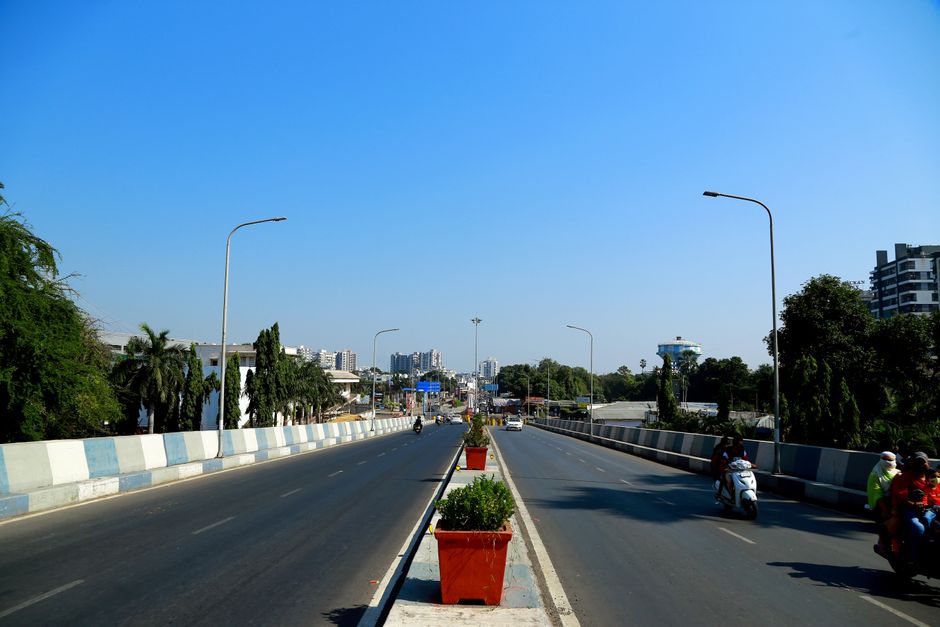
The geographical location of Bharthana Vesu is strategically important due to its proximity to Surat city and its connectivity to major industrial areas. This has driven rapid urbanization and increased demand for housing, commercial spaces, and social amenities. The SMC is actively working to address these demands through planned development and infrastructure upgrades.
The implementation of the TPS has faced challenges such as land acquisition delays, resistance from landowners, and funding constraints. However, the SMC has adopted innovative strategies such as public private partnerships (PPP) and land pooling to overcome these challenges and accelerate the development process. The goal is to create a sustainable and livable urban environment that meets the needs of its residents.
The TPS also incorporates environmental considerations, such as the preservation of green spaces, the promotion of energy efficiency, and the adoption of sustainable building practices. These measures aim to minimize the environmental impact of development and create a more resilient urban environment. The long term success of the Bharthana Vesu TPS will depend on the SMC's ability to balance economic growth with environmental protection and social equity.
The historical growth trajectory of Bharthana Vesu reveals a transformation from a predominantly agricultural area to a rapidly urbanizing zone. The area experienced significant population growth in the past two decades, driven by migration from rural areas and the expansion of Surat city. This growth has led to increased demand for housing, infrastructure, and services.
Historically, land use in Bharthana Vesu was primarily agricultural, with scattered villages and limited infrastructure. The introduction of the Town Planning Scheme (TPS) marked a turning point, initiating a process of planned urbanization and infrastructure development. The TPS facilitated the conversion of agricultural land into residential, commercial, and industrial zones, attracting investment and driving economic growth.
The pace of urbanization has accelerated in recent years, fueled by the growth of Surat's industrial sector and the increasing affordability of housing in peri urban areas. This has resulted in significant changes in the landscape, with new residential colonies, commercial complexes, and industrial estates emerging across the area. The growth has also brought challenges, such as traffic congestion, environmental degradation, and pressure on infrastructure.
Future scenarios for Bharthana Vesu envision continued urbanization and economic growth. The area is expected to become a major residential and commercial hub, serving the needs of Surat's growing population. The SMC plans to invest heavily in infrastructure upgrades, including roads, water supply, sewerage, and public transportation, to support this growth.
However, future growth must be carefully managed to ensure sustainability and livability. This requires a balanced approach that considers environmental protection, social equity, and economic development. The SMC needs to implement policies that promote sustainable building practices, conserve water resources, reduce traffic congestion, and provide affordable housing options.
One potential future scenario involves the development of Bharthana Vesu as a model sustainable community, incorporating green building technologies, renewable energy sources, and efficient transportation systems. This would require a concerted effort from the government, developers, and residents to prioritize sustainability and innovation. Another scenario involves continued rapid and uncontrolled urbanization, leading to environmental degradation, social inequality, and infrastructure overload. This scenario can be avoided through effective planning, regulation, and enforcement.
The key to realizing a positive future scenario for Bharthana Vesu lies in the implementation of a comprehensive and integrated urban development plan. This plan should address the challenges of urbanization while maximizing the opportunities for economic growth and social progress. It should also prioritize environmental sustainability and ensure that the benefits of development are shared equitably among all residents.
The planning and governance framework for Bharthana Vesu is governed by a hierarchy of regulations, plans, and policies. The Gujarat Town Planning and Urban Development Act, 1976 provides the legal basis for urban planning and development in the state. The Surat Municipal Corporation (SMC) is responsible for implementing these regulations and plans within its jurisdiction.
FSI/FAR regimes play a crucial role in regulating building density and land use intensity in Bharthana Vesu. The SMC determines the permissible FSI/FAR for different zones based on factors such as land use, road width, and infrastructure capacity. Higher FSI/FAR values are typically allowed in commercial zones and near major transportation corridors, while lower values are prescribed in residential zones and environmentally sensitive areas.
Zonal master plans provide a detailed framework for land use allocation, infrastructure development, and environmental protection within specific zones. These plans are prepared by the SMC and are subject to public consultation and approval. The zonal master plans for Bharthana Vesu delineate areas for residential, commercial, industrial, recreational, and institutional uses.
Regulatory alignments are essential for ensuring coordinated and consistent development across different agencies and departments. The SMC works closely with other government agencies, such as the Gujarat Industrial Development Corporation (GIDC) and the Gujarat Urban Development Company (GUDC), to align its plans and policies with broader regional development strategies.
The SMC also enforces building codes and regulations to ensure the safety and quality of construction projects. These regulations cover aspects such as structural stability, fire safety, and accessibility. The SMC conducts regular inspections to ensure compliance with these regulations and takes enforcement action against violators.
The implementation of the planning and governance framework faces challenges such as bureaucratic delays, corruption, and lack of coordination among different agencies. The SMC is working to address these challenges through measures such as streamlining approval processes, promoting transparency, and strengthening enforcement mechanisms.
The effective implementation of the planning and governance framework is crucial for ensuring sustainable and equitable development in Bharthana Vesu. This requires a strong commitment from the government, developers, and residents to work together to achieve common goals. It also requires ongoing monitoring and evaluation to ensure that the plans and policies are effective and responsive to changing needs.
Infrastructure readiness is a critical factor in supporting the growth and development of Bharthana Vesu. The area requires adequate water supply, power, transit systems, and arterial connectivity to meet the needs of its residents and businesses. The Surat Municipal Corporation (SMC) is responsible for providing these essential services.
Water supply in Bharthana Vesu is primarily sourced from the Tapi River. The SMC operates water treatment plants to purify the water and distributes it through a network of pipelines. However, the existing water supply infrastructure is facing challenges due to increasing demand and aging infrastructure. The SMC is investing in upgrades and expansion projects to improve water supply capacity and reliability.
Power supply is provided by the Gujarat Energy Transmission Corporation Limited (GETCO). The area is connected to the state grid and receives electricity from various power plants. Power outages are a recurring problem in some areas, particularly during peak demand periods. The SMC is working with GETCO to improve power supply reliability and reduce outages.
Transit systems in Bharthana Vesu are primarily based on buses and auto rickshaws. The SMC operates a bus rapid transit system (BRTS) that provides efficient and affordable transportation along major corridors. However, the existing transit system is inadequate to meet the growing demand, resulting in traffic congestion and air pollution. The SMC is planning to expand the BRTS network and introduce other forms of public transportation, such as metro rail.
Arterial connectivity is essential for facilitating the movement of people and goods in and out of Bharthana Vesu. The area is connected to Surat city and other major destinations through a network of arterial roads and highways. However, traffic congestion is a major problem on these roads, particularly during peak hours. The SMC is investing in road widening projects and the construction of new roads to improve arterial connectivity.

The physical infrastructure in Bharthana Vesu faces challenges such as inadequate capacity, aging infrastructure, and lack of coordination among different agencies. The SMC is working to address these challenges through a combination of investments, policy reforms, and improved coordination. The goal is to create a modern and efficient infrastructure system that supports sustainable economic growth and improves the quality of life for residents.
Institutional asset health and social amenities are essential for creating a livable and thriving community in Bharthana Vesu. The area requires adequate schools, hospitals, recreational facilities, and community centers to meet the needs of its residents. The Surat Municipal Corporation (SMC) and other government agencies are responsible for providing these services.
The availability of schools in Bharthana Vesu is generally adequate, with a mix of public and private institutions. However, there are concerns about the quality of education and the lack of access to specialized programs. The SMC is working to improve the quality of education in public schools and to attract more private investment in education.
The availability of hospitals and healthcare facilities is limited in some areas of Bharthana Vesu. There are a few private hospitals and clinics, but the public healthcare system is understaffed and under resourced. The SMC is planning to build new public hospitals and clinics to improve access to healthcare for all residents.
Recreational facilities such as parks, playgrounds, and sports fields are lacking in many areas of Bharthana Vesu. The SMC is working to develop new parks and recreational facilities to improve the quality of life for residents. Community centers provide a space for residents to gather, socialize, and participate in community activities. The SMC supports the operation of community centers and encourages the development of new centers.
The social infrastructure in Bharthana Vesu faces challenges such as inadequate funding, lack of coordination among different agencies, and unequal access to services. The SMC is working to address these challenges through a combination of investments, policy reforms, and improved coordination. The goal is to create a vibrant and inclusive community where all residents have access to the services and amenities they need to thrive.
Accessing and verifying land records is crucial for any transaction involving land in Bharthana Vesu. The Gujarat government provides online access to land records through the AnyROR Gujarat portal (https://anyror.gujarat.gov.in/). This portal allows users to search for land records by survey number, village name, or owner's name.
Title verification is a critical step in any land transaction. This involves examining the land records to ensure that the seller has clear and marketable title to the property. A thorough title search should be conducted by a qualified legal professional to identify any potential encumbrances, such as liens, mortgages, or legal disputes.
Land reconstitution steps are involved in the implementation of Town Planning Schemes (TPS). As land is pooled and redistributed, landowners receive reconstituted plots. Understanding the specific reconstitution plan and the associated legal documentation is crucial. The Gujarat Town Planning & Urban Development website (https://townplanning.gujarat.gov.in/) can provide more information on specific TPS details.
The process of land reconstitution typically involves the following steps:
- Notification: The government issues a notification announcing the implementation of the TPS.
- Land Pooling: Landowners contribute their land to the scheme.
- Plot Reconstitution: The government redraws the boundaries of the plots and allocates reconstituted plots to the landowners.
- Compensation: Landowners may be compensated for any loss of land due to the reconstitution process.
- Registration: The reconstituted plots are registered in the land records.
It is crucial to obtain certified copies of all relevant land records from the government authorities. These records include the 7/12 extract (record of rights), the village form 6 (mutation register), and the property card. These documents provide detailed information about the ownership, area, and encumbrances of the land.
AnyROR Gujarat offers multiple services related to land records including VF7/12 details, VF 6 entry details, and integrated survey number details. Utilize all resources available to ensure complete due diligence.
The verification process should also include a physical inspection of the property to verify its boundaries and identify any potential discrepancies. It is also advisable to consult with local authorities and neighbors to gather information about the property and its history. Due diligence is paramount to avoid future disputes and ensure a smooth transaction.
The industrial corridor impact on Bharthana Vesu is significant, driving economic growth and creating employment opportunities. The area's proximity to major industrial zones in Surat, such as Sachin GIDC and Pandesara GIDC, has attracted businesses and workers, contributing to its urbanization. The Gujarat Industrial Development Corporation (GIDC) (https://gidc.gujarat.gov.in/) plays a key role in developing and managing industrial estates in the region.
Economic commuters are a major component of the population in Bharthana Vesu. Many residents commute to work in Surat's industrial areas and commercial centers, contributing to the area's economic activity. The demand for housing and services in Bharthana Vesu is driven by the needs of these commuters.
The growth of the industrial sector has created a demand for skilled and unskilled labor in Bharthana Vesu. This has led to the development of vocational training institutes and educational institutions to provide the necessary skills. The economic opportunities in Bharthana Vesu have also attracted migrants from other parts of Gujarat and India.
The industrial corridor has also had a positive impact on the local economy, creating opportunities for small businesses and entrepreneurs. These businesses provide goods and services to the industrial sector and to the growing population of Bharthana Vesu. The Surat Municipal Corporation (SMC) is working to support the growth of small businesses through various programs and initiatives.
The economic engine of Bharthana Vesu is driven by the interplay between the industrial corridor, the economic commuters, and the local business environment. This creates a dynamic and vibrant economy that offers opportunities for growth and prosperity. The SMC is committed to fostering this economic growth through strategic planning, infrastructure development, and supportive policies.
Price modeling in Bharthana Vesu requires careful consideration of factors such as location, land use, infrastructure availability, and market demand. Land values have been appreciating steadily in recent years, driven by the area's rapid urbanization and economic growth. However, there are variations in land values depending on the specific location and the intended use.
Absorption forecasts are essential for assessing the demand for residential and commercial properties in Bharthana Vesu. These forecasts take into account factors such as population growth, income levels, and employment opportunities. The absorption rate for residential properties has been high in recent years, reflecting the strong demand for housing in the area.
Strategic ROI analysis involves evaluating the potential returns on investment in different types of properties in Bharthana Vesu. This analysis should consider factors such as land costs, construction costs, rental income, and capital appreciation. The ROI for residential properties is typically higher in areas with good infrastructure and connectivity.
Investing in Bharthana Vesu offers opportunities for high returns due to the area's rapid growth and strategic location. However, it is important to conduct thorough due diligence and to carefully assess the risks and opportunities. Factors to consider include the clarity of land titles, the availability of infrastructure, and the regulatory environment.
The following table provides a comparative analysis of investment potential in different sectors:
| Sector | Investment Potential | Risk Level | ROI Expectation |
|---|---|---|---|
| Residential | High | Medium | High |
| Commercial | Medium | Medium | Medium |
| Industrial | High | Low | High |
| Infrastructure | Low | Low | Stable |
Several factors contribute to the investment attractiveness of Bharthana Vesu. These include its proximity to Surat city, its connectivity to major industrial areas, its planned infrastructure development, and its growing population. The Surat Municipal Corporation (SMC) is also actively promoting investment in the area through various incentives and policies.
The key to maximizing ROI in Bharthana Vesu is to identify opportunities that align with the area's growth trends and to conduct thorough due diligence. Investors should focus on projects that offer a combination of capital appreciation and rental income. They should also consider the long term sustainability of the investment and its impact on the community.
Conclusion: Final Verdict
Bharthana Vesu presents a compelling case for strategic investment, driven by its ongoing transformation from a peri urban area to an integrated part of Surat's urban fabric. The success of the Town Planning Scheme, combined with infrastructure upgrades and a growing economy, positions it as a promising location for real estate and infrastructure development. However, due diligence is paramount, focusing on land title verification, regulatory compliance, and realistic absorption forecasts. A balanced approach considering economic growth, environmental sustainability, and social equity is crucial for realizing the full potential of Bharthana Vesu.