Executive Summary
Palwada, a village in Sanand Taluka, Ahmedabad district, Gujarat, presents a unique opportunity for property buyers and land investors. With a population of 1,899 and 359 households, this village offers a glimpse into rural Gujarat. The village has a literacy rate of 74.8% and a sex ratio of 940 females per 1,000 males. Palwada is primarily an agricultural community, with 33.1% of its workforce engaged in agriculture. The village is connected to nearby towns and cities through bus service and mobile coverage.
Understanding the location, socio demographics, planning regulations, infrastructure, and economic drivers matters for making informed investment decisions. This guide provides a comprehensive overview of Palwada, using verified census data and other relevant information, to help you evaluate the potential of this village. This guide will cover land records verification, investment potential, and risk assessment.
Location and Geography of Palwada
Palwada is located in Sanand Taluka, which falls under the Ahmedabad district of Gujarat. Sanand is approximately 13 kilometers from Palwada, serving as the nearest town and sub district headquarters. Ahmedabad, the district headquarters, is about 25 kilometers away. This proximity to Sanand and Ahmedabad offers Palwada residents access to urban amenities and economic opportunities while maintaining a rural setting.

The total geographical area of Palwada is 509.2 hectares. The terrain is generally flat, typical of the Gujarat plains, making it suitable for agriculture. Specific details about soil type are not available in the provided data, but the region generally has alluvial soil, which is fertile and well suited for growing a variety of crops. Alluvial soil is deposited by rivers and is known for its high productivity.
Information regarding specific water resources like rivers, lakes, or canals within Palwada is not detailed in the census data. However, in Gujarat, many villages rely on groundwater for irrigation and domestic use. The availability of water resources greatly influences agricultural productivity and land value. Further investigation is needed to determine the exact water sources available in Palwada and their sustainability. The PM Gati Shakti initiative aims to improve infrastructure connectivity, which could positively impact water resource management in the region (https://pmgatishakti.gov.in/).
The climate in this region of Gujarat is typically hot and dry, especially during the summer months. The monsoon season brings rainfall that is vital for agriculture. Understanding the seasonal variations in rainfall and temperature supports planning agricultural activities and managing water resources effectively. The geographical characteristics of Palwada support its agricultural focus and influence the lifestyle of its residents. The village's location, within reasonable distance of urban centers, allows for potential future development.
Socio Demographic Profile
According to the 2011 Census, Palwada has a population of 1,899 residents. Of this total, 979 are male and 920 are female. There are 359 households in the village. The literacy rate in Palwada stands at 74.8%. This indicates a good level of educational attainment among the residents.
The sex ratio, which is the number of females per 1,000 males, is 940. This is slightly below the national average, and understanding the reasons for this disparity could be important for social planning and development. The Scheduled Castes population in Palwada is 203. The well being of this population requires targeted initiatives.
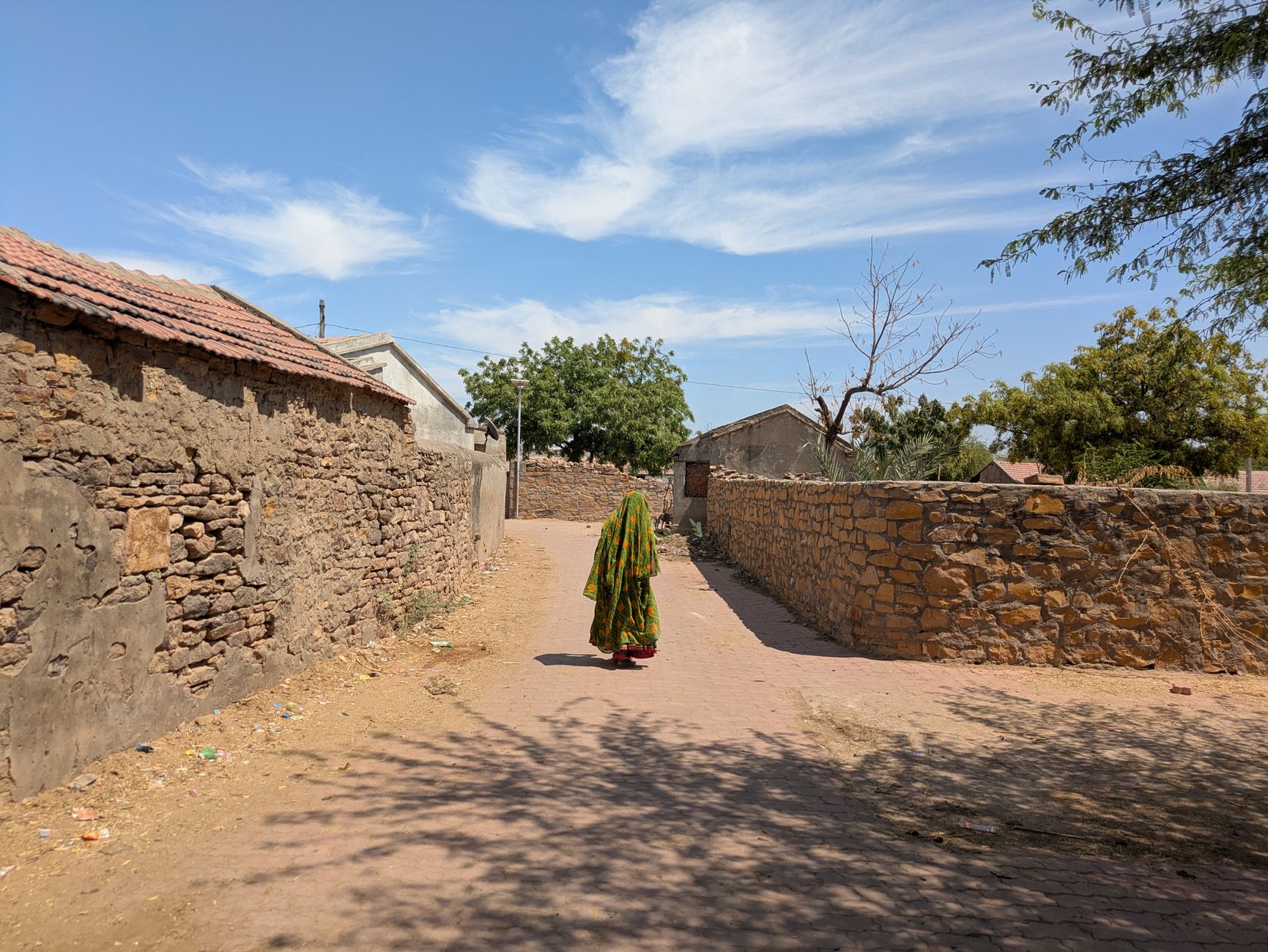
The worker participation rate in Palwada is 46.9%. This means that nearly half of the population is engaged in some form of economic activity. The census data shows that 33.1% of the workforce is engaged in agriculture. This highlights the significant reliance on agriculture as a primary source of livelihood.
Specifically, there are 891 total workers in Palwada. Among these, 277 are main cultivators, and 18 are agricultural laborers. This shows that most of the agricultural workforce consists of landowners who cultivate their own land, rather than hired laborers. This data provides a clear picture of the socio demographic structure and economic activities prevalent in Palwada.
Understanding these demographic factors is needed for planning infrastructure development and social programs that meet the specific needs of the community. Furthermore, analyzing trends in population growth, literacy, and workforce participation can provide valuable insights for investors and policymakers.
Planning and Governance
Understanding the planning and governance framework is necessary for property buyers and land investors in Palwada. Information regarding specific Floor Space Index (FSI) or Floor Area Ratio (FAR) rules is not available from the provided census data. FSI/FAR regulations determine the maximum permissible construction area on a given plot of land. These rules are set by the local planning authority, which in this case would be the Sanand Area Development Authority or a similar body under the Ahmedabad Urban Development Authority (AUDA).
Similarly, detailed land use zoning regulations for Palwada are not provided in the census data. Zoning regulations specify how land can be used, such as for residential, commercial, industrial, or agricultural purposes. It is crucial to consult with the local planning authority to understand the specific zoning regulations that apply to different areas within Palwada. NITI Aayog provides resources and guidelines for urban and rural planning, which can be helpful in understanding the broader context of development regulations (https://niti.gov.in/).
The process of Non Agricultural (NA) conversion is relevant for investors planning to use agricultural land for non agricultural purposes, such as residential or commercial development. In Gujarat, the NA conversion process involves applying to the relevant authority, providing necessary documents, and paying applicable fees. The specific requirements and procedures may vary depending on the location and the intended use of the land.
Alignment with any existing Master Plan is another important consideration. A Master Plan is a long term plan that outlines the overall development strategy for an area. It typically includes proposals for land use, infrastructure development, and transportation networks. Palwada, being part of the Ahmedabad district, would likely be influenced by the broader development plans for the region. It is advisable to consult the Ahmedabad Urban Development Authority (AUDA) to understand how Palwada fits into the regional Master Plan. The Ministry of Housing and Urban Affairs offers insights into urban planning schemes that could affect Palwada's development (https://mohua.gov.in/).
Obtaining detailed information about FSI/FAR rules, land use zoning, NA conversion procedures, and Master Plan alignment requires contacting the local planning authorities and consulting relevant government websites. Understanding these regulations is critical for ensuring that any planned development complies with the applicable laws and regulations.
Physical Infrastructure
Palwada benefits from some basic physical infrastructure. The census data confirms that bus service is available in the village. This provides connectivity to nearby towns like Sanand (13 km) and the city of Ahmedabad (25 km). The availability of bus service supports residents to access markets, employment opportunities, and other essential services.
Mobile coverage is also present in Palwada. This ensures that residents have access to communication networks, which is increasingly important for economic activities, education, and social interaction. The extent and quality of mobile coverage may vary depending on the service provider.
The census data does not provide specific information about the power supply situation in Palwada. However, most villages in Gujarat have access to electricity. The reliability and quality of power supply can vary, and it is important to assess this aspect for any potential investment.
Similarly, the census data does not detail the water supply infrastructure in Palwada. Typically, rural areas in Gujarat rely on a combination of groundwater sources, piped water supply schemes, and rainwater harvesting. The availability of clean and reliable water supply is important for both domestic and agricultural purposes. Understanding the source, quality, and distribution of water is essential.
While the census data confirms basic connectivity through bus service and mobile coverage, detailed information on power supply and water supply requires further investigation. Future infrastructure development initiatives, such as those promoted by PM Gati Shakti, could further enhance the physical infrastructure in Palwada, improving the quality of life for residents and creating new opportunities for investment.
Social Infrastructure
Palwada has basic social infrastructure to serve its population. The census data indicates that there is a total of one school in the village, specifically one primary school. This implies that younger children have access to education within the village itself. However, for higher education, residents likely need to travel to nearby towns like Sanand or Ahmedabad.
In terms of health facilities, Palwada has one sub centre. A sub centre is a basic healthcare facility that provides primary healthcare services such as vaccinations, antenatal care, and treatment for minor illnesses. For more specialized medical care, residents would need to visit hospitals or clinics in Sanand or Ahmedabad.
The census data does not provide information about other local institutions such as libraries, community centers, or training facilities. However, such institutions often play an important role in community development and social cohesion.
The presence of a primary school and a sub centre indicates that Palwada has some basic social infrastructure in place. However, further development of these facilities and the addition of other institutions could significantly improve the quality of life for residents. Investing in education and healthcare infrastructure can create a more attractive environment for both residents and investors.
Land Records Verification
Verifying land records is crucial before any property transaction. The Digital India Land Records Modernization Programme (DILRMP) aims to modernize and digitize land records across India (https://dolr.gov.in/). This makes the process of verifying land ownership and encumbrances easier and more transparent.
In Gujarat, land records can be accessed through the AnyRoR portal. This online portal allows you to search for land records by village, survey number, or owner name. The process typically involves the following steps:
Visit the AnyRoR Gujarat website.
Select the appropriate district (Ahmedabad) and taluka (Sanand).
Choose the village (Palwada).
Enter the required details such as survey number or owner name.
View and download the land record.
Checking for mutations is also essential. A mutation is the transfer of title ownership from one person to another, usually due to sale, inheritance, or gift. It is important to ensure that all mutations are properly recorded in the land records to establish a clear chain of ownership. Mutation records can also be accessed through the AnyRoR portal.
Verifying the title chain is another critical step. This involves tracing the history of ownership of the land back several years to ensure that there are no breaks or inconsistencies in the chain. This can be done by examining previous sale deeds, inheritance documents, and other relevant records. Consulting with a local lawyer is highly recommended to conduct a thorough title search and identify any potential issues.
It is also important to check for any encumbrances on the land, such as mortgages, liens, or pending legal disputes. This can be done by conducting a search at the sub registrar's office and by obtaining a non encumbrance certificate (NEC). The NEC confirms that there are no registered encumbrances on the property.
Finally, physically verifying the boundaries of the land is advisable. This can be done by hiring a surveyor to demarcate the boundaries and ensure that they match the records. It is important to be aware of the possibility of fraudulent land transactions. Always exercise caution and conduct thorough due diligence before investing in land.
Economic Engine
The local economy of Palwada is primarily driven by agriculture. The census data indicates that 33.1% of the workforce is engaged in agriculture. This highlights the importance of farming as a source of livelihood for many residents.
The census data provides a breakdown of the workforce: 891 total workers, 277 main cultivators, and 18 agricultural laborers. This shows that most of the agricultural activity is carried out by landowners who cultivate their own land. The small number of agricultural laborers suggests that there is limited demand for hired farm workers.
Information about other occupations is not provided in the census data. However, it is likely that some residents are engaged in non agricultural activities such as small businesses, trade, or services. Proximity to Sanand and Ahmedabad offers opportunities for employment in industries and the service sector.
Commuter patterns likely involve residents traveling to Sanand or Ahmedabad for work, education, or healthcare. The availability of bus service facilitates this movement. Understanding the commuter patterns can provide insights into the economic linkages between Palwada and the surrounding urban areas.
The presence of nearby industries in Sanand, which is known for its industrial development, may have an indirect impact on the economy of Palwada. Some residents may be employed in these industries or may benefit from the economic activity generated by them. Overall, the economy of Palwada is characterized by its strong reliance on agriculture, with potential linkages to the industrial and service sectors in nearby urban centers.
Investment and ROI
Investing in land in Palwada presents both opportunities and risks. Land price trends in the area are not explicitly detailed in the provided census data. However, land prices in rural areas near urban centers like Ahmedabad have generally seen appreciation over time, driven by factors such as population growth, urbanization, and infrastructure development.
The investment potential in Palwada depends on various factors, including the location of the land, its suitability for different uses, and the overall development prospects of the area. Agricultural land may offer potential for farming or conversion to non agricultural uses, subject to regulatory approvals. Residential land may be attractive to those seeking a peaceful rural lifestyle within commuting distance of urban amenities.
Analyzing the potential return on investment (ROI) requires considering factors such as the purchase price of the land, the potential rental income (if any), and the expected appreciation in value over time. It is important to conduct a thorough due diligence and obtain expert advice before making any investment decision. Real estate investment always carries risk and past performance is not an indicator of future returns.
However, there are risks associated with investing in land in Palwada. These include the possibility of delays in obtaining regulatory approvals, fluctuations in land prices, and changes in government policies. It is important to carefully assess these risks and develop a mitigation strategy. The information provided here is for general guidance only and should not be considered as financial or investment advice. Consult with a qualified real estate professional and financial advisor before making any investment decisions.
Strategic Analysis
Palwada's growth outlook is tied to its proximity to Sanand and Ahmedabad. As these urban centers grow, Palwada could benefit from increased demand for land and housing. Infrastructure improvements, such as better roads and utilities, could further enhance its attractiveness.
Palwada's strengths include its rural setting, its agricultural base, and its connectivity to nearby urban centers. Weaknesses include limited infrastructure, reliance on agriculture, and potential regulatory hurdles.
Here's a SWOT (Strengths, Weaknesses, Opportunities, Threats) analysis based on the available data:
| Category | Description |
|---|---|
| Strengths | Proximity to Sanand and Ahmedabad, agricultural base (33.1% workforce), bus service availability, mobile coverage. |
| Weaknesses | Limited social infrastructure (1 school, 1 sub center), heavy reliance on agriculture, potentially lengthy NA conversion, sex ratio imbalance (940). |
| Opportunities | Infrastructure development (PM Gati Shakti), rising demand for rural properties, potential for agro based industries. |
| Threats | Regulatory changes, fluctuations in land prices, economic downturn, water scarcity. |
Palwada could leverage its strengths and opportunities to overcome its weaknesses and mitigate potential threats. Investing in infrastructure, promoting diversification of the economy, and streamlining regulatory processes could help unlock its full potential. The Digital India Land Records Modernization Programme is one effort to streamline such regulations. Government initiatives aimed at rural development and infrastructure improvement can significantly impact Palwada's growth trajectory.
Frequently Asked Questions
How can I verify the land ownership in Palwada? You can verify land ownership through the AnyRoR Gujarat website by searching for land records using the survey number or owner's name. It is also advisable to obtain a non encumbrance certificate from the sub registrar's office.
What is the process for converting agricultural land to non agricultural use in Palwada? The NA conversion process in Gujarat involves applying to the relevant authority, providing necessary documents, and paying applicable fees. Consult the local planning authority for specific requirements.
What are the main sources of livelihood in Palwada? The main source of livelihood in Palwada is agriculture, with 33.1% of the workforce engaged in this sector. However, some residents may also be employed in non agricultural activities in nearby towns.
What are the available transportation options in Palwada? Bus service is available in Palwada, providing connectivity to nearby towns like Sanand and Ahmedabad. This allows residents to access markets, employment opportunities, and other essential services.
What kind of social infrastructure is available in Palwada? Palwada has one primary school and one sub centre. For higher education and specialized medical care, residents need to travel to nearby towns.
Conclusion
Palwada offers a blend of rural charm and proximity to urban centers. Understanding the village's demographics, economy, and infrastructure is needed for making informed investment decisions. While agriculture remains a key economic driver, the potential for diversification and infrastructure development exists. Thorough due diligence, including land record verification and regulatory compliance, is critical for successful investments in Palwada.