Executive Summary
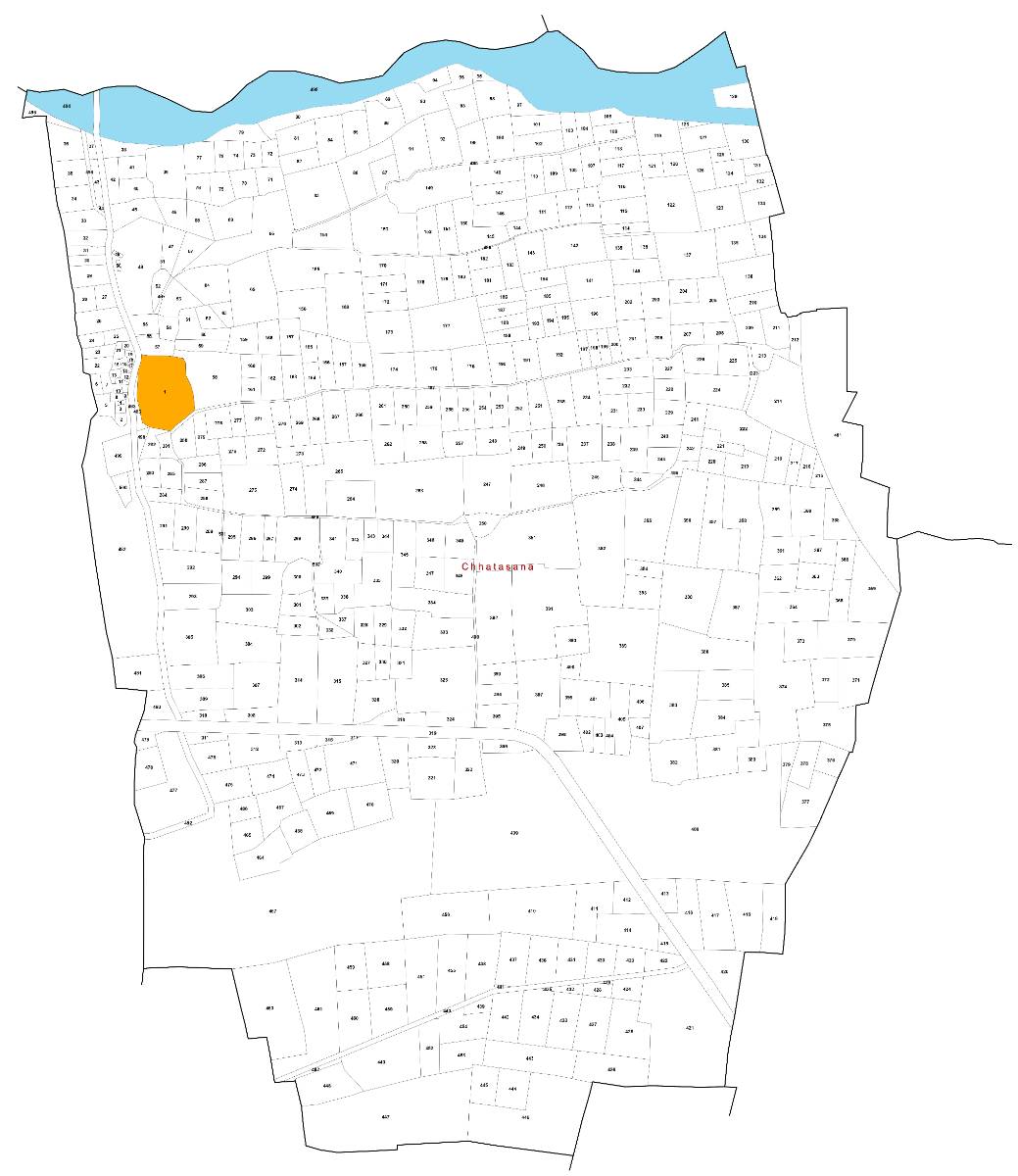
Chhatasana is a small village in the Becharaji taluka of Mehsana district, Gujarat. It covers 453.7 hectares of land. The village is located 13 km from Becharaji and 30 km from the Mahesana district headquarters. Chhatasana has a population of 754 people, with 401 males and 353 females, according to the 2011 census.
The village has a literacy rate of 75.7%. The sex ratio is 880 females per 1,000 males. Agriculture is a significant part of the local economy, with 42.1% of the workforce involved in agriculture. There are 167 households in Chhatasana.
Chhatasana has basic infrastructure. This includes mobile coverage and bus service. The village has two primary schools. More information is needed regarding land use zoning and specific developmental plans for Chhatasana. Investing in Chhatasana requires careful consideration of land records and potential returns. A realistic assessment of the village's strengths and weaknesses is necessary for informed decision making.
Location and Geography
Chhatasana is situated in the Becharaji taluka, within the Mehsana district of Gujarat. Its location, 13 km from Becharaji and 30 km from Mahesana, places it within a reasonable distance from local administrative and commercial centers. This proximity can be beneficial for accessing markets and services.
The village's total geographical area is 453.7 hectares. This provides an indication of the available land for agriculture, housing, and other development. The population density is 1.7 persons per hectare, suggesting a relatively low density. This indicates that there is potentially more land available per person compared to more densely populated areas.
Specific details about the terrain, soil type, and water resources of Chhatasana are not available in the provided census data. However, considering its location in Gujarat, the terrain is likely to be generally flat or gently undulating. The soil type in the Mehsana district is typically alluvial, which is suitable for agriculture. Water resources would likely include groundwater and potentially some surface water sources, although detailed information requires further investigation. Understanding these geographical aspects is vital for assessing the suitability of land for different purposes, such as farming or construction.
Access to water resources is critical for agriculture and daily life. Further studies would be helpful to know the availability and quality of water in Chhatasana. This information is important for sustainable development and planning. Similarly, understanding the soil composition helps determine the types of crops that can be grown.
The PM Gati Shakti National Master Plan is a digital platform that aims to improve infrastructure planning and implementation. It could be used to gather more information about the geography and resources in the region surrounding Chhatasana. [https://pmgatishakti.gov.in/

Socio-Demographic Profile
According to the 2011 census, Chhatasana has a population of 754. This consists of 401 males and 353 females. The village has 167 households. The sex ratio in Chhatasana is 880 females per 1,000 males.
The literacy rate in Chhatasana is 75.7%. This means that a significant portion of the population can read and write. However, there is still room for improvement in literacy rates. Further educational initiatives could help increase literacy among both men and women.
The workforce participation rate is 68.4%. This indicates the proportion of the population that is employed or actively seeking employment. A large percentage, 42.1% of the workforce, is engaged in agriculture. This highlights the importance of agriculture to the local economy.
The scheduled castes population is 82. This represents a specific segment of the community. It is important to consider the needs and welfare of this population group in any development plans.
The data shows that agriculture is a key source of livelihood. There are 516 total workers in Chhatasana. Among them, 171 are main cultivators and 46 are agricultural laborers. These figures underscore the significance of farming activities in the village.
Understanding the demographic makeup helps in planning for the future. This includes providing adequate housing, education, and employment opportunities for all residents. The socio demographic data helps in understanding the unique needs of the village and its people.
Planning and Governance
Information regarding specific FSI (Floor Space Index)/FAR (Floor Area Ratio) rules for Chhatasana is not available in the provided census data. FSI/FAR regulations determine the maximum permissible construction on a plot of land. These rules are usually set by local planning authorities.
Similarly, details on land use zoning for Chhatasana are not provided. Land use zoning designates areas for specific purposes. These purposes can include residential, commercial, industrial, or agricultural use. Knowing the land use zones is important for property buyers and investors. It helps determine what type of development is allowed in different areas.
The NA (Non Agricultural) conversion process is important for converting agricultural land for non agricultural purposes, such as residential or commercial development. The process typically involves obtaining permission from the relevant government authorities. Specific details on the NA conversion process in Gujarat can be found on the state government's revenue department website.
Alignment with any broader Master Plan matters for Chhatasana. A Master Plan provides a long term vision for the development of an area. It outlines infrastructure projects, land use policies, and other initiatives. Contacting the local planning authorities in Mehsana district is the best way to find out if there is a Master Plan that includes Chhatasana.
The Ministry of Housing and Urban Affairs provides resources and guidelines for urban and regional planning. [https://mohua.gov.in/ Although Chhatasana is a village, understanding the principles of planned development is still valuable.
Effective planning and governance are key to the sustainable development of Chhatasana. This includes ensuring that development is aligned with local needs and environmental considerations. It also involves transparent and efficient processes for land use conversion and building approvals.

Physical Infrastructure
The available census data indicates that Chhatasana has mobile coverage and bus service. This suggests a basic level of connectivity. However, more detailed information on the quality and extent of these services is needed.
Information on road connectivity beyond bus service is not available in the census data. Good road connectivity supports the transportation of goods and people. It connects the village to nearby towns and cities.
Details regarding power supply and water supply are also not provided. Reliable power and water are crucial for residents and businesses. Access to these utilities can significantly impact the quality of life and economic opportunities in Chhatasana.
The census mentions mobile coverage, but no information on internet connectivity is provided. In today's digital age, internet access is becoming increasingly important. It can facilitate access to information, education, and online services.
The Digital India program aims to improve digital infrastructure and connectivity across the country. [https://www.digitalindia.gov.in/ Initiatives under this program could potentially benefit Chhatasana by improving internet access and other digital services.
Improving the physical infrastructure in Chhatasana is needed for its growth and development. This includes upgrading roads, ensuring reliable power and water supply, and expanding telecom and internet connectivity. These improvements can attract investment and improve the lives of residents.
Social Infrastructure
According to the census data, Chhatasana has two schools. Both of these are primary schools. This indicates that there are educational facilities available for young children in the village. However, there may be a need for higher education facilities, such as secondary schools or colleges, in the surrounding area.
Information on health facilities in Chhatasana is not available in the provided census data. Access to healthcare is necessary for the well being of the community. The presence of a local health center or access to medical services in nearby towns is important.
Details about other local institutions, such as libraries, community centers, or vocational training centers, are also not provided. These institutions can play a vital role in community development and providing opportunities for residents.
Investing in social infrastructure is important for improving the quality of life in Chhatasana. This includes upgrading schools, establishing healthcare facilities, and creating community spaces. These improvements can lead to a healthier, more educated, and more engaged community.
NITI Aayog works to promote sustainable development goals across India. [https://niti.gov.in/ Their initiatives often focus on improving social infrastructure in rural areas.
Land Records Verification
Verifying land records is crucial before investing in any property. This process helps ensure that the seller has a clear title to the land and that there are no outstanding dues or legal issues. In Gujarat, the land records are maintained by the Revenue Department. The Digital India Land Records Modernization Programme (DILRMP) aims to modernize land records and make them accessible online. [https://dolr.gov.in/
Here's a practical guide to verifying land records in Gujarat:
- Access the Online Portal: Visit the Gujarat government's e Dharati website. This portal provides access to digitized land records.
- Search for Land Records: You can search for land records using various details such as survey number, village name, or owner's name. Ensure you have accurate information to conduct the search.
- View and Download Records: Once you find the relevant record, you can view it online. You may also be able to download a copy of the record for your reference.
- Check for Mutations: A mutation is a change in the ownership of land. It is important to check for any recent mutations on the land record. This will reveal if there have been any recent transfers or changes in ownership.
- Verify the Title Chain: The title chain is the history of ownership of the land. It shows how the land has been transferred from one owner to another over time. Verifying the title chain helps ensure that the seller has a clear and unbroken line of ownership.
- Visit the Local Land Registry Office: For additional verification, you can visit the local land registry office (Talati office). You can request copies of land records and seek clarification on any issues or discrepancies.
- Consult a Lawyer: It is advisable to consult a lawyer specializing in property law. They can help you interpret the land records and identify any potential legal risks.
- Encumbrance Certificate: Obtain an encumbrance certificate. This certificate shows if there are any registered mortgages, liens, or other encumbrances on the property.
By following these steps, you can minimize the risk of fraud and ensure a safe and secure land investment in Chhatasana. Always cross reference online information with physical records at the local land registry.
Economic Engine
The local economy of Chhatasana is primarily driven by agriculture. According to the census data, 42.1% of the workforce is engaged in agriculture. This highlights the importance of farming activities to the village's economy.
The census data also shows the breakdown of workers in Chhatasana. There are a total of 516 workers. Among them, 171 are main cultivators and 46 are agricultural laborers. This indicates that a significant portion of the workforce is directly involved in farming.
Information about nearby industries is not available in the census data. It would be beneficial to research the presence of any industrial units or manufacturing facilities in the surrounding areas. These industries could provide employment opportunities for residents of Chhatasana.
Commuter patterns are also not detailed in the census. However, given the proximity to Becharaji (13 km) and Mahesana (30 km), it is likely that some residents commute to these towns for work, education, or other purposes. Improved transportation infrastructure could facilitate commuting and expand economic opportunities.
Supporting the agricultural sector significantly affects the economic development of Chhatasana. This includes providing access to irrigation, modern farming techniques, and markets for agricultural produce. Diversifying the local economy by promoting small scale industries and entrepreneurship can also create new opportunities.
Investment and ROI
Information on specific land price trends in Chhatasana is not available in the provided census data. Land prices can vary depending on factors such as location, size, soil quality, and potential for development. Conducting local market research is essential to determine current land prices.
Assessing the investment potential in Chhatasana requires a careful consideration of various factors. These factors include the village's location, infrastructure, connectivity, and economic activities. The availability of basic amenities such as schools, mobile coverage, and bus service are positive indicators.
However, the lack of information on water supply, power supply, and internet connectivity is a concern. These are essential amenities that can impact the value of land. Similarly, the absence of information on land use zoning and development plans makes it difficult to assess the potential for future development.
It is important to consider the risks involved in investing in land in a rural area like Chhatasana. These risks can include fluctuations in land prices, delays in obtaining necessary approvals, and challenges in developing the land.
Disclaimer: Investing in land involves risks. This analysis is based on limited information. Consult with real estate professionals and conduct thorough due diligence before making any investment decisions. Land investments are subject to market risks. Returns are not guaranteed.
Potential investors should carefully evaluate their risk tolerance and investment objectives before investing in land in Chhatasana. A realistic assessment of the potential returns and risks supports making informed decisions.
The Digital India Land Records Modernization Programme aims to improve the transparency and accessibility of land records. This can help reduce the risk of fraud and make land investments more secure. [https://dolr.gov.in/
Strategic Analysis
Growth Outlook:
The growth outlook for Chhatasana depends on several factors. Improving infrastructure, attracting investment, and diversifying the local economy are key. The village's proximity to Becharaji and Mahesana offers opportunities for economic integration. Access to better education and healthcare facilities can improve the quality of life and attract residents. The 75.7% literacy rate is a good base to build on.
However, challenges remain. The lack of information on water supply, power supply, and internet connectivity needs to be addressed. These are essential for attracting businesses and residents. The high dependence on agriculture also makes the village vulnerable to fluctuations in agricultural prices and weather patterns. A strategic approach to development matters for realizing the village's potential.
Strengths and Weaknesses:
Strengths:
- Proximity to Becharaji (13 km) and Mahesana (30 km).
- Mobile coverage and bus service.
- Two primary schools.
- Relatively high literacy rate (75.7%).
- 68.4% worker participation rate
Weaknesses:
- Lack of information on water supply, power supply, and internet connectivity.
- High dependence on agriculture (42.1% of workforce).
- Limited information on land use zoning and development plans.
- Sex ratio of 880 females per 1,000 males indicates a gender imbalance.
SWOT Analysis:
| Feature | Description |
|---|---|
| Strengths | Strategic location near towns, existing bus service and mobile coverage, relatively high literacy, and active workforce. |
| Weaknesses | Limited infrastructure details on water, power, internet, high agricultural dependence, unknown land use zoning, and skewed sex ratio. |
| Opportunities | Leveraging proximity to urban centers, attracting investment in infrastructure and education, diversifying the economy beyond agriculture, and improving gender equality through focused programs. Utilizing PM Gati Shakti for planning. |
| Threats | Fluctuations in agricultural markets, delays in infrastructure development, lack of investment, and social challenges related to gender imbalance. |
Frequently Asked Questions
1. How can I verify the land ownership in Chhatasana?
You can verify land ownership by visiting the Gujarat government's e Dharati website or the local land registry office (Talati office). Check the land records for mutations and verify the title chain. Consulting a lawyer specializing in property law is also advisable.
2. What are the FSI/FAR rules in Chhatasana?
Information on specific FSI/FAR rules for Chhatasana is not available. You need to contact the local planning authorities in Mehsana district for this information. FSI/FAR regulations determine the maximum permissible construction on a plot of land.
3. How do I convert agricultural land for non agricultural use in Chhatasana?
The NA (Non Agricultural) conversion process involves obtaining permission from the relevant government authorities. You can find specific details on the NA conversion process in Gujarat on the state government's revenue department website.
4. What are the main sources of income for people in Chhatasana?
Agriculture is the main source of income for people in Chhatasana. According to the census, 42.1% of the workforce is engaged in agriculture. Other potential sources of income may include commuting to nearby towns for work.
5. What is the current market value of land in Chhatasana?
Information on specific land price trends in Chhatasana is not available in the provided census data. Land prices can vary depending on factors such as location, size, and soil quality. Conducting local market research is essential to determine current land prices.
Conclusion
Chhatasana presents both opportunities and challenges for property buyers and land investors. Its proximity to larger towns and existing infrastructure are positives. The strong agricultural base provides a foundation. However, the lack of detailed information on essential utilities and land use planning requires careful consideration. Thorough due diligence and local market research are crucial before making any investment decisions. By understanding the village's strengths, weaknesses, opportunities, and threats, investors can make informed choices and contribute to the sustainable development of Chhatasana.