Executive Summary
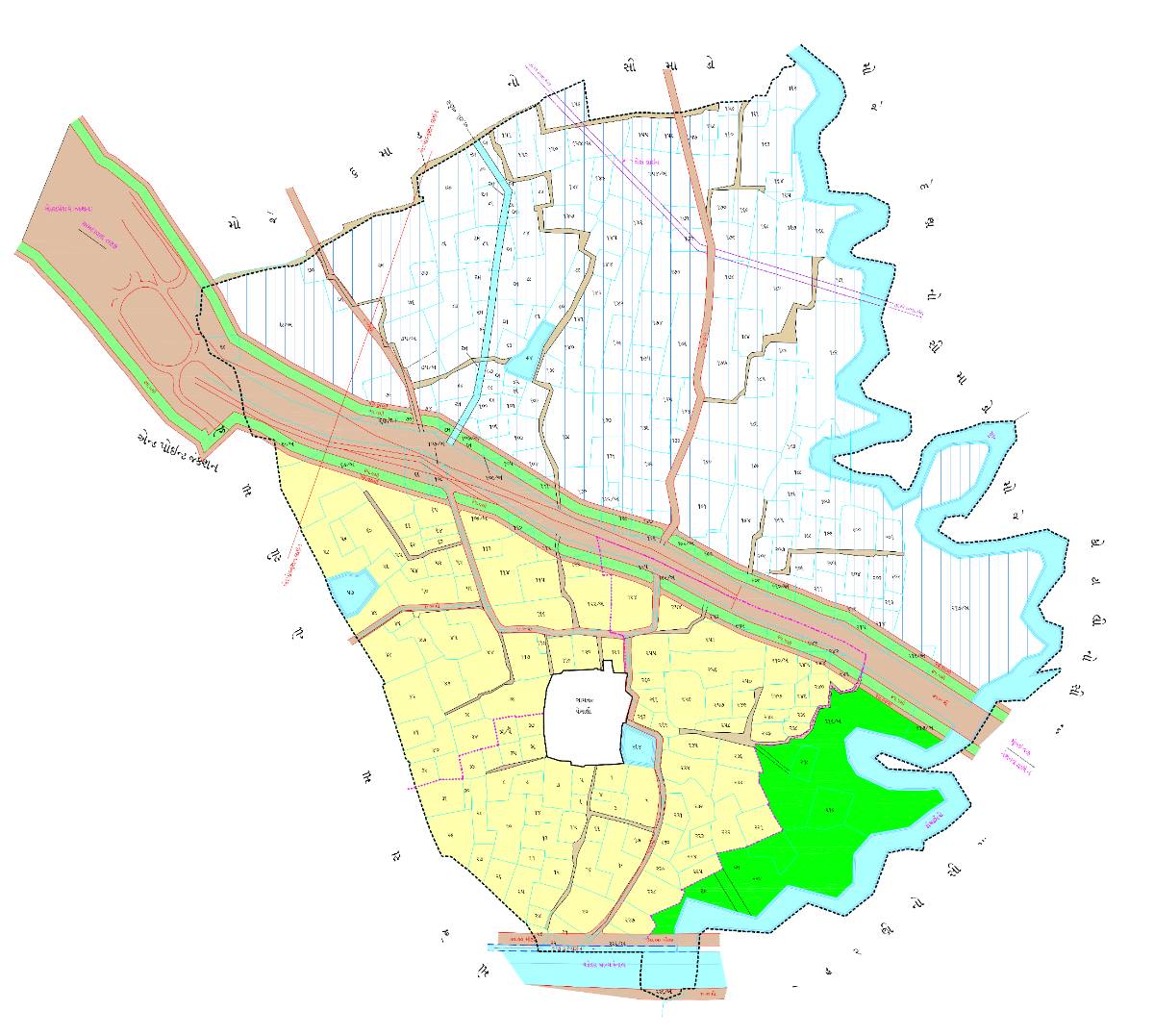
Vemali is a village located in the Vadodara district of Gujarat. The pincode for Vemali is 391740. Understanding Vemali requires a look at its location, growth, and available amenities. This guide provides information for property buyers and investors. It covers land records, economic drivers, and investment potential. The goal is to provide a clear picture of Vemali.
Vemali's future depends on planned development and infrastructure upgrades. Government regulations and land record management are important. The local economy and surrounding industries impact investment opportunities. Careful analysis of these factors is key for informed decisions.
Vemali: Location and Strategic Overview
Vemali is situated in the Vadodara district of Gujarat. Its pincode is 391740. This location provides access to Vadodara city. Vadodara is a major industrial and cultural hub in Gujarat. Vemali benefits from this proximity.
Vadodara is a significant city in Gujarat. It is known for its industrial activity and cultural heritage. The city boasts a well developed infrastructure and connectivity. This includes roads, railways, and an airport. These factors make Vadodara a desirable location for business and residence. Vemali's closeness to Vadodara enhances its appeal.
Arterial connectivity significantly affects Vemali's growth. Major roads connect Vemali to Vadodara and other key areas. These roads facilitate the movement of goods and people. Improved connectivity boosts economic activity and development.
Zoning regulations and master plans guide Vemali's development. These plans outline land use, infrastructure projects, and environmental protection measures. The Vadodara Urban Development Authority (VUDA) is responsible for these plans. Development Plan (DP) 2030 or 2040 documents detail future development strategies. These plans aim to create sustainable and organized growth.
Industrial corridors near Vemali have a significant impact. The Delhi Mumbai Industrial Corridor (DMIC) is one such corridor. DMIC aims to create a global manufacturing and investment destination. Vemali can benefit from increased economic activity and job creation. This corridor brings opportunities for industrial development and infrastructure upgrades.
Vemali's specific location details are important for understanding its potential. Its position within Vadodara district offers advantages. Access to Vadodara's resources and infrastructure is a key benefit. This proximity enhances Vemali's attractiveness to investors and residents.
Vemali's connectivity is enhanced by its road network. The presence of state highways and local roads ensures smooth transportation. This facilitates trade and movement of people. Good connectivity is necessary for economic growth and development.

The zoning regulations define permissible land use in Vemali. These regulations control residential, commercial, and industrial development. Understanding these regulations matters for property buyers. It ensures compliance and avoids future legal issues.
The master plan outlines the long term vision for Vemali's development. This includes infrastructure projects, public amenities, and environmental conservation. The plan aims to improve the quality of life for residents. It also promotes sustainable development. Aligning investments with the master plan supports maximizing returns.
The Delhi Mumbai Industrial Corridor (DMIC) is a major economic driver. It promotes industrial development and infrastructure growth. Vemali can benefit from increased investment and job opportunities. This corridor enhances Vemali's potential as an industrial and residential hub. PM Gati Shakti is a national master plan for multi modal connectivity to various economic zones. This plan can help improve Vemali's infrastructure and logistics. (https://pmgatishakti.gov.in/)
Historical Growth and Future Scenarios
Analyzing Vemali's historical growth is important. It helps in understanding its present status. It also informs predictions about its future development. Data on past trends, such as population changes and economic shifts, is essential. Unfortunately, specific historical data for Vemali is not available in the provided census information.
However, general trends in Vadodara district can provide context. Vadodara has seen significant urbanization and industrial growth. This growth has likely impacted surrounding villages like Vemali. Migration from rural areas to urban centers is a common trend. This trend often leads to increased demand for housing and infrastructure.
Future growth scenarios for Vemali depend on several factors. These include infrastructure development, economic policies, and government initiatives. The development of the DMIC could significantly boost Vemali's growth. This could lead to increased industrial activity and employment opportunities.
Real estate development will also play a crucial role. Increased demand for housing and commercial spaces can drive growth. Planned development projects and infrastructure upgrades can enhance Vemali's attractiveness. This can lead to increased property values and investment opportunities.
Sustainable development practices are increasingly important. Balancing economic growth with environmental protection is essential. Integrating green spaces and promoting energy efficiency can enhance Vemali's long term sustainability. This will create a more livable environment for residents.
Government policies and regulations will also shape Vemali's future. Policies related to land use, infrastructure development, and environmental protection will have a direct impact. Clear and transparent regulations are essential for attracting investment and promoting sustainable growth. NITI Aayog provides insights on sustainable development and policy frameworks. (https://niti.gov.in/)
Future growth projections need to consider the impact of urbanization. As Vadodara expands, surrounding areas like Vemali will experience increased pressure. This pressure includes demand for housing, infrastructure, and services. Planning for this growth is essential to avoid problems like overcrowding and environmental degradation.
The growth of the industrial sector near Vemali will also have a significant impact. Increased industrial activity can create job opportunities and boost the local economy. However, it can also lead to environmental challenges. Careful planning and regulation are needed to mitigate these challenges.
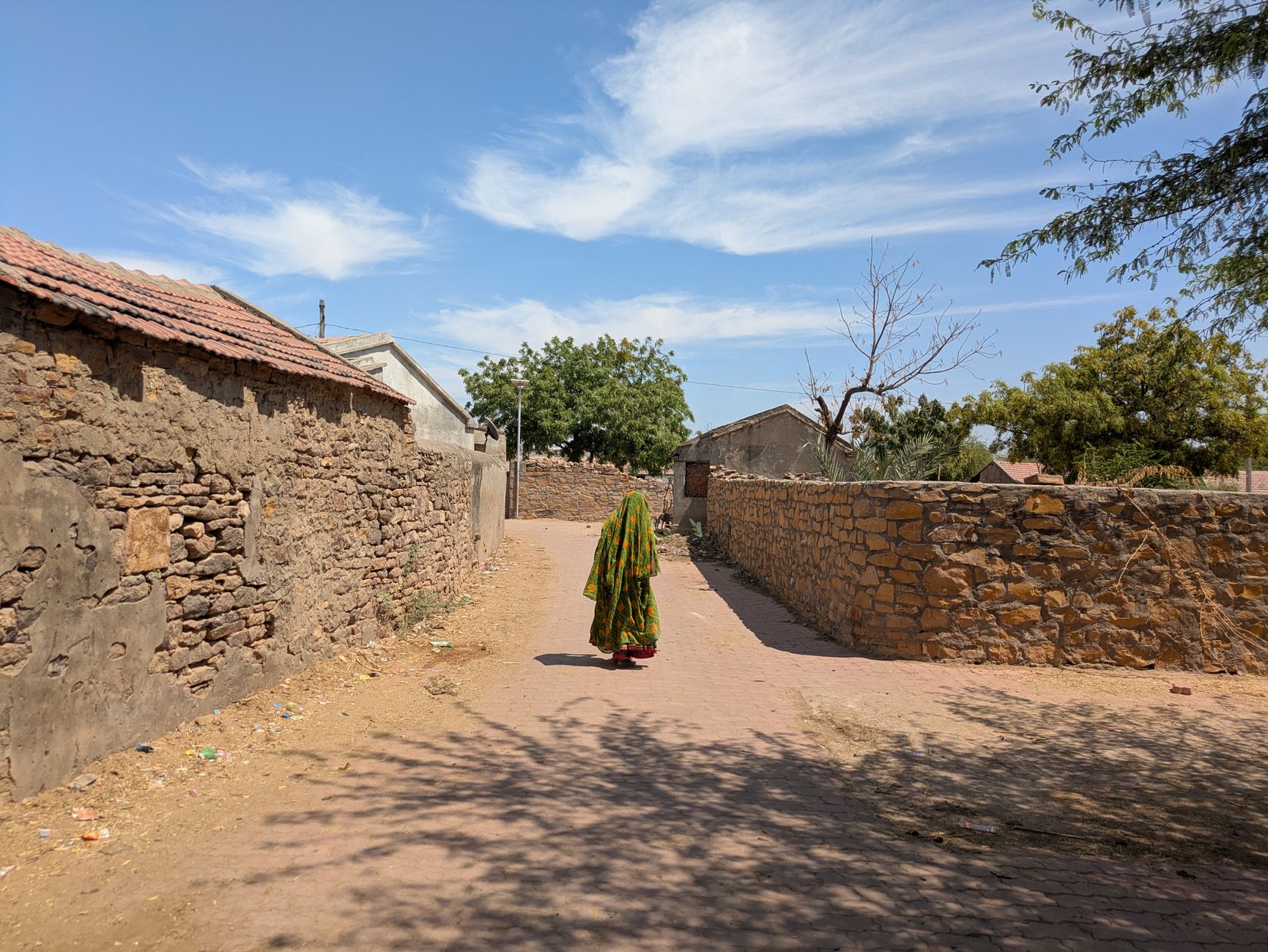
Infrastructure development is a key driver of future growth. Improved roads, water supply, and power infrastructure are essential. These upgrades will enhance Vemali's attractiveness to investors and residents. The PM Gati Shakti plan can help facilitate these infrastructure projects. (https://pmgatishakti.gov.in/)
Overall, Vemali's future depends on a combination of factors. These include planned development, infrastructure upgrades, and sustainable practices. Careful planning and effective governance are essential for realizing Vemali's potential.
Planning and Government Regulations
Understanding planning and government regulations is vital for property buyers. These regulations determine what can be built and how land can be used. They also ensure that development aligns with the overall vision for the area.
Floor Space Index (FSI) or Floor Area Ratio (FAR) is a key regulation. FSI/FAR defines the maximum permissible built up area on a plot of land. This is expressed as a ratio of the total floor area to the plot size. Higher FSI/FAR allows for more construction on a given plot. FSI/FAR values can vary depending on the location and type of development.
Zoning regulations specify how land can be used. Common zones include residential, commercial, industrial, and agricultural. Each zone has specific rules about what types of activities are allowed. These rules aim to create organized and functional areas.
Vemali's development must align with the Vadodara master plan. The master plan outlines the long term vision for the region. This includes infrastructure projects, land use designations, and environmental protection measures. The Vadodara Urban Development Authority (VUDA) is responsible for implementing the master plan.
Compliance with these regulations is crucial. Building without proper approvals can lead to legal issues and penalties. It is important to verify that any planned construction adheres to the FSI/FAR, zoning rules, and master plan.
The Digital India Land Records Modernization Programme (DILRMP) aims to modernize land records. This program promotes transparency and efficiency in land administration. Updated land records can help prevent disputes and ensure clear property titles. (https://dolr.gov.in/)
The Ministry of Housing and Urban Affairs (MoHUA) plays a key role in urban planning. MoHUA sets national policies and guidelines for urban development. These policies aim to promote sustainable and inclusive urban growth. (https://mohua.gov.in/)
Government initiatives like the Smart Cities Mission also have an impact. While Vemali might not be directly part of the Smart Cities Mission, its proximity to Vadodara means it could benefit from related infrastructure and technology upgrades. This could include improved transportation, water supply, and sanitation.
Understanding the environmental regulations is also important. Environmental clearances may be required for certain types of development. These clearances ensure that projects do not have a negative impact on the environment. Protecting natural resources is needed for sustainable development.
Overall, navigating planning and government regulations can be complex. Property buyers and investors should seek professional advice. Consulting with architects, lawyers, and town planners can help ensure compliance. This will help avoid problems and maximize investment potential.
Physical Infrastructure and Connectivity
Physical infrastructure is the backbone of any thriving community. It includes essential services like water supply, power, roads, and transportation. Good infrastructure is necessary for economic development and quality of life.
Reliable water supply is important for residents and businesses. Water sources, treatment plants, and distribution networks ensure access to clean water. Information on the specific water infrastructure in Vemali is not available in the provided data.
Consistent power supply is equally important. Power generation, transmission lines, and distribution networks provide electricity. Reliable power supports homes, businesses, and industries. Data on power infrastructure specific to Vemali is not available.
Roads are the arteries of connectivity. Well maintained roads facilitate the movement of goods and people. This includes state highways, local roads, and village roads. Good road connectivity is needed for economic growth and access to services.
Transportation options include buses, trains, and private vehicles. Public transportation can provide affordable and convenient access to jobs and services. Access to transportation is necessary for residents and businesses.
Connectivity also includes digital infrastructure. High speed internet and mobile networks are increasingly important. These technologies enable access to information, education, and online services. Digital connectivity supports economic development and social inclusion.
Infrastructure development requires careful planning and investment. Government initiatives like the Atal Mission for Rejuvenation and Urban Transformation (AMRUT) aim to improve urban infrastructure. These initiatives focus on water supply, sewerage, and urban transport.
The PM Gati Shakti National Master Plan aims to improve multi modal connectivity. This includes integrating different modes of transportation like roads, railways, and waterways. This integrated approach can improve logistics and reduce transportation costs. (https://pmgatishakti.gov.in/)
Overall, robust physical infrastructure is needed for Vemali's development. It provides the foundation for economic growth and improved quality of life. Continued investment in infrastructure upgrades significantly affects realizing Vemali's potential.
Social Infrastructure and Amenities
Social infrastructure refers to the facilities and services that support a community's well being. This includes schools, hospitals, healthcare centers, and recreational spaces. Good social infrastructure is necessary for a healthy and vibrant community.
Access to quality education is a priority. Schools provide education for children of all ages. The availability of schools in and around Vemali is important for families. Data on the specific schools available in Vemali is not provided.
Healthcare facilities are vital for public health. Hospitals, clinics, and healthcare centers provide medical care and treatment. Access to healthcare supports residents. Specific data on hospitals or clinics in Vemali is unavailable.
Social amenities enhance the quality of life. These amenities include parks, playgrounds, community centers, and libraries. Recreational spaces promote physical activity and social interaction.
The availability of banking and financial services is important. Banks and ATMs provide access to financial services. This facilitates economic activity and financial inclusion.
Public safety is a concern for all residents. Police stations and fire stations provide security and emergency services. A safe environment is needed for a thriving community.
Government initiatives like the Swachh Bharat Mission aim to improve sanitation. This includes building toilets and promoting cleanliness. Improved sanitation is necessary for public health and hygiene.
Anganwadis are rural childcare centers in India. These centers provide basic healthcare and nutrition to children under six. They also offer pre school education.
Overall, adequate social infrastructure supports Vemali's well being. It supports education, health, and social interaction. Continued investment in social infrastructure matters for improving the quality of life for residents.
Land Records and Title Verification: A Practical Guide
Verifying land titles and understanding land records is crucial. This protects property buyers from fraud and legal disputes. It ensures a clear and marketable title to the property.
Start by obtaining copies of the land records. These records are usually maintained by the local land revenue department or the sub registrar's office. The Digital India Land Records Modernization Programme (DILRMP) is digitizing land records across India. (https://dolr.gov.in/)
The key land record documents include:
- Sale Deed: This document transfers ownership from the seller to the buyer.
- Record of Rights (ROR): Also known as 7/12 extract in Gujarat, this document provides details about the land. This includes ownership, area, and any encumbrances.
- Mutation Register: This register records changes in ownership due to sale, inheritance, or partition.
- Property Tax Receipts: These receipts verify that property taxes are paid up to date.
Examine the Sale Deed carefully. Check the names of the buyer and seller. Verify the property description and the amount paid. Ensure that the deed is properly registered with the sub registrar's office.
Review the Record of Rights (ROR) or 7/12 extract. Confirm that the seller's name matches the owner listed in the ROR. Check for any encumbrances on the property, such as mortgages or liens. Ensure that the property area matches the area mentioned in the sale deed.
Inspect the Mutation Register. Verify that the transfer of ownership to the seller has been recorded. Check for any pending mutations or disputes related to the property.
Verify that the property taxes are paid up to date. Obtain property tax receipts from the local municipal office. Unpaid property taxes can create legal problems for the buyer.
Conduct a title search. This involves searching the records of the sub registrar's office for any previous transactions or disputes related to the property. A title search can reveal any hidden claims or encumbrances.
Hire a lawyer specializing in property law. A lawyer can help you review the land records, conduct a title search, and provide legal advice. A lawyer can also help you draft the sale deed and other legal documents.
Obtain a non encumbrance certificate (NEC). This certificate confirms that the property is free from any registered encumbrances, such as mortgages or liens. You can obtain an NEC from the sub registrar's office.
Public notices can be used to announce the property purchase. This can help identify any potential claimants or objectors. Publishing a notice in a local newspaper can provide an opportunity for anyone with a claim to come forward.
Consider title insurance. Title insurance protects you against any loss or damage resulting from defects in the title. This can provide peace of mind and financial protection.
Overall, thorough due diligence is essential when buying property. Verifying land titles and understanding land records can help you avoid legal problems and protect your investment. Consulting with a lawyer and conducting a title search are highly recommended.
Local Economy and Economic Engines
Understanding the local economy is important for property buyers and investors. The economic drivers of an area influence property values and investment opportunities. Examining nearby industries and commuter patterns provides valuable insights.
The local economy of Vemali is likely influenced by its proximity to Vadodara. Vadodara is a major industrial and commercial center in Gujarat. Industries in Vadodara include petrochemicals, engineering, pharmaceuticals, and textiles.
The presence of these industries creates employment opportunities for residents of Vemali. Many residents may commute to Vadodara for work. Commuter patterns reflect the economic relationship between Vemali and Vadodara.
Small scale industries and agriculture may also contribute to Vemali's local economy. These activities provide income and employment for some residents. However, the specific details of these activities are not available in the provided census data.
The Delhi Mumbai Industrial Corridor (DMIC) is a major economic driver. This corridor aims to promote industrial development and infrastructure growth. Vemali can benefit from increased investment and job opportunities.
Government policies and initiatives can also influence the local economy. Policies that promote industrial development, infrastructure upgrades, and skill development can create opportunities for growth.
The Mahatma Gandhi National Rural Employment Guarantee Act (MGNREGA) provides employment to rural households. This program can provide a safety net for residents of Vemali. It can also create employment opportunities in rural areas.
Overall, the local economy of Vemali is influenced by its proximity to Vadodara and the presence of nearby industries. Understanding these economic drivers is important for property buyers and investors.
Investment and Return on Investment (ROI) Analysis
Analyzing land price trends and the investment outlook is crucial. This helps determine the potential return on investment (ROI) for property in Vemali. Strategic analysis is needed for making informed investment decisions.
Data on specific land price trends in Vemali is unavailable in the provided census data. However, general trends in Vadodara district can provide some context. Property values in Vadodara have generally increased over time. This is due to urbanization and economic growth.
Several factors influence land prices:
- Location: Proximity to Vadodara and other urban centers.
- Connectivity: Access to roads, railways, and other transportation.
- Infrastructure: Availability of water, power, and other essential services.
- Zoning Regulations: Permissible land use and development potential.
- Economic Development: Growth of industries and employment opportunities.
The investment outlook for Vemali depends on several factors. These include:
- Infrastructure Development: Planned upgrades to roads, water supply, and power infrastructure.
- Government Policies: Policies that promote industrial development and investment.
- Economic Growth: Growth of industries and employment opportunities in Vadodara and surrounding areas.
- Real Estate Development: Planned residential and commercial projects in Vemali.
To estimate potential ROI, consider the following factors:
- Purchase Price: The initial cost of the property.
- Development Costs: Costs associated with construction, renovation, or infrastructure upgrades.
- Rental Income: Potential income from renting out the property.
- Appreciation: Expected increase in property value over time.
- Operating Expenses: Costs associated with maintaining the property, such as property taxes and insurance.
Calculate the potential ROI using the following formula:
ROI = (Net Profit / Cost of Investment) x 100
Where:
- Net Profit = (Rental Income + Appreciation) - Operating Expenses
- Cost of Investment = Purchase Price + Development Costs
Conduct a sensitivity analysis. This involves examining how changes in key assumptions, such as rental income or appreciation, affect the ROI. This can help you assess the risks and potential rewards of the investment.
Consider the strategic location of Vemali. Its proximity to Vadodara offers advantages in terms of access to markets, jobs, and services. This strategic location can enhance the investment potential of property in Vemali.
Assess the potential impact of the Delhi Mumbai Industrial Corridor (DMIC). This corridor can drive economic growth and increase demand for property in Vemali. Investing in property near the DMIC could offer attractive returns.
Seek professional advice from real estate agents, financial advisors, and lawyers. These professionals can provide valuable insights and guidance. They can help you assess the risks and potential rewards of investing in property in Vemali.
Overall, investing in property involves risks and rewards. Thorough research, careful analysis, and professional advice are essential for making informed decisions. Understanding land price trends, the investment outlook, and potential ROI can help you maximize your returns.
Conclusion
Vemali, with its pincode of 391740, presents both opportunities and challenges for property buyers and investors. Its proximity to Vadodara offers economic advantages. However, the lack of specific local data requires careful assessment. Understanding government regulations, land records, and infrastructure is crucial. A thorough analysis of potential ROI and strategic location will guide investment decisions. Continued development and planned growth are essential for Vemali's future prosperity.