Vadivadi Development Plan & Land Investment Guide
Executive Summary
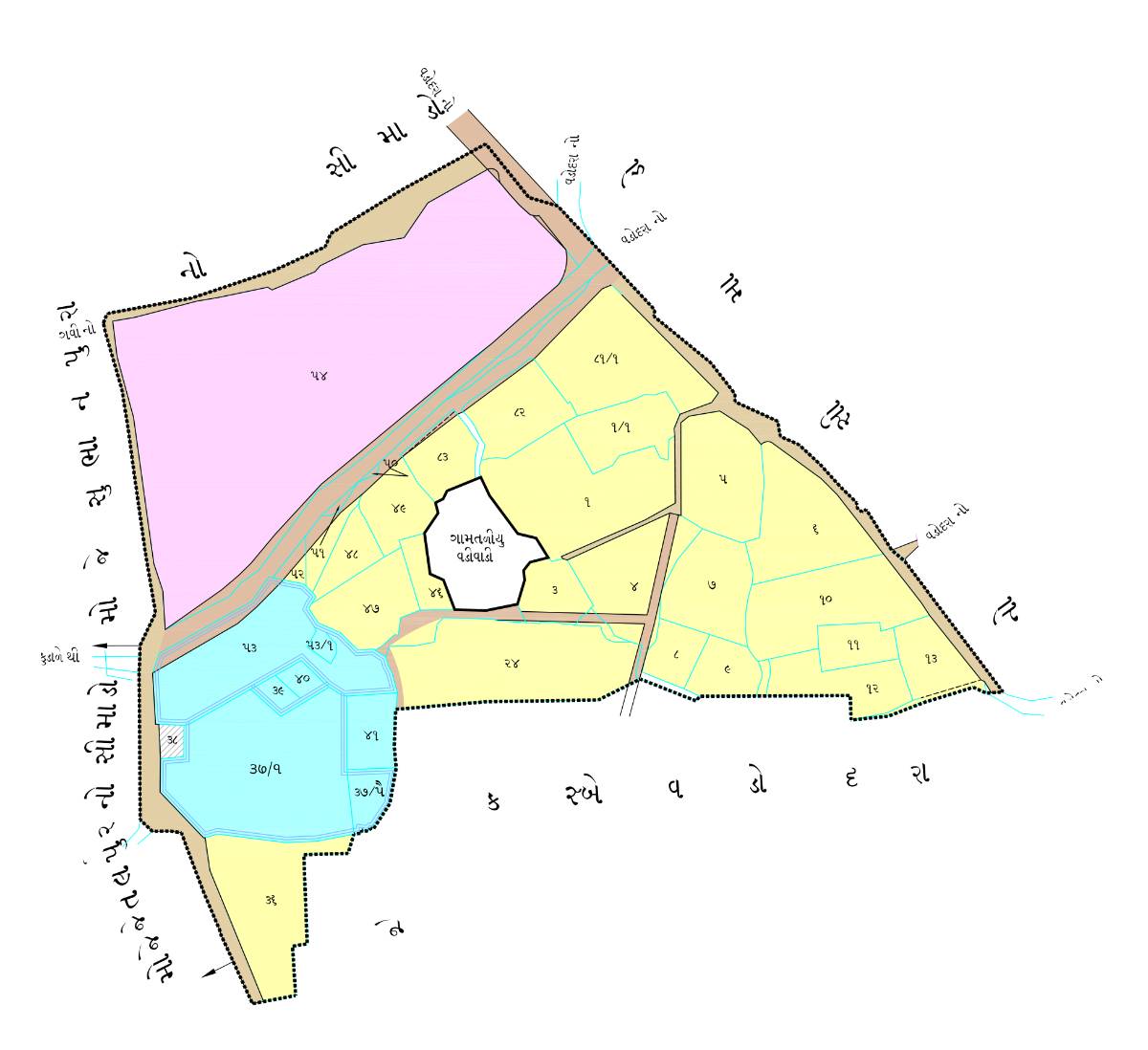
Vadivadi is a developing area within the Vadodara district of Gujarat. It's strategically positioned to benefit from Vadodara's growth and industrial activity. The region is experiencing a transition from rural to peri urban. Understanding the area's infrastructure, land regulations, and economic drivers is necessary for property buyers and investors.
Vadodara has a rich history and is seeing rapid development. Vadivadi's growth is closely linked to Vadodara's expansion. Future scenarios depend on how well infrastructure and planning can keep pace with increasing population and economic activity.
Government regulations and planning play a key role. FSI and zoning rules influence development. Alignment with the Vadodara master plan is important for future growth. Investors should know how these policies will shape Vadivadi.
Infrastructure is improving but still has challenges. Water supply, power, and road networks are all being upgraded. Connectivity to Vadodara and other key areas is important for Vadivadi's growth. These factors affect property values and investment potential.
Social infrastructure is also expanding. More schools, hospitals, and community facilities are needed. These amenities will attract residents and boost the area's appeal. Access to these services is important for quality of life.
Navigating land records requires careful attention. Title verification and understanding the land registration process are important steps. The Digital India Land Records Modernization Programme helps to make this process easier.
Vadivadi's local economy is diverse. Nearby industries in Vadodara provide jobs. Commuter patterns show how Vadivadi residents connect with the city. The strength of the local economy influences property values and investment returns.
Land prices in Vadivadi are influenced by several factors. The investment outlook is positive, but careful analysis is needed. A strategic approach that considers these factors can maximize returns. Investors must consider all aspects for successful investments.
Location and General Overview of Vadivadi, Gujarat
Vadivadi is located within the Vadodara district of Gujarat. It is situated in a region undergoing rapid development and urbanization. Its location offers a mix of rural charm and proximity to Vadodara's urban amenities. This blend is attractive to both residents and investors.
Vadodara is a major city in Gujarat. It acts as a hub for industry, education, and commerce. Vadivadi benefits from this proximity. It's close enough to access the city's opportunities but still retains its own distinct character.

Arterial connectivity is key to Vadivadi's growth. The area is connected to Vadodara and other important locations by roads and highways. Improved transportation links are vital for economic development. They also improve access for residents.
Zoning regulations and master plans guide development in Vadivadi. These plans determine land use and building restrictions. The Vadodara Development Plan 2030/2040 will significantly impact Vadivadi. These plans aim for sustainable and organized urban growth.
Vadivadi is influenced by industrial corridors near Vadodara. These corridors bring economic activity and job opportunities. This influx of activity spurs growth in housing and infrastructure. Industrial development has a ripple effect on nearby areas like Vadivadi.
The area is gradually shifting from a primarily agricultural economy to one that is more diversified. This transition presents opportunities for development in various sectors. These include residential, commercial, and industrial. This shift makes it an interesting prospect for property buyers.
Vadodara's industrial zones are a major employment hub. Many Vadivadi residents commute to these zones for work. This commuter pattern influences the demand for housing in Vadivadi. It also impacts the need for better transport links.
The growing population of Vadodara is driving demand for housing in surrounding areas. Vadivadi offers a more affordable alternative to the city center. This affordability makes it an attractive option for those seeking homes. This also attracts potential investors.
The local administration plays a vital role. It works to improve infrastructure and provide basic services. Efficient governance is important for attracting investment and ensuring sustainable growth. This is key for the long term prosperity of the area.
The land around Vadivadi is mostly agricultural. However, there is a growing trend of converting agricultural land for residential and commercial use. This conversion is subject to regulations and approvals. It is important to understand these processes.
Historical Growth Patterns and Future Scenarios
Vadodara has a rich history as a princely state. In recent decades it has become a major industrial and educational center. This transformation has fueled growth in surrounding areas like Vadivadi. Vadodara's history sets the stage for its future development.
Vadivadi's growth is tied to Vadodara's expansion. As the city grew, people and businesses started moving to the periphery. Vadivadi has benefited from this spillover effect. It has become a destination for those seeking a more affordable lifestyle.
Historically, Vadivadi was primarily an agricultural area. The economy was based on farming and related activities. Over time, this has changed with the rise of industries and services. These changes have led to diversification and new opportunities.
Future growth scenarios for Vadivadi depend on many factors. These include infrastructure development, government policies, and economic trends. If these factors align favorably, Vadivadi could see rapid and sustained growth. This would make it a lucrative area for investment.
One possible scenario is continued suburbanization. Vadivadi could become a residential suburb of Vadodara. This scenario would require investment in housing, transportation, and social infrastructure. It also needs careful planning to avoid urban sprawl.
Another scenario is the development of local industries and businesses. This could create jobs within Vadivadi. It would reduce the need for commuting. It could also lead to a more self sufficient local economy.
A third scenario involves improved infrastructure and connectivity. This would attract more investment and development. Better roads, public transportation, and utilities would make Vadivadi more attractive. This would attract businesses and residents.
However, there are also challenges to consider. Unplanned development could lead to problems such as traffic congestion and environmental degradation. It is important to manage growth in a sustainable way. It should also be managed responsibly.
The availability of land and the ease of land acquisition are also important factors. Complex land ownership issues could slow down development. Streamlining land acquisition processes would help to accelerate growth.
Government policies will play a key role in shaping Vadivadi's future. Policies related to zoning, land use, and infrastructure development will be critical. These policies will influence the direction and pace of growth.
Planning and Government Regulations
Government regulations and planning are crucial for Vadivadi's development. These rules shape land use, building construction, and infrastructure. Understanding these regulations supports property buyers and investors. The Ministry of Housing and Urban Affairs provides guidelines for urban planning: https://mohua.gov.in/.
FSI (Floor Space Index) and FAR (Floor Area Ratio) are important concepts. FSI/FAR dictates how much construction can be done on a plot of land. Higher FSI/FAR allows for more building. This impacts the density and value of properties.
Zoning regulations determine how land can be used. Some areas are zoned for residential use. Others are for commercial, industrial, or agricultural purposes. These rules ensure that different types of activities are separated and organized.
The Vadodara master plan guides the overall development of the region. It outlines long term goals and strategies for urban growth. The master plan includes provisions for infrastructure, housing, and environmental protection.
Alignment with the master plan is important for any development project. Projects that are consistent with the plan are more likely to get approvals. They are also more likely to be successful in the long run. Investors should review the master plan.
The Vadodara Urban Development Authority (VUDA) is responsible for implementing the master plan. VUDA oversees planning, zoning, and building regulations. It works to ensure that development is orderly and sustainable.
The process of obtaining building permits and approvals can be complex. It involves submitting detailed plans and complying with various regulations. Developers need to navigate this process carefully to avoid delays and problems.
Land use conversion is another important aspect of government regulation. Converting agricultural land for non agricultural purposes requires permission from the authorities. This process is designed to protect agricultural land and ensure food security.
Environmental regulations also play a role in development. Projects must comply with environmental standards. They also need to minimize their impact on the environment. This includes managing pollution, conserving water, and protecting natural resources.
The Pradhan Mantri Awas Yojana (PMAY) is a government scheme that promotes affordable housing. PMAY provides subsidies and incentives for building affordable homes. This can help to increase the supply of housing in areas like Vadivadi.
Physical Infrastructure and Connectivity
Physical infrastructure is vital for Vadivadi's growth. This includes water supply, power, roads, and transportation. Reliable infrastructure attracts investment and improves quality of life. PM Gati Shakti is a national plan for infrastructure development: https://pmgatishakti.gov.in/.
Water supply is a major concern in many developing areas. Vadivadi needs a reliable source of water for drinking, sanitation, and irrigation. Investments in water infrastructure are crucial for meeting the growing demand.
Power supply is also essential for economic activity. Industries and businesses need a stable and affordable source of electricity. Upgrading the power grid and promoting renewable energy can improve power supply.
Road networks connect Vadivadi to Vadodara and other areas. Good roads are important for transporting goods and people. Investments in road construction and maintenance are needed to improve connectivity.
Public transportation is another important aspect of connectivity. Buses, trains, and other forms of public transit can reduce traffic congestion and improve accessibility. Expanding public transportation options would benefit Vadivadi residents.
The nearest airport is in Vadodara. This provides air connectivity to other parts of India and the world. Improved access to the airport would benefit businesses and residents in Vadivadi.
Internet connectivity is becoming increasingly important. High speed internet is needed for businesses, education, and communication. Expanding internet access in Vadivadi would promote economic development.
Waste management is a growing challenge in urbanizing areas. Proper waste collection and disposal systems are needed to protect public health and the environment. Investments in waste management infrastructure are crucial.
Drainage systems are also important for managing storm water and preventing flooding. Adequate drainage infrastructure is needed to protect properties and infrastructure from damage.
The availability of these physical infrastructure components significantly influences property values and investment decisions. Areas with better infrastructure tend to attract more investment and see higher property appreciation.
The NITI Aayog influences promoting sustainable infrastructure development across India. You can find more information on their initiatives at: https://niti.gov.in/.
Social Infrastructure and Amenities
Social infrastructure includes schools, hospitals, and community facilities. These amenities are essential for quality of life. They attract residents and boost property values. Adequate social infrastructure makes Vadivadi a desirable place to live.
Access to quality education is a major concern for families. Vadivadi needs more schools and educational institutions. These should cater to different age groups and academic levels. Investing in education improves human capital and promotes development.
Healthcare facilities are also crucial for the well being of residents. Vadivadi needs more hospitals, clinics, and healthcare providers. Access to quality healthcare services is necessary for a healthy community.
Community centers provide space for social interaction and recreational activities. These centers can host events, workshops, and other programs. They strengthen social bonds and promote community development.
Parks and green spaces enhance the environment and provide opportunities for recreation. These spaces improve air quality, reduce stress, and promote physical activity. Developing more parks and green spaces would benefit Vadivadi residents.
Shopping centers and markets provide access to goods and services. These facilities are important for daily life. They also create jobs and stimulate the local economy.
Banks and financial institutions provide access to financial services. These services are essential for businesses and individuals. They facilitate economic activity and promote financial inclusion.
Public safety is another important aspect of social infrastructure. Police stations, fire stations, and emergency services are needed to protect residents and property. Investing in public safety improves the quality of life.
Libraries and cultural centers promote learning and cultural enrichment. These facilities provide access to books, information, and cultural events. They foster intellectual curiosity and creativity.
Availability of reliable and affordable transport is another important aspect of social infrastructure. This will help students to travel to schools and colleges, or the needy to access hospitals.
Land Records and Title Verification
Verifying land title and understanding land records supports property buyers. It protects against fraud and ensures clear ownership. The Digital India Land Records Modernization Programme (DILRMP) aims to modernize land records: https://dolr.gov.in/.
The first step is to obtain copies of the relevant land records. These records include the sale deed, property tax receipts, and other documents. These documents provide information about the property's ownership, boundaries, and legal status.
Conducting a title search is a critical part of the verification process. This involves examining the land records to identify any encumbrances. Encumbrances could include mortgages, liens, or legal claims against the property.
Engaging a lawyer or land surveyor is highly recommended. These professionals can help to interpret the land records. They can also conduct a thorough title search. Their expertise can help to identify potential problems.
Checking for pending legal disputes is also important. This involves searching court records to see if there are any lawsuits or legal proceedings related to the property. Pending disputes could affect the ownership or value of the property.
Verifying the identity of the seller is crucial to prevent fraud. This involves checking their identification documents and confirming their ownership of the property. It is important to ensure that the seller has the legal right to sell the property.
Obtaining a non encumbrance certificate (NEC) is another important step. This certificate confirms that there are no registered encumbrances on the property. It provides assurance that the property is free from any legal claims.
Understanding the local land laws and regulations is also essential. These laws govern land ownership, transfer, and use. Compliance with these laws is necessary for a valid property transaction.
The registration of the sale deed is the final step in the process. This involves registering the deed with the local land registry. Registration provides legal recognition of the transfer of ownership.
The digitalization of land records is making it easier to access and verify land information. However, it is still important to conduct a thorough due diligence to protect your interests. Digital records can be accessed online, making the process simpler.
Understanding survey numbers is also an important part of title verification. Survey numbers are unique identifiers assigned to land parcels. These numbers are used to locate and identify properties in the land records.
Local Economy and Industries
Vadivadi's local economy is closely linked to Vadodara's industrial and commercial activities. The nearby industries provide jobs and opportunities for residents. The strength of the local economy influences property values.
Vadodara is a major industrial hub in Gujarat. Key industries include chemicals, pharmaceuticals, engineering, and textiles. These industries create jobs and drive economic growth. They have a significant impact on the surrounding areas.
Many Vadivadi residents commute to Vadodara for work. Commuter patterns show how Vadivadi is integrated with the city's economy. Improving transportation links would make it easier for people to commute. This would strengthen the link between Vadivadi and Vadodara.
The local economy in Vadivadi also includes agriculture, small businesses, and services. These sectors provide jobs and contribute to the local economy. Supporting these sectors would help to diversify the economy.
Small scale industries and businesses play a vital role in Vadivadi. These businesses create jobs and provide goods and services to the community. Supporting these businesses would help to promote economic development.
The development of new industries and businesses in Vadivadi would create more local jobs. This would reduce the need for commuting. It would also boost the local economy. Encouraging entrepreneurship is important for economic growth.
The availability of skilled labor is a key factor for attracting industries. Investing in education and training programs would improve the skills of the local workforce. This would make Vadivadi more attractive to businesses.
Government policies can also play a role in promoting economic development. Policies that support businesses, attract investment, and improve infrastructure are important. These policies create a favorable environment for economic growth.
Real estate development also contributes to the local economy. Construction projects create jobs and stimulate demand for goods and services. Property development has a multiplier effect on the economy.
The growth of Vadodara's economy is expected to continue in the coming years. This will benefit Vadivadi and other surrounding areas. Investing in infrastructure and promoting economic development will help to maximize these benefits.
Investment Outlook and ROI Analysis
Investing in Vadivadi real estate requires careful analysis. Land price trends, market conditions, and investment strategies must be considered. A strategic approach can maximize returns. It also minimizes risks.
Land prices in Vadivadi are influenced by several factors. These include location, infrastructure, zoning regulations, and market demand. Understanding these factors significantly affects making informed investment decisions.
Land prices in Vadivadi are generally lower than in Vadodara. This makes it an attractive option for investors seeking affordable properties. However, prices are expected to increase as the area develops.
The investment outlook for Vadivadi is positive. The area is expected to see continued growth in the coming years. This growth will be driven by Vadodara's economic expansion. It is also driven by improved infrastructure.
Potential investment opportunities include residential properties, commercial properties, and land development projects. Each type of investment has its own risks and rewards. Investors should carefully evaluate their options.
Analyzing land price trends is important for determining the potential return on investment (ROI). This involves tracking historical price movements and projecting future price appreciation. Careful analysis can help to identify undervalued properties.
Factors to consider when evaluating investment opportunities include location, size, zoning, and potential for development. These factors influence the value and potential returns of the property.
Assessing the risks associated with each investment is also important. These risks could include market volatility, regulatory changes, and infrastructure delays. Investors should be prepared to manage these risks.
Developing a clear investment strategy matters for success. This strategy should outline your investment goals, risk tolerance, and timeline. A well defined strategy will guide your investment decisions.
Seeking professional advice from real estate agents, lawyers, and financial advisors is recommended. These professionals can provide valuable insights and guidance. Their expertise can help to make informed decisions.
Regularly monitoring your investments and making adjustments as needed is important. Market conditions can change over time. Investors should be prepared to adapt to these changes.
Conclusion
Vadivadi offers both opportunities and challenges for property buyers and investors. Its strategic location near Vadodara, coupled with ongoing infrastructure development, makes it an attractive destination. However, understanding government regulations, verifying land records, and assessing market conditions are crucial for making informed decisions. With careful planning and due diligence, Vadivadi can be a rewarding investment.