Executive Summary
Bhor, located in the Pune district of Maharashtra, is experiencing increasing attention from property buyers and investors. This guide offers a detailed overview of Bhor, including its location, growth trajectory, government regulations, infrastructure, social amenities, land records, economy, and investment potential. This information aims to provide a clear picture for anyone considering investing in this area.
Bhor's connectivity to major industrial corridors and Pune city makes it an attractive location. Understanding the Development Plan 2030/2040 and its impact on zoning is necessary for making informed investment decisions. This guide also covers the practical aspects of land title verification and the potential for return on investment.
Bhor, Pune: A Comprehensive Guide for Property Buyers and Investors
Location and Geographical Overview
Bhor is a town located in the Pune district of Maharashtra. It sits southeast of Pune city. The surrounding landscape is characterized by hills and agricultural land. This gives Bhor a more rural feel compared to the bustling city of Pune. Bhor is situated along National Highway 48, which connects Pune to other major cities. This provides good road access to the area.
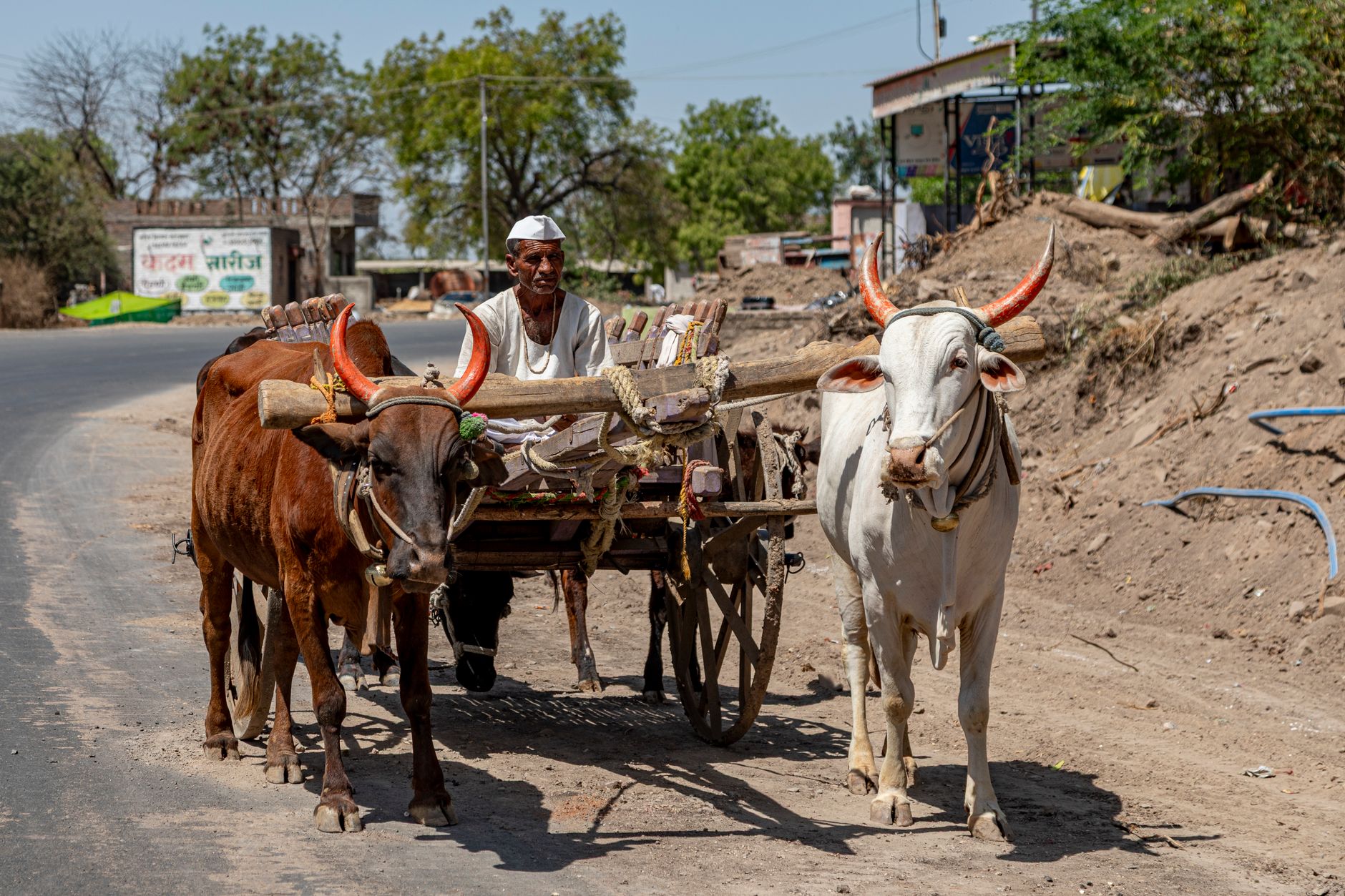
Bhor's location is strategically advantageous due to its proximity to Pune. This allows residents and businesses to access the opportunities and amenities of a major urban center while enjoying a more peaceful environment. The surrounding agricultural areas also contribute to the local economy. This adds to the appeal of Bhor as a place to live and invest.
The Pune Metropolitan Region Development Authority (PMRDA) has been expanding. This expansion includes areas surrounding Pune like Bhor. This signifies the region's potential for future growth and development. As Pune continues to grow, areas like Bhor are likely to see increased investment and infrastructure development. This makes understanding the local geography and planning regulations crucial for potential investors.
Bhor benefits from its location near key industrial corridors. The Mumbai Pune Industrial Corridor is a major economic driver in the region. This corridor facilitates trade, manufacturing, and job creation. Bhor's proximity to this corridor allows it to benefit from these economic activities. This makes it an attractive location for businesses and residents seeking to be close to employment opportunities.
The region is being developed with connectivity in mind. The Pune Ring Road project aims to improve connectivity between different parts of the Pune Metropolitan Region. This will further enhance Bhor's accessibility and integrate it more closely with the wider economic region. The government's focus on infrastructure development underscores Bhor's potential for future growth. PM Gati Shakti is an initiative aiming to integrate infrastructure planning. It can be further explored at https://pmgatishakti.gov.in/.
Historical Growth and Future Scenarios
Historically, Bhor has been an agricultural area. In the past few decades, it has seen gradual urbanization due to Pune's expansion. The town has evolved from a primarily agricultural center to a more diversified economy. This shift is reflected in the changing land use patterns and the increasing number of residential and commercial developments. Understanding this historical context supports projecting future growth.
Bhor's growth has been influenced by its proximity to Pune. As Pune's population and economy have grown, so has the demand for housing and commercial space in surrounding areas like Bhor. This has led to increased land values and new development projects. However, Bhor has retained much of its rural character. This makes it a desirable location for those seeking a balance between urban access and a quieter lifestyle.
Future growth scenarios for Bhor depend on several factors. The continued expansion of Pune, infrastructure development, and government policies will all play a role. One potential scenario is that Bhor will become increasingly integrated with Pune, functioning as a suburb with a mix of residential, commercial, and industrial activities. This would lead to further urbanization and increased land values.
Another possible scenario is that Bhor will maintain its distinct character. This means emphasizing sustainable development and preserving its agricultural land. This approach could attract residents and businesses seeking a more environmentally friendly and less congested environment. Balancing these competing priorities will be a key challenge for local authorities.
Comparing historical growth rates with projected growth rates provides valuable insights. Historically, Bhor's growth has been steady but not explosive. However, future growth rates could be higher due to increased investment and infrastructure development. This makes it important for investors to carefully assess the potential risks and rewards associated with different development scenarios.
| Time Period | Growth Rate (Estimated) | Factors Influencing Growth |
|---|---|---|
| Past Decade | Moderate | Pune's Expansion, Basic Infrastructure |
| Future Decade | High | Ring Road, Industrial Investment |
Planning and Government Regulations
Understanding government regulations matters for property buyers and investors. FSI (Floor Space Index) or FAR (Floor Area Ratio) determines how much construction is allowed on a plot of land. Higher FSI/FAR allows for more construction. This can increase the value of a property but also increase density.
Zoning regulations dictate how land can be used. Some areas are zoned for residential use, others for commercial, and still others for industrial. Understanding zoning is vital for ensuring that a property can be used for its intended purpose. Violating zoning regulations can result in fines or legal action.
The Development Plan (DP) 2030/2040 outlines the long term vision for Bhor's development. This plan specifies future land use, infrastructure projects, and development guidelines. Aligning investment decisions with the DP is needed for maximizing returns and avoiding potential conflicts with government policies. Local planning authorities are responsible for implementing the DP and enforcing regulations.
FSI/FAR regulations in Bhor may vary depending on the location and type of property. It's important to consult with local authorities or planning professionals to determine the specific regulations that apply to a particular property. Zoning rules are also subject to change, so staying informed about updates is essential.
The Ministry of Housing and Urban Affairs plays a key role in shaping urban development policies. You can learn more at https://mohua.gov.in/. Their initiatives and guidelines often influence local planning decisions. The DP 2030/2040 is a comprehensive document that provides detailed information about Bhor's future development. It's available for public review at the local planning office.
| Regulation | Description | Impact on Investment |
|---|---|---|
| FSI/FAR | Controls building density | Affects construction potential and property value |
| Zoning | Defines land use | Determines permissible activities on a property |
| Development Plan | Outlines long term vision | Guides future development and infrastructure projects |
Physical Infrastructure and Connectivity
Bhor's infrastructure includes water supply, power, and roads. Access to reliable infrastructure is necessary for development and property value. Water supply is typically managed by the local municipality. Power is usually provided by the state electricity board. Roads are maintained by the local and state governments.
Connectivity is a crucial factor for Bhor's growth. Good road connections to Pune and other major cities are essential for trade and transportation. The presence of National Highway 48 is a significant advantage. The planned Pune Ring Road will further improve connectivity and reduce travel times.
Infrastructure development is ongoing in Bhor. The local government is working to improve water supply, power distribution, and road networks. These improvements are aimed at supporting future growth and attracting investment. However, challenges remain, such as ensuring adequate water supply during dry seasons and upgrading aging infrastructure.
The PMRDA is playing a key role in infrastructure development in the region. They are responsible for planning and implementing major projects, such as the Pune Ring Road. These projects are designed to improve connectivity and support economic growth throughout the Pune Metropolitan Region. The Digital India Land Records Modernization Programme aims to modernize land records. More information is available at https://dolr.gov.in/.
| Infrastructure | Status | Future Plans |
|---|---|---|
| Water Supply | Adequate but needs improvement | Expansion of water treatment facilities |
| Power | Generally reliable | Upgrading power distribution networks |
| Roads | Good connectivity via NH48 | Pune Ring Road project to improve access |
Social Infrastructure and Amenities
Bhor offers a range of social infrastructure and amenities. These include schools, hospitals, and recreational facilities. Access to quality social infrastructure is important for the well being of residents and the attractiveness of the area. The availability of good schools is a major factor for families considering moving to Bhor. Access to healthcare services is also essential.
Schools in Bhor range from public to private institutions. These schools offer education at various levels, from primary to secondary. Hospitals and clinics provide medical care to the local population. Recreational facilities include parks, playgrounds, and community centers. These facilities enhance the quality of life for residents.
Social amenities are being developed further in Bhor. The local government is investing in improving schools, hospitals, and recreational facilities. This is aimed at attracting new residents and improving the quality of life for existing residents. Community involvement is also important in shaping the development of social amenities.
The availability of social infrastructure and amenities is a key factor for property buyers and investors. Properties located near good schools, hospitals, and recreational facilities tend to be more valuable. Investing in areas with strong social infrastructure can lead to higher returns and greater long term appreciation. The NITI Aayog focuses on sustainable development goals. More information is at https://niti.gov.in/.
| Amenity | Availability | Quality |
|---|---|---|
| Schools | Adequate | Varied, some improvements needed |
| Hospitals | Limited | Basic healthcare services available |
| Recreation | Developing | Parks and community centers present |
Land Records and Title Verification
Verifying land titles is a critical step for any property buyer or investor. This process ensures that the seller has clear ownership of the property and that there are no outstanding claims or encumbrances. Failing to verify land titles can lead to legal disputes and financial losses. It is best to do this before any purchase.
The first step in title verification is to obtain copies of the relevant land records. These records are typically maintained by the local land revenue department or the sub registrar's office. The records may include the sale deed, property tax receipts, and other documents related to the property's ownership history. These records help show the legal journey of the property.
Once the land records have been obtained, they should be carefully reviewed by a qualified lawyer or legal professional. The lawyer will examine the records to ensure that the seller has a clear title to the property and that there are no outstanding claims or encumbrances. They will also check for any discrepancies or irregularities in the records.
A public notice can be published in a local newspaper. This notice informs the public about the proposed property transaction and invites anyone with a claim on the property to come forward. This helps to identify any potential disputes or encumbrances before the sale is finalized.
A site visit is also an important part of the title verification process. This involves physically inspecting the property to ensure that it matches the description in the land records. It also allows the buyer to identify any potential issues, such as encroachments or boundary disputes.
Obtaining an encumbrance certificate is another important step. This certificate confirms whether there are any registered encumbrances on the property, such as mortgages, liens, or court orders. The encumbrance certificate can be obtained from the sub registrar's office.
| Step | Description | Purpose |
|---|---|---|
| Obtain Land Records | Collect relevant property documents | Establish ownership history |
| Legal Review | Lawyer examines records | Identify potential issues |
| Public Notice | Inform public of transaction | Uncover hidden claims |
| Site Visit | Inspect the property | Verify boundaries and condition |
| Encumbrance Certificate | Check for registered claims | Ensure clear title |
Local Economy and Industries
Bhor's local economy is primarily based on agriculture. However, there is also a growing presence of small scale industries and commercial activities. The proximity to Pune's industrial areas has also influenced Bhor's economy. Commuter patterns reflect the movement of workers between Bhor and Pune for employment.
Nearby industries include manufacturing, engineering, and IT services. These industries are concentrated in Pune and surrounding areas. Bhor benefits from its location near these industrial hubs. This provides employment opportunities for local residents and supports the local economy.
Commuter patterns show that many residents of Bhor travel to Pune for work. This indicates that Bhor functions as a residential area for those employed in Pune. However, there is also a growing number of local businesses and industries in Bhor. This reduces the reliance on Pune for employment.
The development of the Pune Ring Road is expected to further boost Bhor's economy. This improved connectivity will make it easier for businesses to transport goods and services. It will also attract new investment to the area. The local government is also promoting entrepreneurship and small business development.
| Sector | Contribution to Economy | Future Prospects |
|---|---|---|
| Agriculture | Significant | Diversification and modernization |
| Manufacturing | Growing | Potential for expansion with improved connectivity |
| Services | Developing | Opportunities in retail and tourism |
Investment Outlook and ROI
Land prices in Bhor have been increasing in recent years. This is driven by Pune's expansion and increased demand for housing and commercial space. The investment outlook for Bhor is positive. The area is expected to see continued growth and development in the coming years.
Factors influencing land prices include location, connectivity, and development potential. Properties located near major roads or with potential for commercial development tend to be more valuable. Government policies and infrastructure projects also play a role in shaping land prices.
Strategic analysis suggests that Bhor offers good potential for long term investment. The area is still relatively affordable compared to Pune. This makes it an attractive option for investors seeking to capitalize on future growth. Investing in land or property in Bhor requires careful planning and due diligence.
Return on investment (ROI) can vary depending on the type of property and investment strategy. Residential properties may offer steady rental income and long term appreciation. Commercial properties may generate higher returns but also carry higher risks. It's important to conduct thorough market research and seek professional advice before making any investment decisions.
| Factor | Impact on ROI | Description |
|---|---|---|
| Location | High | Proximity to key amenities and infrastructure |
| Connectivity | High | Access to major roads and transport hubs |
| Development Potential | Moderate | Zoning regulations and future development plans |
Conclusion
Bhor presents a compelling case for property buyers and investors seeking opportunities in the Pune region. Its strategic location, coupled with ongoing infrastructure development, positions it for future growth. Careful due diligence and a thorough understanding of local regulations are essential for maximizing returns. As Pune expands, Bhor is poised to benefit from its proximity, offering a balance between urban access and a more peaceful environment.