SAVAD Development Plan & Land Investment Guide
Executive Summary
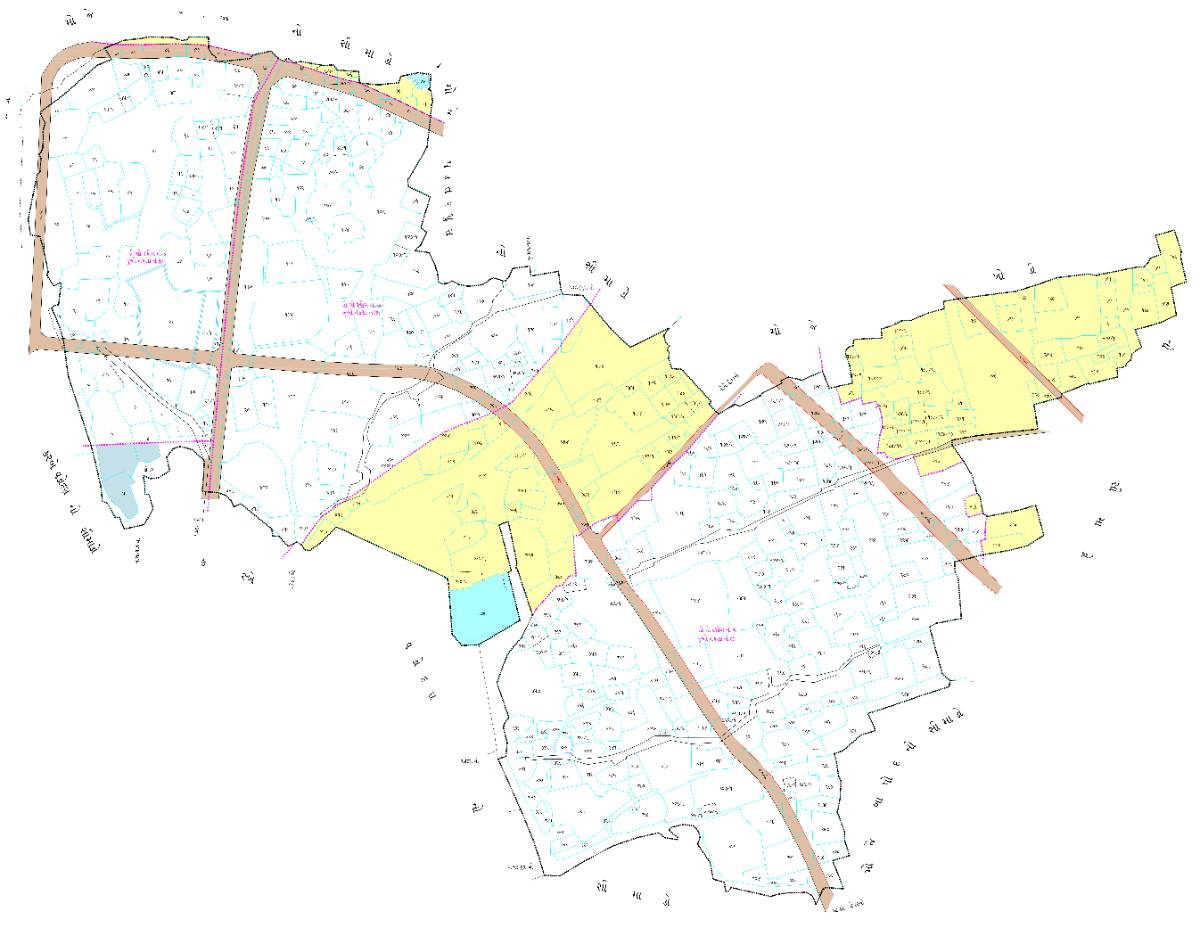
Savad, located near Vadodara, Gujarat, presents emerging opportunities for property buyers and investors. This guide provides a detailed overview of Savad's location, growth trajectory, planning regulations, infrastructure, social amenities, land records, economic drivers, and investment potential. Understanding these factors is critical for making informed real estate decisions in this developing area.
Savad benefits from its strategic location near Vadodara, a major industrial and educational hub in Gujarat. Its connectivity through arterial roads and proximity to industrial corridors drive its growth. The area's future development is guided by zoning regulations and the Vadodara Urban Development Authority (VUDA) master plan.
Historically, Savad has experienced steady growth due to its agricultural base and proximity to Vadodara. Future growth scenarios anticipate increased urbanization, driven by industrial expansion and improved infrastructure. These changes require careful planning and regulation to ensure sustainable development.
Planning and governance in Savad are governed by VUDA's regulations, including FSI/FAR limits and zoning rules. Adherence to the master plan is needed for orderly development and preventing unauthorized construction. Understanding these regulations matters for developers and property owners.
Savad is developing its physical infrastructure, including water supply, power distribution, and road networks. Improved connectivity through arterial roads enhances accessibility and supports economic activity. Continued investment in infrastructure is necessary for sustaining growth.
Social infrastructure in Savad includes schools, hospitals, and community facilities. Access to quality education and healthcare services improves the quality of life for residents. Development of social amenities is necessary to support a growing population.
Verifying land titles and navigating land records is a crucial step in property transactions. Understanding the process of title verification and accessing land records ensures transparency and reduces the risk of disputes. The Digital India Land Records Modernization Programme aims to streamline this process.
Savad's local economy is driven by agriculture, small scale industries, and its proximity to Vadodara's industrial belt. Commuter patterns indicate a significant flow of workers between Savad and Vadodara. This economic integration contributes to Savad's growth.
Investing in Savad offers potential for significant returns, driven by land price appreciation and infrastructure development. A strategic analysis of investment opportunities requires careful consideration of market trends, risk factors, and regulatory compliance. A long term perspective is key to successful investment.
Location and Geography of Savad
Savad is situated in the vicinity of Vadodara, a prominent city in Gujarat, India. Its location offers a blend of rural tranquility and accessibility to urban amenities. The area is characterized by its agricultural land, interspersed with developing residential and commercial zones. The geographical coordinates of Savad provide a precise reference point, aiding in mapping and planning efforts.

Savad benefits from its proximity to Vadodara's industrial areas. This strategic location makes it an attractive destination for residential development. Many people working in Vadodara find Savad a preferable place to live due to lower property costs and a quieter environment. The ease of access to Vadodara is a key factor driving Savad's growth.
Arterial connectivity is important for Savad's integration with the wider region. Well maintained roads connect Savad to Vadodara and other neighboring towns. These roads facilitate the movement of goods, services, and people, supporting economic activity. The development of new roads and the improvement of existing ones are ongoing priorities. https://pmgatishakti.gov.in/
Zoning regulations play a vital role in shaping Savad's development. The Vadodara Urban Development Authority (VUDA) is responsible for zoning and land use planning. These regulations dictate the types of construction allowed in different areas. They ensure a balanced mix of residential, commercial, and industrial zones.
The Vadodara Urban Development Authority (VUDA) is responsible for creating the Development Plan (DP) for the region. The DP 2030/2040 outlines the long term vision for Savad's growth. It includes proposals for infrastructure development, land use zoning, and environmental protection. Compliance with the DP supports all development projects.
The impact of industrial corridors on Savad is significant. Proximity to industrial areas in Vadodara creates employment opportunities for local residents. It also drives demand for housing, commercial establishments, and other amenities in Savad. This industrial influence necessitates careful planning to manage growth and prevent environmental degradation.
Historical Growth and Future Scenarios
Historically, Savad has been primarily an agricultural area. Its growth was slow and steady, driven by traditional farming practices. The population was largely dependent on agriculture for their livelihoods. Basic infrastructure was limited, and access to urban centers was challenging.
Over the past few decades, Savad has experienced a gradual transformation. Its proximity to Vadodara has led to increased urbanization. People from Vadodara have started moving to Savad seeking affordable housing and a quieter lifestyle. This influx of population has spurred the development of new residential areas.
Comparing historical growth to future scenarios reveals a significant shift. In the past, Savad's growth was primarily driven by agriculture. However, future growth is expected to be driven by industrial expansion and urbanization. This shift necessitates a focus on sustainable development and infrastructure improvement.
Future scenarios for Savad anticipate increased population density. This will require careful planning to manage resources such as water, sanitation, and transportation. The VUDA master plan is central to guiding this growth and preventing unplanned development.
The development of new industrial areas near Vadodara will further impact Savad. These industrial areas will create employment opportunities, attracting more people to the region. This influx of population will drive demand for housing, commercial establishments, and social amenities in Savad.
Sustainable development is a key consideration for Savad's future. Balancing economic growth with environmental protection is essential. This requires careful planning, regulation, and enforcement. It also necessitates the adoption of green building practices and sustainable land use management.
Planning and Governance in Savad
FSI (Floor Space Index) and FAR (Floor Area Ratio) regulations are critical in Savad. These regulations control the amount of construction allowed on a given plot of land. They determine the ratio of the total built up area to the plot size. VUDA sets the FSI and FAR values for different zones in Savad.
Zoning rules dictate the permissible land uses in different areas of Savad. These rules specify whether a particular area can be used for residential, commercial, industrial, or agricultural purposes. VUDA enforces these zoning rules to ensure orderly development.
Alignment with the VUDA master plan is needed for all development projects in Savad. The master plan provides a comprehensive framework for the area's growth. It outlines the vision for infrastructure development, land use, and environmental protection. Developers must adhere to the master plan to obtain necessary approvals.
VUDA drives governing development in Savad. It is responsible for planning, regulating, and enforcing development control regulations. VUDA also undertakes infrastructure projects to improve the quality of life for residents.
The approval process for building plans in Savad involves several steps. Developers must submit detailed plans to VUDA for review and approval. The plans must comply with FSI/FAR regulations, zoning rules, and the master plan. Obtaining timely approvals significantly affects project timelines.
Enforcement of regulations is essential to prevent unauthorized construction in Savad. VUDA has the authority to take action against illegal construction activities. This includes demolition of unauthorized structures and imposition of penalties. Effective enforcement ensures that development occurs in accordance with the regulations. https://mohua.gov.in/
Physical Infrastructure and Connectivity
Physical infrastructure is necessary for supporting Savad's growth. This includes reliable water supply, power distribution, and road networks. Investments in infrastructure are necessary to meet the needs of a growing population.
Water supply in Savad is sourced from a combination of groundwater and surface water. The existing infrastructure needs to be upgraded to ensure a consistent and reliable supply. VUDA is working on projects to improve water distribution and reduce water loss.
Power distribution in Savad is managed by Gujarat Urja Vikas Nigam Limited (GUVNL). The existing power infrastructure needs to be strengthened to meet the increasing demand. This includes upgrading substations and transmission lines.
Road connectivity is vital for Savad's integration with the surrounding region. Arterial roads connect Savad to Vadodara and other nearby towns. These roads facilitate the movement of goods, services, and people.
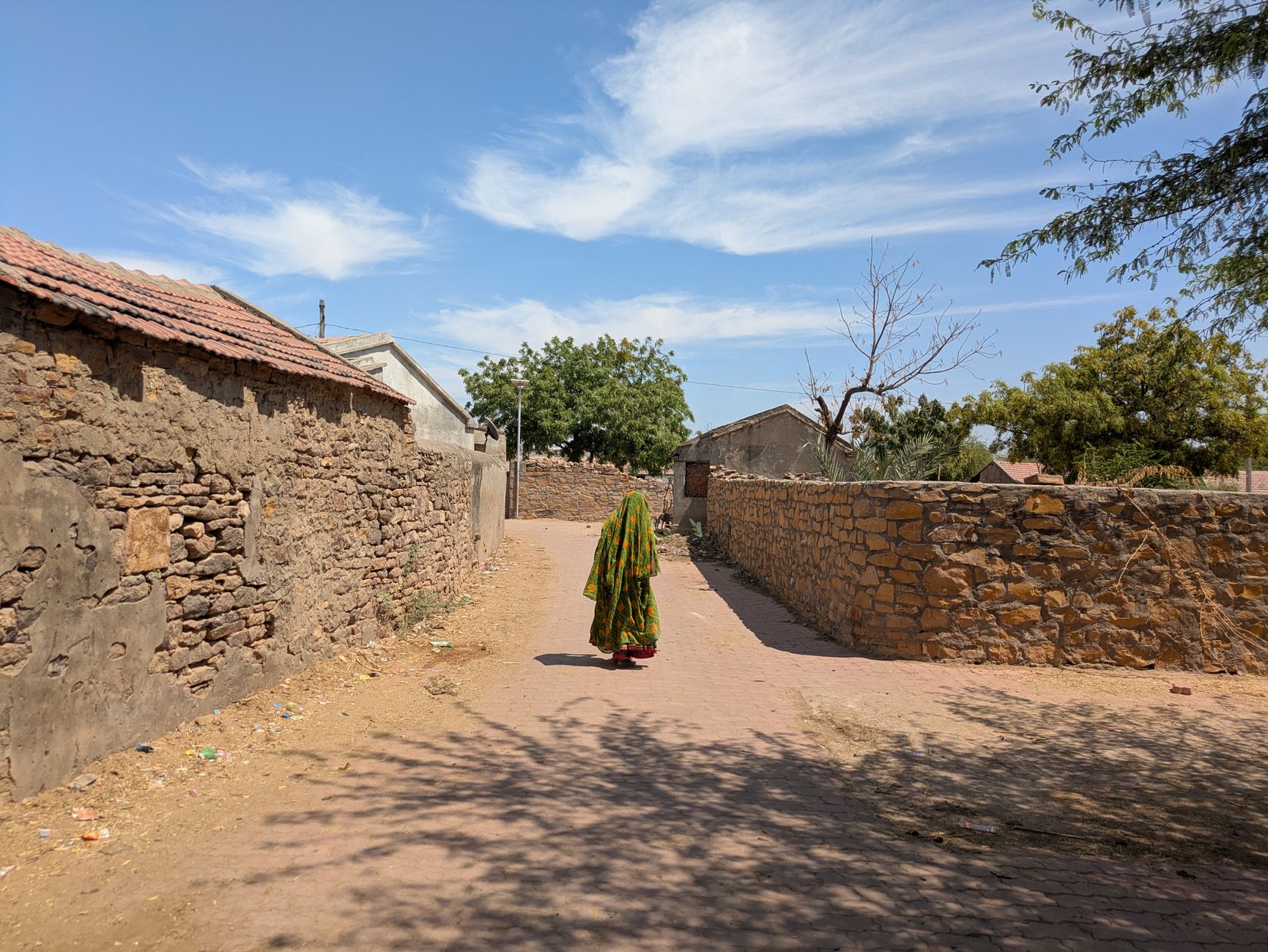
Public transportation options in Savad are limited. Buses are the primary mode of public transport. However, the frequency and coverage of bus services need improvement. The development of more efficient and reliable public transportation is a priority.
Connectivity to Vadodara is a key factor driving Savad's growth. The ease of access to Vadodara's job markets, educational institutions, and healthcare facilities makes Savad an attractive residential location. Improved connectivity will further enhance Savad's appeal.
Future infrastructure projects planned for Savad include the construction of new roads, the expansion of water supply networks, and the upgrading of power infrastructure. These projects are essential for supporting the area's growth and improving the quality of life for residents. https://pmgatishakti.gov.in/
Social Infrastructure and Amenities
Social infrastructure shapes enhancing the quality of life in Savad. This includes schools, hospitals, and other social amenities. Access to quality education and healthcare supports a healthy and prosperous community.
Schools in Savad provide education at various levels, from primary to secondary. The availability of good quality schools is a major attraction for families considering moving to Savad. However, there is a need for more schools to cater to the growing population.
Hospitals and healthcare facilities in Savad provide essential medical services to residents. Access to timely and quality healthcare matters for maintaining the health and well being of the community. More hospitals and clinics are needed to meet the increasing demand.
Community centers and recreational facilities are important social amenities. These facilities provide spaces for social interaction, community events, and recreational activities. The development of more such facilities will enhance the social fabric of Savad.
Parks and green spaces contribute to the overall quality of life. These spaces provide opportunities for outdoor recreation, relaxation, and connection with nature. The development of more parks and green spaces is a priority.
Access to banking and financial services is needed for economic activity. Banks and ATMs provide convenient access to financial services for residents and businesses. The availability of these services supports economic growth.
Provision of adequate social infrastructure is important for sustainable development. As Savad grows, it is essential to invest in schools, hospitals, community centers, and other amenities. This will ensure that the community remains a desirable place to live and work. NITI Aayog emphasizes the importance of social infrastructure for inclusive growth. https://niti.gov.in/
Land Records and Title Verification
Verifying land titles is a crucial step in any property transaction. This process ensures that the seller has clear ownership of the property. It also protects the buyer from potential legal disputes.
Accessing land records is necessary for title verification. In Gujarat, land records are maintained by the Revenue Department. These records provide information about land ownership, land use, and other relevant details.
The process of title verification involves several steps. First, the buyer needs to obtain copies of the land records. Then, they need to verify the identity of the seller and ensure that they are the rightful owner of the property. Finally, they need to check for any encumbrances or legal claims on the property.
Encumbrances are any legal claims or liabilities on the property. These can include mortgages, liens, or pending lawsuits. It is essential to check for encumbrances before purchasing a property.
The Digital India Land Records Modernization Programme (DILRMP) aims to modernize and streamline land records management. This program seeks to digitize land records, improve transparency, and reduce the risk of disputes. The program also facilitates online access to land records. https://dolr.gov.in/
Legal advice is recommended during the title verification process. A lawyer can help the buyer understand the land records and identify any potential risks. They can also assist with drafting the sale agreement and completing the registration process.
Maintaining accurate and up to date land records supports good governance. This ensures transparency, reduces corruption, and promotes investment. The DILRMP contributes to achieving these goals.
Practical Steps for Land Record Verification:
- Obtain Land Records: Get copies of 7/12 extract (Record of Rights) and property card from the local land record office.
- Verify Ownership: Match the owner's name on the documents with the seller's identity proof.
- Check for Encumbrances: Conduct a search for any registered mortgages, liens, or court orders against the property. Visit the sub registrar's office for this.
- Inspect the Property: Physically inspect the property to verify its boundaries and condition.
- Consult a Lawyer: Seek legal advice to review the documents and ensure a clear title.
- Public Notice: Consider publishing a public notice in a local newspaper to invite any claims or objections to the title.
Economic Engine and Commuter Patterns
Savad's local economy is primarily driven by agriculture and small scale industries. Agriculture provides livelihoods for a significant portion of the population. Small scale industries contribute to local employment and economic activity.
Proximity to Vadodara's industrial belt has a significant impact on Savad's economy. The industrial belt creates employment opportunities for residents of Savad. It also drives demand for goods and services in Savad.
Commuter patterns indicate a significant flow of workers between Savad and Vadodara. Many residents of Savad commute to Vadodara for work. This demonstrates the economic integration between the two areas.
The growth of Vadodara's IT sector is also impacting Savad. The IT sector is creating new employment opportunities and driving demand for housing in the surrounding areas. Savad is benefiting from this growth.
Future economic prospects for Savad are promising. The area is expected to benefit from continued industrial expansion in Vadodara. Improved infrastructure and connectivity will further boost economic activity.
The development of local businesses significantly affects Savad's economic growth. Supporting local entrepreneurs and small businesses will create jobs and diversify the economy. This requires access to financing, training, and other resources.
Sustainable economic development is a key consideration. Balancing economic growth with environmental protection is essential. This requires promoting sustainable business practices and investing in green technologies.
Investment and ROI in Savad
Land price trends in Savad have been steadily increasing in recent years. This is driven by factors such as increasing urbanization, improved infrastructure, and proximity to Vadodara. Investing in land in Savad offers potential for significant returns.
The investment outlook for Savad is positive. The area is expected to experience continued growth in the coming years. This growth will be driven by industrial expansion, infrastructure development, and increasing urbanization.
Strategic analysis of investment opportunities requires careful consideration of various factors. These factors include location, zoning regulations, infrastructure availability, and market trends. A thorough due diligence process is essential.
Risk factors associated with investing in Savad include regulatory changes, market fluctuations, and infrastructure delays. It is important to assess these risks and develop mitigation strategies. Diversification of investments can help reduce risk.
Return on investment (ROI) in Savad can vary depending on the type of investment and the market conditions. Land investments typically offer higher potential returns compared to residential properties. However, they also carry higher risks.
Long term investment horizons are generally recommended for real estate investments in Savad. Real estate investments tend to appreciate over time, providing long term capital gains. A patient approach is needed for maximizing returns.
Comparing Savad to other investment destinations in Gujarat requires careful analysis. Factors to consider include location, growth potential, infrastructure, and regulatory environment. Savad offers a unique blend of affordability and growth potential.
Calculating ROI for real estate investments:
- Purchase Price: The initial cost of the property, including all associated fees.
- Rental Income (if applicable): Annual rental income received from the property.
- Operating Expenses: Annual expenses like property taxes, insurance, and maintenance.
- Net Operating Income (NOI): Rental Income minus Operating Expenses.
- Appreciation: Increase in property value over the investment period.
- ROI Calculation: (Net Operating Income + Appreciation) / Purchase Price * 100. This gives the percentage ROI.
Conclusion
Savad presents a compelling case for property buyers and investors seeking opportunities in a growing peri urban area near Vadodara, Gujarat. Its strategic location, coupled with planned infrastructure developments and a growing economy, makes it a promising investment destination. A thorough understanding of the factors outlined in this guide, including land records, zoning regulations, and market trends, is necessary for making informed and successful real estate decisions.