Mumbai City DP Development Plan & Land Investment Guide
Executive Summary
Mumbai, formerly known as Bombay, is a major metropolis in Maharashtra, India. It’s located on the west coast and is known as the financial, commercial, and entertainment capital of the country. The city has a rich history, evolving from seven islands inhabited by Koli fishermen to a global economic hub.
Mumbai's growth has been driven by its strategic location, port, and economic opportunities. The Municipal Corporation of Greater Mumbai (MCGM) manages the city's infrastructure and services. This includes water supply, waste management, sewerage, storm water drains, education, public health, gardens, and roads.
The city's Development Plan (DP) guides its future growth. This includes regulations for FSI (Floor Space Index) and zoning. Key infrastructure projects aim to improve connectivity and quality of life. These projects address challenges of population density and urbanization.
Real estate investment in Mumbai can be lucrative, but it requires careful planning. Understanding land records, market trends, and regulations is very important. The city offers a mix of opportunities for both residential and commercial property.
Mumbai City Development Plan: A Comprehensive Guide for Property Buyers and Investors
Mumbai, the City of Dreams, is a vibrant and ever evolving metropolis. Understanding its Development Plan (DP) significantly affects anyone looking to invest in property or buy a home here. This guide breaks down the key aspects of the Mumbai City DP. We aim to give potential buyers and investors a clear picture of the city’s growth trajectory.
Location and Geographical Overview
Mumbai is located on the west coast of India, in the state of Maharashtra. It's a sprawling city situated on a peninsula jutting into the Arabian Sea. Historically, it was an archipelago of seven islands inhabited by the Koli fishing community. These islands were later merged through land reclamation projects.
The city is a major port and a natural harbor. This has been a key factor in its historical and economic development. Mumbai is the state capital of Maharashtra and a crucial link between India and the rest of the world.
The city's arterial connectivity is robust. It includes a network of roads, railways, and waterways. The Mumbai Suburban Railway is the lifeline for millions of commuters. Major highways connect Mumbai to other parts of India. The Chhatrapati Shivaji Maharaj International Airport is one of the busiest in the country. The Mumbai Trans Harbour Sea Link is improving connectivity to Navi Mumbai.
Mumbai follows a zoning system that divides the city into different areas. These areas are designated for residential, commercial, industrial, and recreational purposes. The zoning regulations dictate what type of development can occur in each zone. This includes building heights, land use, and permitted activities.
The Mumbai Metropolitan Region (MMR) includes Mumbai and its surrounding areas. Planning for the MMR is coordinated to ensure sustainable development. This helps address the challenges of rapid urbanization. NITI Aayog has a major impact on guiding development policies at the national level. [AUTHORITY_LINK: https://niti.gov.in/
The Development Plan (DP) 2034 is the current master plan for Mumbai. It outlines the city's development goals and strategies for the next decade. It focuses on sustainable development, affordable housing, and infrastructure upgrades. The DP 2034 aims to improve the quality of life for all residents.
Mumbai is a major industrial and commercial hub. It hosts a wide range of industries including finance, entertainment, textiles, and manufacturing. The city's industrial corridors contribute significantly to the national economy. These corridors attract investment and generate employment opportunities. This drives demand for housing and commercial properties in the surrounding areas.
Historical Growth and Future Scenarios
Mumbai's history is rooted in its origins as a collection of seven islands inhabited by Koli fishermen. Over centuries, various dynasties ruled the region. However, the arrival of the Portuguese in the 16th century marked a turning point. They acquired the islands in 1534 from the Sultans of Gujarat.
In 1661, the islands were gifted to King Charles II of England as part of a dowry. He then leased them to the East India Company. The British recognized the islands' potential as a trading hub. They invested in infrastructure and connected the islands through causeways and land reclamation. This led to the formation of a single landmass.
The Municipal Corporation was formally established in 1872. This further spurred the city's development as a center for finance, trade, and industry. After India gained independence in 1947, Mumbai continued to grow rapidly. This was driven by migration from other parts of the country.
Today, Mumbai faces the challenge of balancing rapid growth with sustainable development. The city's population density is among the highest in the world. This puts pressure on infrastructure, housing, and public services.
Future scenarios for Mumbai involve addressing these challenges through strategic planning. The Development Plan 2034 focuses on creating more affordable housing, improving transportation, and enhancing green spaces. The plan also aims to promote economic growth while protecting the environment.
The Digital India Land Records Modernization Programme is helping to modernize land records. This will reduce disputes and streamline property transactions. [AUTHORITY_LINK: https://dolr.gov.in/ This is necessary for managing growth and ensuring transparency in the real estate sector.
The Mumbai Trans Harbour Sea Link is an example of infrastructure projects that will shape the city's future. It will improve connectivity and reduce traffic congestion. This supports economic growth and improves quality of life.
Planning and Governance: FSI, Zoning, and Master Plan Alignment
FSI, or Floor Space Index, is a key tool used in urban planning. It regulates the amount of construction allowed on a plot of land. FSI is calculated by dividing the total built up area by the plot area. Higher FSI allows for taller buildings and greater density. FSI regulations in Mumbai vary depending on the location and type of development.
Zoning rules divide the city into different zones. Each zone has specific regulations for land use. These rules dictate what types of activities are allowed. They also cover building heights, setbacks, and parking requirements. Zoning helps to ensure orderly development and prevent conflicts between different land uses.
The Development Plan (DP) is the master plan for Mumbai's growth. It provides a framework for land use, infrastructure development, and environmental protection. The DP is prepared by the Municipal Corporation of Greater Mumbai (MCGM). It is updated periodically to reflect changing needs and priorities.
The DP 2034 is the current master plan for Mumbai. It focuses on creating more affordable housing, improving transportation, and enhancing green spaces. The plan also aims to promote economic growth and create employment opportunities. The DP aims to make Mumbai a more livable and sustainable city.
All development projects in Mumbai must align with the DP and zoning regulations. This ensures that new construction is consistent with the city's overall vision. The approval process for development projects involves multiple agencies. These agencies review the plans for compliance with regulations.
PM Gati Shakti is a national master plan for infrastructure development. [AUTHORITY_LINK: https://pmgatishakti.gov.in/ It aims to improve coordination between different government agencies. It ensures that infrastructure projects are planned and implemented efficiently. This initiative supports Mumbai's growth by enhancing connectivity and reducing logistical bottlenecks.
The Ministry of Housing and Urban Affairs also shapes guiding urban development in India. [AUTHORITY_LINK: https://mohua.gov.in/ It provides policy guidance, funding, and technical assistance to state and local governments. This helps to promote sustainable and inclusive urban growth.
Understanding FSI, zoning rules, and the DP supports property buyers and investors. It helps them to make informed decisions. It also ensures that their projects comply with regulations.
Physical Infrastructure and Connectivity
Mumbai's infrastructure faces significant challenges due to its high population density. Providing adequate water supply, power, and transportation is a constant effort. The MCGM is responsible for managing and upgrading the city's infrastructure. This includes water supply, sewerage, and storm water drainage.
The city sources its water from various reservoirs located outside Mumbai. These reservoirs are connected to the city through a network of pipelines. The MCGM works to reduce water losses and improve the efficiency of water distribution.
Mumbai's power supply is managed by both public and private companies. These companies generate and distribute electricity to residential, commercial, and industrial consumers. Efforts are being made to increase the use of renewable energy sources. This helps reduce the city's carbon footprint.
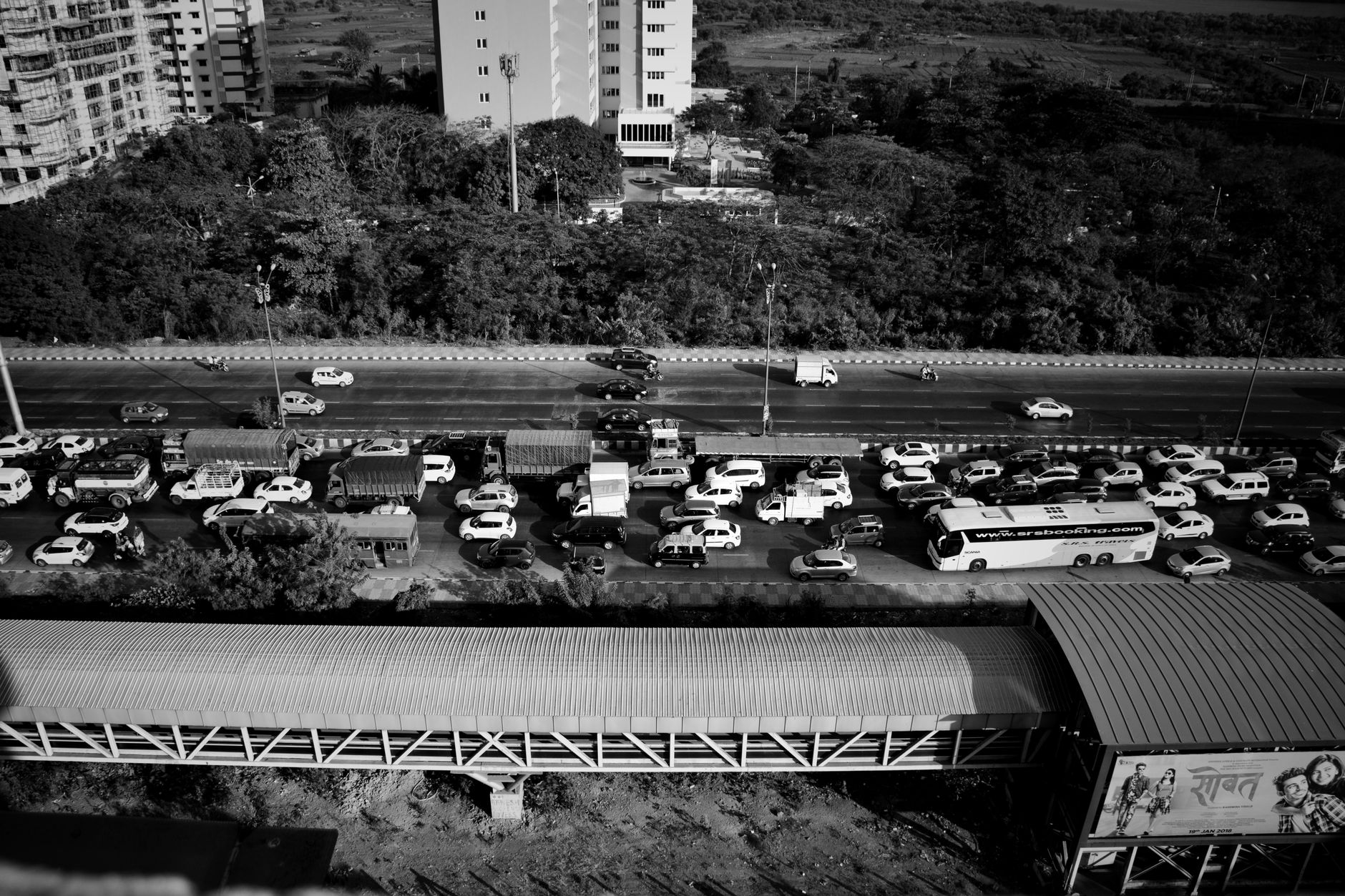
The city's road network is extensive but often congested. The Mumbai Suburban Railway is the primary mode of transportation for millions of commuters. The Mumbai Metro is expanding to provide additional transportation options. Several flyovers and underpasses have been constructed to ease traffic flow.
Connectivity matters for Mumbai's economic growth and quality of life. The Mumbai Trans Harbour Sea Link is a major infrastructure project that will improve connectivity between Mumbai and Navi Mumbai. This will reduce travel time and ease congestion on existing routes.
The Chhatrapati Shivaji Maharaj International Airport is one of the busiest in India. It connects Mumbai to destinations around the world. The airport is undergoing expansion to increase its capacity and improve passenger experience.
The Mumbai Port Trust is one of the oldest and busiest ports in India. It handles a large volume of cargo. This supports the city's trade and commerce.
Upgrading infrastructure is a continuous process in Mumbai. These upgrades are essential for supporting economic growth, improving quality of life, and ensuring sustainable development.

Social Infrastructure: Schools, Hospitals, and Amenities
Mumbai has a wide range of schools, hospitals, and social amenities to serve its diverse population. The quality and accessibility of these services vary across different parts of the city.
The MCGM runs a large number of public schools that provide primary and secondary education. Private schools also play a significant role in the city's education system. These schools offer a variety of curricula and educational approaches.
Mumbai has a mix of public and private hospitals. These hospitals provide a range of medical services, from basic healthcare to specialized treatments. The MCGM operates several major hospitals and healthcare centers. These provide affordable medical care to residents.
Social amenities in Mumbai include parks, gardens, recreational facilities, and cultural centers. The city has several iconic landmarks. These include the Gateway of India, the Chhatrapati Shivaji Maharaj Terminus, and Marine Drive.
The MCGM maintains a number of public gardens and playgrounds. These provide green spaces for recreation and relaxation. The Sanjay Gandhi National Park offers a large protected area for nature lovers.
Access to social infrastructure is needed for the well being of residents. Efforts are being made to improve the quality and accessibility of schools, hospitals, and amenities in all parts of the city.
The Development Plan 2034 emphasizes the importance of providing adequate social infrastructure. This ensures that all residents have access to essential services. This contributes to a higher quality of life.
The government is also promoting initiatives to improve education and healthcare outcomes. These initiatives include programs to improve teacher training, upgrade school infrastructure, and expand access to healthcare services. These efforts will enhance the overall quality of life for Mumbai's residents.
Land Records and Title Verification: A Practical Guide
Verifying land titles and understanding land records is crucial when buying property in Mumbai. This process helps to ensure that you are purchasing a property with a clear and marketable title. It also protects you from potential legal disputes.
The first step is to obtain the relevant land records from the government authorities. These records include the property card (7/12 extract), index II, and the city survey plan. The property card provides information about the ownership of the property. The index II is a record of all transactions related to the property. The city survey plan shows the location and boundaries of the property.
Next, you should conduct a title search to trace the history of ownership of the property. This involves examining the land records for the past several years. This helps to identify any potential claims or encumbrances on the property.
It is advisable to hire a lawyer to conduct the title search and verify the land records. A lawyer can help you to interpret the legal documents. They can also identify any potential issues with the title.
You should also obtain a non encumbrance certificate (NEC) from the sub registrar's office. This certificate confirms that there are no registered encumbrances on the property. This includes mortgages, liens, or court orders.
Once you are satisfied with the title verification process, you can proceed with the property transaction. It is important to execute a sale agreement with the seller. This agreement should clearly state the terms and conditions of the sale.
After the sale, you should register the property in your name with the sub registrar's office. This is essential to transfer the ownership of the property to you. You should also pay the necessary stamp duty and registration fees.
The Digital India Land Records Modernization Programme is making it easier to access land records online. This program is modernizing land record systems. This will improve transparency and reduce the risk of fraud.
Following these steps will help to protect your investment and ensure a smooth property transaction. Due diligence is essential when buying property in Mumbai.
Local Economy, Industries, and Commuter Patterns
Mumbai is the economic powerhouse of India. It contributes significantly to the country's GDP. The city is a major center for finance, commerce, entertainment, and manufacturing.
The financial sector is a key driver of Mumbai's economy. The city is home to the Reserve Bank of India, the Bombay Stock Exchange, and numerous national and international banks. Many financial institutions and corporations are based in Mumbai.
The entertainment industry, including Bollywood, is a significant employer in Mumbai. It generates substantial revenue. The city is also a hub for media, advertising, and other creative industries.
Manufacturing industries, such as textiles, pharmaceuticals, and engineering, are also important to Mumbai's economy. These industries provide employment opportunities and contribute to the city's exports.
Mumbai's economy is supported by a large and diverse workforce. Many people commute to Mumbai from surrounding areas for work. The Mumbai Suburban Railway is the lifeline for these commuters.
Commuter patterns in Mumbai are characterized by a high volume of traffic during peak hours. The city is working to improve its transportation infrastructure. This will reduce congestion and ease the commute for residents.
The Development Plan 2034 aims to promote economic growth and create employment opportunities. This includes attracting investment in key sectors. It also supports the development of small and medium sized enterprises.
The local economy in Mumbai is dynamic and competitive. The city offers a wide range of opportunities for businesses and entrepreneurs. The government is working to create a favorable business environment. This promotes innovation and investment.
Understanding the local economy, industries, and commuter patterns is important for property buyers and investors. This helps them to identify areas with high growth potential.
Investment and ROI: Land Price Trends and Strategic Analysis
Investing in real estate in Mumbai can be a lucrative opportunity. However, it requires careful planning and due diligence. Land prices in Mumbai are among the highest in India. These prices vary significantly depending on the location, type of property, and market conditions.
Land price trends in Mumbai have generally been upward over the long term. However, there have been periods of price correction and consolidation. Factors that influence land prices include infrastructure development, economic growth, and government policies.
The investment outlook for real estate in Mumbai is generally positive. The city's strong economy, growing population, and infrastructure improvements drive demand for housing and commercial properties.
Strategic analysis is necessary for making informed investment decisions. This involves assessing the potential risks and rewards of different investment opportunities. It also includes understanding the regulatory environment and market dynamics.
When investing in Mumbai real estate, it is important to consider factors such as location, connectivity, amenities, and the potential for future appreciation. Investing in areas with good infrastructure and access to transportation is typically a good strategy.
It is also important to conduct thorough due diligence before making any investment. This includes verifying land titles, obtaining necessary approvals, and assessing the financial viability of the project.
Real estate investment in Mumbai can generate attractive returns over the long term. However, it is important to have a long term investment horizon. Market conditions can fluctuate. It's crucial to make informed decisions based on careful analysis.
Working with experienced real estate professionals is recommended. These professionals have a deep understanding of the local market. They can provide valuable guidance and support.
The Development Plan 2034 provides a framework for sustainable development in Mumbai. This will help to create a more stable and predictable investment environment. This supports the long term growth of the real estate market.
Here is a sample table of property price trends (hypothetical data):
| Area | 2022 (Rs/sq ft) | 2023 (Rs/sq ft) | Change (%) |
|---|---|---|---|
| South Mumbai | 80,000 | 85,000 | 6.25 |
| Bandra | 60,000 | 63,000 | 5.00 |
| Andheri | 40,000 | 42,000 | 5.00 |
| Borivali | 25,000 | 26,000 | 4.00 |
This table shows a hypothetical increase in property prices across different areas of Mumbai. Actual prices may vary.
Conclusion
Mumbai's Development Plan is a roadmap for its future. It guides growth and investment. For property buyers and investors, understanding this plan is essential. This knowledge helps make informed decisions. working through Mumbai's real estate market requires diligence. It demands awareness of regulations. With the right approach, investing in Mumbai can be rewarding. The city continues to offer unique opportunities. Mumbai offers great potential for growth.