Executive Summary
Sindi, also known as Sindi Turf Wardha, is a town in the Wardha district of Maharashtra. It's an important area for investors to consider. It has potential for growth and development. The town's location and connectivity make it a promising place for property investment. We'll look at what makes Sindi a good option for buyers and investors. This guide explores the town's history, planning, infrastructure, and economic drivers. It will provide a comprehensive overview of the area.
Sindi has seen growth over the years. The town's future looks bright with planned developments. Understanding its past helps predict its future potential. Government plans and regulations will shape its growth. Knowing these plans is important for making informed decisions.
Good infrastructure is key to Sindi's growth. This includes reliable water, power, and road networks. Connectivity to other cities is also important. Good social infrastructure, like schools and hospitals, adds to the quality of life. These factors make Sindi an attractive place to live and invest.
Checking land records is crucial before investing in property. This guide will explain the steps involved in verifying land titles. Understanding the local economy helps investors see potential opportunities. Nearby industries and commuter patterns influence property values.
Land prices in Sindi are changing. Understanding these trends helps investors make smart choices. This guide will give you a strategic analysis of the investment outlook. It will help you assess the risks and rewards of investing in Sindi.
Sindi: Location, Geography and Strategic Importance
Sindi Turf Wardha, often simply called Sindi, is located in the Wardha district of Maharashtra. Wardha district is in the eastern part of the state, a region with rich agricultural land and growing industrial influence. Sindi sits approximately 70 kilometers southwest of Nagpur, a major urban center. This proximity is a key factor in Sindi's growth potential, providing access to a larger market and workforce. The town is situated on the banks of the Wardha River, which supplies water for agriculture and domestic use.
Sindi benefits from its connectivity to major transportation routes. National Highway 44 (NH44), also known as the North South Corridor, passes near the town. This highway provides access to major cities like Nagpur to the north and Hyderabad to the south. State Highway 247 also connects Sindi to other important towns and cities within the Wardha district and beyond. These roads facilitate the movement of goods and people, boosting the local economy. This makes Sindi a convenient location for businesses and residents.
Sindi is under the jurisdiction of the Wardha Municipal Council for administrative purposes. The town's development is guided by local zoning regulations and the broader development plans for the Wardha district. These plans outline permissible land uses, building regulations, and infrastructure development projects. Understanding these regulations significantly affects property developers and investors. The local authorities aim to promote sustainable and planned growth in Sindi.
The Maharashtra Industrial Development Corporation (MIDC) has established industrial areas near Sindi. This has attracted industries related to agriculture, textiles, and manufacturing. The presence of these industries provides employment opportunities for local residents and drives economic growth in the region. The industrial corridor effect creates a demand for housing, commercial spaces, and other amenities, making Sindi an attractive investment destination. This industrial activity contributes to the overall development of the town.
The planned development for Sindi is guided by the Development Plan (DP) 2030/2040 for Wardha district. This plan outlines the long term vision for the region's growth. It includes proposals for land use zoning, infrastructure upgrades, and environmental conservation. The DP aims to create a well balanced and sustainable urban environment. It addresses the needs of the growing population and promotes economic prosperity. Investors should consult the DP to understand the future development potential of different areas within Sindi. The DP is a key document for anyone planning to invest in the region.
Historical Growth and Future Scenarios
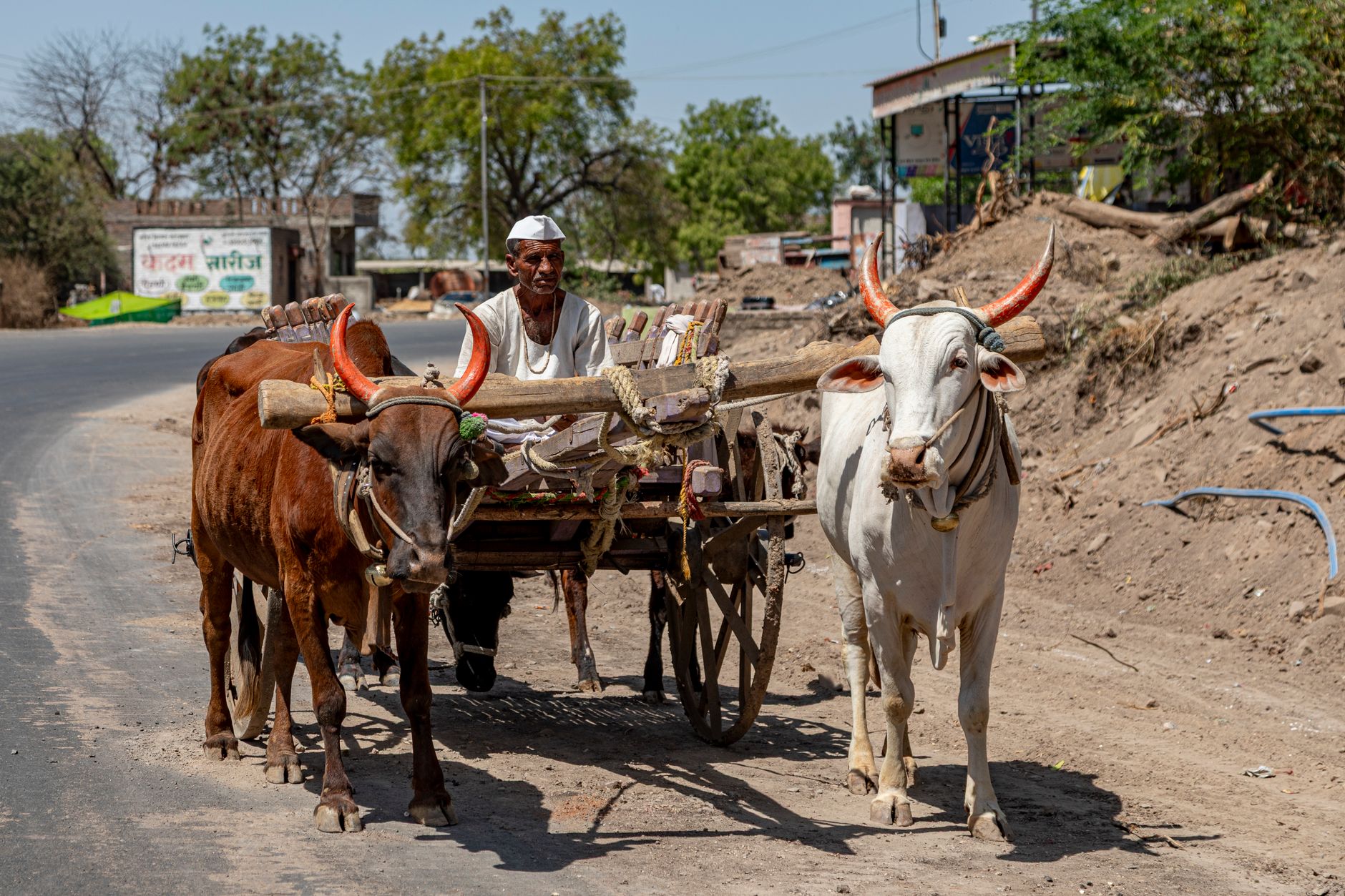
Sindi's growth has been influenced by agriculture and its strategic location. Historically, the area was primarily an agricultural region. Farmers cultivated cotton, soybeans, and other crops. The town served as a local trading center for agricultural produce. The construction of major roads and highways improved connectivity, leading to increased trade and commerce. This connectivity spurred the growth of small businesses and industries.
In recent years, Sindi has experienced a shift towards industrialization and urbanization. The establishment of MIDC industrial areas nearby has attracted manufacturing and processing units. This industrial growth has created new employment opportunities, drawing people from surrounding rural areas. As a result, the town's population has grown, leading to increased demand for housing and services. This growth has presented both opportunities and challenges for urban planning and development.
Analyzing historical growth patterns helps to predict future scenarios for Sindi. If industrial growth continues, the town's population is likely to increase further. This will require investments in infrastructure, such as water supply, sanitation, and transportation. The demand for housing will also rise, creating opportunities for real estate developers. However, unplanned growth could lead to problems such as traffic congestion, pollution, and inadequate public services.
Several factors could influence Sindi's future growth trajectory. Government policies and investments in infrastructure will play a crucial role. The success of nearby industrial areas will also impact the town's economy. Changes in agricultural practices and climate patterns could affect the local economy and population. Careful planning and sustainable development practices are essential to ensure that Sindi grows in a balanced and prosperous manner.
Considering different growth scenarios is important for investors and policymakers. A high growth scenario would involve rapid industrialization and urbanization. This would create significant opportunities for real estate development and infrastructure investment. A moderate growth scenario would involve a more gradual pace of development. This would require a focus on improving existing infrastructure and services. A low growth scenario could result from economic stagnation or environmental challenges. This would require a focus on diversification and resilience.
Planning and Governance: FSI, Zoning and Master Plan
Understanding planning regulations is necessary for property investment in Sindi. These regulations dictate what can be built and where. They also impact the value of land and property. Two key aspects of planning are Floor Space Index (FSI) and zoning regulations. The Development Plan guides all planning decisions.
FSI, also known as Floor Area Ratio (FAR), is the ratio of the total built up area of a building to the size of the plot of land it is built on. For example, an FSI of 1 means that you can build a structure with a total floor area equal to the size of the plot. A higher FSI allows for more construction on the same piece of land. The FSI in Sindi varies depending on the location and type of land use. Residential areas typically have lower FSI values compared to commercial or industrial zones.
Zoning regulations divide the town into different zones based on land use. These zones specify the types of activities that are permitted in each area. Common zones include residential, commercial, industrial, agricultural, and public use. Zoning regulations also dictate building height, setbacks, and other development standards. These rules help to ensure that development is orderly and compatible with the surrounding environment.
The Development Plan (DP) is a comprehensive document that guides the long term development of Sindi. It outlines the vision for the town's future and provides a framework for land use, infrastructure, and environmental management. The DP includes maps showing the proposed land use zones, transportation networks, and public facilities. It also includes policies and guidelines for development. The DP is prepared by the local planning authority and is subject to periodic review and updates.
The DP for Wardha district, including Sindi, is typically valid for 20 years. The current DP is often referred to as DP 2030/2040. This plan outlines the long term development goals for the region. It aims to promote sustainable and inclusive growth. Investors should consult the DP to understand the future development potential of different areas within Sindi.
Aligning your investment plans with the DP is crucial. Building approvals and permits are granted based on compliance with the DP and zoning regulations. Developing land in accordance with the DP can enhance its value and attractiveness. Failure to comply with planning regulations can result in delays, fines, or even demolition of unauthorized structures. Therefore, it is essential to conduct thorough due diligence before investing in property. You should verify that the proposed development is permissible under the DP and zoning regulations.
The Ministry of Housing and Urban Affairs provides guidance and support to states and cities in preparing and implementing development plans. This includes promoting best practices in urban planning and governance. Their website (https://mohua.gov.in/) provides valuable information on urban planning initiatives and policies. This can assist investors in understanding the regulatory environment.
Physical Infrastructure and Connectivity
Good physical infrastructure supports the growth and development of any town. This includes reliable water supply, electricity, roads, and transportation networks. Sindi's infrastructure drives attracting investment and improving the quality of life for its residents. Understanding the current state of infrastructure and planned upgrades is important for property investors.
Water supply in Sindi is primarily sourced from the Wardha River. The local authorities operate water treatment plants to ensure that the water is safe for drinking and domestic use. However, water supply can be a challenge during the dry season. The authorities are working on improving water infrastructure to meet the growing demand. This includes expanding treatment capacity and reducing water losses.
Electricity is supplied to Sindi by the Maharashtra State Electricity Distribution Company Limited (MSEDCL). The town is connected to the state grid, ensuring a reliable power supply for homes, businesses, and industries. However, power outages can occur occasionally. The authorities are investing in upgrading the power distribution network to improve reliability and reduce losses.
Roads are the primary mode of transportation in and around Sindi. National Highway 44 (NH44) passes near the town, providing connectivity to major cities like Nagpur and Hyderabad. State Highway 247 also connects Sindi to other important towns and cities in the region. The local roads within Sindi are being improved to facilitate movement within the town.
Connectivity to other cities matters for economic growth. Sindi's proximity to Nagpur is a major advantage. Nagpur is a major transportation hub with an international airport and railway connections to all parts of India. The proposed Nagpur Mumbai Super Communication Expressway, also known as the Samruddhi Mahamarg, will further improve connectivity to Mumbai. This expressway will reduce travel time and boost economic activity along the corridor.
The PM Gati Shakti National Master Plan (https://pmgatishakti.gov.in/) aims to improve infrastructure connectivity across India. This plan integrates various infrastructure projects, such as roads, railways, and waterways, to ensure seamless movement of goods and people. The plan aims to reduce logistics costs and improve economic competitiveness. Sindi stands to benefit from this initiative through improved connectivity and infrastructure development.
Social Infrastructure: Schools, Hospitals, and Amenities
Social infrastructure refers to the facilities and services that support the well being and quality of life of a community. This includes schools, hospitals, healthcare facilities, recreational areas, and other amenities. Good social infrastructure is needed for attracting residents and businesses to Sindi. It also contributes to the overall development of the town.
Access to quality education is a key factor for families considering moving to an area. Sindi has a number of schools, including both public and private institutions. These schools provide education at the primary and secondary levels. Parents have a choice of different educational philosophies and curricula. The availability of good schools enhances the attractiveness of Sindi as a place to live.
Healthcare facilities are another important component of social infrastructure. Sindi has a government hospital and several private clinics that provide basic medical services. For more specialized treatment, residents can travel to nearby cities like Wardha and Nagpur. The government is working on improving healthcare infrastructure in rural areas. This includes upgrading existing hospitals and establishing new primary health centers.
Social amenities include parks, playgrounds, community centers, and recreational facilities. These amenities provide opportunities for residents to relax, socialize, and engage in recreational activities. Sindi has a few parks and playgrounds. However, there is scope for improvement in this area. Investing in social amenities can enhance the quality of life and make Sindi a more attractive place to live.
The NITI Aayog (https://niti.gov.in/) influences promoting social development in India. It provides policy recommendations and guidance to the government on various social sector issues. This includes education, healthcare, and social welfare. The NITI Aayog also monitors the progress of various social development programs and initiatives.
Investing in social infrastructure is necessary for creating a vibrant and sustainable community. Good schools, hospitals, and social amenities attract residents and businesses. They also contribute to the overall well being and prosperity of the town. The local authorities should prioritize investments in social infrastructure to improve the quality of life in Sindi.
Land Records: Title Verification and Due Diligence
Verifying land titles is a critical step before investing in any property. This process ensures that the seller has clear ownership of the land. It also protects you from potential legal disputes or fraudulent transactions. Understanding the process of land record verification supports making safe and informed investment decisions.
The process of verifying land titles involves several steps. First, you need to obtain copies of the relevant land records from the local land revenue office. These records typically include the Record of Rights (ROR), also known as 7/12 extract, and the property card. The 7/12 extract provides information about the land owner, the area of the land, and any encumbrances on the property. The property card provides similar information for properties located within municipal areas.
Next, you need to examine the land records carefully to verify the ownership of the property. Check the name of the owner, the survey number, and the boundaries of the land. Also, look for any entries related to mortgages, liens, or other encumbrances. If there are any discrepancies or inconsistencies in the records, you should investigate further to resolve them.
You should also conduct a title search to trace the history of ownership of the property. This involves examining the land records for past transactions, such as sales, gifts, and inheritance. A title search can reveal any potential claims or disputes related to the property. It can also help you to identify any gaps in the chain of ownership.
It is advisable to engage a lawyer or a land surveyor to assist you with the process of land record verification. They can help you to interpret the land records, conduct a thorough title search, and identify any potential risks. They can also provide you with legal advice on how to protect your interests.
The Digital India Land Records Modernization Programme (DILRMP) (https://dolr.gov.in/) aims to digitize land records across India. This initiative will make it easier to access and verify land records online. It will also improve transparency and reduce the incidence of land related fraud. The DILRMP is being implemented in phases across different states.
The process of land record verification can be time consuming and complex. However, it is needed for protecting your investment. By conducting thorough due diligence and verifying the land titles, you can minimize the risk of legal disputes and ensure that you are making a safe and sound investment.
Economic Engine: Local Economy and Industries
Understanding the local economy is important for making informed investment decisions. The economic activity in Sindi influences property values and rental yields. It also affects the demand for housing and commercial spaces. This section provides an overview of the local economy and nearby industries.
Sindi's economy is primarily driven by agriculture and related industries. The surrounding areas are fertile agricultural lands, producing crops such as cotton, soybeans, and vegetables. Sindi serves as a trading center for these agricultural products. There are also several agricultural processing units located in and around the town. These units process cotton, soybeans, and other crops.
The presence of Maharashtra Industrial Development Corporation (MIDC) industrial areas nearby has boosted the local economy. These industrial areas attract manufacturing and processing units. These units provide employment opportunities for local residents. The industries in the MIDC areas include textiles, food processing, and engineering. The industrial activity contributes to the overall economic development of the region.
Commuter patterns also influence the local economy. Many residents of Sindi commute to nearby cities like Wardha and Nagpur for work. These cities offer a wider range of employment opportunities in various sectors. The daily commute creates a demand for transportation and other services in Sindi.
The growth of the local economy is linked to infrastructure development. Improved roads, transportation networks, and power supply can attract more industries and businesses to the area. Government policies and incentives also play a role in promoting economic growth. The local authorities are working on improving infrastructure and promoting investment in Sindi.
Analyzing the local economy can help investors identify potential opportunities. For example, the growth of the industrial sector may create a demand for housing for workers. The increasing population may also create a demand for commercial spaces and retail outlets. Understanding these trends can help investors make strategic decisions about where to invest their money.
Investment and ROI: Land Price Trends and Outlook
Land prices in Sindi are influenced by several factors. These factors include location, accessibility, infrastructure, and zoning regulations. Understanding these trends significantly affects making profitable real estate investments. This section provides an overview of land price trends and the investment outlook for Sindi.
Land prices in prime locations, such as near the national highway or in commercial areas, are typically higher. Accessibility to transportation and amenities increases the value of land. Land with good infrastructure, such as water supply, electricity, and roads, also commands a premium. Zoning regulations also affect land prices. Land zoned for commercial or industrial use is usually more valuable than land zoned for residential or agricultural use.
In recent years, land prices in Sindi have been increasing due to several factors. The growth of the industrial sector has created a demand for land for factories and warehouses. The increasing population has also driven up demand for housing. Improved connectivity to nearby cities has made Sindi a more attractive location for investment.
Analyzing land price trends can help investors identify potential opportunities. Identifying areas where land prices are undervalued can lead to significant returns on investment. Investing in land with potential for future development can also be profitable. However, it is important to conduct thorough due diligence and assess the risks involved.
The investment outlook for Sindi is positive. The town is experiencing economic growth and infrastructure development. The proximity to major cities like Nagpur and Wardha is a major advantage. The government is also promoting investment in the region through various policies and incentives.
To assess the investment outlook for Sindi, consider the following:
| Factor | Analysis |
|---|---|
| Infrastructure | Ongoing improvements in roads, water supply, and power supply. |
| Connectivity | Proximity to NH44 and planned expressway enhance accessibility. |
| Industrial Growth | MIDC areas attract manufacturing and processing units. |
| Population Growth | Increasing population drives demand for housing and services. |
| Government Support | Policies and incentives promote investment in the region. |
Investing in land and property in Sindi can be a profitable venture. However, it is important to conduct thorough research and due diligence. Understanding the local economy, land price trends, and planning regulations is necessary for making informed investment decisions. Consulting with local experts, such as real estate agents and lawyers, can also be helpful. By taking a strategic approach, investors can maximize their returns and minimize their risks.
Conclusion
Sindi Turf Wardha presents a promising landscape for property buyers and investors. Its strategic location, improving infrastructure, and growing economy make it an attractive destination. Understanding the town's history, planning regulations, and economic drivers matters for making informed investment decisions. By conducting thorough due diligence and seeking expert advice, investors can unlock the potential of Sindi's real estate market. The town's ongoing development and connectivity improvements position it for future growth. This growth offers opportunities for those looking to invest in property.