Executive Summary
Ratnagiri, Maharashtra, is a coastal city with growing investment potential. Its strategic location along the Arabian Sea and improving connectivity are key factors. Government initiatives and infrastructure projects are set to boost its economy. Understanding local regulations and land records is vital for property buyers.
Ratnagiri's history shows steady growth, and future development plans aim to enhance its infrastructure and economy. Key sectors include tourism, fisheries, and agriculture. Property values are expected to rise with improved connectivity and industrial development.
The city follows specific FSI and zoning regulations outlined in its development plan. This plan guides construction and land use within the city limits. Adherence to these regulations is important for property development.
Infrastructure upgrades are underway to improve water supply, power distribution, and road networks. Connectivity is enhanced by the Mumbai Goa highway and the proposed Konkan Railway expansion. These developments support economic growth and ease of living.
Ratnagiri offers a range of social amenities, including schools, hospitals, and recreational facilities. These amenities support the needs of its growing population. Access to quality education and healthcare is a key factor in attracting new residents.
Navigating land records requires careful title verification and adherence to legal procedures. The Digital India Land Records Modernization Programme aims to streamline this process. This helps ensure transparency and reduces the risk of property disputes.
Ratnagiri's economy benefits from its coastal location and proximity to industrial areas. Emerging industries and improved connectivity are creating new job opportunities. This economic growth is attracting investors and driving property demand.
Land prices in Ratnagiri have shown a steady increase, reflecting its growing appeal. Investing in property requires careful analysis of market trends and future development plans. Long term returns are promising given the city's growth potential.
Location and Geography
Ratnagiri is a coastal city located in the southwestern part of Maharashtra. It lies on the Arabian Sea coast, offering scenic beauty and a favorable climate. The city is the administrative headquarters of the Ratnagiri district.
Its geographical coordinates are approximately 16.99° North latitude and 73.31° East longitude. The city's topography includes hills, plateaus, and coastal plains. This varied landscape contributes to its unique character and tourism appeal.
Ratnagiri benefits from its strategic location along major transportation routes. The Mumbai Goa highway (NH-66) passes through the city, providing excellent road connectivity. The Konkan Railway also connects Ratnagiri to Mumbai and other major cities.
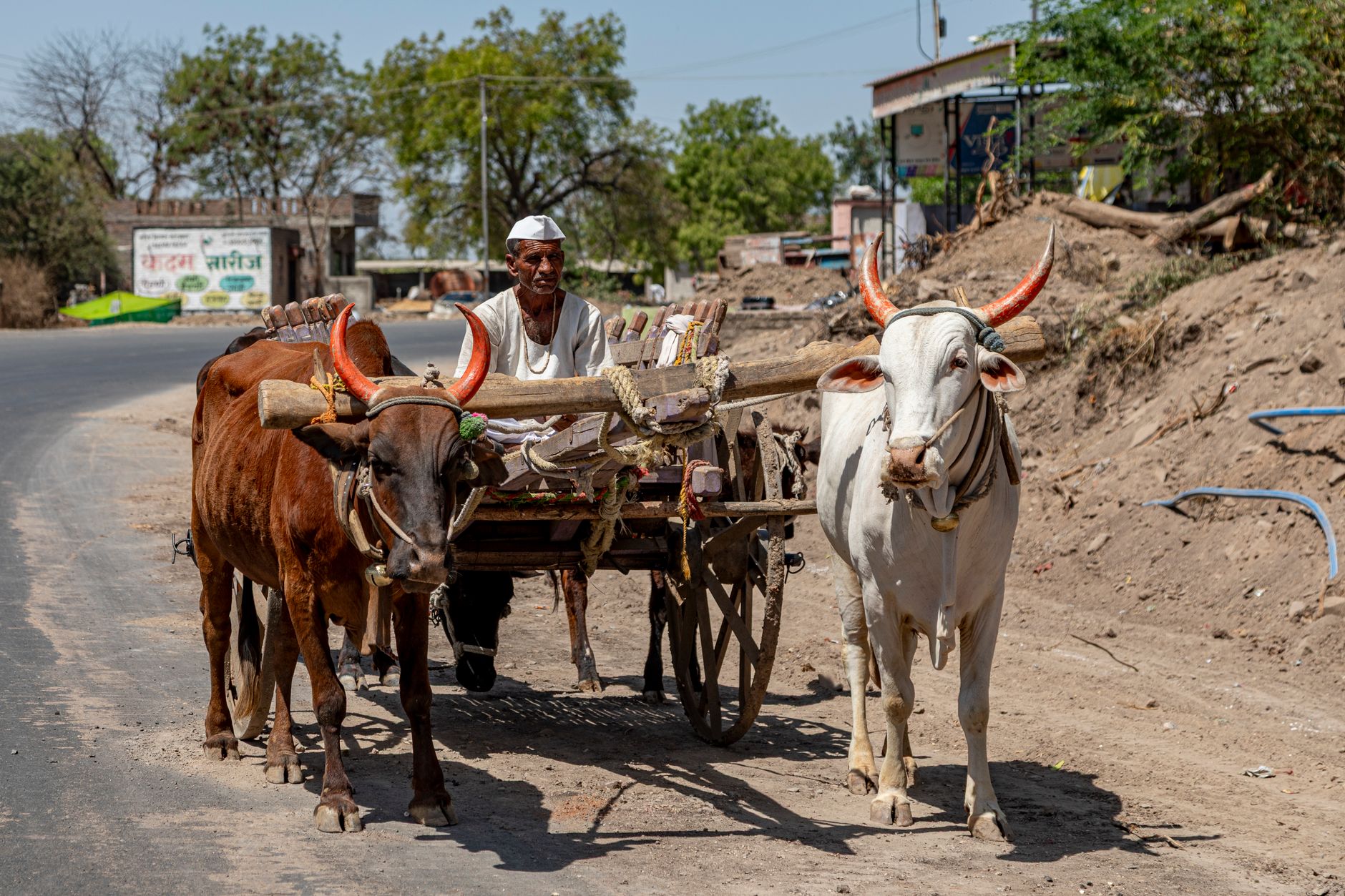
The city's arterial connectivity is being further enhanced by infrastructure projects. These projects aim to reduce travel time and improve logistics efficiency. Improved connectivity is vital for attracting investment and promoting economic growth.
The zoning regulations in Ratnagiri are designed to manage land use and promote sustainable development. The city's master plan (DP) outlines specific zones for residential, commercial, industrial, and agricultural activities. This helps ensure orderly growth and prevents haphazard development.
The Development Plan (DP) 2030/2040 provides a long term vision for Ratnagiri's growth. It addresses key issues such as housing, transportation, and infrastructure development. The DP aims to improve the quality of life for residents and promote economic prosperity.
The proposed Mumbai Goa industrial corridor is expected to have a significant impact on Ratnagiri. This corridor will attract new industries and create employment opportunities. It will also drive demand for residential and commercial properties in the region.
The industrial corridor's development will require careful planning and coordination. It's important to balance economic growth with environmental sustainability. This will ensure that Ratnagiri benefits from industrialization without compromising its natural resources. The PM Gati Shakti initiative drives planning and executing such integrated infrastructure projects. https://pmgatishakti.gov.in/
Ratnagiri's coastal location also makes it a hub for fishing and related activities. The fishing industry provides livelihoods for many local residents. Sustainable fishing practices are essential to protect marine resources and ensure the long term viability of this sector.
Ratnagiri is also known for its mangoes, particularly the Alphonso variety. Mango cultivation is a major agricultural activity in the region. The city's favorable climate and soil conditions are ideal for mango production.
Historical Growth and Future Scenarios
Ratnagiri has a rich history, having been ruled by various dynasties over the centuries. It served as an important port city during the Maratha Empire. The city's historical significance is reflected in its forts, temples, and other heritage sites.
Historically, Ratnagiri's economy was primarily based on agriculture, fishing, and trade. The city's port facilitated trade with other coastal regions and countries. Over time, new industries have emerged, diversifying the local economy.
In recent decades, Ratnagiri has experienced steady population growth and urbanization. Improved connectivity and economic opportunities have attracted people from surrounding areas. This growth has led to increased demand for housing, infrastructure, and services.
Future growth scenarios for Ratnagiri are largely dependent on infrastructure development and industrialization. The proposed industrial corridor and improved transportation networks are expected to drive economic expansion. This will create new job opportunities and attract further investment.
One possible future scenario involves significant industrial growth and urbanization. This would require careful planning to manage environmental impacts and ensure sustainable development. It would also necessitate investments in infrastructure and social services to accommodate the growing population.
Another possible scenario involves a more balanced approach, with a focus on tourism and sustainable agriculture. This would preserve the city's natural beauty and cultural heritage while still promoting economic growth. It would also require investments in eco tourism and sustainable farming practices.
The NITI Aayog's vision for regional development emphasizes sustainable and inclusive growth. Ratnagiri can benefit from aligning its development plans with this vision. This will ensure that economic growth is balanced with environmental protection and social equity. https://niti.gov.in/
Infrastructure projects such as the Mumbai Goa highway expansion are crucial for future growth. These projects will improve connectivity and reduce travel time, making Ratnagiri more accessible to investors and tourists. This will boost the local economy and create new opportunities.
Tourism is expected to play a significant role in Ratnagiri's future. The city's beaches, historical sites, and natural beauty make it an attractive destination for tourists. Promoting eco tourism and sustainable tourism practices will help preserve the city's environment and cultural heritage.
The development of the Konkan Railway has greatly improved connectivity and opened up new opportunities. Further expansion of the railway network would further enhance connectivity and boost economic growth. This would make Ratnagiri a more attractive destination for investment and tourism.
Planning and Governance
Ratnagiri's development is guided by a comprehensive master plan, also known as the Development Plan (DP). This plan outlines the vision for the city's growth and development over a specific period. It includes regulations for land use, construction, and infrastructure development.
The Floor Space Index (FSI), also known as Floor Area Ratio (FAR), is a key regulatory tool. It determines the maximum permissible built up area on a plot of land. The FSI varies depending on the zone and type of development.
Higher FSI values are typically allowed in commercial and residential zones in the city center. Lower FSI values are prescribed for areas with environmental sensitivities or heritage value. The FSI regulations aim to balance development with environmental protection.
Zoning regulations define the permitted land uses in different parts of the city. These regulations specify whether a particular area can be used for residential, commercial, industrial, or agricultural purposes. Zoning rules help prevent incompatible land uses and ensure orderly development.
The master plan aligns with the broader goals of the state government and national policies. It incorporates guidelines for sustainable development, environmental protection, and social inclusion. The plan is reviewed and updated periodically to reflect changing needs and priorities.
The Ministry of Housing and Urban Affairs (MoHUA) provides guidance and support for urban planning initiatives. Ratnagiri can benefit from adopting best practices and innovative approaches promoted by MoHUA. This will help ensure sustainable and inclusive urban development. https://mohua.gov.in/
Local governance influences implementing the master plan and enforcing regulations. The municipal corporation is responsible for providing basic services and managing urban development. Effective governance is necessary for ensuring that development is aligned with the plan's objectives.
Public participation is an important aspect of the planning process. Citizens have the opportunity to provide feedback on the master plan and development proposals. This helps ensure that development decisions are informed by the needs and concerns of the community.
The integration of technology and data analytics is transforming urban planning. Geographic Information Systems (GIS) and other tools are used to analyze spatial data and inform planning decisions. This helps ensure that development is based on evidence and best practices.
The Smart Cities Mission promotes the use of technology and innovation to improve urban services and quality of life. Ratnagiri can benefit from adopting smart city initiatives to address challenges such as traffic congestion, waste management, and water scarcity.
Physical Infrastructure and Connectivity
Ratnagiri's physical infrastructure includes water supply, power distribution, roads, and transportation networks. The quality and reliability of this infrastructure are essential for supporting economic growth and improving the quality of life.
Water supply is a critical issue in many coastal cities. Ratnagiri relies on various sources, including rivers and reservoirs, to meet its water needs. Efforts are underway to improve water distribution networks and reduce water losses.
Power distribution is also a key infrastructure component. Ratnagiri is connected to the state grid and receives electricity from various sources. Efforts are being made to upgrade power infrastructure and improve energy efficiency.
Roads and transportation networks are essential for connectivity. The Mumbai Goa highway (NH-66) passes through Ratnagiri, providing excellent road connectivity. The city also has a network of local roads that connect different parts of the city.
Connectivity is being further enhanced by infrastructure projects such as the Konkan Railway. The railway provides a convenient and efficient mode of transportation for passengers and goods. Expansion of the railway network would further improve connectivity.
The development of ports and harbors is also important for Ratnagiri's economy. The city's port facilitates trade and transportation of goods. Upgrading port infrastructure would boost trade and economic activity.
The PM Gati Shakti National Master Plan aims to integrate infrastructure planning and development. This initiative seeks to improve coordination between different government agencies and ensure that infrastructure projects are implemented efficiently. https://pmgatishakti.gov.in/
Solid waste management is a growing challenge in urban areas. Ratnagiri is implementing various initiatives to improve waste collection, processing, and disposal. These initiatives aim to reduce environmental pollution and improve public health.
Drainage systems are essential for managing storm water and preventing flooding. Ratnagiri is working to upgrade its drainage infrastructure and improve its capacity to handle heavy rainfall. This will help protect residents and property from flooding.
Telecommunications infrastructure is also important for connectivity. Ratnagiri has a well developed telecommunications network, including mobile and internet services. This supports economic activity and provides access to information and communication technologies.
Social Infrastructure and Amenities
Ratnagiri offers a range of social amenities, including schools, hospitals, and recreational facilities. These amenities are essential for supporting the well being of its residents and attracting new residents.
Education is a key priority, and Ratnagiri has a number of schools and colleges. These institutions provide quality education at various levels, from primary to higher education. Access to quality education is important for developing human capital and promoting economic growth.
Healthcare facilities are also essential for the well being of the population. Ratnagiri has a number of hospitals and clinics that provide medical services. Efforts are being made to improve healthcare infrastructure and increase access to medical care.
Recreational facilities such as parks, playgrounds, and sports complexes contribute to the quality of life. These facilities provide opportunities for recreation, exercise, and social interaction. Investing in recreational amenities is important for promoting public health and well being.
Cultural amenities such as museums, libraries, and art galleries also enhance the quality of life. These facilities provide opportunities for learning, cultural enrichment, and community engagement. Supporting cultural amenities is important for preserving local heritage and promoting cultural diversity.
Shopping centers and markets provide access to goods and services. Ratnagiri has a variety of retail establishments that cater to the needs of its residents. Supporting local businesses and promoting entrepreneurship is important for economic development.
Public transportation supports mobility and accessibility. Ratnagiri has a network of buses and auto rickshaws that provide public transportation services. Improving public transportation infrastructure would enhance connectivity and reduce traffic congestion.
Community centers and social organizations play a vital role in providing social support and promoting community engagement. These centers offer a range of services and activities for residents of all ages. Supporting community based initiatives is important for building social capital and promoting social cohesion.
Libraries provide access to books, information, and technology. Ratnagiri has a public library that serves the needs of the community. Investing in library services is important for promoting literacy, education, and lifelong learning.
Religious institutions such as temples, mosques, and churches provide spiritual guidance and community support. These institutions play an important role in the social and cultural life of Ratnagiri.
Land Records and Title Verification
Understanding land records significantly affects anyone buying or investing in property in Ratnagiri. Accurate and up to date land records help ensure clear title and prevent disputes. The process may seem complex, but taking it step by step makes it manageable.
Title verification is the first essential step. This involves examining the land records to confirm the seller's ownership and identify any existing encumbrances. Encumbrances could be mortgages, liens, or other claims against the property.
The process typically starts with obtaining copies of the relevant land records from the local land registry office. These records may include the property card (7/12 extract), sale deeds, and other documents. The 7/12 extract is a key document that provides information about the land's ownership, area, and other details.
You should also engage a qualified lawyer to conduct a thorough title search. The lawyer will examine the land records and conduct independent inquiries to verify the seller's ownership and identify any potential issues. This step is needed for protecting your investment.
The Digital India Land Records Modernization Programme (DILRMP) aims to modernize land records and improve transparency. This program involves digitizing land records and making them accessible online. This makes it easier for buyers to verify title and reduces the risk of fraud. https://dolr.gov.in/
You can also obtain information about land records online through the Maharashtra government's land records portal. This portal provides access to digitized land records and other relevant information. This makes it easier for buyers to conduct preliminary title searches.
It's important to verify the identity of the seller and ensure that they have the legal authority to sell the property. This involves checking their identification documents and verifying their power of attorney, if applicable. This step helps prevent fraud and ensures that the sale is legally valid.
You should also obtain a no encumbrance certificate (NEC) from the land registry office. This certificate confirms that there are no registered encumbrances on the property. This provides additional assurance that the property is free from any claims or liabilities.
If you are purchasing land for development, you should also obtain the necessary approvals and permits from the local authorities. This may include building permits, environmental clearances, and other approvals. Ensuring compliance with all regulations is necessary for avoiding legal issues.
Consider taking title insurance to protect your investment. Title insurance provides coverage against losses arising from defects in title or other issues that may arise after the purchase. This provides peace of mind and protects you from financial losses.
Economic Engine and Commuter Patterns
Ratnagiri's economy is driven by a mix of agriculture, fishing, tourism, and emerging industries. Its coastal location and proximity to Mumbai make it an attractive destination for investment and economic activity. Understanding the local economy and commuter patterns is key for property buyers and investors.
Agriculture, particularly mango cultivation, is a significant contributor to the local economy. The Alphonso mango is a specialty of the region and is exported to various parts of the world. The fishing industry also provides livelihoods for many residents.
Tourism is a growing sector in Ratnagiri. The city's beaches, historical sites, and natural beauty attract tourists from across the country. The development of eco tourism and sustainable tourism practices is promoting economic growth while preserving the environment.
Emerging industries such as manufacturing and logistics are also contributing to Ratnagiri's economy. The proposed Mumbai Goa industrial corridor is expected to attract new industries and create employment opportunities. This will drive demand for residential and commercial properties.
Commuter patterns in Ratnagiri are influenced by the city's economic structure and transportation infrastructure. Many residents commute to nearby industrial areas for work. Improved connectivity and public transportation are essential for facilitating commuting and reducing traffic congestion.
The development of infrastructure projects such as the Mumbai Goa highway and the Konkan Railway is improving connectivity and facilitating commuting. These projects are making it easier for people to access jobs and services in Ratnagiri and surrounding areas.
The growth of the real estate sector is also contributing to Ratnagiri's economy. Increased demand for housing and commercial properties is creating new jobs and investment opportunities. This is driving economic growth and improving the quality of life.
Small and medium sized enterprises (SMEs) play a vital role in the local economy. These businesses provide employment opportunities and contribute to economic diversification. Supporting SMEs through access to finance and training is important for promoting sustainable growth.
The government is promoting investment in Ratnagiri through various incentives and policies. These initiatives aim to attract new industries and create employment opportunities. This is boosting economic growth and improving the business climate.
Skills development and training are essential for meeting the needs of the local economy. Investing in education and training programs will help ensure that residents have the skills they need to succeed in the workforce. This will promote economic inclusion and reduce poverty.
Investment Outlook and ROI Analysis
Ratnagiri presents a promising investment outlook, driven by its strategic location and ongoing infrastructure development. Land prices have shown a steady appreciation, reflecting the city's growing appeal. Understanding land price trends and potential returns matters for investors.
Land prices in Ratnagiri vary depending on location, size, and zoning. Coastal areas and areas near major transportation routes tend to command higher prices. Residential plots and commercial properties also have different price points.
Historical data shows that land prices in Ratnagiri have increased steadily over the past decade. This appreciation is driven by factors such as population growth, infrastructure development, and economic diversification. This trend is expected to continue in the coming years.
The proposed Mumbai Goa industrial corridor is expected to have a significant impact on land prices. The corridor will attract new industries and create employment opportunities, driving demand for residential and commercial properties. This will likely lead to further appreciation in land values.
Investing in land in Ratnagiri requires careful analysis and due diligence. It's important to assess the potential for appreciation, rental income, and development opportunities. Engaging a qualified real estate advisor can help you make informed investment decisions.
Strategic analysis involves considering factors such as location, accessibility, infrastructure, and regulatory environment. It's also important to assess the potential risks and challenges associated with investing in land. This will help you develop a sound investment strategy.
Long term investment in Ratnagiri offers the potential for significant returns. The city's growth potential, coupled with ongoing infrastructure development, makes it an attractive destination for investors. Investing in land can provide a hedge against inflation and generate long term wealth.
Rental income can provide a steady stream of cash flow. Investing in residential or commercial properties and renting them out can generate a stable income. It's important to assess the rental market and determine the potential for rental income before investing.
Development opportunities also offer the potential for high returns. Investing in land for development can be profitable if you have the expertise and resources to manage the development process. It's important to conduct a feasibility study and assess the potential for development before investing.
The government is promoting investment in Ratnagiri through various incentives and policies. These initiatives aim to attract investors and promote economic development. This is creating a favorable investment climate and enhancing the potential for returns.
Conclusion
Ratnagiri offers a unique blend of coastal charm and emerging economic opportunities. Its strategic location, improving infrastructure, and growing economy make it an attractive destination for property buyers and investors. By understanding the local regulations, land records, and market trends, investors can make informed decisions and reap the rewards of this dynamic region.