Mh32 Arvi Development Plan & Land Investment Guide
Executive Summary
Arvi, located in the Wardha district of Maharashtra, is a developing town with increasing potential for property buyers and investors. Its geographical location makes it a significant agricultural hub. It's also becoming increasingly connected to major economic centers. This guide provides a detailed overview of Arvi, covering its growth, planning, infrastructure, and investment opportunities.
Arvi's historical growth has been largely tied to agriculture. Future growth is projected to be driven by improved connectivity and industrial development in nearby areas. The town follows FSI regulations and adheres to the district's development plans. These plans aim to promote sustainable and organized growth.
Arvi is improving its infrastructure including water supply, power, and road networks. Social infrastructure like schools and hospitals are also present. Understanding land records supports property transactions, so this guide provides practical steps for title verification.
The local economy is centered around agriculture. Nearby industries and commuter patterns contribute to Arvi's economic activity. Land prices in Arvi reflect its growth potential. Strategic analysis suggests that investment in Arvi can offer good returns in the coming years.
Arvi: A Comprehensive Guide for Property Buyers and Investors
Location and Geographical Overview
Arvi is a town in the Wardha district of Maharashtra. Wardha is located in the Vidarbha region. It is known for its historical significance related to Mahatma Gandhi's Sevagram Ashram. Arvi is positioned within this district, benefiting from the overall development initiatives in the region.
The town's geographical coordinates are important for understanding its climate and agricultural capabilities. The surrounding landscape is mostly agricultural land, supporting the local economy. The climate in Arvi is typical of the region, with hot summers and moderate rainfall during the monsoon season. This climate supports the cultivation of crops like cotton, soybeans, and pulses.
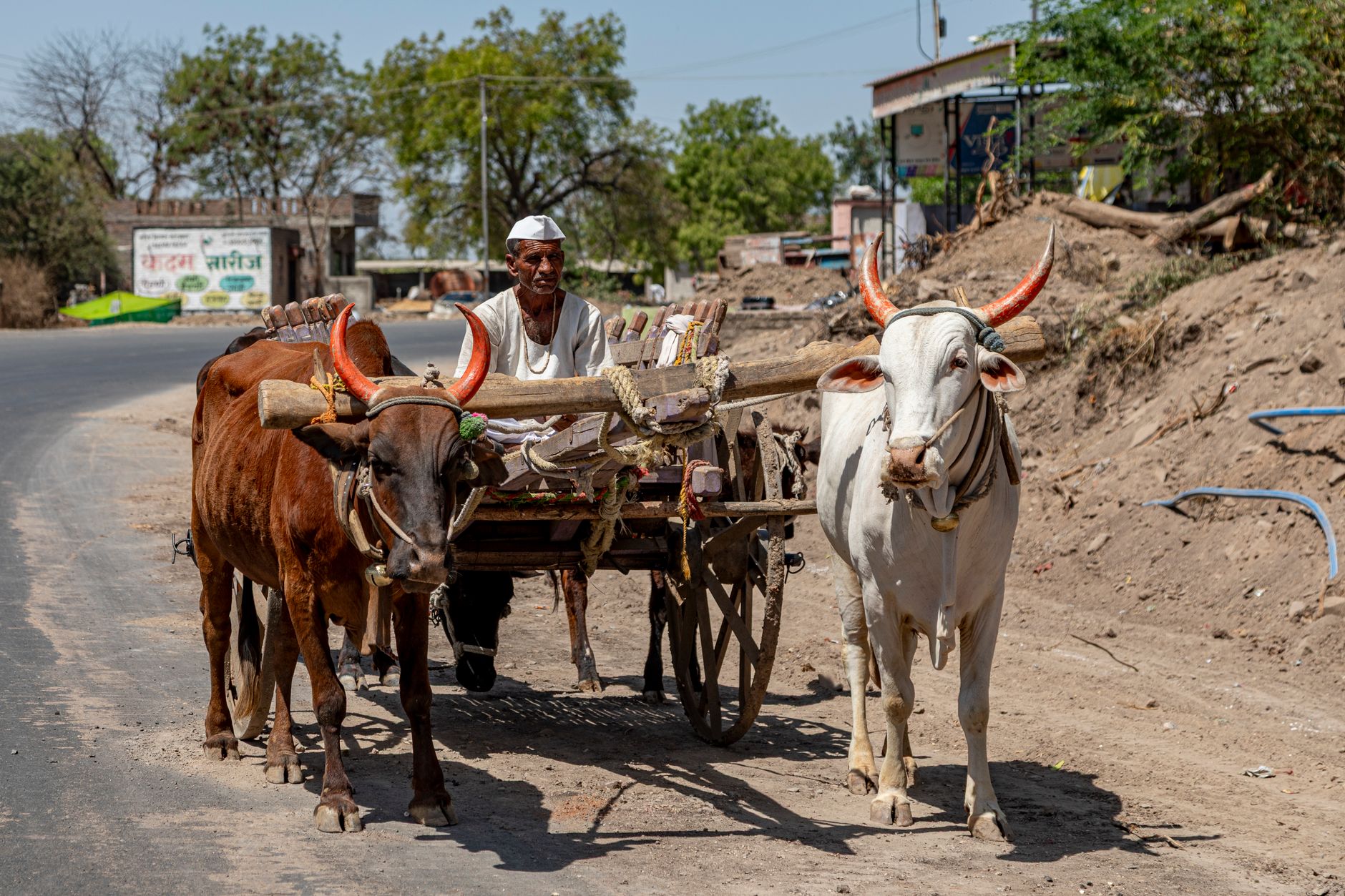
Arvi's location provides it with connectivity to nearby cities and towns. This connectivity is important for trade and commerce. The town is well-connected by road, facilitating the movement of goods and people. The nearest major city is Nagpur, which is a significant economic and transportation hub.
Arvi benefits from its location within Maharashtra. Maharashtra is one of India's most industrialized states. The state government has been focusing on infrastructure development in rural areas. This includes improving road connectivity, power supply, and water resources. Arvi is part of these development efforts.
The arterial connectivity of Arvi involves state highways and local roads. These roads link Arvi to other parts of Wardha district and neighboring districts. The presence of these transportation routes is vital for the town's economy. It allows farmers to transport their produce to markets.
Zoning regulations in Arvi are designed to promote organized development. The town follows the development plans set by the Wardha district administration. These plans outline the permissible land use for different zones. This helps to regulate construction activities and prevent unplanned growth. The Development Plan (DP) aims to guide development until 2030 or 2040. These plans address future needs for housing, infrastructure, and public amenities. The Development Plan is needed for sustainable urban growth.
The industrial corridors near Wardha are expected to have a positive impact on Arvi. These corridors attract investment and generate employment opportunities. This can lead to increased demand for housing and commercial properties in nearby towns like Arvi. The growth of industries in the region is likely to boost Arvi's economy.
Historical Growth and Future Scenarios
Arvi's historical growth has been closely linked to its agricultural base. For many years, the town has served as a market center for agricultural produce from the surrounding areas. The population has grown steadily, mainly driven by the agricultural sector. However, this growth has been relatively slow compared to urban centers.
Historically, Arvi lacked significant industrial development. Most of the economic activity revolved around farming and related services. The town did not attract major industries or businesses. This limited the opportunities for employment and economic diversification.
Future growth scenarios for Arvi depend on several factors. These include improved infrastructure, industrial development, and connectivity. The development of industrial corridors nearby could significantly boost Arvi's economy. Improved road and rail links would facilitate the movement of goods and people.
One possible future scenario is that Arvi becomes a satellite town to a larger industrial hub. This would involve increased demand for housing and commercial properties. It would also require improvements in infrastructure and public services. Another scenario is that Arvi remains primarily an agricultural center. However, even in this scenario, there would be opportunities for growth in agro based industries and related businesses.
Compared to the historical growth rate, future growth could be much faster. This is due to the potential impact of industrial development and infrastructure projects. However, this growth needs to be managed sustainably. It requires proper planning and investment in public services.
The growth of Arvi also depends on government policies and initiatives. The state government's focus on rural development can play a crucial role. This includes investments in infrastructure, education, and healthcare. These initiatives can improve the quality of life in Arvi and attract more people to the town. The PM Gati Shakti scheme aims to improve infrastructure connectivity. https://pmgatishakti.gov.in/
Planning, Government Regulations, and Development Plans
FSI (Floor Space Index) or FAR (Floor Area Ratio) regulations determine the amount of construction allowed on a plot of land. These regulations are set by the local authorities. They aim to control the density of construction and ensure proper planning. The FSI/FAR values in Arvi are determined by the Wardha district administration. These values vary depending on the zone and type of property.
Zoning rules dictate how land can be used in different areas of the town. These rules specify whether land can be used for residential, commercial, industrial, or agricultural purposes. Zoning regulations are important for preventing conflicts between different land uses. They help to maintain the character of different neighborhoods.
The Master Plan for Arvi outlines the long term vision for the town's development. It includes plans for infrastructure, housing, and public amenities. The Master Plan is prepared by the local authorities in consultation with the state government. It is reviewed and updated periodically to reflect changing needs and priorities.
Alignment with the Master Plan significantly affects any development project. Developers need to ensure that their projects comply with the provisions of the Master Plan. This includes adhering to the zoning regulations and FSI/FAR values. Projects that do not comply with the Master Plan may not be approved.
The local government contributes to implementing the Master Plan. This includes providing infrastructure, regulating construction, and enforcing zoning rules. The government also needs to ensure that public services are available to meet the needs of the growing population.
NITI Aayog provides guidelines and support for urban planning and development. Their initiatives focus on sustainable and inclusive growth. https://niti.gov.in/ Their recommendations help local authorities to develop effective Master Plans. These plans address issues like housing, transportation, and environmental protection. The Ministry of Housing and Urban Affairs also provides guidance on urban planning. https://mohua.gov.in/
Physical Infrastructure and Connectivity
Arvi's physical infrastructure includes water supply, power, and road networks. The availability of these resources is necessary for the town's development. Water supply is typically managed by the local municipal council. The source of water is usually rivers or groundwater.
Power supply is provided by the state electricity board. Reliable power supply matters for industries, businesses, and households. The road network connects Arvi to other towns and cities in the region. The quality of roads is an important factor in facilitating trade and transportation.
Connectivity factors into Arvi's growth. Good connectivity reduces transportation costs and improves access to markets. The nearest railway station is located in Wardha. This provides rail connectivity to other parts of the country. The nearest airport is in Nagpur, which is about 100 kilometers away.
Ongoing infrastructure projects aim to improve connectivity and infrastructure in Arvi. These projects include road widening, construction of new bridges, and upgrading of water supply systems. The central government's initiatives like the Atal Mission for Rejuvenation and Urban Transformation (AMRUT) also contribute to infrastructure development.
The Digital India Land Records Modernization Programme (DILRMP) aims to modernize land records. This program improves transparency and efficiency in land transactions. https://dolr.gov.in/ Modernized land records make it easier to verify property ownership and prevent disputes.
Here's a table summarizing the physical infrastructure:
| Infrastructure | Status | Challenges |
|---|---|---|
| Water Supply | Improving | Leakage, Supply interruptions |
| Power Supply | Adequate | Outages, Fluctuations |
| Road Network | Developing | Maintenance needed |
Social Infrastructure and Amenities
Social infrastructure includes schools, hospitals, and other amenities that improve the quality of life. Arvi has a number of schools that provide education to children. These schools include both public and private institutions. The quality of education is an important factor in attracting residents to the town.
Healthcare facilities in Arvi include hospitals, clinics, and dispensaries. These facilities provide medical care to the local population. Access to quality healthcare supports ensuring the well being of residents. The availability of specialized medical services may be limited in Arvi. People may need to travel to nearby cities for advanced medical treatment.
Other social amenities in Arvi include parks, playgrounds, and community centers. These amenities provide recreational opportunities for residents. They also serve as venues for social gatherings and community events. The presence of these amenities enhances the livability of the town.
Access to banking and financial services is also important. Arvi has branches of several banks. These banks provide services such as savings accounts, loans, and insurance. The availability of financial services supports economic activity and investment.
Here's a table summarizing social infrastructure:
| Amenity | Availability | Quality |
|---|---|---|
| Schools | Adequate | Variable |
| Hospitals | Limited | Basic |
| Parks | Few | Average |
Land Records and Title Verification: A Practical Guide
Verifying land titles is a critical step in any property transaction. It ensures that the seller has clear ownership of the property. It also protects the buyer from potential legal disputes. The process involves examining land records maintained by the government. These records contain information about property ownership, boundaries, and encumbrances.
The first step is to obtain the relevant land records from the local land records office. This office is typically located in the taluka or district headquarters. The documents you need include the 7/12 extract (Saath Baara Utara) and the property card (Malmatta Patrak). The 7/12 extract provides details about the land, including the owner's name, area, and type of land. The property card provides information about the ownership of urban properties.
Next, you need to verify the authenticity of the land records. This can be done by comparing the documents with the records maintained by the land records office. You can also check for any discrepancies or inconsistencies in the documents. It's important to engage a lawyer to assist with this process. A lawyer can help you interpret the legal documents and identify any potential issues.
A public notice should be published in a local newspaper. This notice informs the public about the proposed property transaction. It invites anyone with objections to the transaction to come forward. This helps to ensure that there are no hidden claims or disputes related to the property.
Encumbrance certificates are essential to obtain. These certificates show whether there are any outstanding loans or legal dues on the property. They can be obtained from the sub registrar's office. Ensure that the property is free from all encumbrances before finalizing the transaction.
Finally, it's advisable to get a legal opinion from a qualified lawyer. The lawyer can review all the documents and advise you on the legal aspects of the transaction. This will help you to make an informed decision and avoid any potential legal problems. The Digital India Land Records Modernization Programme is modernizing these processes and making them more accessible. https://dolr.gov.in/
Here's a summary of the steps:
| Step | Description |
|---|---|
| 1 | Obtain Land Records (7/12, Property Card) |
| 2 | Verify Authenticity |
| 3 | Publish Public Notice |
| 4 | Obtain Encumbrance Certificates |
| 5 | Get Legal Opinion |
Local Economy, Industries, and Commuter Patterns
Arvi's local economy is primarily driven by agriculture. The surrounding region is fertile and supports the cultivation of various crops. These crops include cotton, soybeans, and pulses. A large percentage of the population is engaged in farming or related activities. The agricultural sector provides employment and income to many households.
Nearby industries also contribute to Arvi's economy. There are some small scale industries in the surrounding areas. These industries include food processing, textiles, and manufacturing. These industries provide employment opportunities for the local population. They also support the agricultural sector by processing agricultural produce.
Commuter patterns in Arvi reflect the town's economic activities. Many people commute to nearby towns and cities for work. This includes people working in industries, businesses, and government offices. The availability of transportation is important for facilitating these commuter patterns.
The growth of the agricultural sector is important for Arvi's economy. Government policies that support agriculture can boost the local economy. This includes providing subsidies, improving irrigation, and promoting agricultural research. The development of agro based industries can also create more employment opportunities.
The establishment of new industries in the region can significantly boost Arvi's economy. This would attract investment and create jobs. It would also lead to increased demand for housing and commercial properties. However, it's important to ensure that industrial development is sustainable and does not harm the environment.
Here's a brief overview of the local economy:
| Sector | Importance |
|---|---|
| Agriculture | Primary |
| Small Scale Industries | Secondary |
| Commuting | Significant |
Investment Outlook and Strategic Analysis
Land prices in Arvi are influenced by various factors. These factors include location, accessibility, and development potential. Land prices tend to be higher in areas that are close to the town center. Land prices are also affected by the availability of infrastructure such as roads, water, and power.
The investment outlook for Arvi is positive. The town is experiencing steady growth. It is being driven by its agricultural base and improving connectivity. The potential for industrial development in nearby areas is also a positive factor. This can lead to increased demand for properties and higher land prices.
Strategic analysis suggests that investing in land in Arvi can offer good returns. This is especially true for properties that are located in areas with good connectivity and development potential. However, it's important to conduct thorough due diligence before investing in any property. This includes verifying land titles, checking zoning regulations, and assessing the potential for future development.
One strategy is to invest in agricultural land. This can be used for farming or leased out to farmers. Another strategy is to invest in residential or commercial properties. These properties can be rented out or sold for a profit. It's important to choose properties that are located in areas with good potential for appreciation.
The risks associated with investing in land in Arvi include the possibility of delays in development. There is also the risk of changes in government policies or regulations. These risks can be mitigated by conducting thorough research and seeking expert advice. It is also important to have a long term investment horizon.
Here is a summary of the investment outlook:
| Aspect | Outlook |
|---|---|
| Land Prices | Increasing |
| Investment Potential | Positive |
| Risks | Moderate |
| ROI Potential | High |
Conclusion
Arvi, Maharashtra, presents a compelling case for property buyers and investors. Its strong agricultural base, improving infrastructure, and proximity to developing industrial areas position it for sustained growth. While due diligence and understanding local regulations are crucial, the potential for return on investment appears promising. Arvi offers a unique opportunity to participate in the growth story of a developing Indian town. The PM Gati Shakti scheme can support infrastructure development in the region. https://pmgatishakti.gov.in/