Vadnagar Ganeshpura Village Map & Land Investment Guide
Comprehensive technical analysis of Vadnagar Ganeshpura village in Mehsana, Gujarat.
Executive Summary
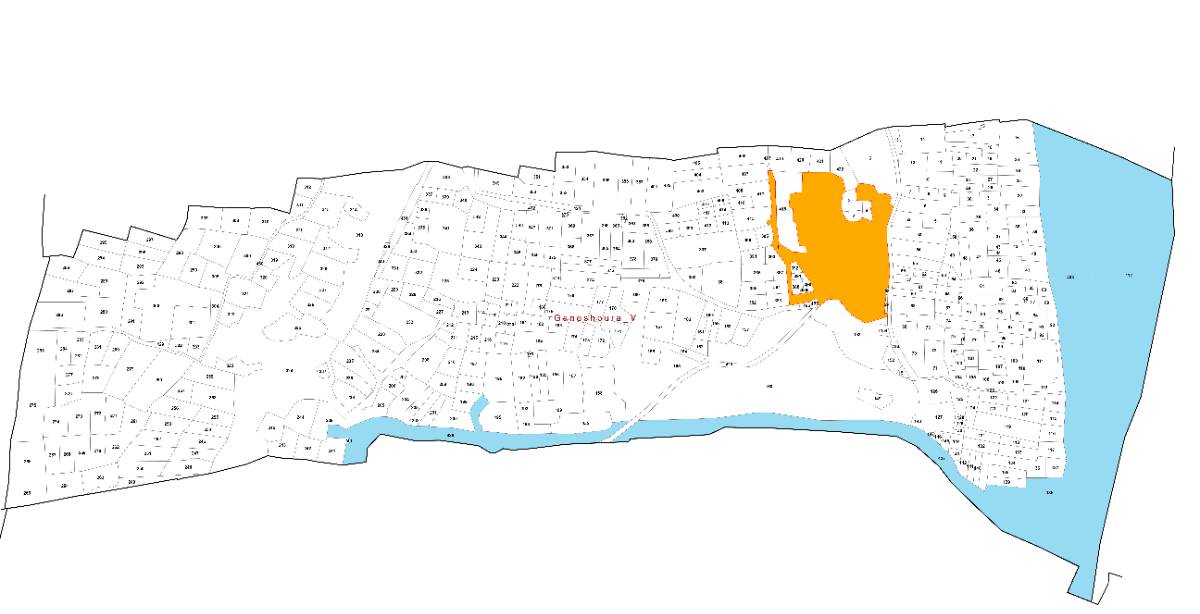
Detailed Village Map: Ganeshpura
Ganeshpura is a small village in Vadnagar Taluka, Mehsana district, Gujarat. With a population of 1,020, as per the 2011 census, it offers a glimpse into rural Indian life. The village is primarily agricultural, with a strong dependence on farming activities. Its location, 23 km from Vadnagar and 55 km from Mehsana, presents both opportunities and challenges for growth. The literacy rate of 80.5% indicates a focus on education, while the sex ratio of 903 females per 1,000 males is a point to consider. Investors should note the land records verification process and the investment potential within the context of Ganeshpura's strengths, weaknesses, opportunities, and threats. This guide provides detailed information to help potential property buyers and land investors make informed decisions.
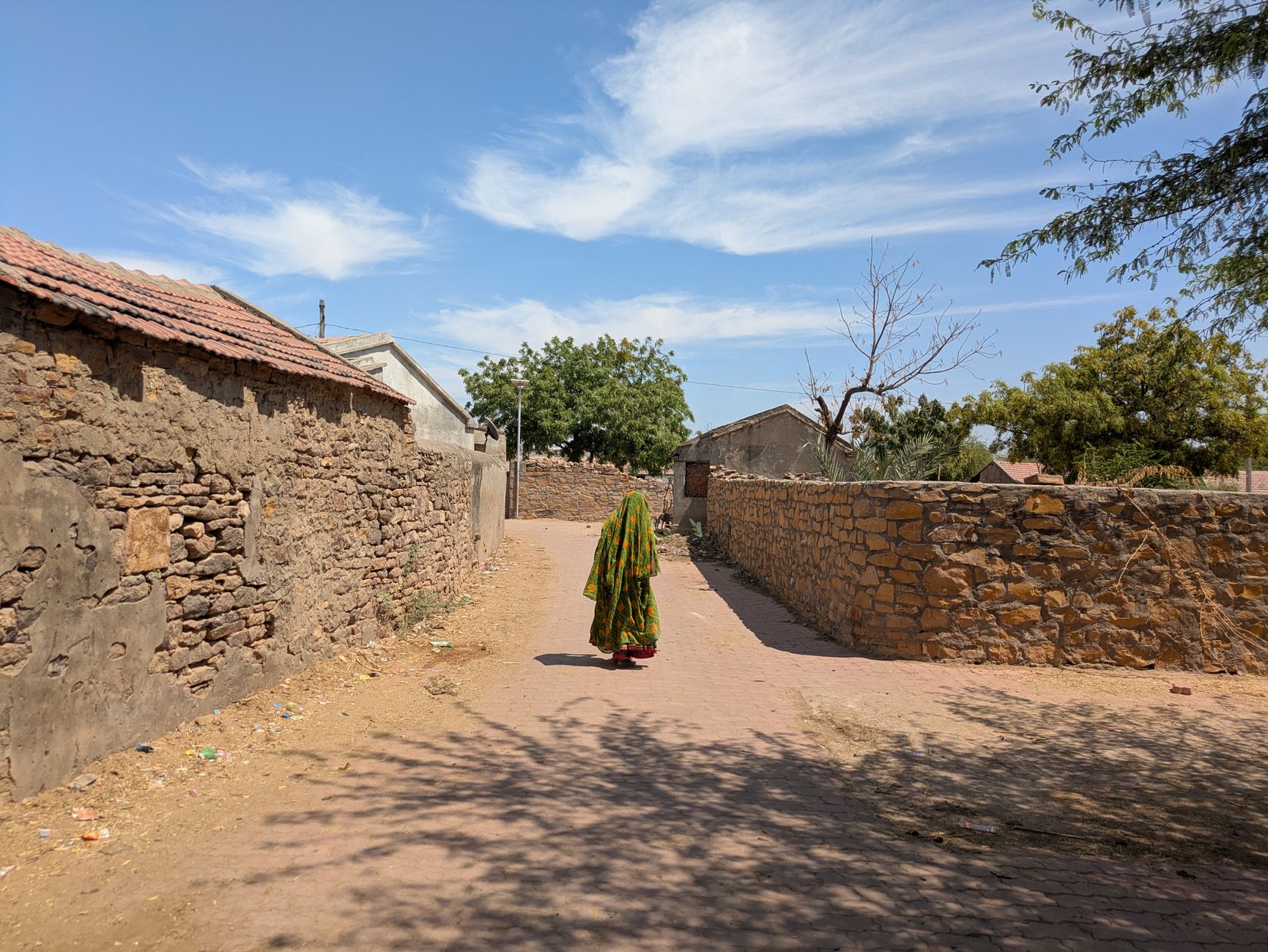
A woman in traditional clothing walks along a rustic village path in Dholavira, India.
Location and Geography of Ganeshpura
Ganeshpura is situated in the Vadnagar Taluka of Mehsana district in Gujarat. The nearest town is Vadnagar, located approximately 23 km away. Mehsana, the district headquarters, is about 55 km from the village. This location places Ganeshpura in a rural setting with relatively easy access to larger urban centers. The proximity to Vadnagar provides essential services and market access for the villagers.
The total geographical area of Ganeshpura is 252.6 hectares. This translates to a population density of approximately 4.0 persons per hectare. This relatively low density indicates a predominantly rural environment. Data on the specific terrain, soil type, and water resources are not available. However, given its agricultural dependency, it can be inferred that the land is suitable for farming. The availability of water resources likely drives supporting agricultural activities.
Understanding the geography supports property buyers. The land's suitability for different purposes like agriculture or construction depends on its physical characteristics. While detailed information is lacking, local inquiries and site visits can provide valuable insights into the terrain, soil composition, and water availability. This information matters for making informed investment decisions. The PM Gati Shakti initiative aims to improve infrastructure planning. This could potentially benefit Ganeshpura in the future by enhancing connectivity and resource management. (https://pmgatishakti.gov.in/)
The village's location within Mehsana district also influences its access to government schemes and development programs. Mehsana is a relatively developed district in Gujarat. This means Ganeshpura may benefit from better infrastructure and administrative support compared to more remote areas. However, the distance from the district headquarters might also pose some challenges in accessing certain services. Further research into the specific environmental conditions and resource availability is recommended before making any investment.
Elderly farmer standing in agricultural field in Palanpur, India.
Socio-Demographic Profile
According to the 2011 census, the population of Ganeshpura is 1,020. This is comprised of 536 males and 484 females. There are a total of 211 households in the village. This data gives a basic understanding of the community's size and structure.
The literacy rate in Ganeshpura is 80.5%. This indicates a relatively high level of education among the residents. This can contribute positively to the village's development. A more educated population is generally more adaptable and open to new opportunities.
The sex ratio in Ganeshpura is 903 females per 1,000 males. This is lower than the national average. It is an important demographic factor to consider. Scheduled Castes comprise a significant portion of the population at 246. Scheduled Tribes account for a smaller number, with only 5 residents. These demographic factors influence social dynamics and resource allocation.
The worker participation rate in Ganeshpura is 44.4%. This means that less than half of the population is actively engaged in the workforce. Of those who are working, 72.4% are dependent on agriculture. This highlights the strong agricultural base of the village economy. There are a total of 453 workers. 176 are main cultivators, and 152 are agricultural laborers. This breakdown provides insights into the types of jobs prevalent in the village.
Planning and Governance
Information on specific FSI/FAR rules, land use zoning, and NA conversion processes for Ganeshpura is not directly available from the provided census data. These regulations are usually determined by the state government and local authorities. In Gujarat, land use is governed by various acts and regulations. The Gujarat Town Planning and Urban Development Act is a key piece of legislation.
The process for Non Agricultural (NA) conversion involves obtaining permission from the relevant authorities to use agricultural land for non agricultural purposes. This typically requires submitting an application with detailed land documents and proposed usage plans. The process can vary depending on the location and the intended use. Engaging with local legal experts is highly recommended to navigate these processes smoothly.
Master Plans are comprehensive development plans prepared by urban planning authorities. These plans outline the proposed land use, infrastructure development, and zoning regulations for a specific area. It's unclear if Ganeshpura is directly covered by a specific Master Plan. However, being located near Vadnagar and Mehsana, the village may be influenced by the regional development plans for these urban centers. These plans often consider the surrounding rural areas and their integration with urban growth.
Expert Land Analysis
Unlock deep insights with our interactive map layers.
The Ministry of Housing and Urban Affairs (https://mohua.gov.in/) factors into shaping urban and regional planning policies in India. Their guidelines and initiatives can indirectly influence development in rural areas like Ganeshpura. Understanding the applicable land use regulations and development plans is important for property buyers and investors. This ensures compliance and helps in making informed decisions about land use and development potential. The Digital India Land Records Modernization Programme (https://dolr.gov.in/) aims to streamline land record management. This initiative can help in accessing land related information and verifying property titles in Ganeshpura.
Physical Infrastructure
The census data indicates that Ganeshpura has mobile coverage and bus service connectivity. This is a positive sign for accessibility and communication. However, detailed information on the quality and frequency of bus services is not available. The presence of mobile coverage enables residents to connect with the outside world. It also facilitates access to information and online services.
Information regarding the specific details of power supply and water supply infrastructure is not included in the provided data. Typically, rural areas in Gujarat receive electricity from the state's power distribution companies. Water supply sources can vary. These sources can include groundwater, wells, or piped water schemes. The reliability and adequacy of these services are important factors to consider.
Road connectivity is needed for the economic development of a village. The proximity of Ganeshpura to Vadnagar (23 km) suggests that it is likely connected by a motorable road. The quality and type of road infrastructure can significantly impact transportation costs and accessibility. Further investigation into the condition of the roads is advisable.
Improved physical infrastructure is necessary for attracting investment and improving the quality of life for residents. Government initiatives like PM Gati Shakti aim to enhance infrastructure connectivity across the country. This may lead to improvements in road, power, and water supply infrastructure in Ganeshpura in the future. Understanding the existing infrastructure and planned developments is vital for assessing the investment potential of the area.
Social Infrastructure
Ganeshpura has one school, which is a primary school. This suggests that basic education is accessible within the village. However, for higher education, students may need to travel to nearby towns or cities. The availability of schools is a key indicator of the community's commitment to education. It is also a factor that influences the attractiveness of the village for families with young children.
Information regarding the availability of health facilities in Ganeshpura is not provided. It is common for smaller villages to rely on primary health centers in nearby towns for medical services. Access to healthcare is a crucial aspect of social well being. The absence of local health facilities may pose challenges for residents, particularly in emergency situations.
Besides schools, there may be other local institutions that play an important role in the social fabric of the village. These can include religious institutions, community centers, and self help groups. These institutions often provide social support and promote community development. Understanding the social infrastructure of a village helps in assessing the overall quality of life and the potential for community engagement. NITI Aayog (https://niti.gov.in/) promotes sustainable development. This involves improving social infrastructure in rural areas.
Land Records Verification
Verifying land records is a crucial step before investing in property. This process helps ensure clear title and avoids potential legal issues. In Gujarat, the land records are maintained by the Revenue Department. The state government has implemented online systems to facilitate access to land records.
Here's a practical guide on how to verify land records in Gujarat:
Access the e-Dhara portal: The Gujarat government's e-Dhara portal provides online access to land records. You can search for land records by district, taluka, village, and survey number.
Check the 7/12 extract: The 7/12 extract (also known as Satbara) is a key document that provides information about the land's ownership, area, survey number, and any encumbrances.
Verify the property card: The property card provides details about the ownership and history of the land. It also shows any mutations or changes in ownership.
Check for mutations: Mutations are changes in ownership or land use that are recorded in the land records. It's important to check for any recent mutations to ensure that the current owner has a clear title.
Verify the title chain: The title chain is the historical record of ownership transfers for a property. This helps to establish the legitimacy of the current owner's title.
Consult a lawyer: It is advisable to consult a lawyer specializing in property law to review the land records and provide legal advice. They can help identify any potential risks or issues with the property.
Visit the local land registry office: You can visit the local land registry office to obtain certified copies of land records and verify information.
Real-Time Planning Data
See official DP/TP layers and land records instantly.
The Digital India Land Records Modernization Programme (https://dolr.gov.in/) has significantly improved the accessibility and transparency of land records in Gujarat. This has made it easier for property buyers and investors to verify land titles and make informed decisions. Always double check online information with in person verification at the local land registry office.
Economic Engine of Ganeshpura
The local economy of Ganeshpura is heavily reliant on agriculture. The census data shows that 72.4% of the workforce is engaged in agricultural activities. This includes both main cultivators (176) and agricultural laborers (152). This highlights the importance of farming as the primary source of income for the majority of the population.
Other occupations and industries are not specified in the census data. However, it is likely that there are some residents involved in small scale businesses, handicrafts, or services that cater to the local population. The proximity to Vadnagar and Mehsana may also provide opportunities for some residents to commute to these towns for work.
Commuter patterns are not detailed in the census data. However, it is reasonable to assume that some residents travel to Vadnagar or Mehsana for employment, education, or healthcare purposes. The availability of bus services facilitates this movement. The development of nearby industries could potentially create new job opportunities for the residents of Ganeshpura. This could also diversify the local economy and reduce the dependence on agriculture.
The agricultural sector in Ganeshpura may benefit from government schemes and initiatives aimed at promoting sustainable farming practices, providing access to credit, and improving irrigation facilities. These interventions can enhance agricultural productivity and improve the livelihoods of farmers. Understanding the economic dynamics of the village supports assessing the investment potential of land and property.
Investment and ROI Potential
Investing in land in Ganeshpura, like any investment, carries both potential and risks. Land price trends are not provided in the census data. These trends are critical to understanding the return on investment (ROI). Generally, land prices in rural areas are influenced by factors such as location, accessibility, irrigation facilities, and proximity to urban centers.
The agricultural dependency of Ganeshpura suggests that land is primarily valued for its agricultural potential. However, the proximity to Vadnagar and Mehsana could also make the land attractive for future residential or commercial development. The growth of these urban centers may eventually lead to the expansion of peri urban areas, potentially increasing land values in nearby villages like Ganeshpura.
Assessing the investment potential requires careful consideration of several factors. These include the availability of infrastructure, the regulatory environment, and the economic outlook of the region. Land investments are subject to market fluctuations and regulatory changes. Therefore, it is important to conduct thorough due diligence and seek professional advice before making any investment decisions.
Disclaimer: Land investments can be risky and returns are not guaranteed. This information is for general guidance only and does not constitute financial advice. Investors should conduct their own research and consult with qualified professionals before making any investment decisions. This includes assessing title risks, land use restrictions and potential environmental liabilities. The availability of clear title is a major factor. Investors should also consider the time horizon of their investment.
Factors like the development of transportation infrastructure, the establishment of new industries, and government policies can influence future land prices. Investors should stay informed about these developments and adjust their strategies accordingly. Investing in agricultural land may provide a steady income stream through farming activities. This also offers the potential for capital appreciation over time. It is also important to understand zoning regulations.
Strategic Analysis: SWOT
Growth Outlook
The growth outlook for Ganeshpura is linked to the overall development of the Mehsana district and the surrounding region. The proximity to Vadnagar and Mehsana presents opportunities for economic diversification and integration with the urban economy. Improving infrastructure, promoting education, and diversifying the local economy can contribute to the sustainable development of the village. However, the agricultural dependency and limited access to certain services pose challenges.
Strengths and Weaknesses
Strengths:
Literacy rate of 80.5%.
Mobile coverage and bus service connectivity.
Strong agricultural base.
Proximity to Vadnagar and Mehsana.
Weaknesses:
High agricultural dependency (72.4% of workforce).
Sex ratio of 903 females per 1,000 males.
Limited information on health facilities.
Distance from district headquarters (55 km).
SWOT Analysis
Feature
Details
Strengths
- Relatively high literacy rate (80.5%). - Existing mobile coverage and bus connectivity. - Strong agricultural tradition and knowledge. - Proximity to growing towns like Vadnagar. - Presence of a Gram Panchayat.
Weaknesses
- High dependence on agriculture makes economy vulnerable. - Low sex ratio (903 females/1000 males) indicates social challenges. - Distance to district headquarters can limit access to services. - Limited availability of social services such as advanced medical care.
Opportunities
- Government schemes for rural development and agriculture. - Potential for diversification into agro processing or rural tourism. - Improved infrastructure development through PM Gati Shakti. - Increased demand for housing near Vadnagar due to urbanization. - Potential to develop local handicrafts and cottage industries.
Threats
- Climate change impacts on agriculture. - Fluctuations in agricultural commodity prices. - Competition from larger agricultural producers. - Out migration of youth seeking better opportunities. - Limited access to credit and finance for farmers.
Frequently Asked Questions
Q1: How can I verify the land ownership records in Ganeshpura?
A: You can verify land records through the Gujarat government's e-Dhara portal or by visiting the local land registry office. Check the 7/12 extract and property card for ownership details and mutations. Consulting a local lawyer is highly recommended.
Q2: What are the main economic activities in Ganeshpura?
A: The main economic activity is agriculture. 72.4% of the workforce is dependent on it. Main cultivators number 176, and agricultural laborers are 152.
Q3: What is the distance of Ganeshpura from major cities?
A: Ganeshpura is 23 km from Vadnagar and 55 km from Mehsana.
Q4: What social infrastructure is available in Ganeshpura?
A: Ganeshpura has one primary school. Information on health facilities is not available in the census data.
Q5: What are the potential risks of investing in land in Ganeshpura?
A: Potential risks include market fluctuations, regulatory changes, title disputes, and climate change impacts on agriculture. Thorough due diligence and professional advice are essential before investing.
Conclusion
Ganeshpura offers a unique investment opportunity within the context of rural Gujarat. The village's strong agricultural base, coupled with its proximity to developing urban centers, presents potential for growth. However, investors should carefully consider the challenges posed by agricultural dependency, limited infrastructure, and regulatory complexities. Thorough due diligence, professional advice, and a long term perspective are crucial for success. Understanding the village's strengths, weaknesses, opportunities, and threats is needed for making informed investment decisions.