Vijapur Dhanpura-Ghantu Village Map & Land Investment Guide
Comprehensive technical analysis of Vijapur Dhanpura-Ghantu village in Mehsana, Gujarat.
Executive Summary
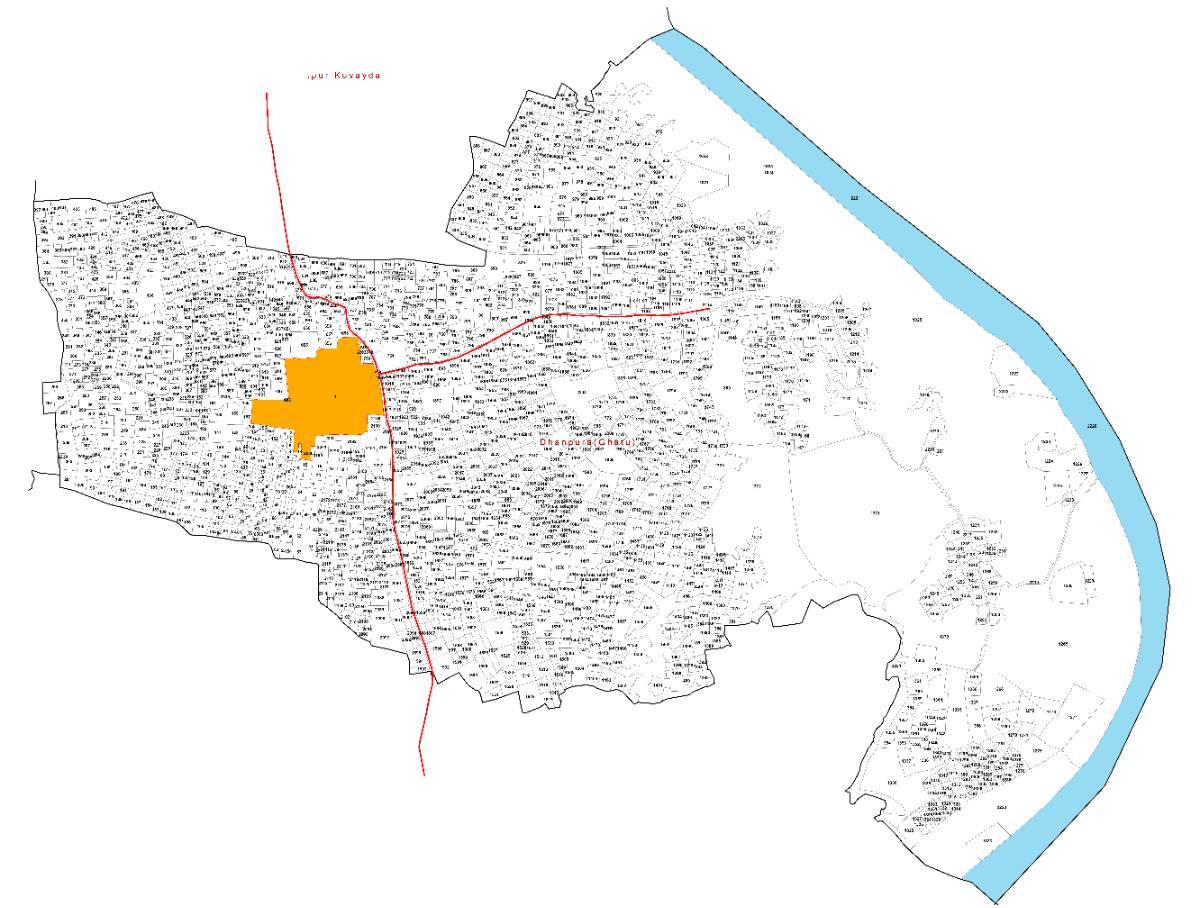
Detailed Village Map: Dhanpura (Ghantu)
Dhanpura (Ghantu) is a village located in the Vijapur taluka of Mehsana district in Gujarat. It offers a rural setting with essential amenities. The village has a population of 3,315 people residing in 723 households. With a literacy rate of 87.2%, the village shows a strong emphasis on education. The location is advantageous, being just 5 km from Vijapur and 45 km from Mehsana, providing access to larger markets and administrative centers.
The village economy is largely based on agriculture, with a significant portion of the workforce engaged as cultivators and agricultural laborers. Infrastructure includes schools, a sub center for health, and basic connectivity like mobile coverage and bus service. Land investment in Dhanpura (Ghantu) requires a thorough understanding of land records and conversion processes to ensure secure and profitable transactions. Overall, the village presents opportunities for those seeking a rural lifestyle with access to nearby urban conveniences, but also faces challenges typical of agricultural economies.
Location and Geography of Dhanpura (Ghantu)
Dhanpura (Ghantu) is situated in the Vijapur taluka of the Mehsana district in Gujarat. This places it within a region known for its agricultural productivity and rural landscapes. The village is conveniently located, offering a blend of rural tranquility and accessibility to urban centers. The nearest town, Vijapur, is only 5 km away, providing access to essential services and markets. The district headquarters, Mahesana, is located 45 km away.
The total geographical area of Dhanpura (Ghantu) spans 1369.7 hectares. This land area supports the village's population of 3,315 residents and their agricultural activities. The terrain is generally flat and suitable for farming. This makes it conducive to the cultivation of various crops.
The soil type in this region is primarily alluvial, which is known for its fertility and water retention capabilities. This type of soil is ideal for growing crops such as cotton, groundnut, and various cereals. The agricultural dependency of the village is quite high, with 53.1% of the workforce being directly involved in agriculture.
Water resources are crucial for the agricultural activities in Dhanpura (Ghantu). The region relies on both rainfall and groundwater for irrigation. The availability of water directly influences the productivity of the land and the livelihoods of the farmers. The village needs sustainable water management practices. This will ensure long term agricultural viability.
The location offers a strategic advantage. It is close enough to urban areas for access to markets and services, but far enough to retain its rural character. The flat terrain and fertile soil support agriculture. Water availability, though critical, needs to be managed sustainably. This geographic profile defines the opportunities and challenges for development and investment in Dhanpura (Ghantu).
Elderly farmer standing in agricultural field in Palanpur, India.
Socio-Demographic Profile of Dhanpura (Ghantu)
The population of Dhanpura (Ghantu), as per the 2011 Census, stands at 3,315. This includes 1,731 males and 1,584 females, reflecting a gender distribution that is important to consider in planning and development initiatives. The village comprises 723 households, indicating an average household size that is typical for rural areas in Gujarat. These households form the social fabric of the village.
The literacy rate in Dhanpura (Ghantu) is a notable 87.2%. This suggests a strong emphasis on education and a relatively high level of awareness among the residents. Such a high literacy rate can positively influence the adoption of new technologies and practices in agriculture and other sectors.
The sex ratio in Dhanpura (Ghantu) is 915 females per 1,000 males. This ratio indicates a need for focused attention on gender equality and women's empowerment initiatives in the village. Addressing gender imbalances is needed for sustainable social development.
The Scheduled Castes population is 193, while the Scheduled Tribes population is 14. This demographic composition highlights the need for inclusive development strategies that cater to the specific needs and challenges faced by these communities. Ensuring equal opportunities and social justice for all residents is crucial.
The worker participation rate in Dhanpura (Ghantu) is 48.7%. This means that nearly half of the population is actively engaged in economic activities. Within this workforce, 53.1% are dependent on agriculture, either as main cultivators (479) or agricultural laborers (379). This dominance of agriculture highlights enhancing agricultural productivity and diversifying livelihood options. The total number of workers is 1,616.
The demographic profile of Dhanpura (Ghantu) reveals a community with a strong agricultural base, a high literacy rate, and a need for balanced gender representation. Understanding these socio demographic factors is necessary for planning targeted interventions and promoting sustainable development.
Planning and Governance in Dhanpura (Ghantu)
Understanding the planning and governance framework supports any land investment in Dhanpura (Ghantu). This includes knowledge of FSI/FAR rules, land use zoning, NA conversion processes, and alignment with any existing Master Plan. Unfortunately, specific details regarding FSI/FAR rules and detailed land use zoning for Dhanpura (Ghantu) are not available in the provided census data. This kind of information is typically maintained by the local governing body, the Gram Panchayat, and the relevant state-level planning authorities.
Expert Land Analysis
Unlock deep insights with our interactive map layers.
The Gram Panchayat of Dhanpura (Ghantu) drives local governance and development planning. It is the primary body responsible for implementing government schemes, managing local resources, and addressing the needs of the community. Contacting the Gram Panchayat directly is essential to obtain detailed information on local regulations and development plans.
The NA (Non Agricultural) conversion process is a critical step for any land investor looking to use agricultural land for non agricultural purposes, such as residential, commercial, or industrial development. This process involves obtaining permission from the relevant state government authorities to change the land use designation. The Gujarat state government has specific procedures and guidelines for NA conversion, which must be strictly followed.
The process typically involves submitting an application along with necessary documents, including land records, ownership details, and proposed land use plans. The authorities will then assess the application based on factors such as zoning regulations, environmental impact, and infrastructure availability. Obtaining NA conversion can be a time consuming process, and it is advisable to seek professional guidance to ensure compliance with all requirements.
Alignment with a Master Plan is also crucial. A Master Plan is a comprehensive long term plan that guides the development of a region or city. It outlines the proposed land use zones, infrastructure projects, and conservation areas. While specific details about a Master Plan for Dhanpura (Ghantu) are not provided in the census data, it is essential to investigate whether the village falls under the jurisdiction of any regional development authority or urban planning body that has a Master Plan in place.
Investors should consult with local planning authorities and experts. Understanding these regulations is vital for making informed decisions and ensuring compliance with local laws. NITI Aayog plays a key role in promoting integrated planning across various sectors, which can provide a broader perspective on regional development initiatives. https://niti.gov.in/
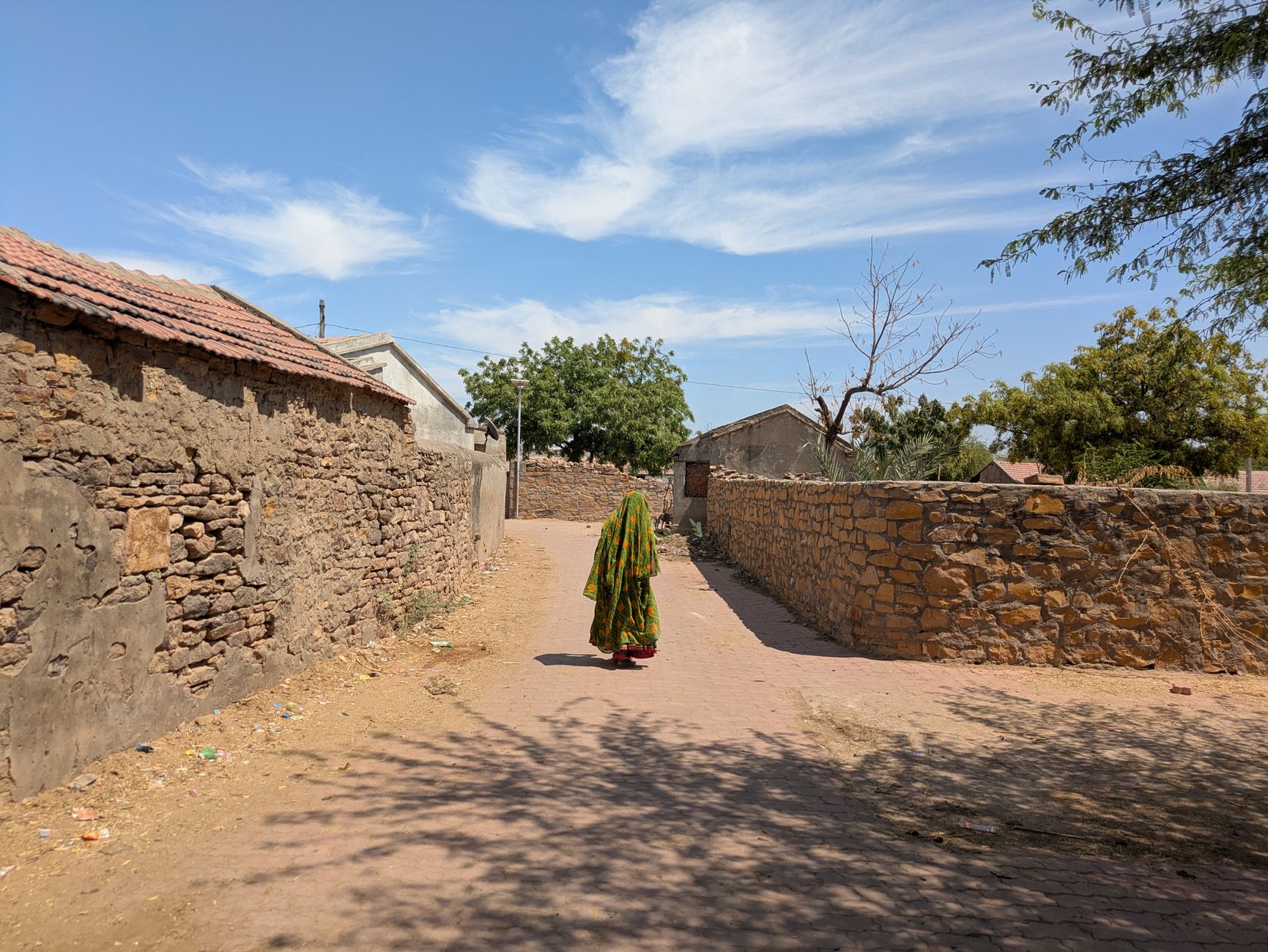
A woman in traditional clothing walks along a rustic village path in Dholavira, India.
Physical Infrastructure in Dhanpura (Ghantu)
The physical infrastructure of Dhanpura (Ghantu) is needed for its development and connectivity. This includes road connectivity, power supply, water supply, and telecom coverage. The census data confirms the availability of bus service and mobile coverage in the village. These are basic but crucial elements for connecting the village to the outside world.
Road connectivity is vital for the transportation of goods, services, and people. Dhanpura (Ghantu)'s proximity to Vijapur (5 km) and Mehsana (45 km) ensures access to major road networks. This facilitates trade and commerce, as well as access to healthcare and educational facilities in these urban centers. The quality of roads within the village and connecting it to the main highways is an important factor influencing transportation efficiency.
Power supply is another critical component of physical infrastructure. Reliable and consistent power supply is necessary for households, businesses, and agricultural activities. While the census data does not provide specific details about the power supply infrastructure in Dhanpura (Ghantu), it is generally expected that the village is connected to the state electricity grid. Ensuring adequate power supply matters for supporting economic growth and improving the quality of life.
Water supply is a fundamental requirement for both domestic and agricultural purposes. The census data does not specify the sources and infrastructure for water supply in Dhanpura (Ghantu). Typically, rural areas rely on a combination of groundwater, surface water, and piped water supply schemes. Sustainable water management practices are essential to ensure the long term availability of water resources, especially given the village's reliance on agriculture.
Telecom coverage, including mobile connectivity, is a significant enabler of communication and access to information. The census data confirms the presence of mobile coverage in Dhanpura (Ghantu). This allows residents to connect with the outside world, access online services, and engage in digital transactions. Improving broadband connectivity and expanding digital infrastructure can further enhance the village's economic opportunities.
The development of physical infrastructure in Dhanpura (Ghantu) is important for improving living standards and promoting economic growth. The PM Gati Shakti National Master Plan aims to improve integrated infrastructure planning and execution across the country. https://pmgatishakti.gov.in/ This initiative can help in identifying and addressing infrastructure gaps in rural areas like Dhanpura (Ghantu).
Social Infrastructure in Dhanpura (Ghantu)
Social infrastructure factors into the well being and development of Dhanpura (Ghantu). This includes schools, health facilities, and local institutions that support the community.
The census data indicates that Dhanpura (Ghantu) has a total of 5 schools. This includes 4 primary schools and 1 secondary school. These schools provide essential educational opportunities for children in the village. The literacy rate of 87.2% reflects the positive impact of these educational institutions. Further investments in improving the quality of education and expanding access to higher education can enhance the human capital of the village.
Real-Time Planning Data
See official DP/TP layers and land records instantly.
Health facilities are crucial for ensuring the health and well being of the residents. Dhanpura (Ghantu) has 1 sub centre, according to the census data. Sub centres are basic healthcare facilities that provide primary healthcare services, such as immunization, maternal and child health services, and treatment for minor illnesses. Strengthening the healthcare infrastructure and increasing the availability of medical professionals can improve healthcare outcomes in the village.
Local institutions, such as community centers, self help groups, and cooperative societies, also contribute to the social fabric of Dhanpura (Ghantu). These institutions provide platforms for social interaction, community development, and economic empowerment. Supporting and strengthening these institutions can foster a sense of community and promote collective action.
The availability of adequate social infrastructure supports creating a thriving and sustainable community in Dhanpura (Ghantu). Investing in education, healthcare, and community development can improve the quality of life and unlock the potential of the village's residents.
Land Records Verification in Gujarat: A Practical Guide
Verifying land records significantly affects anyone considering property purchases or land investments in Gujarat, including Dhanpura (Ghantu). A thorough check helps ensure clear ownership, prevents fraud, and avoids future legal complications. This guide provides a practical approach to navigating Gujarat's land record system.
1. Accessing Land Records Online:
The Gujarat government has digitized land records under the Digital India Land Records Modernization Programme (DILRMP). https://dolr.gov.in/ This allows you to access records online through the AnyRoR (Any Records of Rights) portal. This portal provides access to various land records documents.
2. Key Documents to Verify:
7/12 Extract (Satbara): This is the most important document. It provides comprehensive details of the land, including ownership, survey number, area, assessment value, and any encumbrances (loans or legal liabilities).
Village Form 6 (Haq Patrak): This register tracks the day to day changes to the land record, including mutations, inheritance, sales, mortgages, and divisions.
Index II: This document is a record of registered sale deeds and other transactions involving the property. It helps establish the chain of ownership and identify any past transfers.
3. Steps to Verify Land Records Online:
Visit the AnyRoR Gujarat website.
Select the appropriate district (Mehsana) and taluka (Vijapur).
Choose the village (Dhanpura (Ghantu)).
Select the type of record you want to view (e.g., 7/12 Extract, Village Form 6).
Enter the required details, such as survey number or owner's name.
View and download the document. Note that online copies are for information only. Certified copies can be obtained from the Mamlatdar office.
4. Checking for Mutations:
A mutation is a change in the land records due to a sale, inheritance, or other transfer of ownership. It's crucial to check that all mutations are properly recorded in Village Form 6. Any discrepancies or missing mutations can indicate potential problems with the ownership.
5. Verifying the Title Chain:
The title chain is the historical sequence of ownership transfers for the land. You should trace the title chain back several decades to ensure that there are no breaks or irregularities in the ownership history. Index II documents are very helpful for verifying title chains.
6. Obtaining Certified Copies:
For legal and official purposes, you will need certified copies of land records. These can be obtained from the Mamlatdar's office in Vijapur. You will need to submit an application along with the required fees.
7. Physical Verification:
It's always advisable to conduct a physical verification of the land. This involves visiting the site and checking its boundaries, dimensions, and physical condition. This can help identify any encroachments or disputes that may not be apparent from the land records.
8. Legal Consultation:
Engage a lawyer specializing in property law to review the land records and provide legal advice. A lawyer can help identify potential risks and ensure that the transaction is legally sound.
9. Due Diligence:
Thorough due diligence is essential before investing in land. This includes verifying the identity of the seller, checking for any pending legal cases or disputes involving the property, and obtaining necessary clearances and approvals.
By following these steps, you can effectively verify land records in Dhanpura (Ghantu), Gujarat, and make informed investment decisions. Remember that online records are primarily for informational purposes, and certified copies from the Mamlatdar office are required for legal transactions.
Economic Engine of Dhanpura (Ghantu)
The economy of Dhanpura (Ghantu) is primarily driven by agriculture, as indicated by the census data. The village has a total of 1,616 workers. A significant portion of these workers are engaged in agricultural activities. The main cultivators number 479, and agricultural laborers account for 379. These figures demonstrate the strong reliance on farming for livelihoods.
The agricultural dependency is high, with 53.1% of the workforce directly involved in agriculture. This suggests that the economic well being of the village is closely tied to the performance of the agricultural sector. Factors such as rainfall, soil quality, irrigation facilities, and market prices of agricultural produce significantly influence the income and employment opportunities in Dhanpura (Ghantu).
The census data does not provide specific details about nearby industries or commuter patterns. However, given its proximity to Vijapur (5 km) and Mehsana (45 km), it is likely that some residents commute to these urban centers for employment in other sectors, such as manufacturing, trade, and services. Further investigation would be needed to determine the extent of this commuter activity and its impact on the village economy.
Diversifying the economy beyond agriculture is needed for promoting sustainable development and reducing vulnerability to agricultural risks. This could involve promoting small scale industries, developing tourism potential, and enhancing skills development to enable residents to access employment opportunities in other sectors.
Supporting local entrepreneurs and promoting self help groups can also contribute to economic diversification and empowerment. Government schemes and initiatives aimed at promoting rural entrepreneurship and skill development can play a crucial role in transforming the economic landscape of Dhanpura (Ghantu). The Ministry of Housing and Urban Affairs supports various initiatives for urban and rural development. https://mohua.gov.in/
The economic engine of Dhanpura (Ghantu) is currently fueled by agriculture. Diversification and skill development are critical for long term sustainable growth. Understanding these economic dynamics is important for any investor looking to contribute to the village's future.
Investment Potential and ROI in Dhanpura (Ghantu)
Investing in land in Dhanpura (Ghantu) presents both opportunities and risks. Understanding land price trends, assessing investment potential, and acknowledging inherent disclaimers are essential for informed decision making.
Land price trends in rural Gujarat, including areas like Dhanpura (Ghantu), are influenced by several factors. These include agricultural productivity, proximity to urban centers, infrastructure development, and overall economic growth in the region. Land prices tend to appreciate over time. This is due to increasing demand for agricultural land and residential plots. However, the rate of appreciation can vary depending on local conditions and market dynamics.
The investment potential in Dhanpura (Ghantu) stems from its agricultural base and its proximity to Vijapur and Mehsana. Agricultural land can be used for crop cultivation, horticulture, or animal husbandry. Residential plots can be developed for housing or commercial purposes. The availability of basic infrastructure, such as schools, healthcare facilities, and connectivity, enhances the attractiveness of the village for potential investors.
Assessing the return on investment (ROI) requires careful consideration of various factors. These include the purchase price of the land, the cost of development or cultivation, the potential rental income or sale value, and the prevailing interest rates. It's important to conduct a thorough financial analysis to determine the feasibility and profitability of the investment.
However, it is crucial to acknowledge certain disclaimers and risks associated with land investments. Land investments are subject to market fluctuations and economic cycles. Land prices can decline due to factors such as changes in government policies, natural disasters, or economic downturns. It's also important to be aware of potential legal and regulatory risks, such as land disputes, ownership issues, and zoning restrictions.
Furthermore, agricultural investments are subject to weather related risks, such as droughts or floods, which can impact crop yields and income. It's essential to conduct due diligence, seek professional advice, and carefully assess the risks before making any investment decisions.
Land price data for Dhanpura (Ghantu) is unavailable. However, general trends in rural Gujarat indicate steady appreciation over the long term. While there is potential for appreciation, investors should conduct thorough research and seek local expert advice before investing. Investing in land carries inherent risks. Investment decisions should be made cautiously and after consulting financial and legal professionals. Land records must be verified diligently.
Growth Outlook, Strengths and Weaknesses, and SWOT Analysis for Dhanpura (Ghantu)
Growth Outlook: The future growth of Dhanpura (Ghantu) hinges on leveraging its agricultural strengths while diversifying its economy. With a high literacy rate of 87.2%, the village has a solid foundation for skill development and entrepreneurship. Proximity to Vijapur and Mehsana provides access to markets and employment opportunities. Infrastructure improvements and sustainable resource management will be critical for unlocking the village's full potential.
Strengths:
High Literacy Rate: The 87.2% literacy rate indicates a well educated population that can adapt to new technologies and opportunities.
Agricultural Base: The fertile land and agricultural expertise provide a stable economic foundation.
Proximity to Urban Centers: The village's location near Vijapur and Mehsana facilitates access to markets, services, and employment.
Mobile Connectivity and Bus Service: These are essential for communication and transportation, linking the village to the outside world.
Weaknesses:
High Agricultural Dependency: With 53.1% of the workforce in agriculture, the village is vulnerable to weather related risks and market fluctuations.
Limited Healthcare Facilities: The presence of only one sub center may not be adequate to meet the healthcare needs of the entire population.
Sex Ratio Imbalance: The sex ratio of 915 females per 1,000 males indicates a need for focused attention on gender equality.
Small Scheduled Tribes Population: With only 14 people, additional support is needed to make sure no one is left behind.
SWOT Analysis:
Strengths
Weaknesses
High literacy rate (87.2%)
High agricultural dependency (53.1% of workforce)
Agricultural base with main cultivators (479) and laborers (379)
Limited healthcare facilities (1 sub center)
Proximity to Vijapur (5 km) and Mehsana (45 km)
Sex ratio imbalance (915 females per 1,000 males)
Mobile connectivity and bus service
Small Scheduled Tribes population (14)
Opportunities
Threats
Diversifying the economy with local industries
Weather related risks impacting agriculture
Enhancing skill development and education opportunities
Market fluctuations affecting agricultural prices
Improving healthcare infrastructure
Land disputes or regulatory changes hindering investments
Promoting sustainable agriculture practices
Competition from other regions attracting investments
Addressing the weaknesses and mitigating the threats are essential for achieving sustainable growth in Dhanpura (Ghantu). Capitalizing on the strengths and pursuing the opportunities can unlock the village's full potential and improve the quality of life for its residents.
Frequently Asked Questions
1. How can I verify the ownership of a land parcel in Dhanpura (Ghantu)?
You can verify land ownership by checking the 7/12 extract (Satbara) and Village Form 6 through the AnyRoR Gujarat website. Obtain certified copies from the Mamlatdar's office for legal purposes.
2. What is the process for converting agricultural land to non agricultural use (NA conversion) in Gujarat?
The NA conversion process involves submitting an application to the relevant state government authorities with land records, ownership details, and proposed land use plans. Consult with local authorities and seek professional guidance for compliance.
3. What are the main economic activities in Dhanpura (Ghantu)?
The main economic activities are agriculture related, with a significant portion of the workforce engaged as cultivators and agricultural laborers. Diversification is needed to broaden economic opportunities.
4. What infrastructure facilities are available in Dhanpura (Ghantu)?
The village has 5 schools (4 primary, 1 secondary), 1 sub center for health, mobile coverage, and bus service. Further improvements in road connectivity, power supply, and water supply are needed.
5. What is the investment potential in Dhanpura (Ghantu), and what are the risks involved?
The investment potential lies in agriculture and residential development. Risks include market fluctuations, weather related risks, land disputes, and regulatory changes. Thorough due diligence and professional advice are crucial.
Conclusion
Dhanpura (Ghantu) is a village with a strong agricultural heritage and a growing emphasis on education. Its location provides a balance between rural life and access to urban amenities. While challenges remain, strategic investments in infrastructure, economic diversification, and sustainable resource management can unlock the village's potential and create a prosperous future for its residents. Understanding the local context, verifying land records, and seeking professional advice are essential for making informed decisions and contributing to the development of Dhanpura (Ghantu).