Becharaji Ganeshpura Village Map & Land Investment Guide
Comprehensive technical analysis of Becharaji Ganeshpura village in Mehsana, Gujarat.
Executive Summary
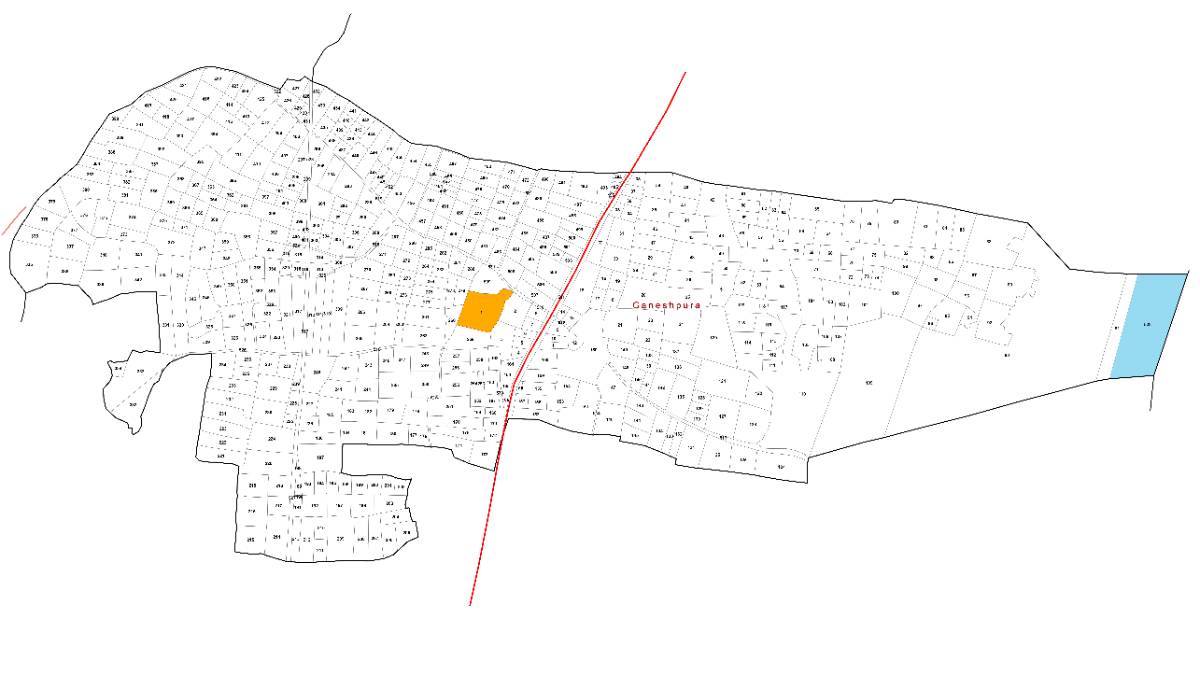
Detailed Village Map: Ganeshpura
Ganeshpura is a village in Becharaji Taluka, Mehsana district, Gujarat. It offers a glimpse into rural Indian life. The village has a population of 1,655, with agriculture as the main economic driver. With a literacy rate of 78.3%, it shows a commitment to education. Its proximity to Becharaji (5 km) and Mehsana (35 km) offers access to urban amenities. Investing in Ganeshpura requires careful consideration of land records, local regulations, and economic trends. This guide provides essential information for prospective property buyers and land investors.
Ganeshpura's location in Mehsana district impacts its climate and soil. The terrain supports agricultural activities. Water resources are important for irrigation. Understanding these geographical factors is key for land use planning.
The village's socio demographic profile reveals valuable insights. These insights are about the community and workforce. The worker participation rate is 42.0%. This indicates a significant portion of the population is actively involved in the economy.
Navigating land regulations requires understanding FSI/FAR rules and NA conversion. Alignment with the local Master Plan is essential. These steps help ensure compliance and optimize land use.
Ganeshpura has basic physical infrastructure, including roads and bus services. Connectivity is supported by mobile coverage. Reliable power and water supply are important for development.
Social infrastructure includes schools and nearby health facilities. These amenities contribute to the well being of the residents. They make Ganeshpura a viable place to live.
Verifying land records is crucial before investing. Checking mutations and title chains can prevent legal issues. Online portals streamline this process, but local verification is still important. The Digital India Land Records Modernization Programme aims to modernize land records. It enhances transparency and reduces disputes (https://dolr.gov.in/).
The local economy is driven by agriculture, with most workers involved in cultivation or labor. Nearby industries in Becharaji and Mehsana influence the local economy. Understanding commuter patterns helps assess the area's economic dynamics.
Land prices in Ganeshpura are influenced by location, accessibility, and agricultural potential. Evaluating investment potential requires a balanced approach. Consider both opportunities and risks. Due diligence is necessary.
Ganeshpura's growth outlook depends on infrastructure development and economic diversification. Identifying strengths and weaknesses helps in strategic planning. SWOT analysis provides a structured approach to evaluating investment opportunities.
Location and Geography
Ganeshpura is located in the Becharaji Taluka of Mehsana district, Gujarat. This places it in a region known for its agricultural landscape. The terrain is generally flat, which is conducive to farming. The village benefits from its proximity to both Becharaji and Mehsana. Becharaji is the sub district headquarters, only 5 km away. Mehsana, the district headquarters, is 35 km away.
Elderly farmer standing in agricultural field in Palanpur, India.
The geography of the region influences its climate, which is typically hot and dry. Summers are scorching, with temperatures often exceeding 40 degrees Celsius. The monsoon season, from June to September, brings much needed rainfall. The winters are mild and pleasant.
The soil type in Ganeshpura and surrounding areas is primarily alluvial. This type of soil is fertile and well suited for agriculture. It supports the cultivation of various crops, including cotton, millet, and vegetables. Proper soil management supports maintaining its productivity.
Water resources are crucial for agriculture in Ganeshpura. The village relies on rainfall, groundwater, and canal irrigation. The availability of water directly impacts the yields of crops. Sustainable water management practices are important to ensure long term agricultural productivity.
The exact coordinates of Ganeshpura were not provided. Precise geographical data such as elevation or specific land features are unavailable from the census data. The terrain is generally level, and the land is used primarily for agricultural purposes. Its location near Becharaji and Mehsana provides access to markets and transportation networks.
Socio Demographic Profile
Ganeshpura has a population of 1,655, according to the 2011 Census. Of this number, 851 are male and 804 are female. The sex ratio is 945 females per 1,000 males. This is slightly below the national average.
There are 370 households in Ganeshpura. The average household size can be estimated at roughly 4.47 people per household. This provides an insight into the community structure.
The literacy rate in Ganeshpura is 78.3%. This indicates a reasonable level of education among the population. This is an encouraging sign for future development and economic opportunities.
The Scheduled Castes population is 74. This represents a small percentage of the total population. This factor is important for understanding the social dynamics of the village.
The worker participation rate is 42.0%. This means that a significant portion of the population is engaged in some form of economic activity. Further analysis reveals that 78.1% of the workforce is dependent on agriculture. This highlights the importance of agriculture to the village economy.
Expert Land Analysis
Unlock deep insights with our interactive map layers.
Elderly farmer standing in agricultural field in Palanpur, India.
Specifically, there are a total of 695 workers in Ganeshpura. Among them, 296 are main cultivators and 247 are agricultural laborers. These figures show the dominance of agriculture in the village's economy. Other sectors, such as services or small businesses, may exist but are not detailed in the census data. Understanding these demographic factors is important for planning any investment or development projects in Ganeshpura.
Planning and Government Regulations
Understanding planning and government regulations is key for land investment. These regulations dictate how land can be used and developed. They also ensure orderly growth and prevent conflicts.
FSI, or Floor Space Index, and FAR, or Floor Area Ratio, determine the permissible construction area on a plot of land. These ratios are set by local authorities. They vary depending on the zone and type of building. Information on specific FSI/FAR rules for Ganeshpura was not available in the provided census data. Typically, these rules are detailed in the local development plan or zoning regulations.
Land use zoning classifies areas for specific purposes, such as residential, commercial, or agricultural. This ensures that incompatible uses are separated. It helps maintain the character of different areas. The zoning regulations for Ganeshpura would be outlined in the local development plan. This information is not found in the census data.
NA conversion, or Non Agricultural conversion, is required when changing the use of agricultural land for non agricultural purposes. This process involves obtaining permission from the relevant authorities. It often requires payment of fees and compliance with certain conditions. The specific process for NA conversion in Gujarat can be found on the state government's land revenue department website.
Master Plans are comprehensive documents that guide the long term development of an area. They outline the vision for future growth. They include plans for infrastructure, land use, and transportation. Alignment with the Master Plan significantly affects any development project. This ensures that it is consistent with the overall goals of the area.
The PM Gati Shakti National Master Plan is an important initiative by the Indian government. It aims to improve infrastructure planning and coordination (https://pmgatishakti.gov.in/). It integrates various infrastructure projects, such as roads, railways, and waterways. This helps in reducing logistics costs and boosting economic growth. Investors in Ganeshpura should be aware of how the PM Gati Shakti initiative might impact local infrastructure development. This could create new opportunities for investment and growth.
Physical Infrastructure
Physical infrastructure is needed for the development of any area. It includes roads, power supply, water supply, and telecom coverage. These elements support economic activity and improve the quality of life.
The census data indicates that Ganeshpura has bus service connectivity. This is a crucial mode of transport for residents. It connects the village to nearby towns and cities. This improves access to markets, employment, and education.
Mobile coverage is also available in Ganeshpura. This allows residents to stay connected and access information. Mobile connectivity supports economic activities and facilitates communication. The census data does not specify the quality or extent of mobile coverage.
Information on the specific details of road connectivity is not available from the census data. However, the presence of bus service suggests that Ganeshpura is connected by roads to nearby towns and cities. The quality of these roads and the frequency of bus service can impact accessibility and economic activity.
Details on power supply and water supply infrastructure are not provided in the census data. Reliable power and water supply are important for households and businesses. Information on these aspects would need to be obtained from local authorities or utility companies.
Improved infrastructure is key to attracting investment and promoting economic growth. The NITI Aayog shapes promoting infrastructure development in India (https://niti.gov.in/). Its initiatives focus on improving connectivity, power supply, and water resources. These improvements enhance the investment climate and support sustainable development.
Social Infrastructure
Social infrastructure includes schools, healthcare facilities, and local institutions. These are essential for the well being and development of the community. They provide access to education, healthcare, and other essential services.
According to the census data, Ganeshpura has a total of two schools. Both are primary schools. This indicates that basic education is available within the village. Access to higher education would likely require traveling to nearby towns or cities. Further data is not provided on the quality of the schools.
Information on healthcare facilities within Ganeshpura is not available from the census data. Residents may need to travel to nearby towns for medical care. The availability of healthcare services matters for the health and well being of the population. Access to healthcare facilities can influence the attractiveness of the area for potential residents and investors.
Local institutions, such as community centers, religious organizations, and self help groups, play an important role in the social life of the village. These institutions foster community bonds and provide support to residents. They contribute to the overall social fabric of the village. Information on these institutions is not provided in the census data, but they are likely present and active in Ganeshpura.
Real-Time Planning Data
See official DP/TP layers and land records instantly.
Investing in social infrastructure is vital for sustainable development. It improves the quality of life and creates a more attractive environment for residents and businesses.
Land Records Verification
Verifying land records is crucial before buying property. This prevents fraud and ensures clear ownership. It protects your investment. You must check records and mutations. This guide explains how.
First, access the state specific land records portal. Gujarat has a dedicated online portal for land records. The Digital India Land Records Modernization Programme aims to digitize all land records (https://dolr.gov.in/). This makes it easier to access information. Use the portal to search for the land records of Ganeshpura.
Next, check the land records for the property you are interested in. Look for the owner's name, survey number, and area of the land. Verify that the information matches the documents provided by the seller. This confirms the seller's ownership.
Then, check for mutations. A mutation is a change in ownership. It could be due to sale, inheritance, or gift. Make sure all mutations are properly recorded. Unrecorded mutations can lead to legal disputes.
After that, verify the title chain. This means tracing the history of ownership of the land. Go back as far as possible. Look for any breaks or inconsistencies in the chain. A clear title chain is necessary for proving ownership.
It is also important to obtain encumbrance certificates. These certificates show if there are any outstanding loans or legal claims on the property. Encumbrances can affect your ownership rights. Get an encumbrance certificate from the sub registrar's office.
Finally, consider a physical survey. Hire a licensed surveyor to verify the boundaries of the land. This ensures that the land matches the records. Discrepancies in boundaries can cause problems later on.
Consider these points while verifying land records. Be thorough and patient. If you are not sure about something, consult a lawyer. Investing in land is a big decision. Due diligence is necessary to protect your investment. The Ministry of Housing and Urban Affairs provides guidelines for property transactions (https://mohua.gov.in/). These guidelines promote transparency and protect buyers.
Economic Engine
The economy of Ganeshpura is mainly driven by agriculture. The census data shows that a significant portion of the workforce is engaged in agricultural activities. This includes both cultivation and agricultural labor.
According to the census, there are 695 total workers in Ganeshpura. Of these, 296 are main cultivators. These are farmers who own or lease land and cultivate crops. Another 247 are agricultural laborers. They work on other people's farms for wages. This data shows that agriculture is the primary source of livelihood for most residents.
The census data indicates that 78.1% of the workforce is dependent on agriculture. This highlights the importance of agriculture to the village economy. Diversifying the economy could reduce the reliance on agriculture. It would create new opportunities for residents.
Nearby industries in Becharaji and Mehsana also influence the local economy. Becharaji is developing as an industrial hub. This creates employment opportunities for residents of Ganeshpura. Mehsana is a larger urban center with a more diversified economy.
Understanding commuter patterns is important for assessing the economic dynamics of the area. Many residents of Ganeshpura may commute to Becharaji or Mehsana for work. This affects the demand for transportation and housing. It also impacts the local economy of Ganeshpura.
The census data does not provide specific information on other occupations or industries in Ganeshpura. There may be small businesses, shops, and service providers. However, the agricultural sector dominates the local economy.
Investing in agriculture related businesses could be a promising opportunity. This could include food processing, storage, or transportation. Supporting local farmers can also boost the village economy. This helps to create a more sustainable and prosperous community.
Investment and ROI
Investing in land requires careful consideration. Factors like location, infrastructure, and market trends affect the potential return on investment (ROI). Ganeshpura offers both opportunities and risks for land investors.
Land prices in Ganeshpura depend on several factors. These include location, accessibility, and agricultural potential. Land closer to the main roads or with better irrigation tends to be more valuable. Agricultural land that is fertile and well maintained also commands a higher price.
The investment potential of land in Ganeshpura is linked to its agricultural productivity. Land that can yield high value crops offers a good return on investment. Opportunities may also exist for developing farm stays or agro tourism projects. These can generate additional income for landowners.
However, there are also risks to consider. Fluctuations in agricultural commodity prices can impact the profitability of farming. Water scarcity and climate change pose challenges to agricultural productivity. It is important to assess these risks carefully before investing.
Another consideration is the regulatory environment. Changes in land use regulations or zoning laws can affect the value of land. It is important to stay informed about any policy changes that may impact your investment. Verifying land records is crucial. It prevents legal disputes.
Obtain professional advice from real estate agents, lawyers, and agricultural experts. This helps you make informed decisions. A thorough due diligence process is essential before investing in land.
Land investment in Ganeshpura can be a viable option. It depends on careful planning and risk management. Consider land price trends and investment potential. Consider a balanced assessment. Always seek professional guidance before making any investment decisions. This information is for guidance only. It is not financial advice.
Strategic Analysis: SWOT
A SWOT analysis helps assess the strengths, weaknesses, opportunities, and threats for Ganeshpura. This framework is valuable for investors considering opportunities in the village.
Strengths:
Agricultural base: A significant portion of the workforce is engaged in agriculture. This provides a stable economic foundation. The agricultural dependency rate is 78.1%.
Literacy rate: The literacy rate of 78.3% indicates a relatively educated population. This is an asset for future development.
Proximity to urban centers: Ganeshpura is close to Becharaji (5 km) and Mehsana (35 km). This provides access to markets, employment, and services.
Basic infrastructure: The presence of bus service and mobile coverage improves connectivity.
Weaknesses:
High dependence on agriculture: The economy is heavily reliant on agriculture. This makes it vulnerable to fluctuations in commodity prices and weather patterns.
Limited social infrastructure: Information on healthcare facilities is not available. The village has only two primary schools.
Lack of diversified economic activities: The census data does not provide information on other industries. This suggests limited economic diversification.
Sex ratio: The sex ratio of 945 females per 1,000 males is slightly below the national average.
Opportunities:
Diversification of the economy: Promoting non agricultural activities can create new employment opportunities. This could include small scale industries, tourism, or services.
Infrastructure development: Improving roads, power supply, and water supply can attract investment.
Agro processing: Establishing agro processing units can add value to agricultural products. This will reduce post harvest losses.
Skill development: Providing skill development programs can improve the employability of residents. It prepares them for new jobs.
Threats:
Climate change: Climate change can impact agricultural productivity. It brings about increased risks of droughts and floods.
Water scarcity: Water scarcity can limit agricultural production. It impacts the availability of drinking water.
Fluctuations in commodity prices: Volatility in agricultural commodity prices can reduce farmers' incomes.
Land acquisition issues: Land acquisition for development projects can lead to conflicts with local residents.
Based on this SWOT analysis, Ganeshpura has potential for growth. This is if it addresses its weaknesses and leverages its strengths. Investors should carefully assess these factors before making any decisions. This framework is valuable for considering opportunities in the village.
Frequently Asked Questions
1. How can I verify the land ownership records for a property in Ganeshpura?
You can verify land ownership records through the Gujarat state government's land records portal. Check the property's survey number, owner's name, and any recorded mutations. You should also obtain an encumbrance certificate from the sub registrar's office.
2. What is the process for converting agricultural land to non agricultural (NA) land in Gujarat?
The process for NA conversion involves applying to the relevant authorities, typically the district collector. You will need to submit documents such as the land records, a site plan, and a justification for the conversion. Fees and conditions may apply. Consult the Gujarat land revenue department for the most up to date information.
3. What are the main economic activities in Ganeshpura?
The main economic activities in Ganeshpura are agriculture related. The majority of the workforce is engaged in cultivation or agricultural labor. Opportunities in nearby towns and cities may provide employment in different sectors.
4. What social infrastructure is available in Ganeshpura?
According to the census data, Ganeshpura has two primary schools. Information on healthcare facilities within the village is not provided. Residents may need to travel to nearby towns for medical care.
5. How is Ganeshpura connected to nearby cities and towns?
Ganeshpura is connected by bus service to nearby towns and cities. Mobile coverage is also available. The quality of roads and the frequency of bus service may affect accessibility.
Conclusion
Ganeshpura offers a glimpse into rural life in Gujarat. The village presents both opportunities and challenges for potential investors and residents. Its strong agricultural base, reasonable literacy rate, and proximity to urban centers are advantages. Its dependence on agriculture, limited social infrastructure, and exposure to climate related risks are challenges.
Understanding these factors is important for making informed decisions about investing in Ganeshpura. Due diligence is necessary. Assess land records, understand local regulations, and consider economic trends. With careful planning, Ganeshpura can offer a viable investment opportunity. This contributes to the growth and prosperity of this rural community.