Mehsana Hardesan Village Map & Land Investment Guide
Executive Summary
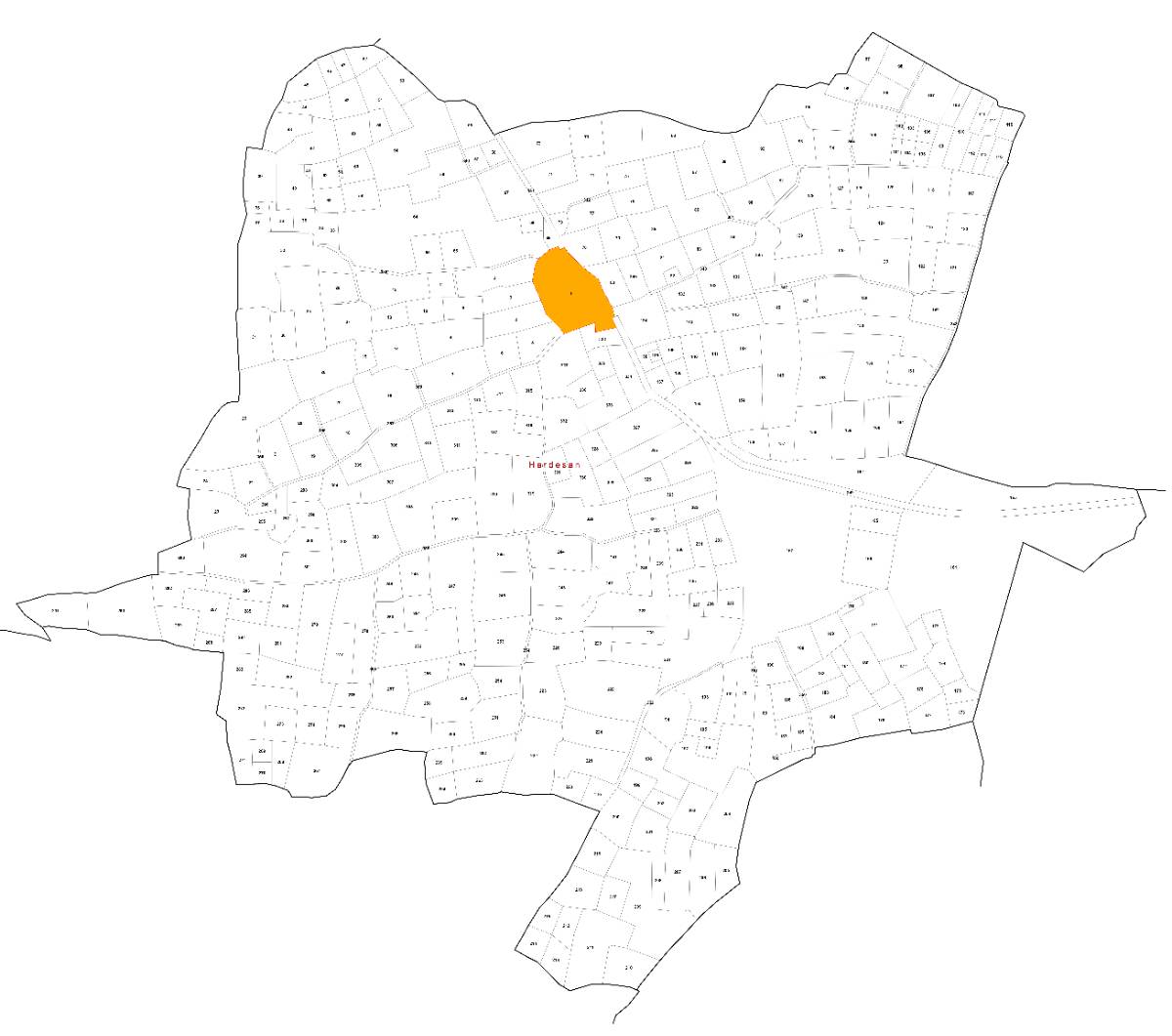
Hardsan village in Mehsana, Gujarat, presents a mixed picture for property buyers and land investors. Understanding the location, demographics, infrastructure, and regulatory environment is essential before making any decisions. The village has a primarily agricultural economy, but improved infrastructure and connectivity could unlock future growth. Investors should carefully assess land records and understand local regulations to mitigate risks. This guide provides a detailed overview to help navigate the opportunities and challenges of investing in Hardesan.
Location and Geography
Hardsan is located in the Mehsana district of Gujarat. The region is characterized by a semi arid climate. This means hot, dry summers and mild winters.

The terrain is generally flat. This is typical of the North Gujarat plains. The soil type is predominantly sandy loam. This soil is suitable for crops like cotton, millet, and pulses with proper irrigation.
The village relies on both surface and groundwater resources for irrigation and drinking water. The availability of water is a key factor influencing agricultural productivity. Access to reliable irrigation is critical for successful farming. Investing in water conservation methods can improve long term sustainability.
Mehsana is part of the larger Indo Gangetic plain. The general coordinates for Mehsana are 23.6N 72.4E. Specific coordinates for Hardsan would require further local survey. Its distance from Mehsana city influences access to markets and services.
Socio Demographic Profile
According to the latest census data, understanding the socio demographic makeup of Hardesan matters for investors. It gives them insight into the local community. The population size indicates the potential labor pool and consumer base. Household numbers reveal the average family size.
Literacy rates reflect the skill level of the workforce. A higher literacy rate often attracts industries and businesses. The sex ratio indicates the balance between males and females. A skewed ratio can indicate social imbalances.
Workforce composition shows the primary occupations of the residents. Data on cultivators and agricultural laborers reveals the dependence on agriculture. Diversifying the economy requires promoting non agricultural activities.
Planning and Governance
Understanding land use regulations is important for property buyers. This prevents legal complications later. In Hardesan, land use is governed by the Gujarat Town Planning and Urban Development Act. This act defines the permissible use of land for residential, commercial, industrial, or agricultural purposes.
The Floor Space Index (FSI) or Floor Area Ratio (FAR) dictates the maximum construction allowed on a plot. This is determined by the local governing body. Buyers should confirm the applicable FSI/FAR for their land parcel.
Agricultural land needs to be converted to non agricultural (NA) use for construction. The process involves applying to the relevant authorities. They evaluate factors such as land suitability and environmental impact. The https://dolr.gov.in/ website provides information on land records modernization programs that can help with land conversion processes.
Hardesan may fall under the influence area of a regional development plan. This plan outlines the long term vision for infrastructure and development. Investors should align their projects with this regional plan. This can enhance the project's chances of approval.
Physical Infrastructure
Road connectivity supports accessing markets and services. Information about road types (e.g., paved, unpaved) indicates the quality of transport infrastructure. Well maintained roads facilitate smooth movement of goods and people.
Power supply is another critical infrastructure component. Uninterrupted electricity is needed for residential, commercial, and industrial activities. Investors should assess the reliability of power supply in Hardesan.
Water supply sources and distribution systems are vital for households and businesses. Access to clean drinking water is a basic necessity. It also supports various economic activities.
Telecom coverage, including mobile and internet connectivity, is increasingly important. Good telecom infrastructure supports communication, education, and e commerce. The PM Gati Shakti initiative aims to improve infrastructure connectivity across India: https://pmgatishakti.gov.in/.
Social Infrastructure
Schools are a fundamental part of the social infrastructure. The number of primary, secondary, and higher secondary schools indicates the educational opportunities available. The quality of education affects the human capital development.
Health facilities, such as primary health centers and hospitals, are crucial for public health. Access to healthcare services ensures the well being of the community. It also contributes to a productive workforce.
Local institutions, including banks, post offices, and community centers, provide essential services. These institutions support financial inclusion, communication, and social interaction. They contribute to the overall quality of life in Hardesan.
Land Records Verification
Verifying land records is a critical step for any property buyer. This helps prevent fraud and ensures clear ownership. In Gujarat, land records are maintained by the Revenue Department. These records include details like ownership, land area, and encumbrances.
The first step is to obtain the relevant land records. These include the Record of Rights (ROR) or 7/12 extract. This document provides information about the owner, survey number, and land type. It also lists any loans or mortgages on the property.
Visit the e Dharati portal of the Gujarat government. This will allow you to access digital land records online. This portal allows you to search for land records by survey number or owner name. It also provides information about land valuation and transaction history.
Check for mutations in the land records. A mutation is a change in ownership due to sale, inheritance, or partition. Verify that all mutations are properly recorded and legally valid.
Conduct a title search to trace the ownership history of the land. This involves examining past sale deeds and other documents. This verifies the current owner's claim. This helps identify any potential disputes or claims on the property.
Engage a lawyer to conduct a thorough legal due diligence. A lawyer can verify the authenticity of the documents. They can also identify any hidden liabilities or legal issues.
Local Economy and Occupations
The local economy of Hardesan is primarily based on agriculture. The census data indicates that a significant portion of the workforce is engaged in cultivation and agricultural labor. This highlights the dependence on farming as the main source of livelihood.
Nearby industries, if any, can influence the local economy. The presence of manufacturing units or processing plants can provide employment opportunities. This can also boost the demand for local goods and services.
Commuter patterns reflect the movement of people for work and business. Understanding these patterns helps assess the connectivity of Hardesan to nearby urban centers. It also indicates the potential for attracting outside investment and employment. NITI Aayog promotes sustainable development and economic growth which can be relevant to Hardesan: https://niti.gov.in/.
Investment Potential and ROI
Land prices in Hardesan are influenced by factors such as location, land type, and infrastructure availability. Analyzing past trends provides insights into the potential for appreciation. It also helps determine the current market value of land.
Investing in land offers the potential for high returns. However, it also involves risks such as market volatility and regulatory changes. A thorough assessment of these risks is essential before making any investment decisions.
Consider the potential for future development in Hardesan. Government initiatives and infrastructure projects can drive up land values. This can create opportunities for investors.
Disclaimer: Land investments carry inherent risks. The information provided here is for general guidance only. Consult with financial and legal professionals before making any investment decisions. Past performance is not indicative of future results.
Growth Outlook and SWOT Analysis
Growth Outlook: The growth outlook for Hardesan depends on several factors. These include infrastructure development, economic diversification, and government policies. Improving connectivity and promoting non agricultural activities can unlock the village's potential. The Digital India program can help improve connectivity: https://www.digitalindia.gov.in/.
Strengths:
- Proximity to Mehsana provides access to markets and services.
- Availability of agricultural land offers opportunities for farming and related activities.
- A strong community bond can foster social and economic development.
Weaknesses:
- Dependence on agriculture makes the economy vulnerable to weather patterns.
- Limited infrastructure can hinder growth and development.
- Low literacy rates may restrict employment opportunities.
Opportunities:
- Government schemes can support infrastructure development and job creation.
- Promoting tourism and local crafts can diversify the economy.
- Investing in education and skills training can enhance the workforce's competitiveness.
Threats:
- Climate change can negatively impact agricultural productivity.
- Economic downturns can reduce demand for local goods and services.
- Regulatory hurdles can delay development projects.
Frequently Asked Questions
Q1: How do I verify the land ownership in Hardesan? A: You can verify land ownership by checking the land records at the e Dharati portal of the Gujarat government. Obtain the 7/12 extract and check for mutations. Consult with a lawyer for legal due diligence.
Q2: What is the process for converting agricultural land to non agricultural (NA) use? A: Apply to the relevant authorities, such as the District Collector. Provide necessary documents and pay the required fees. The application is evaluated based on land suitability and environmental impact.
Q3: What are the main factors influencing land prices in Hardesan? A: Land prices are influenced by location, land type, infrastructure availability, and market demand. Development potential and government policies also play a role.
Q4: What are the potential risks of investing in land in Hardesan? A: Potential risks include market volatility, regulatory changes, and legal disputes. Environmental factors such as drought can also affect land values.
Q5: Are there any government schemes that support infrastructure development in Hardesan? A: Yes, various government schemes promote rural development and infrastructure improvements. These may include schemes for road construction, water supply, and sanitation. Check with local authorities for specific programs.
Conclusion
Investing in Hardesan requires careful consideration of various factors. Understanding the location, demographics, infrastructure, and regulatory environment is crucial. Land buyers should conduct thorough due diligence and seek professional advice before making any decisions. By weighing the opportunities and challenges, investors can make informed choices and potentially benefit from the growth potential of this rural region.