Executive Summary
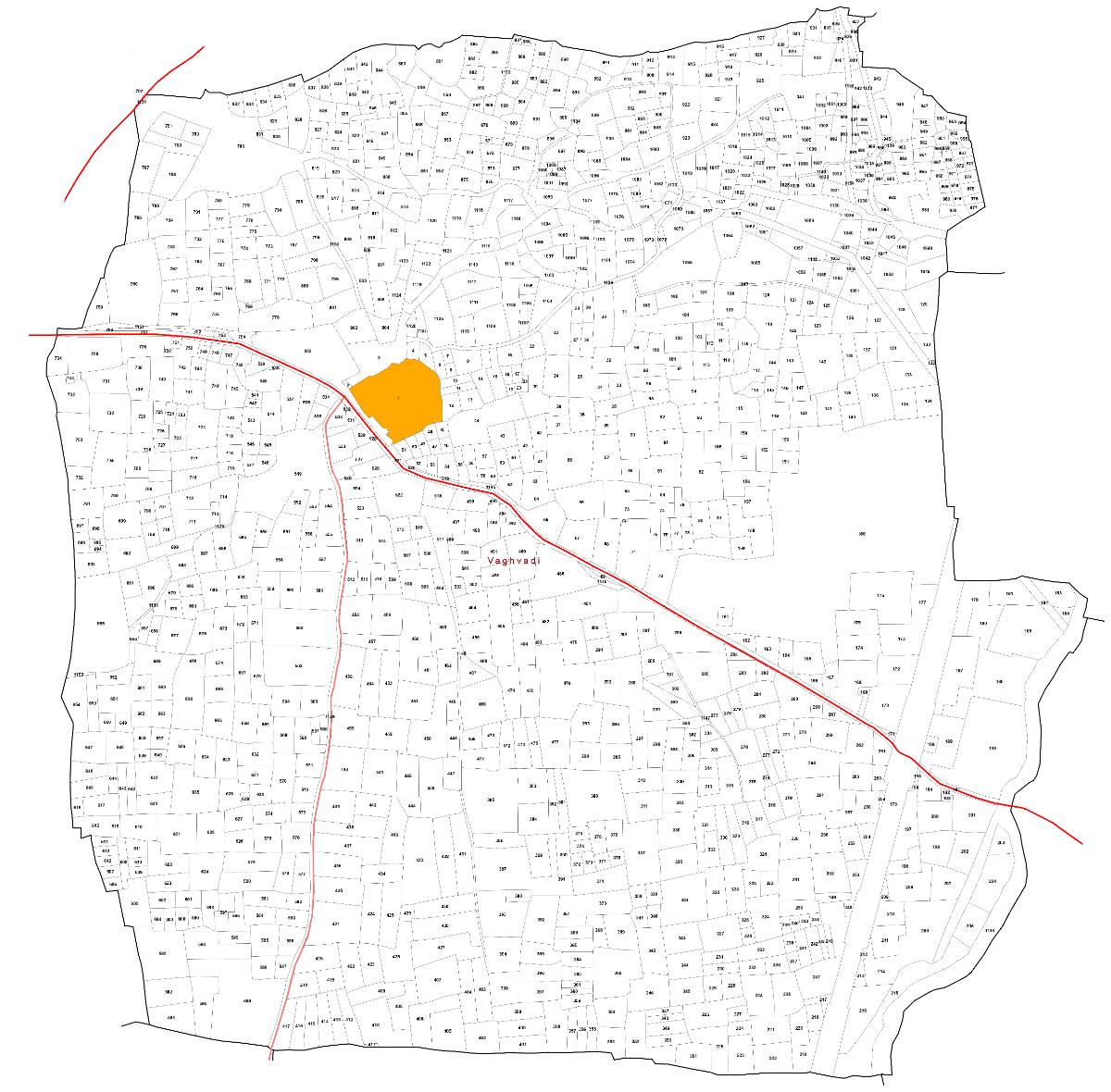
Vaghvadi is a village in Kheralu taluka, Mehsana district, Gujarat. The village has a population of 1,959 people according to the 2011 census. With 379 households, the village boasts an 80.8% literacy rate. Vaghvadi's economy is largely agricultural, with 63.3% of the workforce engaged in agriculture.
The village benefits from basic infrastructure. This includes a primary school and a sub centre for health services. Mobile coverage and bus services ensure connectivity to nearby towns like Kheralu, which is 11 km away, and the district headquarters, Mahesana, 55 km distant. Investing in Vaghvadi requires careful consideration. Factors include land records verification and understanding future growth potential.
Location and Geography of Vaghvadi

Vaghvadi is located in the Kheralu sub district of Mehsana district in Gujarat. The village is situated 11 km away from Kheralu, the sub district headquarters. It is 55 km from Mahesana, the district headquarters. The nearest town is also Kheralu. This proximity provides access to local markets and administrative services.
The total geographical area of Vaghvadi is 964.2 hectares. This translates to a population density of approximately 2.0 persons per hectare. This relatively low density suggests a rural setting. The terrain is likely typical of the North Gujarat plains. The area is characterized by fertile land suitable for agriculture.
Information regarding specific soil types in Vaghvadi is not available in the provided census data. However, the region generally features alluvial soils. These are well suited for cultivating crops like cotton, millet, and pulses. Water resources are also crucial. The availability of irrigation, whether from canals, wells, or groundwater, would significantly impact agricultural productivity in Vaghvadi. Access to consistent water supply would enhance investment prospects.
Detailed topographic maps and geological surveys would provide a clearer understanding of the terrain. These would also offer insights into soil composition. Data on water table levels and irrigation infrastructure is necessary to assess agricultural potential comprehensively. This deeper analysis helps investors make informed decisions. Understanding the land is important before investing.
Socio-Demographics of Vaghvadi
The 2011 Census provides valuable insights into the socio demographic structure of Vaghvadi. The total population of the village is 1,959 individuals. This consists of 1,026 males and 933 females. The sex ratio in Vaghvadi is 909 females per 1,000 males. This is lower than the national average.
There are 379 households in Vaghvadi. The literacy rate is 80.8%. This suggests a relatively high level of educational attainment within the village. The literacy rate is a positive indicator for future development. A more educated populace is more likely to adopt new technologies and practices.
Scheduled Castes (SC) comprise a significant portion of Vaghvadi’s population. The SC population is 394 individuals. The worker participation rate is 50.3%. This indicates the proportion of the population engaged in some form of economic activity.
Agriculture dominates the local economy. 63.3% of the workforce is employed in agriculture. This highlights farming to the village's livelihood. Out of a total of 986 workers, 214 are main cultivators, and 410 are agricultural laborers. This breakdown shows the reliance on both land ownership and farm labor. These demographic insights are critical for land investors to understand the social and economic context of Vaghvadi.

Planning and Governance in Vaghvadi
Vaghvadi falls under the jurisdiction of its own Gram Panchayat. The Gram Panchayat is responsible for local governance. This includes basic services and developmental activities. Understanding local regulations is critical for property buyers and land investors.
Information on specific Floor Space Index (FSI) or Floor Area Ratio (FAR) rules is not available in the census data. These rules dictate the permissible construction area on a given plot of land. Similarly, specific land use zoning regulations are not provided. Investors need to determine what type of construction is permitted.
The process of Non Agricultural (NA) conversion is important. NA conversion allows agricultural land to be used for non agricultural purposes. This often involves obtaining permission from the relevant authorities. It is important to follow these rules carefully.
Alignment with any broader Master Plan is a crucial consideration. The local governing bodies establish these plans. These plans provide a framework for development in the region. Investors should investigate whether the area falls within any planned industrial or residential zones. Contacting the Kheralu Taluka office or the Mehsana District Collector's office could provide further details on land use regulations, NA conversion processes, and Master Plan alignments. The Ministry of Housing and Urban Affairs website provides information on urban and regional planning schemes. https://mohua.gov.in/
Physical Infrastructure in Vaghvadi
Road connectivity is necessary for Vaghvadi's accessibility and economic activity. The census data indicates that the village has bus service connectivity. This facilitates transportation to nearby towns and cities. Access to a reliable transportation network affects land value.
Information on the specific types of roads connecting Vaghvadi is unavailable. Good quality roads are vital for transporting agricultural produce. They also facilitate the movement of people and goods. The PM Gati Shakti National Master Plan aims to improve infrastructure connectivity across India. https://pmgatishakti.gov.in/
Data on power supply specifics is not provided. However, reliable electricity is critical for households and businesses. It supports agricultural activities like irrigation. It is also important for small scale industries.
Information regarding water supply infrastructure is also not specified in the provided census data. Access to clean drinking water supports public health. Irrigation facilities are vital for agriculture.
The census data confirms mobile coverage in Vaghvadi. Good telecom coverage matters for communication and access to information. It supports businesses. It also connects people to the outside world. Reliable telecom infrastructure can enhance the attractiveness of the village for investors and residents.
Social Infrastructure in Vaghvadi
Vaghvadi has one school. This is a primary school according to the census data. Access to education is a key factor in community development. Further information on the school’s facilities, teachers, and enrollment is not available.
The village has one sub centre for health facilities. This provides basic healthcare services to the local population. Accessibility to healthcare is needed for well being. Details on the range of services offered at the sub centre are not included in the census data.
The presence of other local institutions could play an important role in village life. These could include community centers, self help groups, or agricultural cooperatives. Information on these institutions is not available in the census data. These organizations contribute to the social and economic fabric of the village. Investing in social infrastructure improves the quality of life for residents.
Land Records in Vaghvadi
Verifying land records is a crucial step for any property buyer or land investor. This ensures clear ownership and avoids potential disputes. The Digital India Land Records Modernization Programme (DILRMP) aims to modernize land records across the country. https://dolr.gov.in/ This program facilitates online access to land records in many states, including Gujarat.
The first step is to access the Gujarat state land records portal. This is typically called e Dharati or a similar name. The exact portal name can be found on the Gujarat government's revenue department website. You will need details such as the district (Mehsana), taluka (Kheralu), village (Vaghvadi), and survey number of the land.
The land record extract, known as ROR (Record of Rights) or 7/12 extract, shows the current owner of the land, details of any encumbrances (loans or mortgages), and the type of land (agricultural, residential, etc.). Make sure the name on the ROR matches the seller's identity.
Checking for mutations is also critical. A mutation is a transfer of ownership. Verify all past mutations related to the land. This helps trace the title chain. The title chain shows the history of ownership transfers.
To verify the title chain, obtain copies of previous sale deeds and inheritance documents. These documents can be accessed through the sub registrar's office. This office is located in Kheralu. A thorough title search conducted by a lawyer is recommended.
It is also important to check for any pending legal disputes related to the land. This can be done by searching court records. Ensure that the land is free from any encumbrances. Obtaining a non encumbrance certificate from the sub registrar's office is advised. Always conduct due diligence. Verify all documents before making any investment.
Economic Engine of Vaghvadi
Agriculture forms the backbone of Vaghvadi’s economy. The census data indicates that 63.3% of the workforce is engaged in agriculture. This underlines the importance of farming activities.
The main occupations in the village are cultivators and agricultural laborers. The census identifies 214 individuals as main cultivators. There are 410 agricultural laborers. This distribution reflects the agricultural nature of the economy.
Information on nearby industries is not provided in the census data. However, the proximity to Kheralu (11 km) and Mahesana (55 km) suggests some level of economic interaction. These towns likely provide markets for agricultural produce. They also offer opportunities for employment in other sectors.
Commuter patterns are not specifically detailed in the census. It is likely that some residents commute to Kheralu or Mahesana for work or business. This commuting is facilitated by the available bus service.
Understanding the local economy is important for investors. Agricultural productivity, market access, and the availability of non farm employment opportunities influence the overall economic health of Vaghvadi. Diversifying the economy beyond agriculture could lead to increased prosperity.
Investment Potential and ROI in Vaghvadi
Investing in land in Vaghvadi presents both opportunities and risks. Analyzing land price trends is crucial. Unfortunately, the census data does not provide specific information on land prices. Local real estate brokers and market research can offer insights into current land values.
The investment potential is tied to several factors. These include agricultural productivity, infrastructure development, and connectivity. The literacy rate of 80.8% is a positive sign. So is the availability of mobile coverage.
However, the heavy reliance on agriculture makes the village vulnerable to weather related risks. Limited diversification could constrain growth. The agricultural dependency could limit the return on investment.
A balanced assessment is essential. Investors should consider both the potential upsides and the potential downsides. Due diligence is vital. This includes verifying land records and understanding local regulations.
Disclaimer: Investing in land carries inherent risks. Land prices can fluctuate. Development plans can change. Past performance is not indicative of future results. Consult with financial and legal professionals before making any investment decisions. This analysis is based on limited census data. Additional research is necessary for informed decision making. NITI Aayog provides insights on rural development and investment. https://niti.gov.in/
Growth Outlook, Strengths and Weaknesses, and SWOT Analysis
Vaghvadi's growth outlook is closely linked to the overall development of the Kheralu taluka and Mehsana district. Improvements in infrastructure, such as better roads and reliable power supply, could stimulate economic activity. Diversification away from agriculture could also foster growth.
Strengths:
- Relatively high literacy rate (80.8%).
- Mobile coverage and bus service connectivity.
- Presence of a Gram Panchayat for local governance.
- Agricultural land is fertile (based on general regional characteristics).
Weaknesses:
- Heavy reliance on agriculture (63.3% workforce).
- Lower sex ratio (909 females per 1,000 males).
- Limited access to advanced healthcare (one sub centre).
- Nearest town and sub district headquarters are 11km away.
SWOT Analysis:
| Feature | Description |
|---|---|
| Strengths | High literacy, connectivity, local governance, fertile land. |
| Weaknesses | Agricultural dependency, lower sex ratio, limited healthcare access, distance from urban centres. |
| Opportunities | Infrastructure development, economic diversification, improved healthcare and education facilities. |
| Threats | Weather related risks to agriculture, fluctuating land prices, regulatory changes, lack of investment. |
The opportunities for Vaghvadi include attracting investment in small scale industries. Improving healthcare facilities and educational institutions could also enhance quality of life. Threats include the vulnerability of agriculture to climate change. Unfavorable land price fluctuations are also a threat.
The worker participation rate of 50.3% shows there is potential for growth. Skill development and employment generation initiatives are required. A comprehensive development strategy is needed. This strategy should leverage the village's strengths. It should also address its weaknesses. Strategic planning is vital for sustainable growth.
Frequently Asked Questions
How can I verify the land ownership in Vaghvadi? You can verify land ownership by checking the 7/12 extract (Record of Rights) on the Gujarat state land records portal. A lawyer can help conduct a title search at the sub registrar's office in Kheralu.
What is the process for converting agricultural land to non agricultural (NA) land in Vaghvadi? The process involves applying to the relevant authorities, typically the Talati or Mamlatdar. They are located at the Kheralu Taluka office. You will need to submit documents and pay applicable fees. This allows the land to be used for residential or commercial purposes.
What are the main crops grown in Vaghvadi? While the census data doesn't list specific crops, the region generally grows cotton, millet, and pulses. Check with local farmers for current details.
What kind of infrastructure is available in Vaghvadi? Vaghvadi has a primary school, a sub centre for health services, mobile coverage, and bus service connectivity. More detailed data is not available.
How can I find out about current land prices in Vaghvadi? Contact local real estate brokers. They can provide information on land values. Market research can also help assess land prices in the area.
Conclusion
Vaghvadi presents a mixed picture for potential investors. The village has a relatively high literacy rate and basic infrastructure. However, the heavy reliance on agriculture and limited access to certain services pose challenges. Careful due diligence, including land record verification and market research, is necessary for making informed investment decisions.