Kheralu Nanivada Village Map & Land Investment Guide
Executive Summary
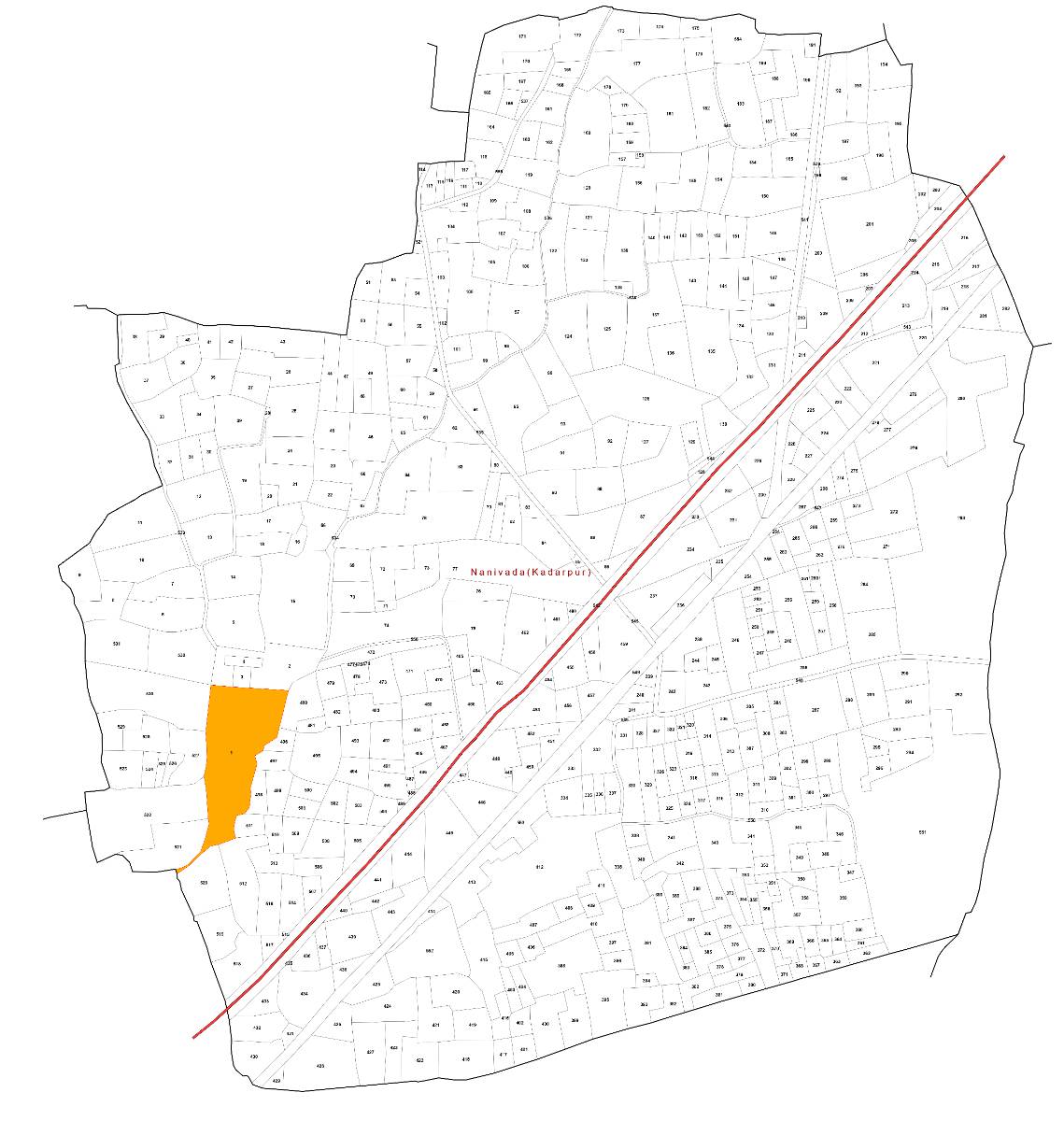
Nanivada, a village in Kheralu Taluka of Mehsana district, Gujarat, presents a unique opportunity for property buyers and land investors. With a population of 3,070, as per the 2011 census, the village offers a glimpse into rural Gujarat, blending traditional agriculture with developing infrastructure. The village's accessibility, with Kheralu town just 7 km away and Mehsana city at 48 km, makes it a potentially attractive location. However, investors should carefully consider factors such as land records, local regulations, and economic drivers to maximize returns. The Mehsana Development Plan 2045 is also relevant to understand the long-term vision for the region.
Nanivada's economy is heavily reliant on agriculture, with a significant portion of the workforce engaged as cultivators and agricultural laborers. This agricultural dependency, combined with a literacy rate of 68.9%, highlights the need for improved education and skill development to diversify the economy. Understanding the nuances of land ownership, the conversion process, and the influence of the Mehsana Development Plan 2045 are all key to making sound investment decisions.

Location and Geography
Nanivada is situated within the Kheralu Taluka of Mehsana district in Gujarat. It is approximately 7 kilometers away from Kheralu, the nearest town and sub district headquarters. Mehsana, the district headquarters, is located 48 kilometers away from the village. This proximity to both a smaller town and a larger district center provides a balance of rural tranquility and access to essential services and markets.
The total geographical area of Nanivada is 493.9 hectares. The census data doesn't specify precise geographical coordinates. However, knowing the location within Mehsana district and Kheralu Taluka is important for identifying it on maps and understanding its regional context. The village's terrain likely consists of relatively flat agricultural land typical of the region.
Detailed information about the specific soil type in Nanivada is not provided in the census data. Generally, the soils in Mehsana district are alluvial, suitable for cultivating crops like cotton, millet, and pulses. Water resources are essential for agriculture in the region. While the census doesn't explicitly mention rivers or lakes, the dependence on agriculture suggests the presence of irrigation systems, possibly relying on groundwater or canal networks. Access to reliable water sources significantly affects the agricultural productivity of the village.
Understanding the geography is key. The soil quality impacts what can be grown. The presence of irrigation will impact yield. The proximity to Kheralu and Mehsana also impacts market access. These factors combined create the overall land potential.
Socio Demographic Profile
According to the 2011 census, the population of Nanivada is 3,070. This consists of 1,616 males and 1,454 females. The number of households in the village is 602. These basic demographic figures are fundamental for understanding the scale of the village and the potential demand for housing and services.
The literacy rate in Nanivada is 68.9%. This indicates that a significant portion of the population is literate, but there's still room for improvement. Educational initiatives could boost the literacy rate and improve the overall quality of life in the village. The Scheduled Castes population in Nanivada is 289, indicating the presence of a socially disadvantaged group.
The sex ratio in Nanivada is 900 females per 1,000 males. This shows a gender imbalance. The worker participation rate is 33.5%. This represents the proportion of the population engaged in economic activities. A lower participation rate suggests potential for increasing employment opportunities within the village.
The workforce composition is heavily skewed towards agriculture. 75.6% of the workforce is engaged in agriculture. This highlights the economic dependency on farming. The total number of workers is 1,029, with 451 being main cultivators and 327 being agricultural laborers. This data reveals the need for diversification and alternative employment opportunities in the village.
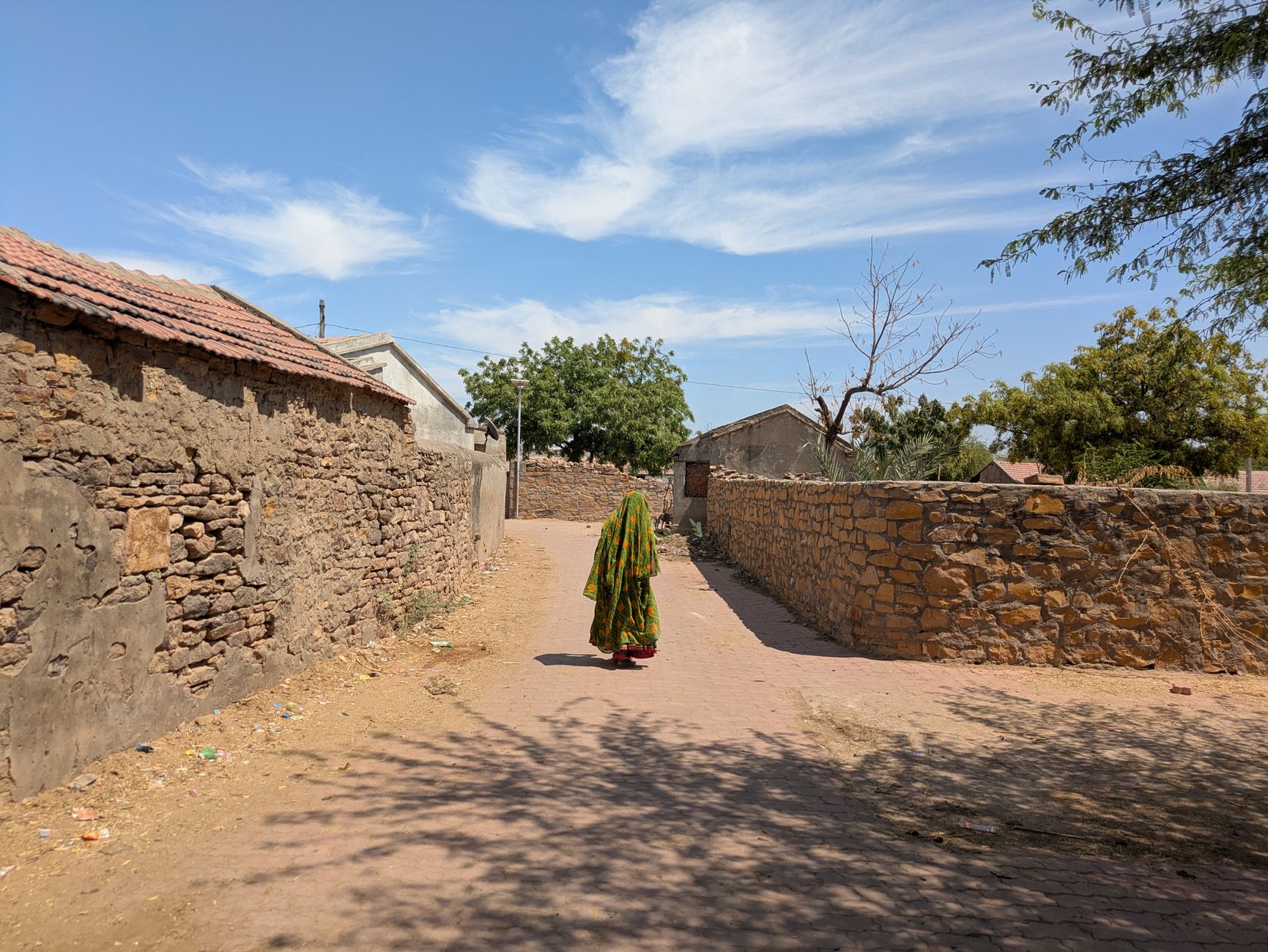
Planning and Governance
Detailed information regarding specific FSI/FAR rules for Nanivada is not available in the provided census data. It's important to consult with the local municipal authorities in Kheralu to understand the prevailing FSI and FAR regulations. These regulations will significantly impact the potential for construction and development activities on any land parcel.
Similarly, specific land use zoning regulations for Nanivada are also not detailed in the census. It's vital to investigate the designated land use zones, such as residential, commercial, agricultural, or industrial, as these classifications will determine the permissible activities on the land. Land use information should be available at the Kheralu Taluka office or the Mehsana District Planning Office. The Mehsana Urban Development Authority (MUDA) may also have relevant information.
The NA (Non Agricultural) conversion process is a critical step when converting agricultural land for non agricultural purposes, such as residential, commercial, or industrial use. This process involves obtaining permission from the relevant authorities, typically the district collector's office. The process involves submitting an application, providing land documents, and paying the necessary conversion fees. It's important to be aware of the applicable rules, regulations, and timelines involved in the NA conversion process.
The Mehsana Development Plan 2045, formulated by the Mehsana Urban Development Authority (MUDA), outlines the planned development and infrastructure projects for the entire region, including villages like Nanivada. It will likely influence land use zoning, infrastructure development, and overall growth patterns. Aligning any investment plans with the Mehsana Development Plan 2045 is crucial to ensure compliance and maximize potential returns. This plan is meant to guide the structured growth of the region. You can find more information on the MUDA website.
Physical Infrastructure
Nanivada benefits from basic road connectivity, as indicated by the census data. While specific details about road types (e.g., paved, unpaved) are not provided, the presence of road connectivity is needed for transportation of goods and people. Further investigation would be needed to assess the quality and condition of the roads. It is key to also assess connection to major state and national highways. PM Gati Shakti is a national master plan for multi modal connectivity. It can provide insights into future infrastructure upgrades. https://pmgatishakti.gov.in/
The census data does not provide specific information about the power supply situation in Nanivada. However, it is reasonable to assume that the village has access to electricity, as it is a basic necessity. The reliability and quality of the power supply may vary, which could impact the feasibility of certain types of development.
Similarly, the census lacks explicit information about the water supply infrastructure. Given the agricultural dependency of the village, access to water is crucial. The water supply could be sourced from groundwater, wells, or a piped water supply system. The availability and quality of water resources need to be assessed thoroughly for any investment.
The census confirms the presence of mobile coverage in Nanivada. This implies that residents have access to mobile phone services, which is a significant communication tool. This also hints that internet access is possible through mobile data. While internet penetration is unknown, mobile coverage is a start.
Social Infrastructure
Nanivada has 3 schools, according to the 2011 census. Two of these are primary schools, providing basic education to younger children. There is also one secondary school. This allows students to continue their education beyond the primary level. Further details about the quality of education, infrastructure, and teacher qualifications are not available in the census data.
The village has one sub center for health facilities. A sub center provides basic healthcare services to the local population. The sub center may offer services such as vaccinations, antenatal care, and treatment for common illnesses. The availability of more advanced medical facilities may require traveling to nearby towns or cities.
The census data doesn't specify details about local institutions. Villages often have community centers, self help groups, or other organizations that contribute to social cohesion and development. Further local enquiry is needed to identify community facilities. These play an important role in the village.
Land Records Verification
Verifying land records is a crucial step before investing in land in Nanivada or any other part of Gujarat. The state government provides online access to land records through the Digital India Land Records Modernization Programme (DILRMP) initiative: https://dolr.gov.in/
Here's a step by step guide:
- Access the Gujarat Land Records Portal: Visit the official website of the Gujarat Revenue Department or the E Dhara portal. The exact URL may vary, so search for Gujarat land records on a search engine.
- Select District, Taluka, and Village: On the portal, you will typically need to select the district (Mehsana), taluka (Kheralu), and village (Nanivada) from the drop down menus.
- Choose a Search Option: You can search for land records using various criteria, such as:
- Survey Number/Block Number: This is the unique identifier for a land parcel.
- Owner's Name: You can search using the name of the landowner.
- Index Number: This is used for registered documents.
- View and Verify Records: Once you have entered the search criteria, the portal will display the relevant land records. These records typically include details such as:
- Owner's Name
- Survey Number
- Area of the Land
- Land Type (Agricultural, Non Agricultural)
- Encumbrances (if any)
- Check for Mutations: Mutation records show the transfer of ownership of land. It's important to check the mutation history to ensure that the current owner has a clear title to the property. The E Dhara portal also provides access to mutation records.
- Verify the Title Chain: It is crucial to verify the title chain, which is the historical record of ownership transfers for the land. This can be done by examining the registered sale deeds and other relevant documents at the Sub Registrar's office.
- Encumbrance Certificate: Obtain an encumbrance certificate from the Sub Registrar's office. This certificate will reveal any registered mortgages, liens, or other encumbrances on the property.
- Physical Verification: Always conduct a physical verification of the land to ensure that the boundaries match the land records. You may need to hire a surveyor to do this.
Always consult with a lawyer specializing in property law to review the land records and provide legal advice. Land records can be complex. Professional help is always recommended.
Economic Drivers
The local economy of Nanivada is primarily driven by agriculture. According to the 2011 census, 75.6% of the workforce is engaged in agricultural activities. This makes the village highly dependent on farming. Within the agricultural sector, there are 451 main cultivators and 327 agricultural laborers. Cultivators are landowners who cultivate their own land. Agricultural laborers work on other people's farms for wages.
The census data does not provide specific information about nearby industries. Kheralu and Mehsana are regional economic hubs. These likely influence Nanivada. Potential industries could include agro processing, dairy farming, or small scale manufacturing. These are often linked to the surrounding agriculture.
Commuter patterns are not explicitly detailed in the census data. It is probable that some residents of Nanivada commute to Kheralu or Mehsana for work, education, or healthcare. This commute is supported by available bus services. Understanding these patterns is vital. This determines demand for housing and transport.
The economy should be diversified. This reduces dependency on agriculture. Focus on skill development. Provide alternate livelihood options. This will improve the overall economic resilience of the village. NITI Aayog focuses on sustainable development initiatives at the village level: https://niti.gov.in/
Investment and ROI
Land prices in Nanivada are not specified in the census. Land values depend on location, size, and potential use. Agricultural land will differ from land zoned for residential use. Recent sales data needs to be examined. Local real estate brokers can help.
Assessing investment potential requires considering several factors. The village's proximity to Kheralu and Mehsana makes it accessible. The planned Mehsana Development Plan 2045 could boost land values. Diversifying the economy is also crucial. Improving education and infrastructure are also important.
Land investment carries risk. Economic downturns can lower property values. Changes in zoning regulations can impact land use. It is important to do your research. Seek professional advice.
It is important to consult local experts before making any investment decisions. Land investment depends on various factors. Future land prices depend on the demand. There is no guarantee of profit. The information provided is for informational purposes only. It is not financial advice.
Strategic Analysis
Nanivada has the potential for growth. The village is near Kheralu and Mehsana. The Mehsana Development Plan 2045 can help. Investing in infrastructure will boost the region. Improved education will increase the quality of life. This will overall drive growth.
However, there are weaknesses. The literacy rate is low. The economy relies heavily on agriculture. Infrastructure needs improvement. Land records need modernization. Addressing these weaknesses is key.
SWOT Analysis of Nanivada:
| Strengths | Weaknesses |
|---|---|
| Proximity to Kheralu and Mehsana | Low literacy rate (68.9%) |
| Road connectivity and Mobile coverage | Heavy reliance on agriculture (75.6% workforce) |
| Availability of schools (3) and a sub centre | Need for infrastructure upgrades |
| Opportunities | Threats |
|---|---|
| Mehsana Development Plan 2045 | Economic downturn impacting land values |
| Diversification of the economy | Changes in zoning regulations |
| Improved education and skill development | Delays in infrastructure projects |
The strengths provide a base for the future. Opportunities can build on these. Addressing weaknesses and threats are key. This will lead to long term sustainable growth.
Frequently Asked Questions
- How can I verify the land ownership in Nanivada? You can verify land ownership by accessing the Gujarat land records portal online, searching by survey number or owner's name, and obtaining an encumbrance certificate from the Sub Registrar's office.
- What is the process for converting agricultural land to non agricultural land in Nanivada? The NA conversion process involves applying to the district collector's office, submitting land documents, paying conversion fees, and obtaining the necessary permissions. Consult with a local lawyer for assistance.
- What are the key factors to consider before investing in land in Nanivada? Consider location, land use zoning, potential for development, infrastructure availability, land record verification, and alignment with the Mehsana Development Plan 2045.
- What are the main economic activities in Nanivada? The main economic activities are agriculture, with cultivators and agricultural laborers comprising a significant portion of the workforce.
- How does the Mehsana Development Plan 2045 impact land investments in Nanivada? The Mehsana Development Plan 2045 outlines the planned development and infrastructure projects for the region, influencing land use zoning, infrastructure development, and overall growth patterns, so aligning investments with the plan is crucial.
Conclusion
Nanivada presents opportunities for property buyers and land investors. However, due diligence is key. Understand local regulations. Verify land records. Assess infrastructure. Align your plans with the Mehsana Development Plan 2045. With careful planning, Nanivada can be a rewarding investment.