Unjha Unava Village Map & Land Investment Guide
Executive Summary
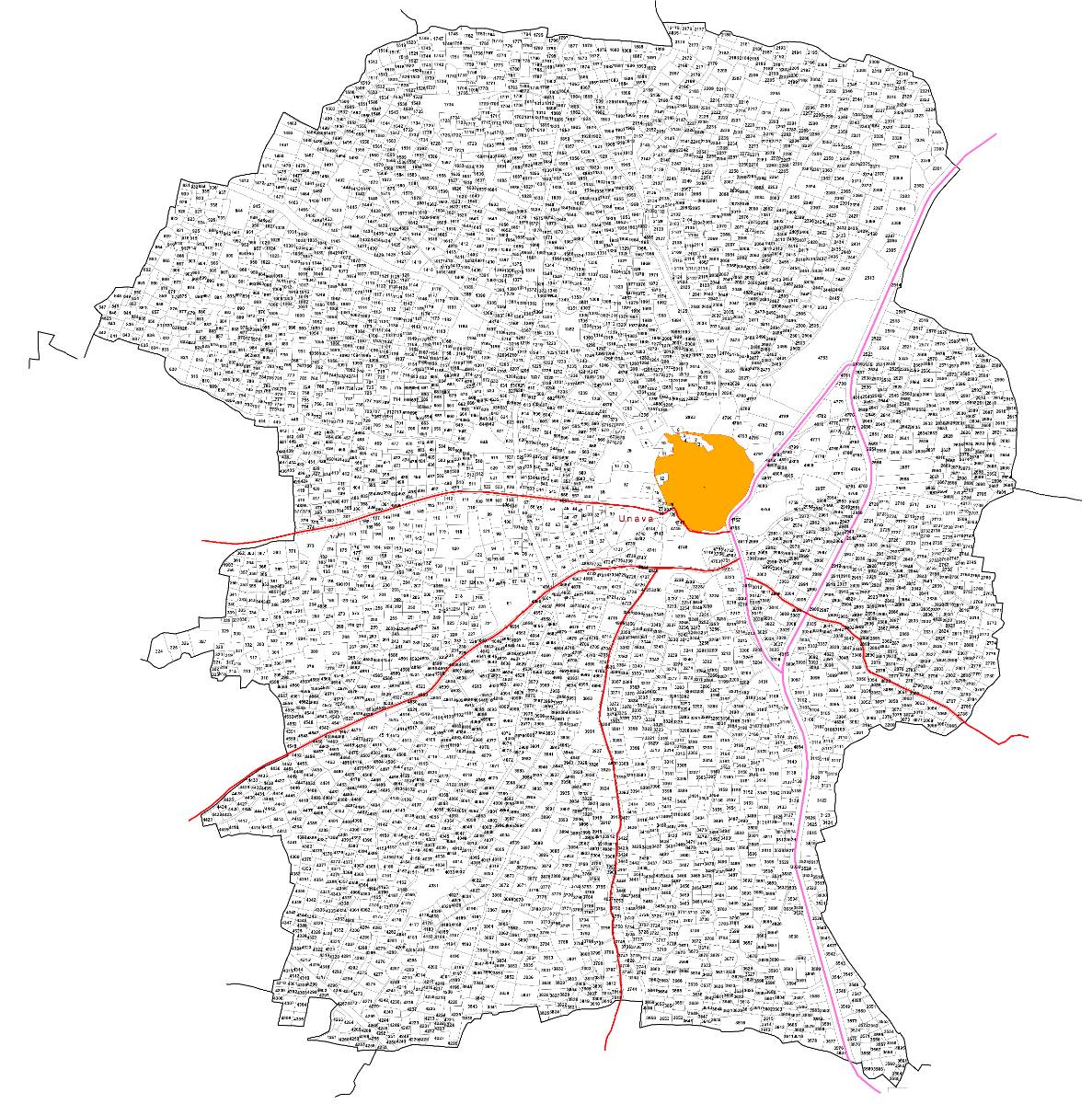
Unava is a village located in the Mehsana district of Gujarat. It is near the town of Unjha, at a distance of 4 kilometers. The district headquarters of Mahesana is 16 kilometers away. The village offers a blend of agricultural roots and increasing connectivity. This makes it potentially attractive for investors seeking rural land with access to urban amenities.
The village has a population of 12,901 people. There are 2,749 households in Unava. The literacy rate is high, at 91.7%. This indicates a focus on education within the community. While agriculture is a key part of the local economy, Unava is also showing signs of growth. Proximity to Unjha and Mahesana offers opportunities for economic diversification.
Land investment in Unava requires careful due diligence. Verifying land records is crucial to avoid potential issues. Understanding the local land use regulations is also essential. The Mehsana Development Plan 2045 will shape the future of Unava. Investors should align their plans with these long term development goals.
Unava offers a range of infrastructure and services. This includes schools, health facilities, and connectivity. The village has both primary and secondary schools. There is also a Primary Health Centre (PHC). Mobile coverage and bus services are available. These amenities contribute to the quality of life in Unava.
The village has its strengths and weaknesses. The high literacy rate is a strength. This can attract businesses looking for a skilled workforce. Agricultural dependency is a weakness. This vulnerability needs to be addressed by diversifying the local economy. The Mehsana Development Plan 2045 presents opportunities for growth and development in Unava.
Location and Geography
Unava is situated in the Mehsana district of Gujarat. It is conveniently located 4 kilometers from Unjha, a nearby town. Mahesana, the district headquarters, is 16 kilometers away. This proximity offers residents access to urban amenities and services. The village's Gram Panchayat is named Unava.

The total geographical area of Unava is 2263.3 hectares. That’s a substantial land area. The terrain is likely to be relatively flat, typical of the plains of Gujarat. This is suitable for agriculture. Specific data on soil type isn't available from the census. The soil is likely alluvial, as it is common in many parts of Gujarat.
Information about the coordinates of Unava is not available in the census data. Specifics about the region's geological features are also unavailable. However, Gujarat generally experiences hot and dry summers. The area relies on monsoon rains for water resources. Local water bodies like ponds and canals may supplement this.
Access to water is necessary for agriculture in Unava. Details on irrigation systems used are not included in the census. Farmers likely use a combination of traditional methods and modern techniques. Ground water resources are also critical for irrigation and domestic use. Sustainable water management is important for the long term prosperity of Unava.
The location of Unava between Unjha and Mahesana provides a strategic advantage. It is close enough to benefit from urban growth. At the same time, it retains its rural character. This balance can be attractive for both residents and investors. Further development will need careful planning to preserve its unique identity.
Socio Demographic Profile
The population of Unava, as per the 2011 Census, is 12,901. This includes 6,701 males and 6,200 females. The total number of households in the village is 2,749. These figures provide a basis for understanding the village's social structure. They also reflect its potential for future growth.
Unava has a high literacy rate of 91.7%. This suggests a strong emphasis on education within the community. A literate population is better equipped to participate in the workforce. It can also contribute to the overall development of the village.
The sex ratio in Unava is 925 females per 1,000 males. This figure indicates a slight imbalance. Addressing gender inequality and ensuring the well being of women is important. The Scheduled Castes population is 632, while the Scheduled Tribes population is 19. These demographic details highlight the diversity of Unava.

The worker participation rate in Unava is 35.0%. This means that a significant portion of the population is actively engaged in economic activities. Of these workers, 42.5% are involved in agriculture. This demonstrates the importance of agriculture to the local economy. There are 4,514 total workers. 1,248 are main cultivators and 672 are agricultural labourers. This data reveals the occupational structure of the working population.
The census data provides a snapshot of Unava's socio demographic profile. This information is useful for planning and development initiatives. These initiatives should address the specific needs of the community. They should also leverage the strengths of its population.
Planning and Governance
Understanding planning regulations is key for property buyers and land investors. These regulations dictate how land can be used. They ensure orderly development and protect community interests. In Gujarat, these regulations are typically managed at the state and local levels.
Information about the Floor Space Index (FSI) or Floor Area Ratio (FAR) for Unava is not available in the census data. FSI/FAR determines the amount of construction allowed on a plot of land. It is crucial to check with the local authorities, like the Unava Gram Panchayat or the Mehsana Urban Development Authority, for current FSI/FAR rules.
Land use zoning regulations specify the permitted uses for different areas. These might include residential, commercial, agricultural, or industrial zones. Details on land use zoning for Unava are not available in the census data. You need to consult the Mehsana Development Plan 2045 and local authorities.
The process of Non Agricultural (NA) conversion is important for changing land use. This process allows agricultural land to be used for non agricultural purposes like housing or business. The NA conversion process in Gujarat involves applying to the relevant authorities. This typically includes submitting documents and paying fees.
The Mehsana Development Plan 2045 will significantly impact Unava. This plan outlines the long term vision for the region's development. It addresses infrastructure, housing, and economic growth. Investors should carefully review the plan to understand future opportunities and potential restrictions. The plan is available on the website of the Gujarat Town Planning and Valuation Department.
The Digital India Land Records Modernization Programme (DILRMP) aims to modernize land records across the country. This includes digitizing records and improving transparency. Checking land records online through the state portal is a crucial step in due diligence. Visit https://dolr.gov.in/ to learn more.
Physical Infrastructure
Road connectivity is a vital aspect of any village's development. Unava benefits from its proximity to Unjha and Mahesana. These towns are connected by roadways. The census data indicates that Unava has bus service. This provides access to nearby urban centers.
Detailed information on the types of roads serving Unava is not available. It is likely that the village is connected by a combination of paved and unpaved roads. Improving road infrastructure can enhance connectivity and boost economic activity. The PM Gati Shakti National Master Plan aims to improve infrastructure connectivity across India. You can find more information at https://pmgatishakti.gov.in/.
The census data doesn't specify the exact details of power supply in Unava. However, most villages in Gujarat have access to electricity. Reliable power supply supports households, businesses, and agriculture. The state government's energy policies ensure electricity reaches rural areas.
Information about the specific source and capacity of water supply in Unava is not available. Typically, villages rely on a combination of groundwater, surface water, and piped water supply. Access to clean and reliable water significantly affects public health and sanitation. Sustainable water management practices are important.
Mobile coverage is available in Unava, according to the census data. This enhances communication and access to information. It enables residents to connect with the outside world. It also supports businesses and economic activities. The expansion of telecom infrastructure has improved connectivity in rural areas.
Social Infrastructure
Unava has a number of schools catering to different levels of education. There are 6 primary schools. The village also has 2 secondary schools and 2 senior secondary schools. This shows that education is a priority in Unava. These schools provide access to learning for children in the community.
The health facilities in Unava include 1 Primary Health Centre (PHC) and 2 sub centres. These facilities provide basic healthcare services to the residents. Access to healthcare matters for the well being of the community. The PHC serves as the first point of contact for medical assistance. Sub centres provide outreach services and focus on preventive care.
Specific details about local institutions in Unava are not provided in the census data. Villages typically have community centers, religious institutions, and self help groups. These institutions play a role in social cohesion and community development. They provide platforms for people to come together and address local issues. They also contribute to the cultural life of the village.
Access to quality education and healthcare are essential for improving the quality of life in Unava. Investing in social infrastructure can lead to better health outcomes. It can also improve educational attainment. This will contribute to the overall development of the village.
Land Records Verification
Verifying land records is an essential step before buying property in Unava. This process helps to ensure that the seller has clear title to the land. It can also uncover any potential disputes or encumbrances. Here's a practical guide on how to verify land records in Gujarat.
The first step is to access the online land records portal of Gujarat. This portal is part of the Digital India Land Records Modernization Programme. The official website provides access to digitized land records. Search for Gujarat e Dharati or visit the Department of Revenue's website.
You will need specific details to search for land records. This includes the district (Mehsana), taluka (Unjha), village (Unava), survey number, and plot number. This information is usually available from the seller or the local land registry office. Enter these details accurately on the portal.
Check the mutation records, also known as Ferfar in Gujarati. Mutation is the process of transferring the title of a property from one person to another. This usually happens when a property is sold or inherited. Examining mutation records helps to trace the history of ownership. It can also reveal any legal issues related to the land.
Verify the title chain to establish the history of ownership. This involves examining past sale deeds, inheritance documents, and other relevant records. A clear title chain is essential to ensure that the seller has the legal right to sell the property. Consult a local lawyer to assist with this process.
Visit the local land registry office in Mehsana or Unjha. This office maintains physical records of land ownership. Compare the online information with the physical records. This helps to confirm the accuracy of the online data. It also helps to identify any discrepancies.
Obtain a copy of the 7/12 extract (Saat Baara Utara). This document provides detailed information about the land. This includes ownership details, land area, type of land, and any encumbrances. The 7/12 extract is a crucial document for verifying land ownership. You can obtain this extract online or from the local land registry office.
Engage a local lawyer or land surveyor to conduct a thorough due diligence. These professionals have expertise in land laws and regulations. They can help to identify any potential risks associated with the property. They can also provide valuable advice on the legal aspects of land transactions.
Economic Engine
Agriculture is a key part of the economy in Unava. The census data shows that 42.5% of the workforce is engaged in agriculture. This includes main cultivators and agricultural laborers. Farming activities likely include cultivating crops such as wheat, millet, and vegetables. The availability of water resources influences agricultural productivity.
The census data provides information on the number of main cultivators and agricultural laborers. There are 1,248 main cultivators and 672 agricultural laborers. This data reveals the structure of the agricultural workforce. It also highlights the importance of farming in the local economy.
Details about nearby industries are not provided in the census data. Unjha is known for its spice market and related trading activities. Mahesana is a larger urban center with a more diversified economy. Residents of Unava may commute to these towns for work in industries and services.
Information on commuter patterns is not available in the census data. Many residents likely commute to Unjha and Mahesana for work, education, and healthcare. Improved transportation infrastructure can facilitate commuting. It can also enhance access to opportunities in nearby urban centers.
The total number of workers in Unava is 4,514. This figure represents the economically active population of the village. Supporting local businesses and creating employment opportunities is important. This can reduce dependency on agriculture. It can also diversify the local economy. Initiatives promoting skill development can enhance the employability of the workforce.
The NITI Aayog contributes to promoting economic development in India. It focuses on sustainable and inclusive growth. Visit https://niti.gov.in/ to learn more about their initiatives. These initiatives can help to transform rural economies.
Investment Potential and ROI
Land prices in Unava are influenced by several factors. These include location, accessibility, land use, and market demand. Proximity to Unjha and Mahesana can drive up land values. The Mehsana Development Plan 2045 can also impact land prices.
Information on specific land price trends is not available in the census data. However, real estate values in Gujarat have generally increased over time. This is driven by economic growth and urbanization. Investors should research recent sales data. They should also consult local real estate agents to understand current market values.
The investment potential in Unava depends on various factors. These include the potential for future development, infrastructure improvements, and economic growth. The Mehsana Development Plan 2045 could unlock opportunities for residential, commercial, or industrial development. Agriculture land can offer opportunities for modern farming techniques.
It is important to conduct a thorough risk assessment before investing in land. This includes verifying land records, checking for encumbrances, and understanding local regulations. Investors should also consider the potential for delays in obtaining approvals. They should factor in market fluctuations.
A balanced assessment of investment potential requires considering both opportunities and risks. Unava offers the potential for long term capital appreciation. However, investors should conduct thorough due diligence. They should also seek professional advice. Investing in land involves risks.
Disclaimer: Land investments are subject to market risks. Past performance is not indicative of future results. Consult with a qualified financial advisor before making any investment decisions. Information provided here is for general guidance only. It does not constitute financial or legal advice.
Real estate investment in Unava presents potential for returns, but investors must exercise caution. They should stay informed and be aware of potential challenges in the local real estate market.
Strategic Analysis
Growth Outlook
Unava's growth outlook is linked to the development of the Mehsana region. The Mehsana Development Plan 2045 is expected to play a major role. The plan aims to improve infrastructure and promote economic growth. Unava's proximity to Unjha and Mahesana can drive its growth. The village can benefit from spillover effects from these urban centers. Diversifying the local economy beyond agriculture is important. This can create new employment opportunities.
Strengths and Weaknesses
Strengths:
- High literacy rate of 91.7%.
- Proximity to Unjha (4 km) and Mahesana (16 km).
- Availability of schools and basic healthcare facilities.
- Mobile coverage and bus service.
Weaknesses:
- Dependency on agriculture. 42.5% of workforce involved in agriculture.
- Sex ratio of 925 females per 1,000 males, indicating a gender imbalance.
- Limited information on local industries.
- Need for improved infrastructure.
SWOT Analysis
| SWOT Element | Description |
|---|---|
| Strengths | High literacy, proximity to urban centers |
| Weaknesses | Agricultural dependency, gender imbalance |
| Opportunities | Mehsana Development Plan 2045, infrastructure improvements |
| Threats | Market fluctuations, regulatory hurdles |
Opportunities:
- The Mehsana Development Plan 2045 presents opportunities for planned development.
- Improving infrastructure can attract investment.
- Promoting skill development can enhance the employability of the workforce.
Threats:
- Market fluctuations can impact land values.
- Regulatory hurdles can delay project approvals.
- Climate change impacts on agriculture.
Frequently Asked Questions
1. How can I verify land ownership in Unava?
Verify land ownership by checking the online land records portal of Gujarat. You can also visit the local land registry office. Engage a lawyer to conduct thorough due diligence.
2. What is the NA conversion process in Gujarat?
The NA conversion process involves applying to the relevant authorities. You will need to submit documents and pay fees. Consult a local lawyer for guidance.
3. What are the key features of the Mehsana Development Plan 2045?
The Mehsana Development Plan 2045 outlines long term development goals. This includes infrastructure, housing, and economic growth. Review the plan to understand future opportunities and potential restrictions.
4. What are the main industries in and around Unava?
Unjha is known for its spice market. Mahesana has a more diversified economy with various industries. Commuting to these towns for work is common.
5. What are the potential risks of investing in land in Unava?
Potential risks include market fluctuations and regulatory hurdles. It's important to verify land records and conduct a thorough risk assessment.
Conclusion
Unava presents a blend of rural charm and growing connectivity. Its high literacy rate and proximity to urban centers make it potentially attractive. Investors should carefully consider both opportunities and risks. Understanding local regulations and conducting due diligence are crucial for success. The Mehsana Development Plan 2045 will shape Unava's future. Careful planning and strategic investments can unlock its potential.