Vadnagar Karbatiya Village Map & Land Investment Guide
Executive Summary
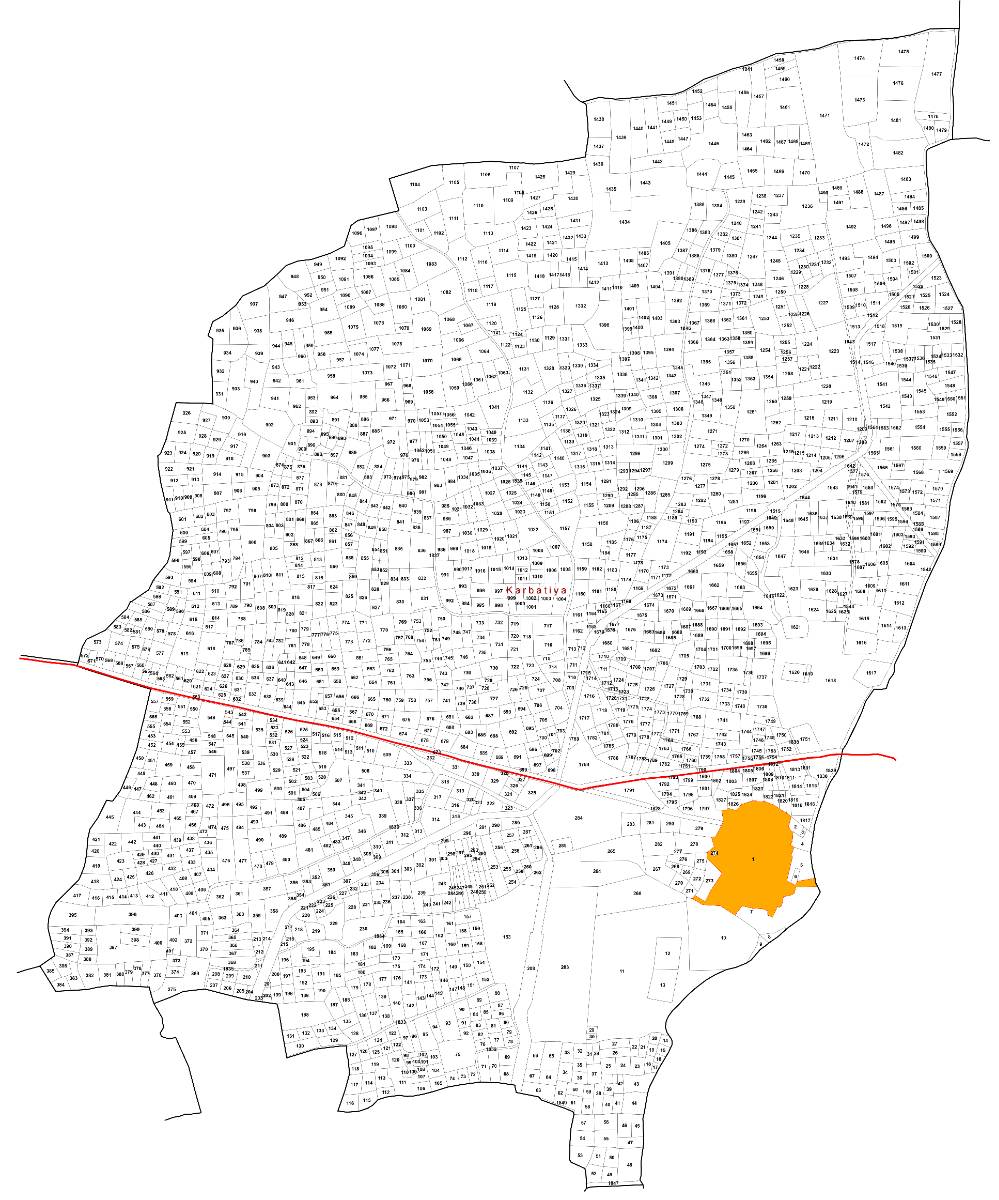
Karbatiya is a village in Vadnagar, Mehsana, Gujarat, presenting both opportunities and challenges for property buyers and land investors. The village has a population of 3,166 people and a literacy rate of 82.3%. Its economy is heavily reliant on agriculture, with 63.0% of the workforce engaged in agricultural activities.
While Karbatiya benefits from basic infrastructure such as schools and health facilities, and good connectivity through mobile coverage and bus service, potential investors should carefully consider factors like agricultural dependency, land record verification, and alignment with regional development plans such as the Mehsana Development Plan 2045. Understanding these aspects will be key to making informed investment decisions.
The village’s location near Vadnagar and Mahesana, coupled with its relatively affordable land prices, make it attractive for those seeking rural properties. However, due diligence is necessary to assess land titles, understand zoning regulations, and anticipate future growth patterns. This guide provides a comprehensive overview of Karbatiya to assist prospective buyers in evaluating the village's investment potential.
Location and Geography of Karbatiya
Karbatiya is situated in the Vadnagar taluka of the Mehsana district in Gujarat. Vadnagar, known for its historical significance, is located approximately 8 kilometers from Karbatiya and serves as both the nearest town and the sub district headquarters. The district headquarters, Mahesana, is about 43 kilometers away. Understanding Karbatiya's geography is important when considering land investments.
The total geographical area of Karbatiya is 1034.9 hectares. This provides a sense of the village's scale and the availability of land for different purposes. Information about the terrain, soil type, and specific water resources within Karbatiya is not available in the provided census data. However, the region generally experiences a semi arid climate and the soil is suitable for agriculture.
Water resources are likely to include a combination of groundwater, wells, and possibly small local water bodies. The reliance on agriculture, with 63.0% of the workforce involved in agriculture, suggests the importance of water management for the local economy. Farmers likely use irrigation techniques to supplement rainfall.
Further investigation into local geographical factors, such as soil quality reports and water availability studies, would be beneficial for potential land buyers. Examining the proximity to any rivers, canals, or significant water bodies is equally important. These factors can directly affect agricultural yields and the overall value of the land.
The PM Gati Shakti National Master Plan could provide insights into planned infrastructure projects in the region, which could impact land values in Karbatiya. For example, new road or rail links could improve connectivity and accessibility, increasing the attractiveness of the area for investment (https://pmgatishakti.gov.in/). Checking for any overlap between Karbatiya and planned development corridors is a prudent step for investors.

Socio Demographic Profile
The population of Karbatiya, according to the 2011 Census, is 3,166 individuals. This comprises 1,633 males and 1,533 females, resulting in a sex ratio of 939 females per 1,000 males. This ratio is an important demographic indicator for understanding the social dynamics of the village.
There are 708 households in Karbatiya. This number gives an idea of the average household size and the residential density of the village. Understanding household distribution is important for planning infrastructure and services.
The literacy rate in Karbatiya is 82.3%. This figure is a positive indicator of the community's educational attainment and potential for future development. Higher literacy rates often correlate with greater economic opportunities and improved living standards.
The Scheduled Castes (SC) population in Karbatiya is 538, while the Scheduled Tribes (ST) population is 4. These numbers highlight the social composition of the village and the need for inclusive development strategies. Understanding caste demographics significantly affects social planning and ensuring equitable access to resources.
The worker participation rate in Karbatiya is 37.2%. This means that a little over a third of the population is actively engaged in the workforce. Of these workers, 63.0% are involved in agriculture, highlighting the village's strong agricultural base. A total of 1,177 people are classified as workers, with 413 being main cultivators and 328 being agricultural laborers. These figures provide a detailed breakdown of the economic activities within the village.
Planning and Governance Aspects
Understanding the planning and governance framework matters for property buyers and land investors. This involves investigating aspects such as Floor Space Index (FSI) or Floor Area Ratio (FAR) rules, land use zoning regulations, the Non-Agricultural (NA) land conversion process, and alignment with the Mehsana Development Plan 2045.
Information regarding specific FSI or FAR rules applicable to Karbatiya is not provided in the census data. However, these rules are typically determined by the local municipal authority or the relevant town and country planning department. FSI dictates the maximum permissible construction area on a given plot of land. Investors need to determine the applicable FSI to assess the development potential of their land.
Land use zoning specifies how different areas within the village can be used, such as for residential, commercial, agricultural, or industrial purposes. These zones are usually outlined in the local development plan. Investors should verify the zoning of their land to ensure it aligns with their intended use.
Converting agricultural land to non agricultural (NA) use is a common requirement for developing properties for residential, commercial, or industrial purposes. The NA conversion process in Gujarat involves obtaining permission from the relevant authorities, such as the Collector's office. This process typically requires submitting various documents and paying conversion charges.
The Mehsana Development Plan 2045 is a crucial document that outlines the long term development vision for the entire Mehsana district, including Karbatiya. This plan likely includes provisions for infrastructure development, land use zoning, and environmental conservation. Investors should study this plan carefully to understand how Karbatiya is expected to develop in the future.
The NITI Aayog's guidelines on sustainable urban planning can provide a broader context for understanding development policies in the region (https://niti.gov.in/). These guidelines often emphasize integrated planning, citizen participation, and environmental sustainability. Investors should consider these principles when evaluating the long term viability of their investments.
Physical Infrastructure
Physical infrastructure is central to the development of any area. For Karbatiya, key aspects include road connectivity, power supply, water supply, and telecom coverage. According to the census data, Karbatiya has mobile coverage and bus service. However, specific details on the quality of roads, frequency of bus service, and reliability of mobile connectivity are not provided.
Road connectivity is necessary for accessing markets, services, and employment opportunities. The fact that Vadnagar, the nearest town and sub district headquarters, is 8 kilometers away suggests that Karbatiya is reasonably well connected. However, the quality of the road network, including whether roads are paved or unpaved, can significantly impact transportation efficiency.
Information on the power supply situation in Karbatiya is not available in the census data. However, electricity is generally provided by the state electricity board, Gujarat Urja Vikas Nigam Limited (GUVNL). Reliable power supply is important for households, businesses, and agricultural activities.
Similarly, details on the water supply infrastructure are not provided. Typically, villages in Gujarat rely on a combination of groundwater, piped water supply schemes, and rainwater harvesting. The availability and quality of water are particularly important given the agricultural dependency of the village.
The presence of mobile coverage indicates that Karbatiya is connected to the broader telecom network. However, the quality of mobile connectivity, including data speeds and network reliability, can vary. This can affect access to information, online services, and communication.
The Ministry of Housing and Urban Affairs promotes various schemes aimed at improving urban infrastructure (https://mohua.gov.in/). While Karbatiya is a rural village, some of these schemes may indirectly benefit the area through improved regional connectivity or infrastructure development. Understanding the potential impact of these schemes is relevant for investors.
Social Infrastructure
Social infrastructure encompasses essential services like schools, health facilities, and local institutions that contribute to the well being and development of a community. Karbatiya has a number of these services available for its residents.
The village has four schools in total. These include one primary school, one secondary school, and two senior secondary schools. This indicates a commitment to providing education at different levels. The literacy rate of 82.3% reflects the impact of these educational institutions.
Health facilities in Karbatiya include one Primary Health Centre (PHC) and one sub centre. PHCs are basic healthcare facilities that provide essential medical services to rural populations. Sub centres serve as the first point of contact for healthcare in smaller villages.
Specific information about other local institutions, such as community centers, libraries, or vocational training centers, is not available in the census data. However, these institutions often play a vital role in community development and social cohesion.
The availability of adequate social infrastructure is a key factor influencing the quality of life and attractiveness of a village. Investors should assess the capacity and quality of these services to understand the potential for future growth and development in Karbatiya. The presence of schools and health facilities makes the village more attractive for families and individuals looking to settle in the area.
Land Records Verification
Verifying land records is an essential step for any property buyer or land investor in India. The process involves checking the ownership details, encumbrances, and any existing disputes related to the land. This can be done through state specific online portals and physical visits to the land records office.
In Gujarat, the land records are maintained and managed by the Revenue Department. The state government has implemented the Digital India Land Records Modernization Programme (DILRMP) to digitize and modernize land records (https://dolr.gov.in/). This initiative aims to improve transparency, reduce disputes, and facilitate easier access to land information.
The first step in verifying land records is to obtain the survey number or plot number of the land. This information significantly affects accessing the relevant records. Once you have the survey number, you can visit the Gujarat Revenue Department's website or the local land records office (Mamlatdar office) to search for the records.
The key documents to verify include:
- Record of Rights (ROR) or 7/12 extract: This document contains details of the land owner, the area of the land, the type of land (agricultural or non agricultural), and any encumbrances or loans on the land.
- Mutation Register: This register records any changes in ownership due to sale, inheritance, or other transfers. Checking the mutation register helps to trace the history of ownership and identify any potential disputes.
- Property Card: This document is typically issued for properties in urban areas and provides details of the property's location, dimensions, and ownership.
To check for encumbrances, such as mortgages or legal disputes, you can conduct a search at the Sub Registrar's office. This involves checking for any registered documents that create a charge or lien on the property. It is advisable to obtain a non encumbrance certificate (NEC) to confirm that the property is free from any liabilities.
Verifying the title chain involves tracing the history of ownership back several years to ensure that the current owner has a clear and marketable title. This can be done by examining the registered sale deeds, inheritance documents, and other relevant records. It is recommended to engage a lawyer to conduct a thorough title search and provide a legal opinion on the validity of the title.
Economic Engine of Karbatiya
The economy of Karbatiya is primarily driven by agriculture. The census data indicates that 63.0% of the workforce is engaged in agricultural activities. This highlights the importance of agriculture as a source of livelihood for the majority of the population.
Of the total 1,177 workers in Karbatiya, 413 are main cultivators and 328 are agricultural laborers. Main cultivators are typically landowners who cultivate their own land, while agricultural laborers work on the land of others for wages. Understanding the distribution of cultivators and laborers provides insights into the agrarian structure of the village.
Specific details about nearby industries or manufacturing units are not provided in the census data. However, given its proximity to Vadnagar (8 km) and Mahesana (43 km), it is likely that some residents of Karbatiya commute to these towns for work in various sectors, including small scale industries, services, and government jobs. Commuter patterns can influence the demand for housing and transportation infrastructure.
The local economy is also supported by small businesses and service providers that cater to the needs of the local population. These may include shops, restaurants, repair services, and other essential services. The growth of these businesses is often linked to the overall economic prosperity of the village.
Given the reliance on agriculture, factors such as rainfall patterns, irrigation facilities, and access to markets play a crucial role in determining the economic well being of Karbatiya. Government schemes aimed at supporting agriculture, such as subsidies for fertilizers and seeds, can also have a significant impact on the local economy.
Diversifying the economy beyond agriculture is important for ensuring long term economic stability and creating new employment opportunities. This may involve promoting non farm activities, such as handicrafts, tourism, or small scale manufacturing. Investing in skill development and vocational training can also help to equip residents with the skills needed to participate in a more diverse economy.
Investment and Return on Investment (ROI)
Investing in land in Karbatiya presents both opportunities and risks. Understanding land price trends, investment potential, and associated risks matters for making informed decisions.
Information on specific land price trends in Karbatiya is not available in the census data. However, land prices in rural areas are typically influenced by factors such as location, soil quality, irrigation facilities, proximity to urban centers, and overall development potential. Generally, land closer to main roads and urban areas commands higher prices.
The agricultural dependency of Karbatiya, with 63.0% of the workforce engaged in agriculture, suggests that agricultural land may be relatively affordable compared to land in more developed areas. However, the potential for converting agricultural land to non agricultural use can significantly increase its value.
Investing in land in Karbatiya offers several potential benefits. The proximity to Vadnagar and Mahesana provides access to markets and employment opportunities. The relatively affordable land prices may offer opportunities for capital appreciation. The presence of schools and health facilities makes the area attractive for families.
However, there are also risks to consider. The agricultural dependency of the village makes it vulnerable to fluctuations in agricultural prices and weather conditions. The lack of detailed information on infrastructure, such as power supply and water supply, adds uncertainty. The need to verify land records and navigate the NA conversion process can be time consuming and complex.
A balanced assessment requires considering both the potential returns and the associated risks. Investors should conduct thorough due diligence, including verifying land records, assessing infrastructure, and understanding zoning regulations. It is advisable to consult with local experts, such as real estate agents and lawyers, to obtain accurate and up to date information.
Disclaimer: Land investments are subject to market risks. Past performance is not indicative of future results. The information provided here is for general guidance only and should not be construed as investment advice. Investors should conduct their own research and seek professional advice before making any investment decisions. Land prices can be volatile and are influenced by various factors that are not fully captured in this analysis.
Strategic Analysis: Growth Outlook, Strengths, Weaknesses, SWOT
Growth Outlook: The future growth of Karbatiya depends on a combination of factors, including infrastructure development, economic diversification, and effective governance. The Mehsana Development Plan 2045 will play a crucial role in shaping the long term development of the village. Investments in infrastructure, such as roads, power supply, and water supply, can improve connectivity and attract businesses. Diversifying the economy beyond agriculture can create new employment opportunities and reduce vulnerability to agricultural shocks. Effective governance, including transparent land administration and efficient public services, supports fostering a conducive investment climate.
Strengths: Karbatiya has several strengths that can support its future development. These include:
- Location: Proximity to Vadnagar and Mahesana provides access to markets and employment opportunities.
- Literacy Rate: A literacy rate of 82.3% indicates a relatively educated population.
- Social Infrastructure: The presence of schools and health facilities enhances the quality of life.
- Connectivity: Mobile coverage and bus service provide basic connectivity.
Weaknesses: Karbatiya also faces several challenges that need to be addressed. These include:
- Agricultural Dependency: Over reliance on agriculture makes the village vulnerable to agricultural risks.
- Infrastructure Gaps: Lack of detailed information on power supply and water supply creates uncertainty.
- Limited Economic Diversification: Limited non farm employment opportunities restricts economic growth.
- Small Scheduled Tribes Population: Very small population makes it difficult to target the scheduled tribes for socio-economic development.
SWOT Analysis:
| Feature | Description |
|---|---|
| Strengths | Proximity to Vadnagar, 82.3% literacy, schools, health facilities, basic connectivity. |
| Weaknesses | 63.0% agricultural dependency, infrastructure gaps (power, water details missing), limited economic diversification. |
| Opportunities | Infrastructure development, economic diversification, leveraging Mehsana Development Plan 2045, government schemes, peri urban development. |
| Threats | Agricultural risks (rainfall, market prices), land record disputes, NA conversion challenges, fluctuating land values, implementation failures. |
Based on this SWOT analysis, Karbatiya has the potential for future growth, but needs to address its weaknesses and capitalize on its opportunities. The Mehsana Development Plan 2045 will be a key factor in shaping the village's development trajectory. Effective planning and implementation of development initiatives are essential for realizing the full potential of Karbatiya.
Frequently Asked Questions
Q: How do I verify the land ownership in Karbatiya? A: You can verify land ownership by checking the Record of Rights (ROR) or 7/12 extract at the Gujarat Revenue Department's website or the local Mamlatdar office. You should also check the mutation register and obtain a non encumbrance certificate from the Sub Registrar's office.
Q: What is the process for converting agricultural land to non agricultural (NA) use in Karbatiya? A: The NA conversion process in Gujarat involves obtaining permission from the relevant authorities, such as the Collector's office. This requires submitting various documents and paying conversion charges. It is advisable to consult with a lawyer to navigate the process.
Q: What are the main economic activities in Karbatiya? A: The main economic activity in Karbatiya is agriculture. 63.0% of the workforce is engaged in agricultural activities. There are 413 main cultivators and 328 agricultural laborers.
Q: What is the distance of Karbatiya from the nearest town and district headquarters? A: Karbatiya is located 8 kilometers from Vadnagar, the nearest town, and 43 kilometers from Mahesana, the district headquarters.
Q: What types of schools and health facilities are available in Karbatiya? A: Karbatiya has one primary school, one secondary school, and two senior secondary schools. It also has one Primary Health Centre (PHC) and one sub centre.
Conclusion
Karbatiya, a village in Mehsana, Gujarat, presents a mixed bag for property buyers and land investors. Its agricultural roots are evident, with the majority of the workforce engaged in farming. This offers opportunities for those interested in agricultural investments, but also highlights the village's vulnerability to agricultural risks.
The village's strengths lie in its connectivity through mobile coverage and bus service, and its decent literacy rate. Its proximity to Vadnagar and Mahesana provides access to markets and services. However, potential investors must address weaknesses, such as the limited information on infrastructure and the dominance of agriculture.
Thorough due diligence, including verifying land records, understanding zoning regulations, and assessing infrastructure, is needed for making informed investment decisions. Aligning with regional development plans, such as the Mehsana Development Plan 2045, will be vital for ensuring long term growth and sustainability. By carefully evaluating the opportunities and risks, investors can unlock the potential of Karbatiya and contribute to its future development.