Vadnagar Sundhiya Village Map & Land Investment Guide
Executive Summary
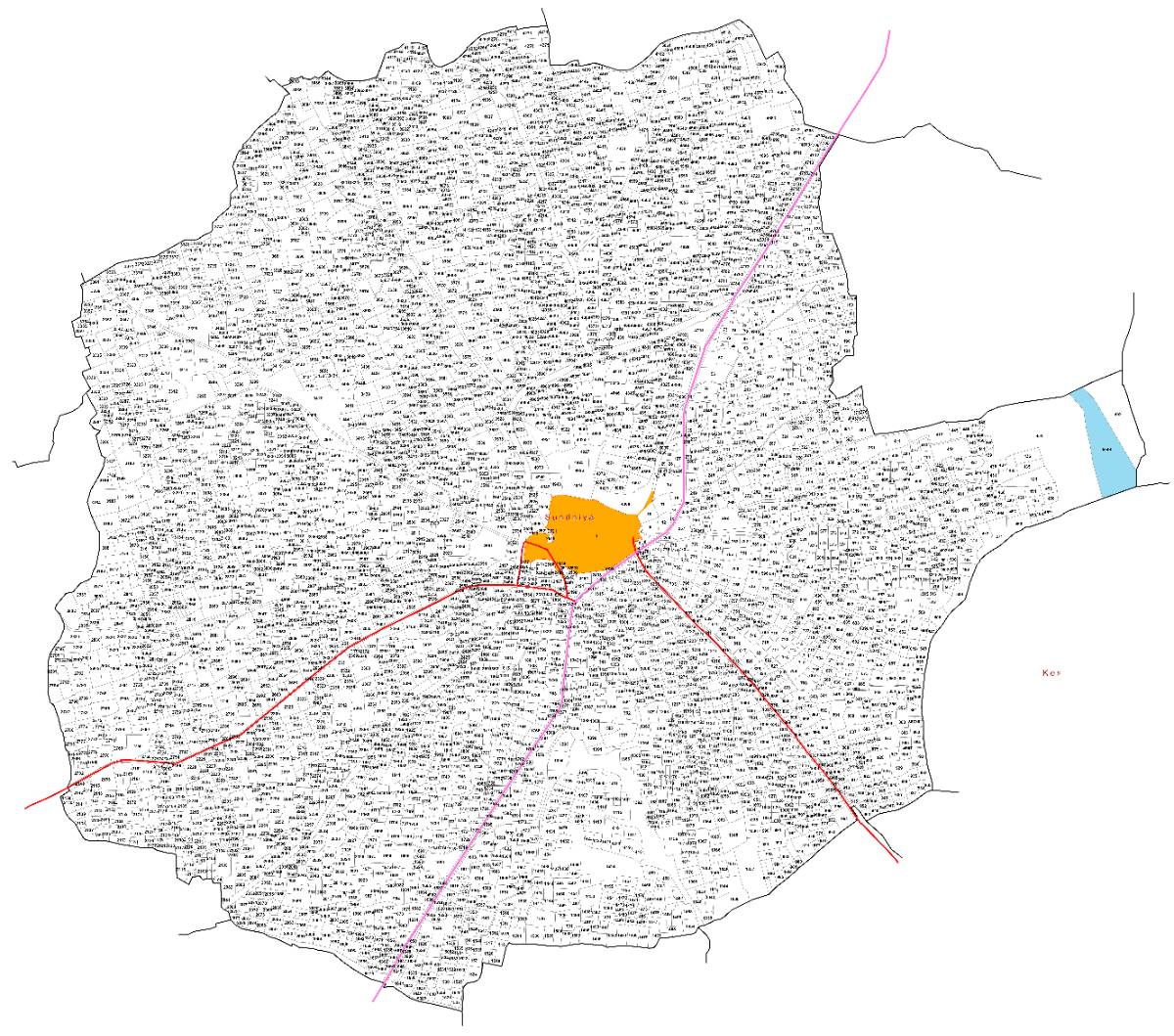
Sundhiya is a village located in the Vadnagar sub district of Mehsana district, Gujarat. It has a population of 14,921 people living in 2,947 households. The village has a relatively high literacy rate of 81.8%. Sundhiya is primarily an agricultural community, with a large percentage of the workforce engaged in cultivation and agricultural labor. The village is connected to nearby towns and cities by road and has basic infrastructure like schools and health facilities. Investing in Sundhiya's land requires careful consideration of land records, agricultural dependency, and future development plans, including alignment with the Mehsana Development Plan 2045.
Sundhiya's demographic data shows a population of 14,921 with 7,773 males and 7,148 females, resulting in a sex ratio of 920 females per 1,000 males. The village's economy is largely based on agriculture, with 79.7% of the workforce involved in agricultural activities. This highlights the importance of understanding agricultural trends and policies when considering land investments.
Land use planning and government regulations in Sundhiya will likely be influenced by the Mehsana Development Plan 2045. Understanding Floor Space Index (FSI) or Floor Area Ratio (FAR) rules and land use zoning regulations is crucial before investing in land. The process for Non Agricultural (NA) conversion is also an important consideration.
Sundhiya benefits from basic physical infrastructure, including road connectivity, power supply, and mobile coverage. These infrastructural elements are vital for supporting agricultural activities and attracting potential investments.
The village offers social infrastructure such as 13 schools, including 10 primary schools, 2 secondary schools and 1 senior secondary school. It also has health facilities like a Primary Health Centre (PHC) and 2 sub centers.
Land records are crucial to examine before buying land. Gujarat provides online portals for checking land ownership, mutation records, and title history.
The local economy of Sundhiya is significantly driven by agriculture. A large proportion of the workforce is involved in cultivation and agricultural labor. Proximity to Vadnagar and Mehsana influences commuter patterns and economic opportunities.
Evaluating land price trends and investment potential requires a thorough understanding of the local market and future development prospects. It is essential to consult with local experts and conduct due diligence before making any investment decisions.
Sundhiya presents both opportunities and challenges. While its agricultural base and connectivity offer potential, its reliance on agriculture and other factors needs careful consideration. A SWOT (Strengths, Weaknesses, Opportunities, Threats) analysis helps to understand the overall investment landscape.
Location and Geography of Sundhiya
Sundhiya is situated in the Mehsana district of Gujarat, specifically within the Vadnagar sub district. It's located 8 km away from Vadnagar and 35 km from Mehsana, the district headquarters. The total geographical area of the village is 2624.7 hectares. Understanding the geography of this area is important for assessing its suitability for various land uses.

The terrain in and around Sundhiya is likely to be relatively flat, typical of many parts of Gujarat's agricultural plains. This type of terrain is generally conducive to farming and infrastructure development. However, detailed topographical maps would be needed to confirm specific variations in elevation and slope.
The soil type in Sundhiya is likely to be alluvial, given its location in the fertile plains of Gujarat. Alluvial soils are known for their high fertility, making them suitable for a variety of crops. The quality of the soil can vary within the village, so soil testing is recommended before making any significant agricultural investments.
Water resources are crucial for agriculture in Sundhiya. While specific details about irrigation sources aren't provided in the census data, common sources in this region include groundwater (wells and borewells) and canal irrigation. The availability and quality of water resources significantly impact agricultural productivity and land value.
Gujarat has implemented various water conservation and management programs. Checking the availability of irrigation infrastructure and government initiatives related to water management can provide valuable insights for investors. Initiatives under PM Krishi Sinchayee Yojana can be relevant. https://pmkrishisinchayee.gov.in/
The climate in Sundhiya is typical of Gujarat, with hot summers, a monsoon season, and mild winters. The rainfall pattern and temperature variations influence the types of crops that can be grown and the overall agricultural cycle. Understanding these climatic conditions supports planning agricultural activities and assessing potential risks.
The geographical context of Sundhiya, with its terrain, soil type, and water resources, drives shaping its agricultural economy and overall development. Investors should carefully consider these factors when evaluating land opportunities in the village.
Socio Demographic Profile of Sundhiya
Sundhiya village has a population of 14,921 according to the 2011 Census. This population is distributed across 2,947 households. The demographic structure of a village impacts its social fabric and the demand for various services and infrastructure.
The population is divided into 7,773 males and 7,148 females. This results in a sex ratio of 920 females per 1,000 males. Understanding the sex ratio is important for assessing social dynamics and planning for gender specific needs.
The literacy rate in Sundhiya is 81.8%. This indicates a relatively high level of educational attainment among the population. A higher literacy rate often correlates with better economic opportunities and a more skilled workforce.
The Scheduled Castes (SC) population in Sundhiya is 687, while the Scheduled Tribes (ST) population is 11. These demographic details are important for understanding the social composition of the village and implementing inclusive development strategies.
The worker participation rate in Sundhiya is 41.2%. This means that a significant portion of the population is engaged in some form of economic activity. The census data further reveals that 79.7% of the workforce is dependent on agriculture.
Out of the total 6,148 workers in Sundhiya, 2,688 are main cultivators and 2,214 are agricultural laborers. This highlights the dominance of agriculture in the village's economy. The remaining workforce is likely engaged in other sectors such as small businesses, services, and non agricultural labor.
Understanding the socio demographic profile of Sundhiya is needed for investors and policymakers. It provides insights into the village's social dynamics, economic structure, and development needs. This information can be used to make informed decisions about land use, infrastructure development, and investment strategies.

Planning and Government Regulations in Sundhiya
Land use planning and government regulations play a crucial role in shaping the development of Sundhiya. While specific details about the Mehsana Development Plan 2045 are not provided in the census data, its influence on Sundhiya's future is significant. Understanding Floor Space Index (FSI) or Floor Area Ratio (FAR) rules is necessary for any construction or development project.
FSI or FAR is the ratio of the total built up area of a building to the size of the plot it is built on. Different zones within the development plan may have varying FSI limits. It is crucial to check the applicable FSI for a specific land parcel before planning any construction.
Land use zoning regulations define how different areas within Sundhiya can be used. These zones may include residential, commercial, industrial, agricultural, and public use zones. Adhering to the zoning regulations is mandatory for all land development activities.
The process of Non Agricultural (NA) conversion is required when agricultural land is to be used for non agricultural purposes such as residential, commercial, or industrial development. The process typically involves applying to the relevant government authorities, paying conversion charges, and obtaining the necessary approvals. https://dolr.gov.in/
The Mehsana Development Plan 2045 is a comprehensive plan that outlines the long term vision for the development of the entire Mehsana district, including villages like Sundhiya. It likely includes proposals for infrastructure development, land use changes, and economic development initiatives. Aligning investment decisions with the Development Plan is important for long term sustainability and growth. NITI Aayog's guidelines on sustainable development are relevant. https://niti.gov.in/
The PM Gati Shakti National Master Plan is a digital platform aimed at integrated planning and coordinated implementation of infrastructure connectivity projects. Checking if Sundhiya and its surrounding areas are covered under the PM Gati Shakti plan can provide insights into upcoming infrastructure projects. https://pmgatishakti.gov.in/
Understanding these planning and government regulations supports land investors in Sundhiya. It helps in making informed decisions, avoiding legal complications, and ensuring that development projects are aligned with the overall vision for the region. Consulting with local authorities and town planning experts is highly recommended.
Physical Infrastructure in Sundhiya
Physical infrastructure is the backbone of any village, supporting its economic and social activities. Sundhiya benefits from basic infrastructure, though there is always room for improvement.
The census data indicates that Sundhiya has bus service, suggesting road connectivity to nearby towns and cities. The nearest town, Vadnagar, is 8 km away, while the district headquarters, Mahesana, is 35 km away. Good road connectivity is needed for the transportation of goods and people.
While the census data doesn't provide specific details about the power supply situation, it is reasonable to assume that Sundhiya is connected to the electricity grid. Reliable power supply significantly affects agricultural activities, small businesses, and households. Government initiatives like the Deendayal Upadhyaya Gram Jyoti Yojana aim to improve power infrastructure in rural areas.
Information about water supply infrastructure is not available in the census data. However, villages in Gujarat typically rely on a combination of groundwater sources (wells and borewells) and piped water supply schemes. The availability of clean and reliable water is necessary for both domestic and agricultural use.
The presence of mobile coverage in Sundhiya indicates that the village is connected to the telecom network. Mobile connectivity supports communication, access to information, and participation in the digital economy.
Investing in physical infrastructure can significantly improve the quality of life in Sundhiya and boost its economic potential. Upgrading roads, improving power supply, ensuring reliable water supply, and expanding telecom coverage are all important priorities.
Social Infrastructure in Sundhiya
Social infrastructure factors into the well being and development of a village. Sundhiya has a basic level of social infrastructure, as indicated by the census data.
Sundhiya has 13 schools. This includes 10 primary schools, 2 secondary schools, and 1 senior secondary school. These schools provide access to education for children in the village. The availability of schools is a positive indicator of the village's commitment to education.
The village has one Primary Health Centre (PHC) and two sub centers. These health facilities provide basic healthcare services to the residents of Sundhiya. Access to healthcare is needed for improving the health outcomes and quality of life of the population.
While the census data doesn't provide specific information about other local institutions, it is likely that Sundhiya has other community organizations such as self help groups, farmers' cooperatives, and village panchayats. These institutions play a crucial role in promoting social cohesion, economic development, and local governance.
Investing in social infrastructure is necessary for creating a healthy and thriving community in Sundhiya. Improving the quality of education, expanding access to healthcare, and strengthening local institutions are all important priorities.
Land Records Verification in Gujarat
Verifying land records is a critical step before investing in any property. Gujarat provides online portals to access and verify land records, making the process more transparent and efficient. The Digital India Land Records Modernization Programme (DILRMP) has helped modernize land records across the country. https://dolr.gov.in/
The primary online portal for accessing land records in Gujarat is the AnyROR (Any Records of Rights) website. This portal allows you to view land records, check ownership details, and obtain copies of documents.
The key documents for verifying land ownership are the Record of Rights (ROR), also known as the 7/12 extract, and the property card. The 7/12 extract provides information about the land's ownership, area, survey number, and any encumbrances. The property card provides similar information for urban properties.
Checking for mutations is essential to ensure that the land records are up to date. A mutation is a change in ownership due to sale, inheritance, or other reasons. You can check the mutation status of a property on the AnyROR portal.
Verifying the title chain involves tracing the history of ownership of the land. This can be done by examining the previous sale deeds, inheritance documents, and other relevant records. A clear title chain is essential to ensure that the current owner has the legal right to sell the property.
To verify land records in Gujarat, you will typically need the survey number, village name, and other relevant details of the property. You can then access the AnyROR portal and search for the land records using these details. It is advisable to consult with a lawyer or land records expert to ensure that the verification process is thorough and accurate.
It is important to be aware of the potential for fraud and misrepresentation in land transactions. Always verify the identity of the seller, check the authenticity of the documents, and conduct a physical inspection of the property. Taking these precautions can help protect your investment and avoid legal disputes.
Economic Engine of Sundhiya
The economy of Sundhiya is primarily driven by agriculture. According to the census data, 79.7% of the workforce is engaged in agricultural activities. This highlights the significant reliance of the village on farming and related occupations.
The census data further reveals that out of the total 6,148 workers, 2,688 are main cultivators and 2,214 are agricultural laborers. Main cultivators are typically landowners who cultivate their own land, while agricultural laborers work on other people's farms for wages.
The types of crops grown in Sundhiya are not specified in the census data. However, given the region's climate and soil conditions, it is likely that common crops include cereals (wheat, millet), pulses (beans, lentils), oilseeds (groundnut, sesame), and vegetables.
The proximity of Sundhiya to Vadnagar (8 km) and Mehsana (35 km) influences commuter patterns and economic opportunities. Some residents may commute to these towns for work, education, or access to services. The presence of industries or commercial establishments in these nearby towns can provide employment opportunities for the villagers.
While the census data doesn't provide specific details about local industries, it is possible that Sundhiya has small scale industries related to agriculture, such as food processing, dairy farming, or handicrafts. These industries can provide additional income and employment opportunities for the villagers.
Diversifying the economy beyond agriculture is important for the long term sustainability of Sundhiya. This can be achieved by promoting small businesses, developing skills training programs, and attracting investments in non agricultural sectors. Government schemes like the Pradhan Mantri Mudra Yojana can support entrepreneurship and small business development.
Investment Potential and ROI in Sundhiya
Investing in land in Sundhiya requires a careful evaluation of various factors, including land price trends, investment potential, and associated risks. While specific land price data is not available in the census, understanding the local market dynamics is crucial.
Land prices in Sundhiya are likely influenced by factors such as location, soil quality, irrigation facilities, proximity to roads and other infrastructure, and overall market demand. Land prices may be higher in areas closer to the main road or with better access to irrigation.
The investment potential of land in Sundhiya depends on its suitability for various uses. Agricultural land can be used for farming, while non agricultural land can be used for residential, commercial, or industrial development, subject to zoning regulations and NA conversion.
Given the dominance of agriculture in Sundhiya's economy, investing in agricultural land can be a viable option. However, it is important to consider factors such as crop yields, market prices, and government policies related to agriculture. Diversifying into horticulture, organic farming, or agro processing can enhance returns.
Investing in non agricultural land in Sundhiya can also be attractive, especially if the village experiences population growth, infrastructure development, or economic diversification. However, it is important to carefully assess the demand for residential, commercial, or industrial space and obtain the necessary approvals for land conversion and construction.
The return on investment (ROI) for land in Sundhiya will depend on the purchase price, the use of the land, and the market conditions. It is important to conduct a thorough financial analysis, considering all costs and revenues, before making an investment decision. Consulting with local real estate experts and financial advisors is recommended.
Disclaimer: Investing in land involves risks, including market fluctuations, regulatory changes, and unforeseen events. It is important to conduct thorough due diligence, seek professional advice, and invest only what you can afford to lose. This analysis is based on limited data and should not be considered as financial advice.
Growth Outlook, Strengths, and Weaknesses
Sundhiya's growth outlook depends on several factors, including its agricultural productivity, infrastructure development, and economic diversification. While the village faces certain challenges, it also possesses inherent strengths that can be leveraged for future growth.
One of Sundhiya's key strengths is its agricultural base. With a large percentage of the workforce engaged in agriculture, the village has a strong foundation in farming and related activities. The fertile soil and availability of water resources provide a conducive environment for agricultural production.
Another strength is its connectivity to nearby towns and cities. The presence of bus service and its proximity to Vadnagar and Mehsana facilitate the transportation of goods and people, enabling economic and social interactions.
However, Sundhiya also faces certain weaknesses. Its heavy reliance on agriculture makes it vulnerable to fluctuations in crop prices, weather conditions, and government policies. Diversifying the economy beyond agriculture supports long term sustainability.
The lack of detailed information about infrastructure, such as power supply and water supply, is also a weakness. Improving infrastructure matters for supporting economic activities and enhancing the quality of life.
Opportunities for growth include promoting small businesses, developing skills training programs, and attracting investments in non agricultural sectors. Government schemes and initiatives can play a significant role in facilitating these opportunities.
Potential threats include climate change, water scarcity, and competition from other regions. Addressing these threats requires proactive planning, resource management, and community participation.
SWOT Analysis of Sundhiya
A SWOT (Strengths, Weaknesses, Opportunities, Threats) analysis provides a structured framework for understanding the overall investment landscape in Sundhiya.
| Strength | Weakness |
|---|---|
| Agricultural base (79.7% workforce) | Heavy reliance on agriculture |
| Connectivity to Vadnagar (8 km) and Mahesana (35 km) | Limited information on infrastructure (power, water) |
| Opportunity | Threat |
|---|---|
| Promoting small businesses | Climate change and water scarcity |
| Developing skills training programs | Competition from other regions |
| Attracting non agricultural investments | Regulatory changes impacting land use |
The SWOT analysis highlights the importance of leveraging Sundhiya's strengths, addressing its weaknesses, capitalizing on opportunities, and mitigating threats. this approach is needed for sustainable development and maximizing investment potential. Aligning with the goals of the Mehsana Development Plan 2045 can significantly bolster growth prospects.
Frequently Asked Questions
1. How can I verify the land ownership in Sundhiya? You can verify land ownership through the Gujarat AnyROR portal by searching for the Record of Rights (ROR) using the survey number and village name. It is recommended to consult with a local lawyer for thorough verification.
2. What is the process for converting agricultural land to non agricultural use in Sundhiya? The process involves applying to the relevant government authorities, paying conversion charges, and obtaining the necessary approvals. This process is called Non Agricultural (NA) conversion.
3. What are the main economic activities in Sundhiya? The main economic activities are agriculture related. 79.7% of the workforce is dependent on agriculture, with 2,688 main cultivators and 2,214 agricultural laborers.
4. What is the literacy rate in Sundhiya, and why is it important? The literacy rate in Sundhiya is 81.8%. A higher literacy rate indicates better educational attainment, which often correlates with improved economic opportunities and a more skilled workforce.
5. How does the Mehsana Development Plan 2045 affect land investments in Sundhiya? The Mehsana Development Plan 2045 outlines the long term vision for the development of the region, including land use zoning, infrastructure projects, and economic development initiatives. Aligning your investment decisions with the Development Plan is important for long term sustainability and growth.
Conclusion
Sundhiya presents a blend of opportunities and challenges for land investors. Its strong agricultural foundation, combined with its connectivity to nearby towns, offers potential for growth. However, its reliance on agriculture and the need for improved infrastructure require careful consideration. Verifying land records, understanding government regulations, and aligning with the Mehsana Development Plan 2045 are essential steps for making informed investment decisions.