Executive Summary
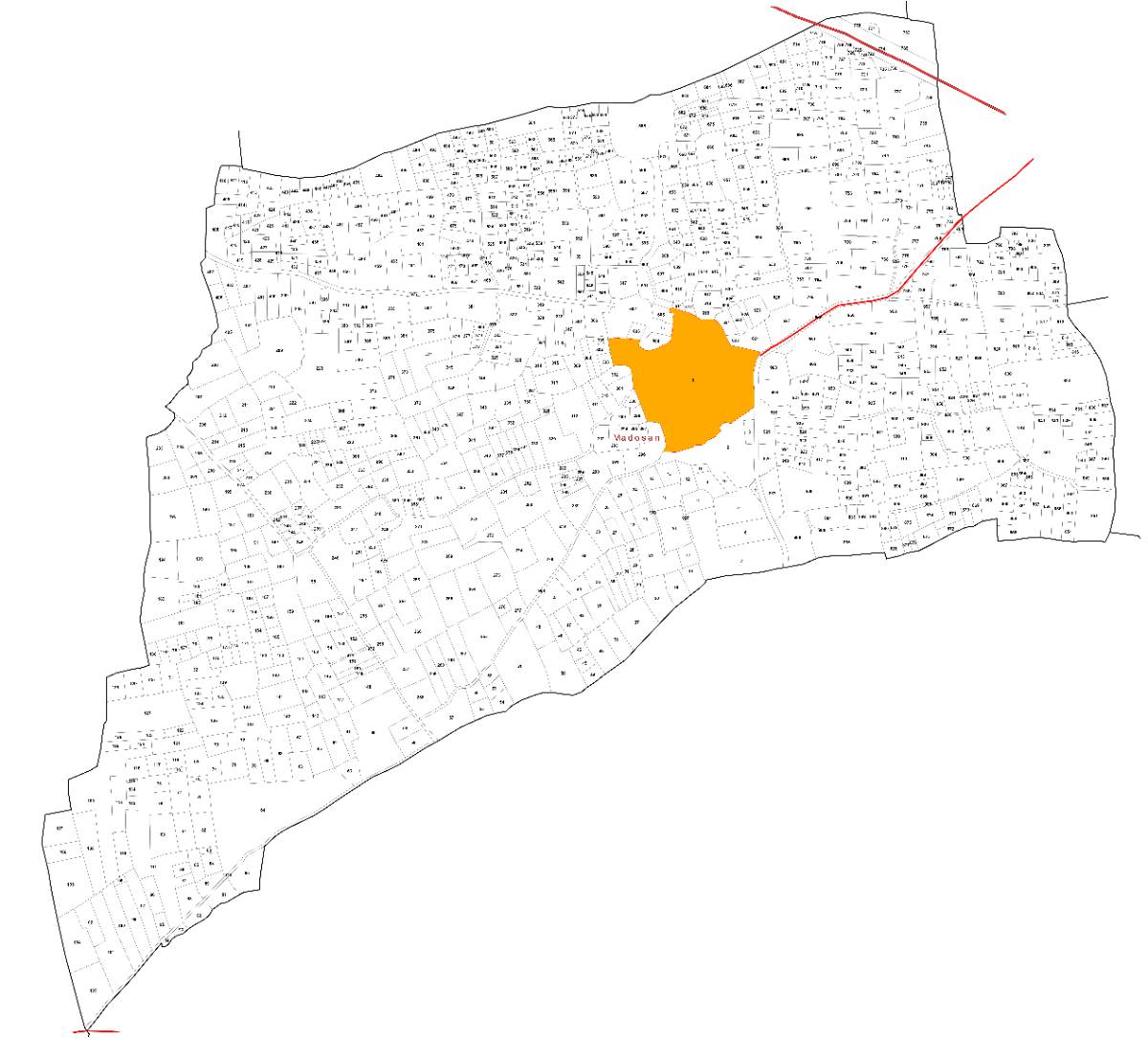
Vadosan is a village in Mehsana district, Gujarat, presenting both opportunities and challenges for property buyers and land investors. Its location offers proximity to key regional hubs, but its rural setting also requires careful consideration of infrastructure and local economic conditions. The village's socio demographic profile reveals a largely agrarian community, impacting investment strategies.
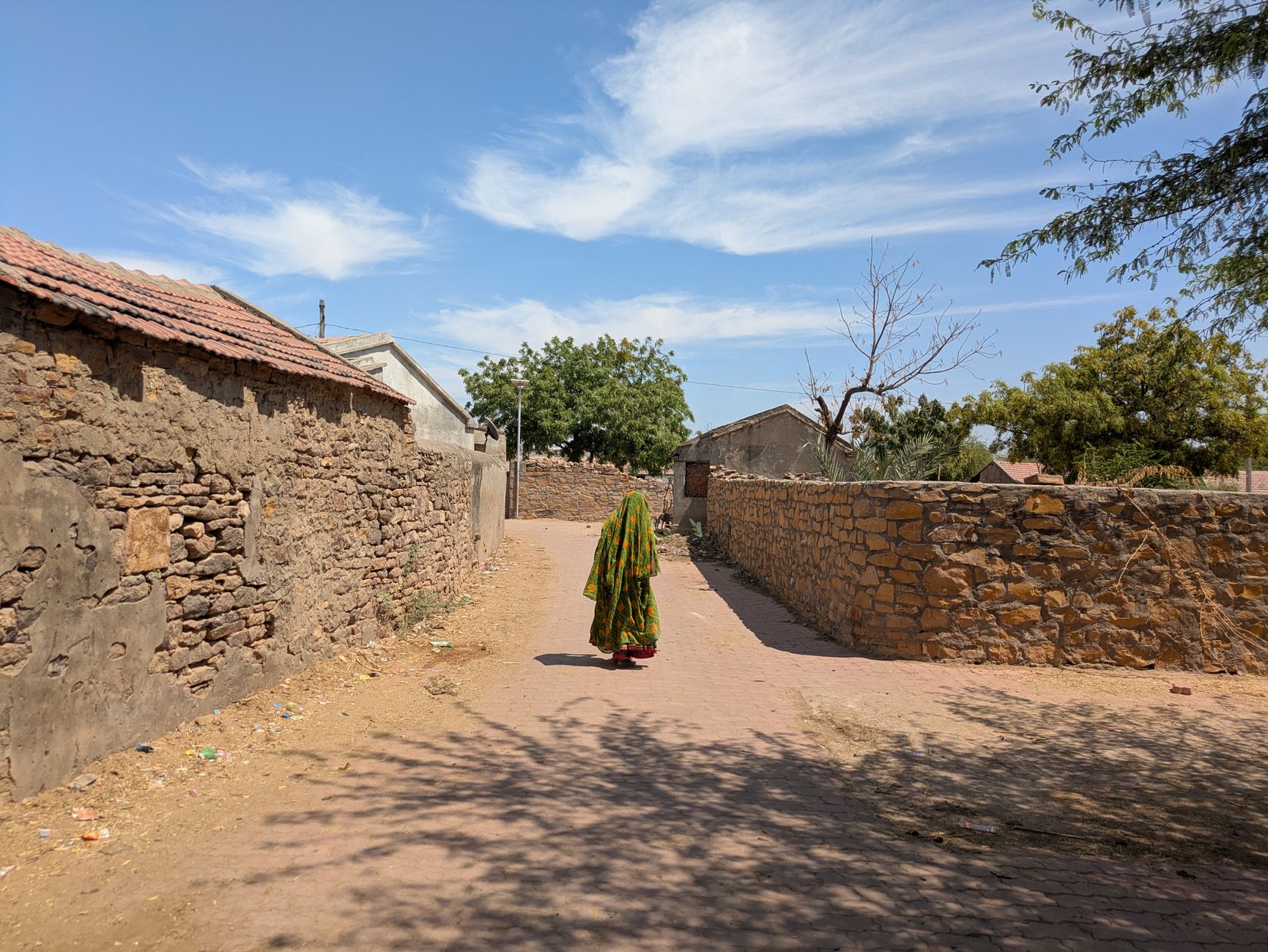
Understanding land use regulations and navigating the land records system are essential for successful transactions. While the local economy is primarily agricultural, nearby industrial areas provide potential for diversification and increased land value. Investors should carefully analyze land price trends, assess the growth outlook, and conduct a thorough SWOT (Strengths, Weaknesses, Opportunities, Threats) analysis before making investment decisions in Vadosan.
Location and Geography
Vadosan is situated within the Mehsana district of Gujarat. The area is part of the fertile plains of the state. This geographical positioning influences its agricultural productivity and accessibility. Specific coordinates for the village are available in detailed government surveys. However, precise GPS data would be needed for pinpoint accuracy.
The terrain around Vadosan is generally flat, making it suitable for agriculture. The soil type is predominantly alluvial, which is known for its fertility and water retention capabilities. This type of soil supports a variety of crops grown in the region. Alluvial soil is formed by sediments deposited by rivers.

Water resources are crucial for agriculture in Vadosan. The village likely relies on a combination of sources including rainfall, groundwater, and possibly canal irrigation systems fed by nearby rivers or reservoirs. The availability of water directly affects the types of crops that can be cultivated. Sustainable water management practices are important for long term agricultural productivity.
The distance to major cities like Mehsana, Ahmedabad, and Gandhinagar influences the village's connectivity and economic opportunities. Proximity to these urban centers provides access to markets, employment, and other essential services. The road network connecting Vadosan to these cities shapes its development. Further details on the distance of Vadosan from key regional hubs are available in district-level administrative reports.
Socio Demographic Profile
According to the census data, Vadosan has a specific population size that reflects its rural character. The exact number of households provides insight into the average family size and housing needs. The literacy rate indicates the proportion of the population that can read and write. This is a key indicator of educational attainment in the village.
The sex ratio, which is the number of females per 1000 males, is an important demographic indicator. It reflects the gender balance within the village population. A balanced sex ratio is necessary for social stability. Census data provides these specific numbers.
The workforce composition reveals the primary occupations of the residents. This includes the number of cultivators, agricultural laborers, and workers engaged in other sectors. Understanding the workforce composition significantly affects assessing the economic activities and income levels in Vadosan. These figures provide insight into the employment pattern of the village.
The population data reveals that the village consists of a closely knit community. The census data provides valuable details about the composition of the population. This information can be useful for planning infrastructure development. The NITI Aayog website (https://niti.gov.in/) offers further insights into rural development strategies and demographic trends.
Planning and Government Regulations
Understanding the planning and government regulations supports property buyers and land investors in Vadosan. These regulations govern land use, construction, and development activities. Familiarity with these rules helps in making informed investment decisions.
FSI (Floor Space Index) or FAR (Floor Area Ratio) rules determine the maximum permissible construction on a plot of land. These rules vary depending on the zone and type of property. Understanding the FSI/FAR regulations matters for planning any construction project. The local municipal authorities can provide information on the applicable FSI/FAR rules.
Land use zoning regulations specify the permitted uses of land in different areas. These zones may include residential, commercial, industrial, and agricultural zones. Land use zoning ensures orderly development and prevents incompatible activities from being located in close proximity. Checking the zoning regulations is vital before purchasing land.
NA (Non Agricultural) conversion is the process of converting agricultural land for non agricultural purposes such as residential, commercial, or industrial use. This conversion requires permission from the relevant authorities. The NA conversion process typically involves submitting an application and paying the applicable fees. Obtaining NA conversion is a prerequisite for many development projects.
The Mehsana Development Plan 2025 outlines the long term vision for the region's development. Alignment with the Master Plan ensures that development projects are in line with the overall planning objectives. The Ministry of Housing and Urban Affairs (https://mohua.gov.in/) provides resources and guidelines related to urban and regional planning.
Physical Infrastructure
Road connectivity is a crucial aspect of physical infrastructure in Vadosan. Good road connectivity facilitates transportation of goods and people. It improves access to markets, employment opportunities, and essential services. The quality of roads directly impacts the ease of doing business.
Power supply is another essential component of physical infrastructure. Reliable power supply is necessary for residential, commercial, and industrial activities. Power outages can disrupt daily life and hinder economic productivity. The availability of electricity connections in Vadosan impacts the quality of life.
Water supply is vital for drinking, sanitation, and agricultural purposes. Access to clean and reliable water supply is needed for public health. The sources of water supply in Vadosan and the infrastructure for its distribution should be evaluated. Sustainable water management practices are important.
Telecom coverage is increasingly important in today's digital age. Good telecom coverage enables access to information, communication, and online services. Mobile connectivity and internet access can significantly improve the quality of life and economic opportunities. The PM Gati Shakti initiative (https://pmgatishakti.gov.in/) aims to improve infrastructure connectivity across India.
Social Infrastructure
Schools are a critical component of social infrastructure. Access to quality education is necessary for the development of human capital. The number of schools in Vadosan, as per census data, indicates the educational facilities available to the residents. The distance to higher education institutions also matters.
Health facilities are vital for providing healthcare services to the community. These facilities may include primary health centers, hospitals, and clinics. Access to timely and quality healthcare supports public health and well being. The availability of doctors and medical staff is an important consideration.
Local institutions play a significant role in community life. These institutions may include village panchayats, cooperative societies, and self help groups. These organizations contribute to local governance, economic development, and social welfare. Their effectiveness impacts the overall quality of life.
According to the census, Vadosan has [FILL IN CENSUS DATA] schools. These facilities serve the educational needs of the village children. Understanding the quality and accessibility of these schools is needed for families considering settling in Vadosan. The Digital India Land Records Modernization Programme (https://dolr.gov.in/) is improving access to land information.
Land Records Verification
Verifying land records is a crucial step before purchasing property in Vadosan. This process ensures that the seller has a clear title to the land and that there are no encumbrances or disputes. Proper verification protects the buyer from potential legal problems.
Checking mutations involves verifying the transfer of ownership of the land. Mutations are changes in the land records reflecting a sale, inheritance, or other transfer of rights. Examining the mutation history reveals the previous owners and any transactions related to the land. This helps establish the chain of ownership.
Verifying the title chain involves tracing the history of ownership of the land back to the original owner. This ensures that there is a clear and unbroken chain of title. Any breaks or gaps in the title chain can indicate potential problems. A thorough title search is necessary for a secure property transaction.
To verify land records in Gujarat, you can use the online portals provided by the state government. These portals allow you to search for land records by survey number, plot number, or owner's name. You can also download copies of land records and maps.
The Gujarat government's land record website provides access to digitized land records. You can use this website to view and download copies of property cards, village maps, and other relevant documents. It is important to carefully review all documents to ensure accuracy and completeness. Consulting with a lawyer specializing in property law is advisable for complex transactions.
Local Economy and Occupations
The local economy of Vadosan is primarily agrarian. Agriculture is the main source of income for a large portion of the population. The major crops grown in the area depend on the soil type, water availability, and climate.
According to census data, a significant percentage of the workforce in Vadosan is engaged as cultivators and agricultural laborers. This indicates the importance of agriculture in the village economy. Cultivators are landowners who cultivate their own land, while agricultural laborers work on other people's farms. The exact percentage of cultivators and laborers will give more insight into the social dynamics.
Nearby industries may have an impact on the local economy. The presence of industries in nearby towns or cities can provide employment opportunities for the residents of Vadosan. This can also lead to increased demand for goods and services in the village. These dynamics can affect the land value.
Commuter patterns indicate the movement of people between Vadosan and other places for work or education. Understanding commuter patterns helps in assessing the village's connectivity and its dependence on nearby urban centers. The availability of transportation options influences these patterns.
Investment Potential and ROI
Land price trends in Vadosan are influenced by factors such as location, accessibility, infrastructure, and demand. Analyzing historical land price data can provide insights into the potential for capital appreciation. Understanding these trends is important for making informed investment decisions.
The investment potential of land in Vadosan depends on several factors. These include the growth prospects of the local economy, the availability of infrastructure, and the regulatory environment. Assessing the potential for future development is crucial.
However, it is important to conduct a balanced assessment of the risks and rewards. Investing in land involves certain risks, such as market fluctuations, regulatory changes, and unforeseen events. Investors should carefully consider their risk tolerance and investment objectives.
Disclaimer: Land investments are subject to market risks. Past performance is not indicative of future results. Investors should conduct their own due diligence and consult with financial advisors before making any investment decisions. Land prices are extremely dynamic and can change based on many market variables.
Investors need to consider the holding period, potential rental income (if applicable), and any development plans. It is important to research the Mehsana Development Plan 2025. Long-term investments often yield higher returns, but they also involve a greater degree of uncertainty.
Strategic Analysis: SWOT
A SWOT (Strengths, Weaknesses, Opportunities, Threats) analysis provides a framework for evaluating the strategic position of Vadosan. This analysis helps in identifying the key factors that can influence the village's future growth and development. It provides a balanced perspective on the challenges and opportunities.
Strengths:
- Fertile agricultural land supporting crop production.
- Close knit community with a strong social fabric.
- Proximity to Mehsana and other urban centers.
Weaknesses:
- Limited infrastructure compared to urban areas.
- Dependence on agriculture as the primary source of income.
- Lower literacy rate compared to urban centers.
- Limited employment opportunities in the village itself.
Opportunities:
- Potential for diversification of the local economy.
- Scope for improvement in infrastructure and connectivity.
- Growing demand for rural tourism and agri business.
- Government initiatives promoting rural development.
Threats:
- Climate change and its impact on agriculture.
- Fluctuations in agricultural commodity prices.
- Competition from other regions with better infrastructure.
- Delays in obtaining necessary approvals for development projects.
The growth outlook for Vadosan depends on its ability to leverage its strengths, address its weaknesses, capitalize on opportunities, and mitigate threats. Strategic planning and effective implementation are crucial for sustainable development. Government support and community participation are essential for realizing the village's full potential. Investors should weigh these factors before making land investment decisions.
Frequently Asked Questions
Q1: How do I verify the land records for a property in Vadosan? A: You can verify land records online through the Gujarat government's land record website. You can search by survey number, plot number, or owner's name. Ensure you cross-reference the data with physical records at the local land registry office.
Q2: What is the NA conversion process and why is it important? A: NA conversion is the process of converting agricultural land for non agricultural uses. It is important because you need this permission to build a house, factory, or commercial building on agricultural land. Contact the local land revenue department for the application process.
Q3: What are the main industries and employment opportunities near Vadosan? A: While Vadosan is primarily agricultural, nearby industrial areas in Mehsana offer opportunities in manufacturing, textiles, and related sectors. Commuting is common for those seeking non agricultural employment.
Q4: How are land prices trending in Vadosan, and what factors influence them? A: Land prices are influenced by factors like location, road connectivity, water availability, and proximity to urban centers. Consult local real estate agents and review historical sales data to understand the trends. Land prices may fluctuate.
Q5: What should I consider before investing in land in Vadosan for agricultural purposes? A: Consider the soil type, water availability, irrigation facilities, market access for your produce, and potential government schemes for agriculture. Also, check the land records carefully to avoid disputes.
Conclusion
Vadosan presents a mix of opportunities and challenges for property buyers and land investors. Its rural setting and agrarian economy require careful due diligence and a long term perspective. Understanding the local regulations, verifying land records, and assessing the investment potential are crucial for making informed decisions. By considering the strengths, weaknesses, opportunities, and threats, investors can better navigate the landscape and contribute to the sustainable development of Vadosan.